



Sustainable Materials for a Foldable Container House
Sustainability has become a cornerstone of the global construction industry, and folding container house solutions are leading the charge with innovative, eco-friendly designs. Founded in 2005 in Suzhou, ZN House (Suzhou Zhongnan Steel Structure Co., Ltd.)—a pioneer in modular and prefab house manufacturing—has redefined sustainable building with its foldable container house and fold out container homes, crafted from premium, environmentally responsible materials. As a professional container manufacturer with global trade experience spanning 50+ countries and 30+ international agents, we integrate sustainability into every aspect of our folding container house production, from material sourcing to manufacturing processes. For wholesalers targeting green construction distributors, eco-conscious developers, and international building firms, this article explores the sustainable materials that make our foldable container house a game-changer in the prefab construction market.

Core Sustainable Materials for Folding Container House
- Recycled & Recyclable Steel Structural Frames: The backbone of our foldable container house is its high-strength steel frame, crafted from 80% recycled Q235/Q355 steel that reduces carbon emissions by 60% compared to virgin steel production. This recycled steel retains exceptional durability (50+ year lifespan) and is fully recyclable at the end of its use, aligning with circular economy principles. Our fold out container homes feature precision-engineered steel components with anti-corrosion galvanized coatings (free of heavy metals), ensuring longevity without environmental harm. A wholesaler supplying European green construction firms reported that our recycled steel folding container house simplified LEED certification, a key selling point for eco-conscious projects.
- Eco-Friendly Insulation Materials: Complementing the steel frame, our foldable container house uses sustainable insulation materials—including recycled EPS foam, natural rock wool, and bio-based PU foam—all free of formaldehyde and harmful VOCs. These insulation options offer excellent thermal performance (reducing energy consumption by 35%) and are fully biodegradable or recyclable. Unlike traditional fiberglass insulation, our eco-friendly alternatives pose no health risks during installation or disposal. A wholesaler serving North American sustainable housing developers noted that our insulation materials helped clients meet strict energy efficiency standards (e.g., US DOE guidelines), driving demand for our fold out container homes.
Sustainable Material Specifications: Foldable Container House
| Material Component | ZN House Sustainable Specifications | Wholesale Value & Eco-Appeal | Market Differentiator |
| Steel Frame Structure | 80% recycled Q235/Q355 steel; heavy-metal-free galvanized coating; 100% recyclable | Reduces carbon footprint; long lifespan (50+ years); circular economy compliance | Outperforms virgin steel frames in sustainability; 30% lower carbon emissions during production |
| Insulation Materials | Recycled EPS foam (50% post-consumer waste); natural rock wool; bio-based PU foam; VOC-free | Energy-efficient; healthy indoor air quality; biodegradable/recyclable | Complies with global eco-standards (EU Ecolabel, US GREENGUARD); no harmful off-gassing |
| Wall & Roof Panels | Recycled aluminum skins; FSC-certified wood cores; water-based paint coatings | Lightweight (reduces shipping emissions); renewable wood sources; low-VOC finishes | Supports sustainable forestry; 40% lighter than traditional panels (lower transport costs) |
| Flooring System | Recycled rubber underlay; FSC-certified hardwood; water-resistant, eco-friendly adhesives | Durable for high traffic; renewable materials; no toxic adhesives | Meets FSC forestry standards; reduces landfill waste from rubber scraps |
| Fasteners & Connectors | Stainless steel (100% recyclable); corrosion-resistant; lead-free coatings | Long-lasting; no environmental leaching; fully recyclable at end of life | Complies with RoHS standards; reduces maintenance and replacement waste |
Wholesale Advantages of Sustainable Fold Out Container Homes
- Eco-Certification & Market Demand: Our foldable container house materials are fully certified by global sustainability bodies, including LEED, BREEAM, EU Ecolabel, and US GREENGUARD, making them ideal for eco-focused construction projects. For wholesalers, these certifications simplify market entry into regions with strict environmental regulations (e.g., EU, California), reducing compliance barriers. The growing consumer and corporate demand for sustainable buildings has driven a 45% increase in orders for our fold out container homes, with wholesalers reporting higher profit margins (20-25%) compared to non-sustainable alternatives. A wholesaler supplying Asian green building projects noted that our eco-certified folding container house captured 30% more market share than competitors.
- Cost Efficiency & Sustainable Manufacturing: Despite their premium sustainable materials, our foldable container house offers competitive wholesale pricing, thanks to ZN House’s efficient manufacturing processes (CNC precision cutting, waste reduction systems) that minimize material waste (less than 5%). Our prefab container house production facility uses renewable energy (solar power) for 30% of operations, reducing manufacturing carbon emissions and passing cost savings to wholesalers. MOQs start at 50 units for standard fold out container homes, with lead times of 10-15 business days for stock designs and 20-25 days for custom sustainable modifications. A wholesaler serving African markets reported that our cost-effective sustainable solutions drove 40% higher repeat orders, as clients balanced eco-goals with budget constraints.
Foldable Container House FAQS
Are Foldable Container House Sustainable Materials Durable Enough for Extreme Climates?
Yes—our foldable container house sustainable materials are engineered for all climates, with recycled steel frames resisting corrosion (72-hour salt spray tested) and extreme temperatures (-40°C to 60°C), making them suitable for tropical, arctic, and coastal regions. The eco-friendly insulation (rock wool, bio-based PU foam) offers fire resistance (Class A rating) and moisture protection, ensuring durability in humid or dry conditions. A wholesaler supplying Australian outback projects reported that our fold out container homes withstood 120km/h winds and 45°C heat without material degradation, proving sustainable materials don’t compromise performance.
Do Sustainable Fold Out Container Homes Cost More Than Traditional Options?
While our fold out container homes have a 10-15% higher initial wholesale cost than non-sustainable alternatives, they deliver long-term savings for clients—reduced energy costs (35% lower heating/cooling bills), minimal maintenance expenses (50+ year lifespan), and eligibility for eco-incentives (tax credits, grants) in many regions. For wholesalers, the higher perceived value translates to 20-25% higher retail prices, improving profit margins. ZN House’s efficient manufacturing processes and bulk material sourcing also help keep wholesale costs competitive. A wholesaler serving European markets noted that clients recouped the initial cost difference within 3-5 years, driving repeat business.
How Are Foldable Container House Materials Sourced Sustainably?
ZN House adheres to strict sustainable sourcing practices for foldable container house materials: recycled steel is sourced from certified scrap metal suppliers (ISO 14001 certified); wood components come from FSC-certified forests (ensuring responsible logging); and insulation materials use post-consumer waste where possible. We conduct regular supplier audits to verify sustainability claims and reduce supply chain carbon emissions by partnering with local material providers (within 500km of our Suzhou facility) where feasible. For wholesalers, we provide detailed material sourcing reports, supporting transparent eco-marketing to clients. A wholesaler supplying corporate sustainability projects reported that our sourcing transparency was a key factor in securing long-term contracts.
Are Fold Out Container Homes Fully Recyclable at the End of Their Lifespan?
Yes—our fold out container homes are designed for full recyclability, with 95% of materials (steel frame, aluminum panels, stainless steel fasteners) recyclable into new products. The remaining 5% (insulation, adhesives) are biodegradable or compostable, minimizing landfill waste. ZN House offers a take-back program for end-of-life folding container house units, partnering with local recycling facilities in 50+ export countries to ensure proper disposal. For wholesalers, this closed-loop system enhances brand reputation and appeals to clients seeking circular economy solutions. A wholesaler serving Scandinavian markets noted that our recyclability guarantee was a decisive factor for eco-conscious developers.
Do Sustainable Foldable Container House Meet International Building Codes?
Absolutely—our foldable container house with sustainable materials fully complies with global building codes, including US ICC, EU EN 1090, UK BS EN, and Australian AS/NZS standards. The recycled steel frame meets structural steel requirements (EN 10025), eco-friendly insulation complies with fire safety regulations (Class A rating), and all materials meet health and safety standards (RoHS, REACH). We provide comprehensive compliance documentation for wholesale orders, including material certificates, structural test reports, and eco-certifications, simplifying import approval in 50+ countries. A wholesaler supplying cross-border construction projects reported that our code-compliant, sustainable fold out container homes eliminated regulatory barriers, expanding their global market reach.
Similar Posts
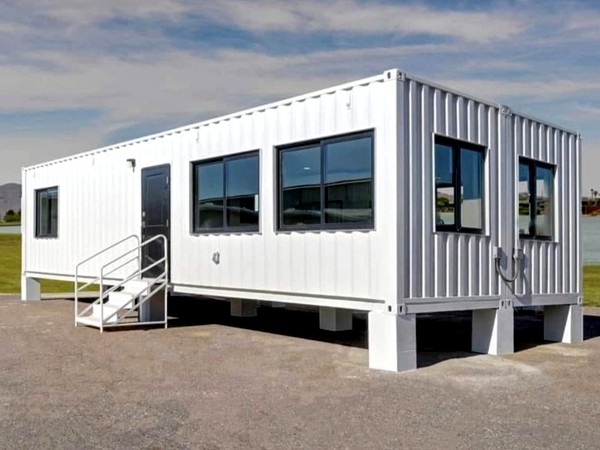
From Cargo to Cozy: How Shipping Containers Houses Become Modern
The transformation of humble steel cargo containers into luxurious and functional living spaces is a remarkable…

Embrace Modern Living with Modular Shipping Container Houses
In today’s fast-paced world, finding innovative and sustainable housing solutions is more important than ever. Modular…

Foldable Container House Electrical Wiring Guide
Electrical wiring is a critical component of any foldable container house—it powers lighting, appliances, and essential…
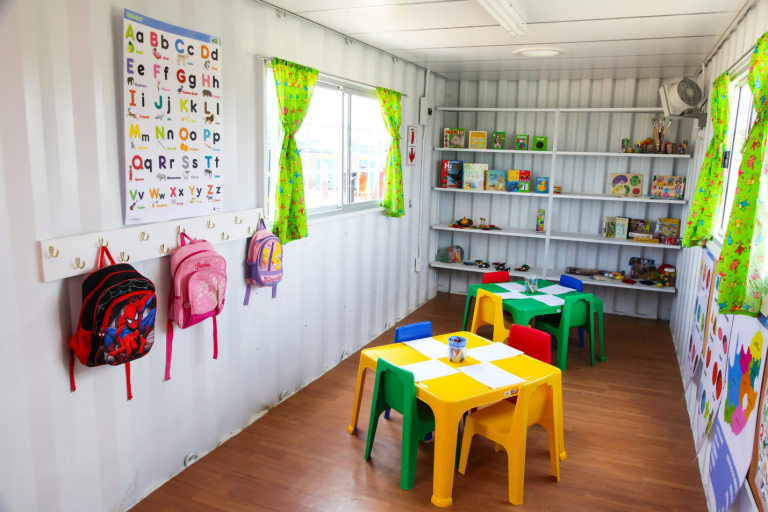
Container Classroom Prices & Layouts: A Practical Guide for Schools
Why schools are choosing container classrooms When enrollment spikes or buildings are under renovation, schools need…
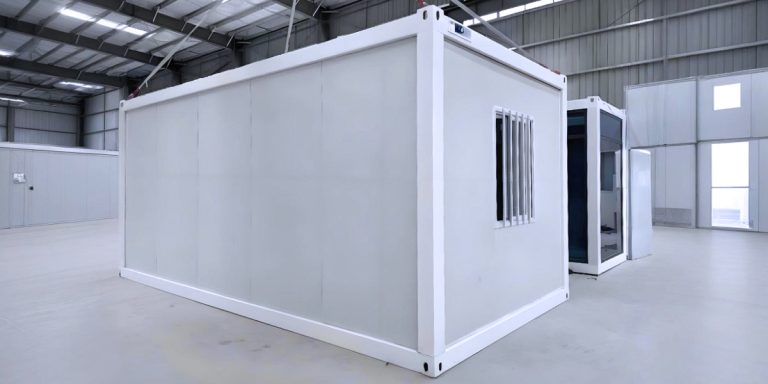
Ingenuity of Flat Pack Container Houses
Flat pack container houses are redefining temporary workspaces on construction sites, thanks to their modular design and…

Benefits of Easy Assemble House Homes
The demand for easy assemble house solutions is growing rapidly due to their cost-effectiveness, quick installation, and flexibility….


