

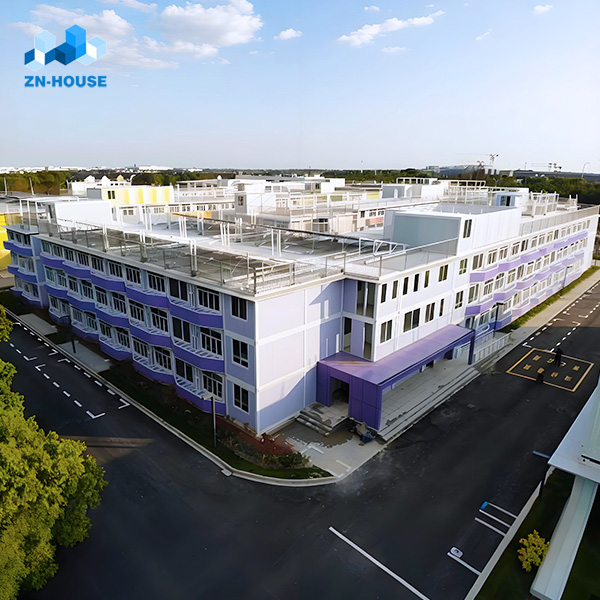


What is flat pack container house?
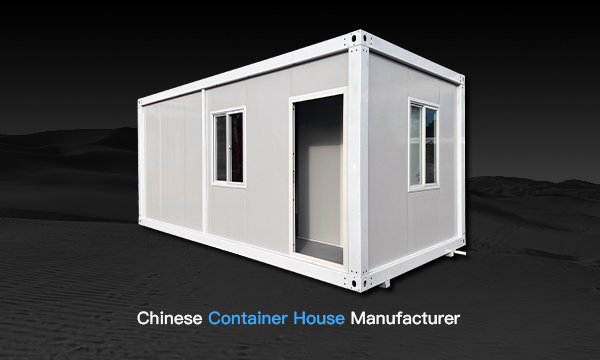
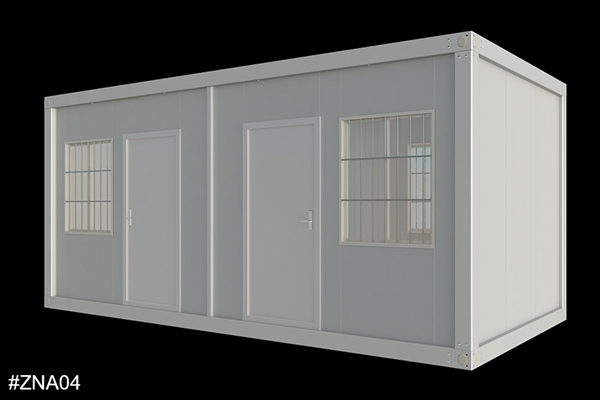
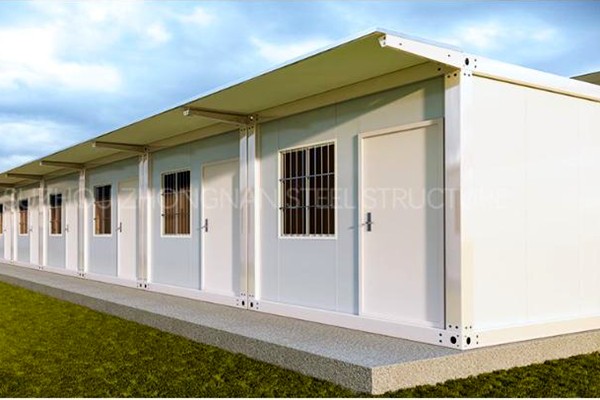
A flat pack container house is a modular prefab building system manufactured in a factory and delivered in compact components for fast on-site assembly. Built with a high-quality galvanized steel structure and insulated sandwich panels (EPS, rock wool, or glass wool), standard 20ft units can be used individually, combined into larger layouts, or stacked up to 3–4 floors. Offering quick installation, flexible design, and cost-effective transportation, flat pack container homes provide a durable and sustainable alternative to traditional construction for residential and commercial projects.
Flat Pack Container House Specifications
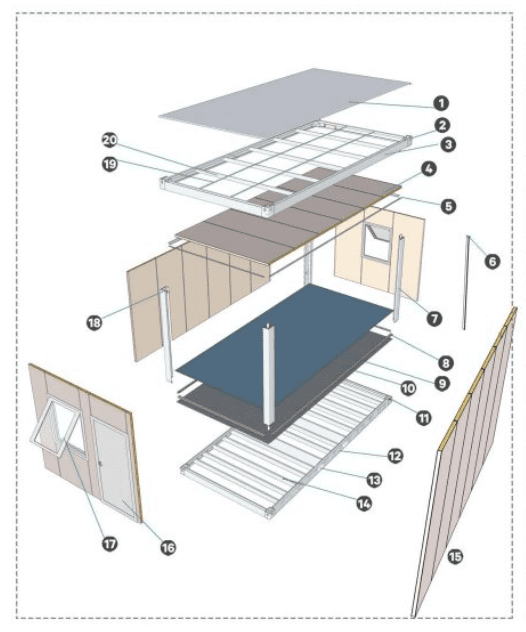
ZN House flat pack container houses are built with a galvanized steel frame, insulated wall and roof panels, durable flooring system, standard doors and windows, and modular connection components. Each unit is designed for fast assembly, efficient transportation and flexible project use, including site offices, worker dormitories, temporary housing, container camps and commercial spaces.
| Core Item | Specification |
|---|---|
| Standard Unit | 20ft flat pack container house / customized size available |
| Main Frame | Galvanized steel frame with powder coating |
| Wall Panel | 75mm rock wool sandwich panel |
| Roof System | 0.4mm exterior roof steel sheet + galvanized roof beam |
| Floor System | Cement-fibre board + 4.0mm vinyl flooring |
| Column | Galvanized steel column, 210mm × 150mm × 2535mm × 2.5mm |
| Window | 700mm × 1100mm plastic-steel top-hang window |
| Application | Office, dormitory, worker camp, temporary housing, site accommodation |
Detailed Structure Components
To help buyers better understand the product structure, the following specifications show the main components of a standard flat pack container house. Final materials and dimensions can be adjusted according to project requirements.
Roof System
| Component | Specification |
| Exterior Roof Plate | 0.4mm exterior roof steel sheet |
| Roof Corner Fitting | Galvanized 210mm × 150mm × 200mm × 4mm corner fitting |
| Roof Beam | 5635mm × 160mm × 2.5mm galvanized forming beam |
| Ceiling Panel | 50mm rock wool panel with 0.3mm steel sheet |
| Ceiling Skirting | Painted aluminum L-shape ceiling skirting |
| Surface Treatment | Powder coating painting |
Wall & Column System
| Component | Specification |
| Wall Panel | 75mm thick rock wool sandwich panel |
| Wall Panel Steel Sheet | 0.5mm steel sheet |
| Rock Wool Density | 140kg/m³ |
| Main Column | Galvanized 210mm × 150mm × 2535mm × 2.5mm steel column |
| Column Cover | L-shape painted steel column cover |
| Auxiliary Tube | Galvanized square tube for support and connection |
Floor System
| Component | Specification |
| Floor Finish | 4.0mm vinyl roll flooring |
| Floor Base | 20mm cement-fibre board |
| Floor Beam | 5635mm × 160mm × 2.5mm galvanized forming beam |
| Secondary Floor Beam | 50mm × 100mm × 1.2mm galvanized steel beam, 14 pcs |
| Bottom Corner Fitting | Galvanized 210mm × 150mm × 160mm × 4mm bottom fitting |
| Forklift Pocket | Forklift pocket design for easier handling and loading |
Door & Window System
| Component | Specification |
| Door | High-quality flat pack steel door |
| Window | Plastic-steel top-hang window, 700mm × 1100mm |
| Glass | 4mm + 6mm + 4mm tempered double glass |
| Fasteners | Hexagon socket screws for modular assembly |
Custom Options Available
Flat pack container houses are project-based modular buildings. Besides the standard structure, ZN House can customize the specifications according to different applications, climates, local standards and budgets.
| Wall Panel Options | EPS, rock wool or PU sandwich panel |
|---|---|
| Door & Window Layout | Customized opening size and position |
| Electrical System | Lighting, sockets, wiring and distribution box |
| Bathroom & Plumbing | Toilet, shower, water pipes and drainage system |
| Interior Finish | Flooring, ceiling, furniture, cabinets and kitchen options |
| Multi-storey Combination | Stairs, corridors, terrace and two-floor layout |
Need Customized Flat Pack Container House?
Every project has different requirements for size, layout, insulation, electrical system, plumbing and transportation. Share your required quantity, layout, application and destination port, and ZN House will provide a customized specification and quotation for your flat pack container house project.
Why Choose ZN HOUSE’s Flat Pack Container House?
ZN HOUSE’s flat pack container homes offer a fast, flexible, and durable solution for residential, commercial, and workforce projects worldwide. Here are the four key reasons clients choose us:
1.Fast & Easy Installation
80% factory pre-assembled; 2–4 workers can set up a 20ft unit in 1 day
No heavy cranes required, ideal for remote or emergency sites
2.Cost-Effective & Efficient Transport
Flat pack units reduce shipping volume by up to 70%
Lower logistics and on-site labor costs compared to traditional container homes
3.Durable & Insulated Structure
Galvanized steel frame, stackable up to 3–4 floors
Insulated panels (EPS, rock wool, PU) for all climates, fireproof and soundproof
4.Flexible & Customizable
Single units or multi-unit combinations
Optional terraces, glass walls, slope roofs, and restroom modules
Suitable for homes, offices, hotels, classrooms, and commercial spaces
Flat Pack Container House Structure
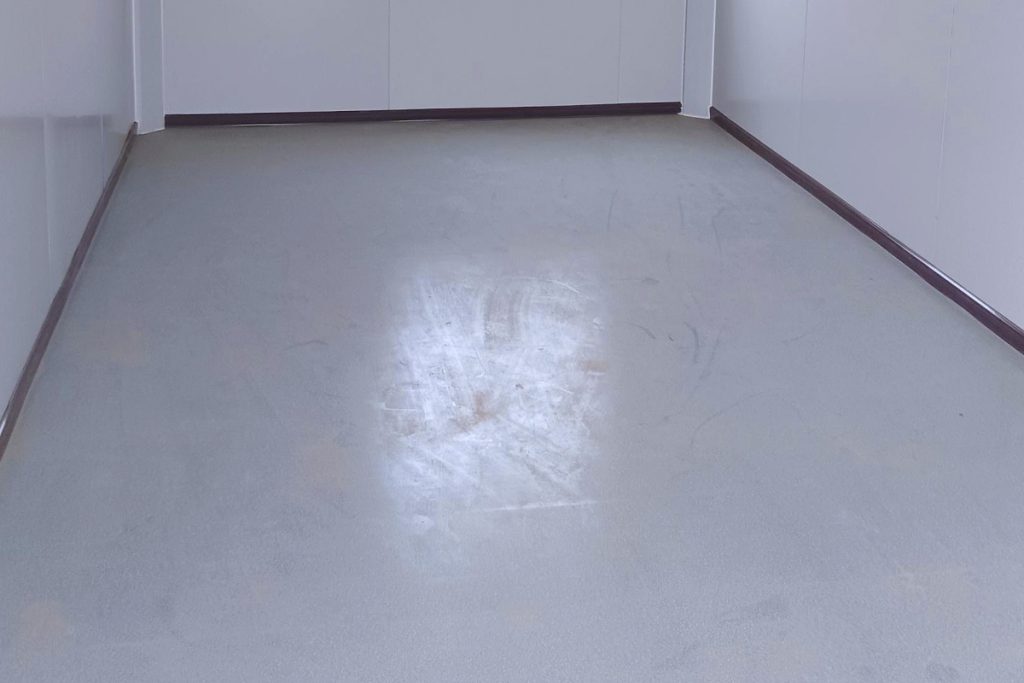
Floor Structure
The floor system is fully assembled in the factory and includes:
Steel floor frame
Cement board
Adhesive layer
PVC floor covering
This design ensures moisture resistance, load capacity, and easy maintenance.
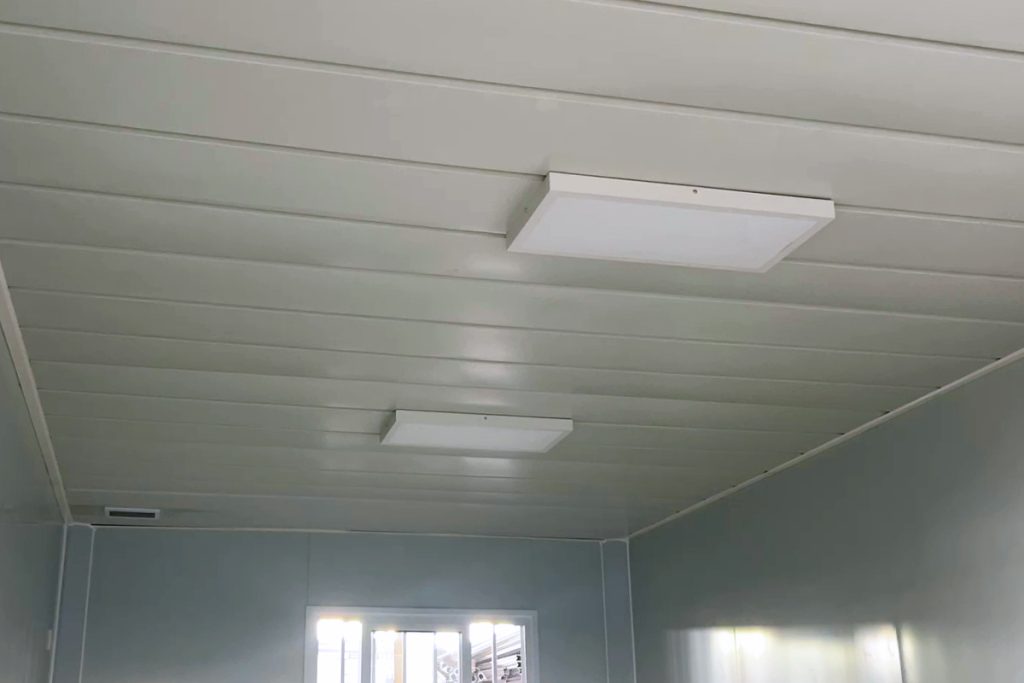
Roof Structure
The roof system consists of:
Steel roof frame
PE waterproof film
Glass wool insulation
Corrugated roof sheet
The insulation layer improves thermal performance and sound insulation.
Basic Doors & Windows
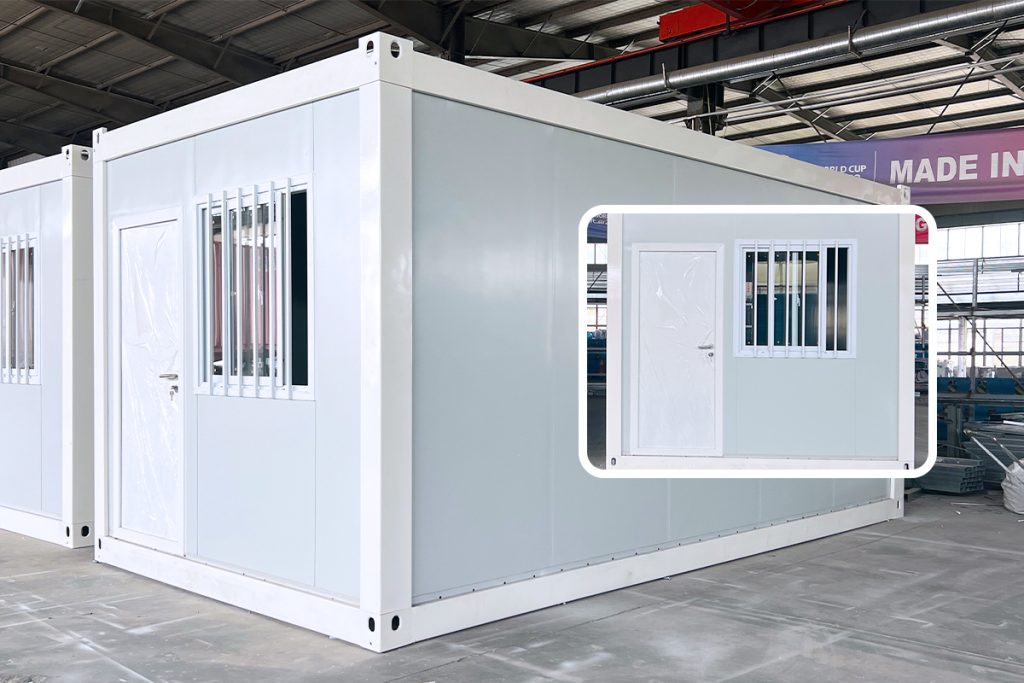
Standard aluminum alloy or steel doors and sliding windows.
Basic Doors & Windows
Standard aluminum alloy or steel doors and sliding windows.
Sandwich Wall Panels
| Panel Type | Waterproof | Fireproof | Heat Insulation | Sound Insulation | Cost Level |
| EPS Panel | ★★★★★ | ★★★☆☆ | ★★★★☆ | ★★★☆☆ | ★★★★★ |
| Rock Wool Panel | ★★★★☆ | ★★★★★ | ★★★★☆ | ★★★☆☆ | ★★★★★ |
| PU Sealed Rock Wool | ★★★★★ | ★★★★★ | ★★★★☆ | ★★★★☆ | ★★★★☆ |
| PU Panel | ★★★★★ | ★★★★☆ | ★★★★★ | ★★★★★ | ★★★☆☆ |
Flat Pack Container House Types
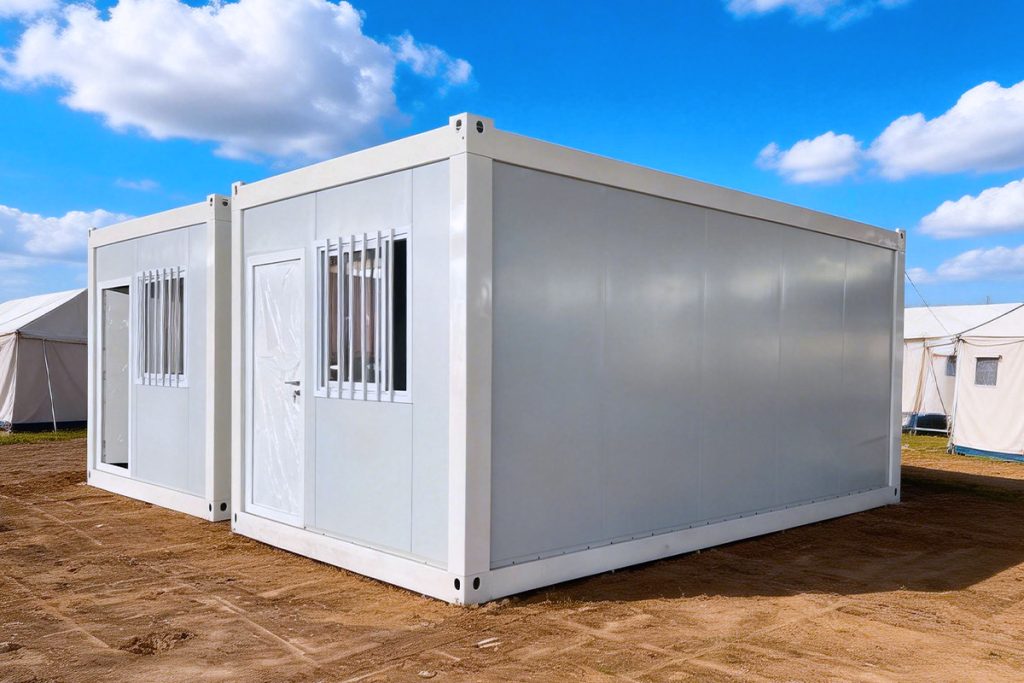
Standard 20ft Flat Pack Container House
- Most popular size
- Suitable for single-room living, office, or storage
- Easy transportation
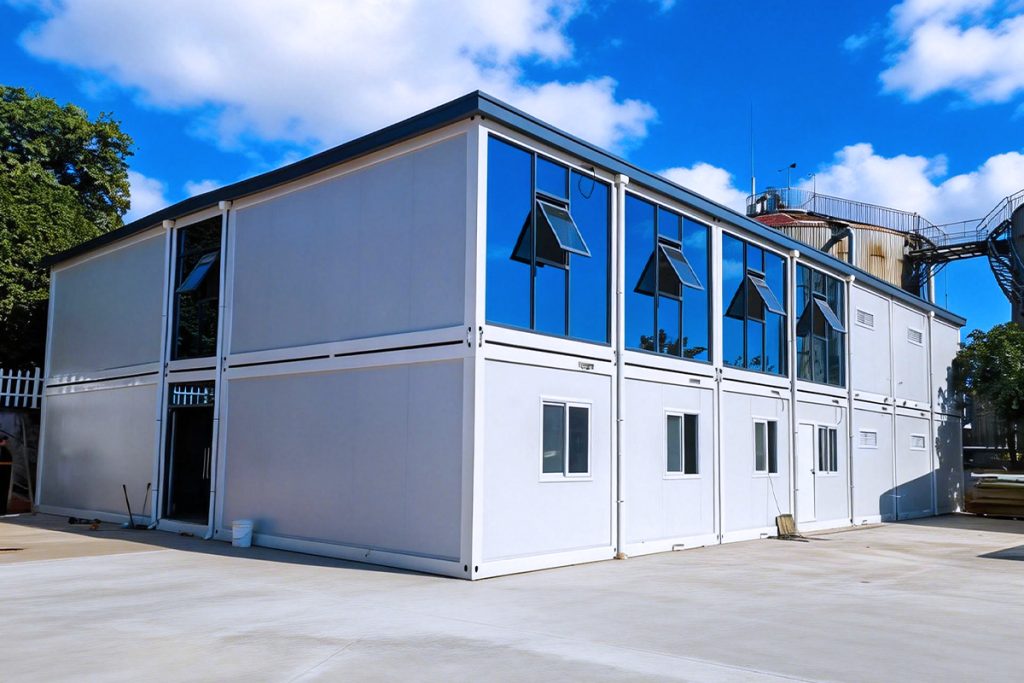
Flat Pack Modular Homes Multiple units can be connected horizontally or stacked vertically to create:
- Multi-bedroom houses
- Office complexes
- Workforce camps
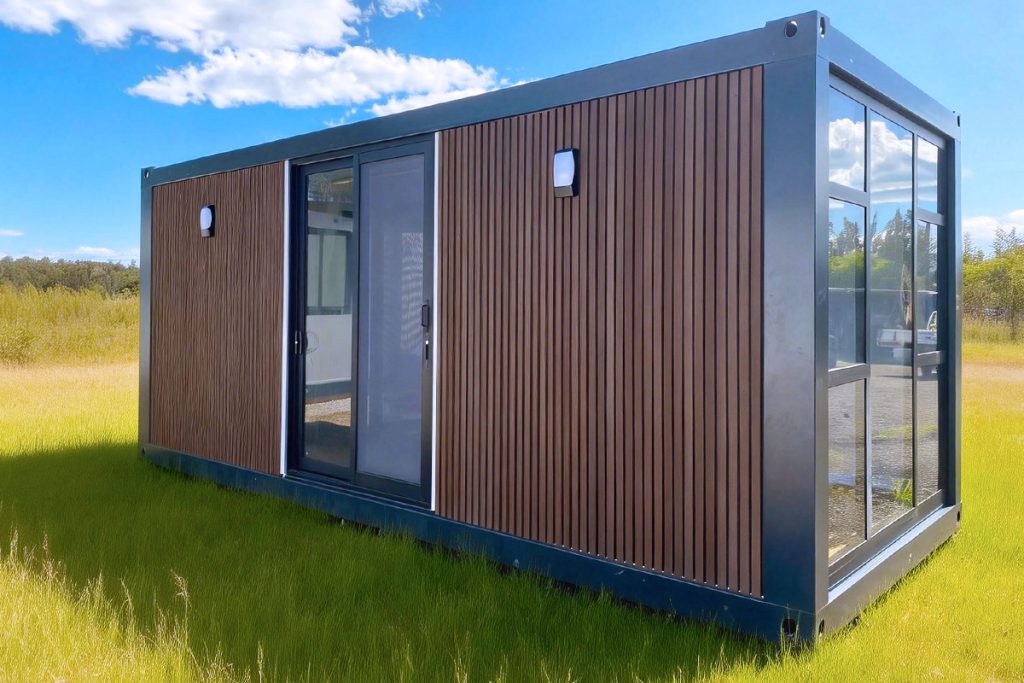
Flat Pack Tiny Homes
Compact living solutions ideal for:
- Remote areas
- Backyard ADU
- Minimalist housing
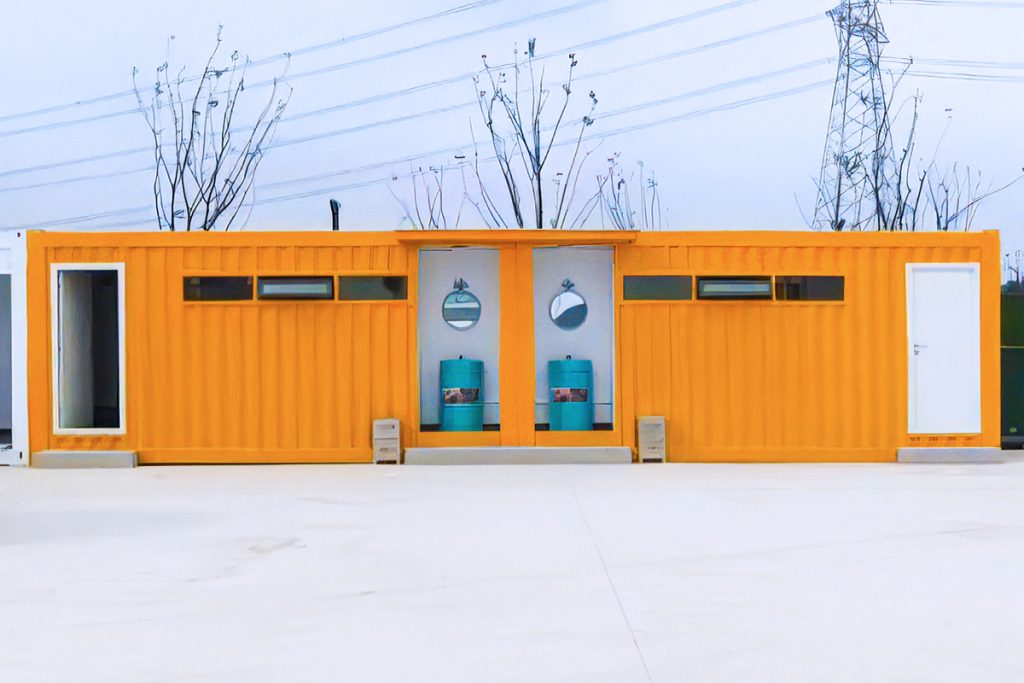
Flat Pack Container Restroom Units
Pre-installed sanitary systems, ideal for:
- Construction sites
- Camps
Flat Pack Container House Sizes
Choosing the right size is crucial for your flat pack container flat pack container house project. Here’s a breakdown of common option
- ■ 10-Foot Units: The most compact choice. Ideal for portable storage, tiny homes, pop-up shops, or minimalist offices where space is limited.
- ■ 20ft Flat Pack Container: The standard shipping container size. Offers an excellent balance of space and portability, suitable for comfortable single-room living spaces, offices, workshops, or significant storage needs.
- ■ 40-Foot Containers: Maximize your usable area. Perfect for spacious residences, multi-room offices, large retail spaces, or extensive storage facilities, providing maximum layout flexibility.

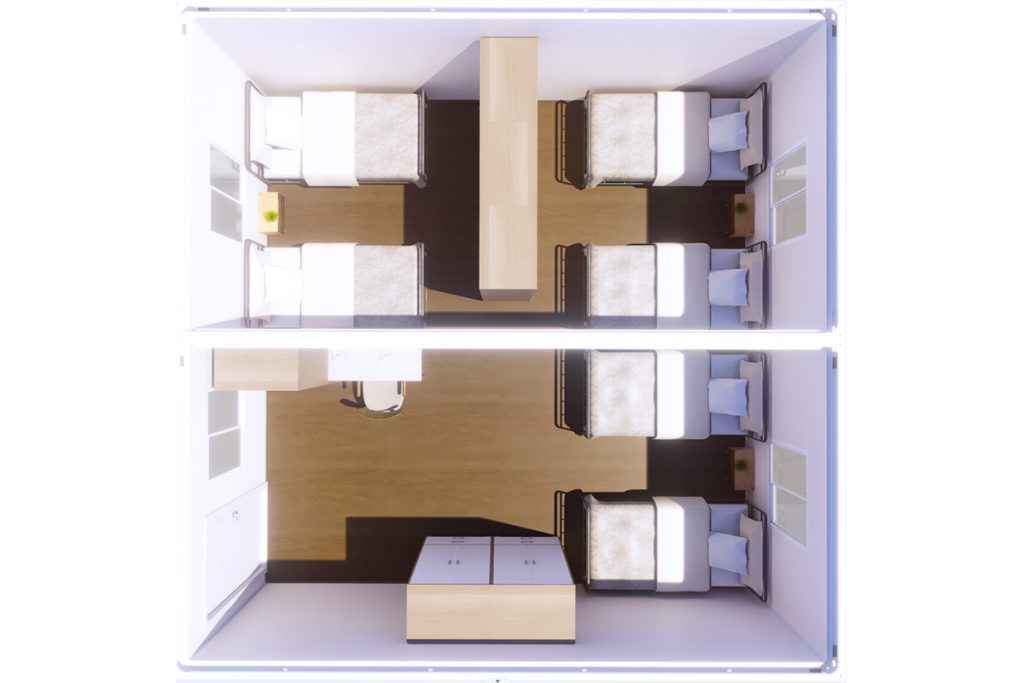
Flat Pack Home Layouts
| 1 bedroom flat pack homes |
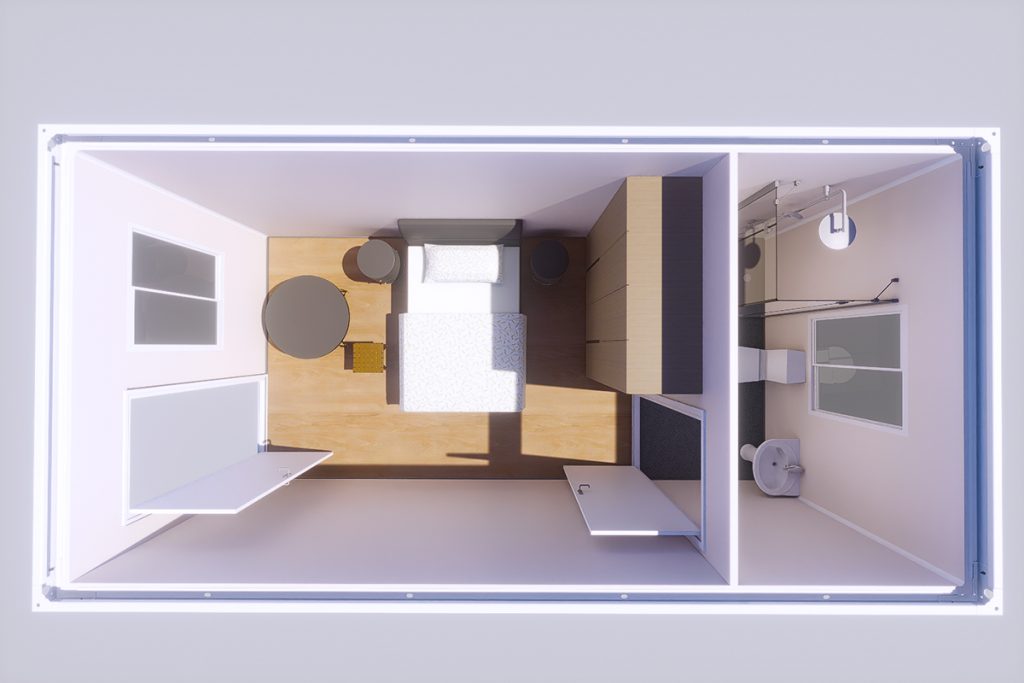
| 2 bedroom flat pack homes |
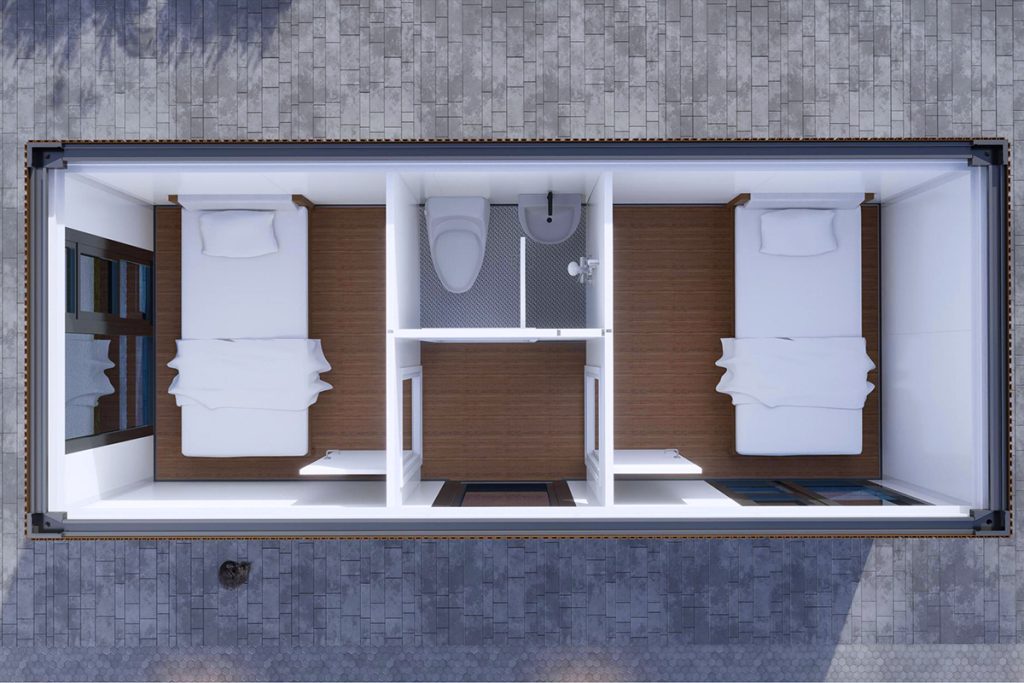
| 3 bedroom flat pack house |
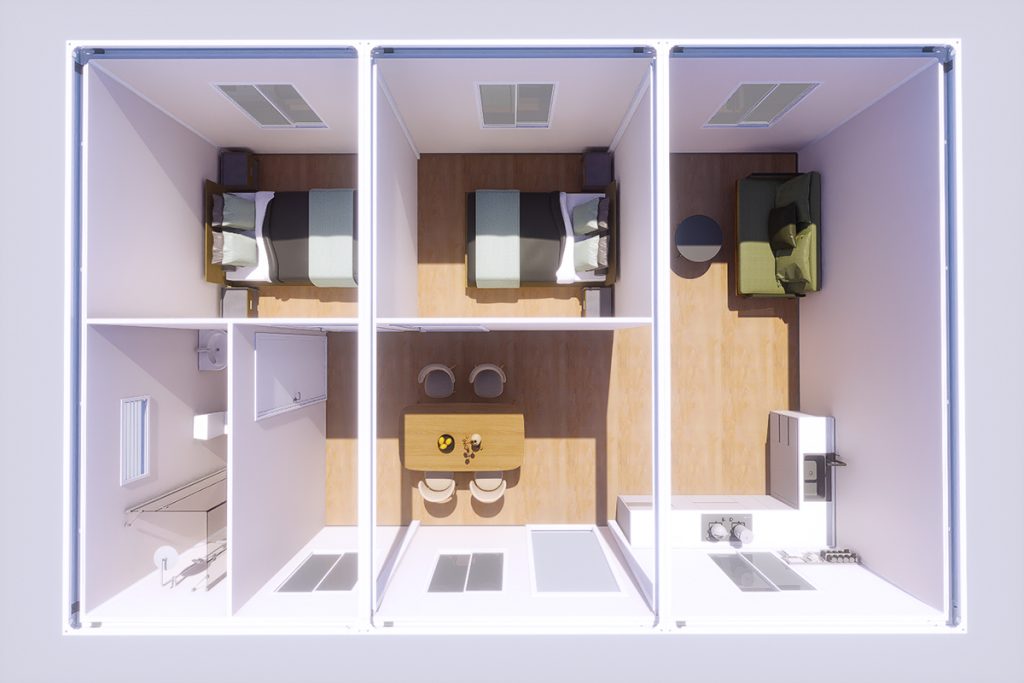
| 4 bed flat pack houses |
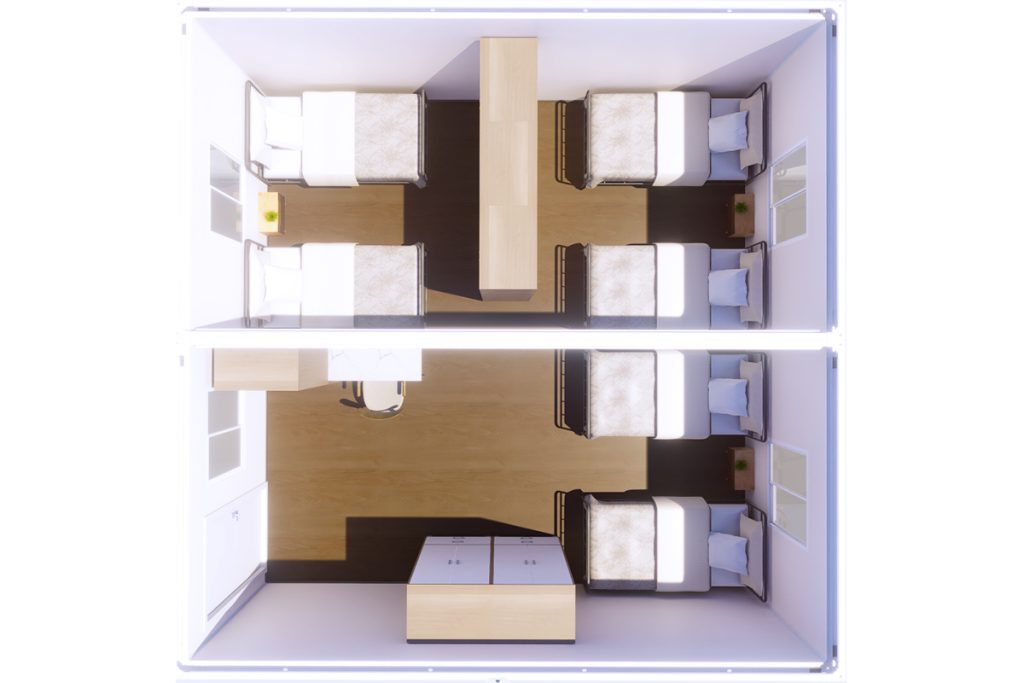
| 5 bedroom flat pack house |
Flat Pack Container House Price Guide
The price of a flat pack container house depends on size, steel frame, wall panel material, interior configuration, order quantity and destination port. Standard 20ft units are usually more cost-effective for bulk projects, while customized layouts with bathrooms, electrical systems, furniture, stairs or upgraded insulation will increase the total cost.
20ft Flat Pack Container House Price Factors
A 20ft flat pack container house is commonly used for site offices, worker accommodation, dormitories and temporary housing. The final price depends on whether it is used as a basic shell, office unit, dormitory room, restroom unit or residential layout.
Basic units usually include steel frames, wall panels, roof, floor, doors and windows. Higher configurations may include electrical wiring, lighting, plumbing, bathroom fixtures, furniture, stairs, corridors or upgraded insulation materials.
Common Configuration References
ZN House provides basic, standard and premium configuration references to help buyers understand different cost levels. Final specifications can be customized according to project use, layout, climate, local standards and budget.
| Configuration Reference | Suitable Projects | Typical Configuration |
| Basic Configuration | Temporary office, storage room, short-term accommodation | Basic galvanized steel frame, standard wall panel, basic doors/windows, PVC floor and simple electrical options |
| Standard Configuration | Worker dormitory, site office, school, staff accommodation | Reinforced floor structure, rock wool sandwich panel, standard electrical system, improved insulation and ventilation |
| Premium Configuration | Long-term accommodation, two-floor buildings, commercial space, workforce camp | Upgraded steel frame, stronger columns, improved roof/floor system, optional bathroom, furniture, stairs, corridor and interior finish |
What Affects the Flat Pack Container House Price?
| Cost Factor | How It Affects the Price |
| Steel Frame | Thicker galvanized steel frames and reinforced beams improve strength but increase cost. |
| Wall Panel Material | EPS, rock wool and PU panels differ in insulation, fire resistance and price. |
| Doors & Windows | Standard doors, aluminum windows, glass doors and custom openings affect quotation. |
| Bathroom & Plumbing | Toilet, shower, water pipes, drainage and waterproof flooring increase cost. |
| Electrical System | Lighting, sockets, wiring, distribution box and local standards affect pricing. |
| Interior Finish | Flooring, ceiling, wall finish, furniture, cabinets and kitchen options can be customized. |
| Stairs & Corridor | Two-floor buildings, stairs, terraces and corridors require extra steel structure. |
| Order Quantity | Bulk orders usually reduce average unit cost and improve shipping efficiency. |
| Shipping Term | FOB, CIF, destination port and inland transportation affect final delivered cost. |
FOB, CIF and Shipping Cost
For international buyers, the flat pack container house price is not only the factory price. Shipping terms also affect the total project cost.
| Price Term | What It Usually Includes |
| FOB Price | Product cost and delivery to the Chinese loading port |
| CIF Price | Product cost, ocean freight and insurance to the destination port |
| Local Cost | Customs clearance, tax, inland transportation, foundation and installation |
Get a Custom Flat Pack Container House Quote
Flat pack container houses are project-based products, so a fixed online price may not reflect the real project cost. To get an accurate quotation, please share your required size, quantity, layout, application and destination port.
Flat Pack Container Homes Applications
Flat pack container houses are versatile and portable, ideal for residential housing, offices, schools, hotels, shops, workforce camps, construction sites, and emergency disaster housing.
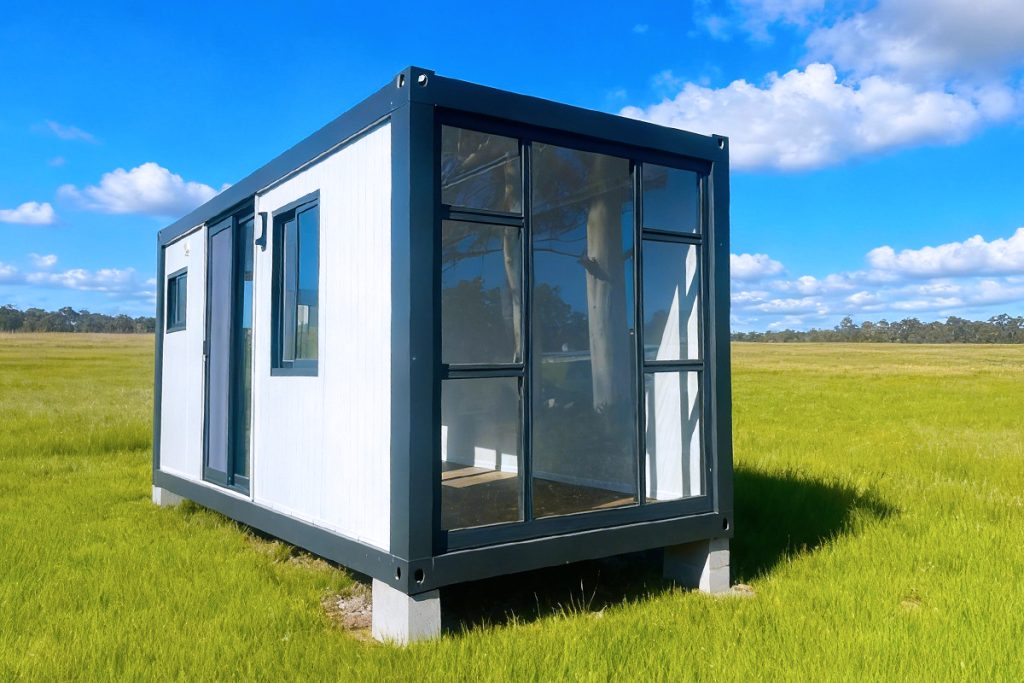
Flat Pack Container Home
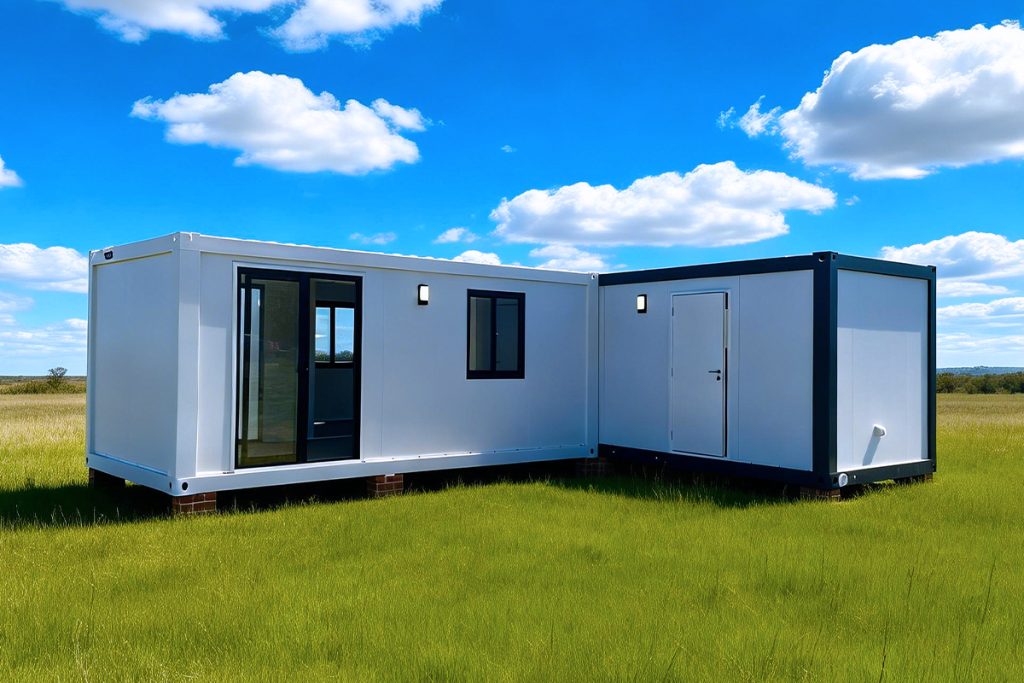
Flat Pack Accommodation Units
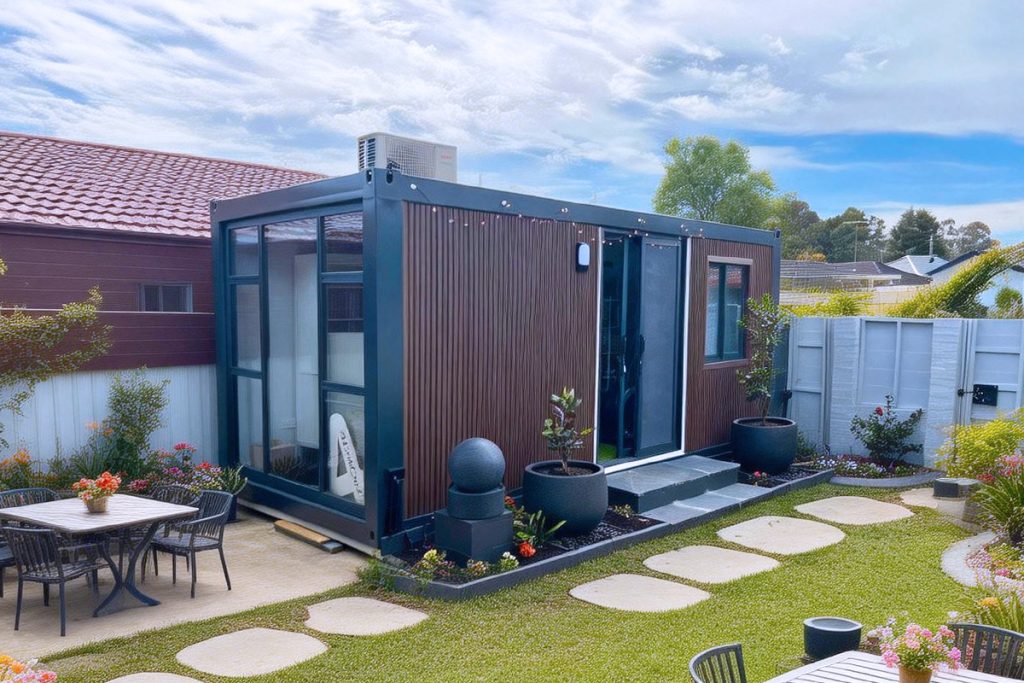
Flat Pack Container Cabin
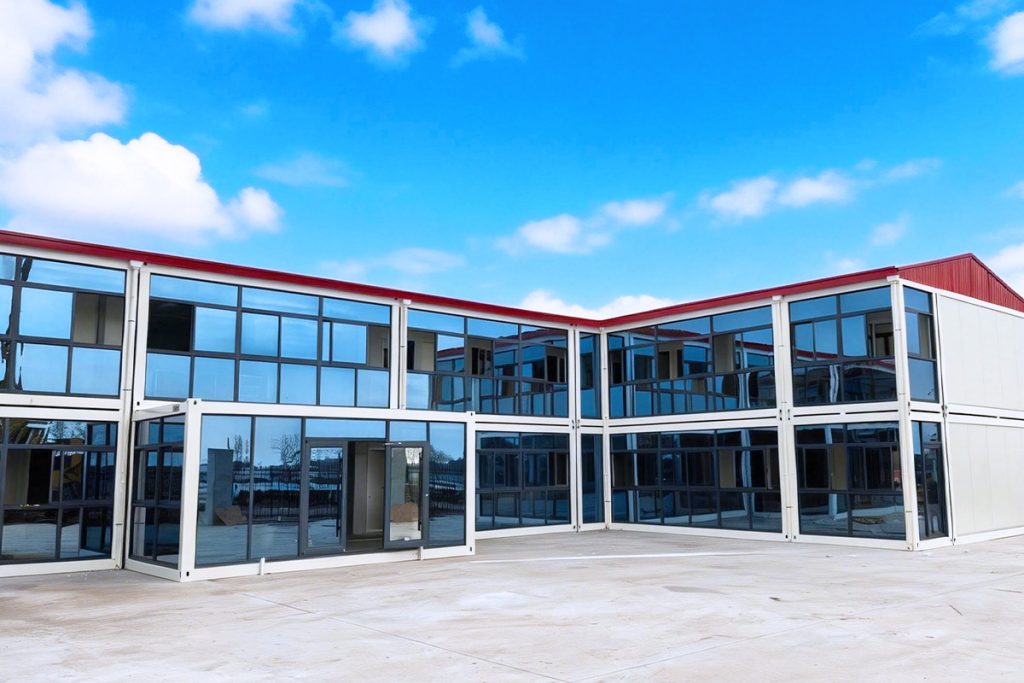
Flat Pack Container Office
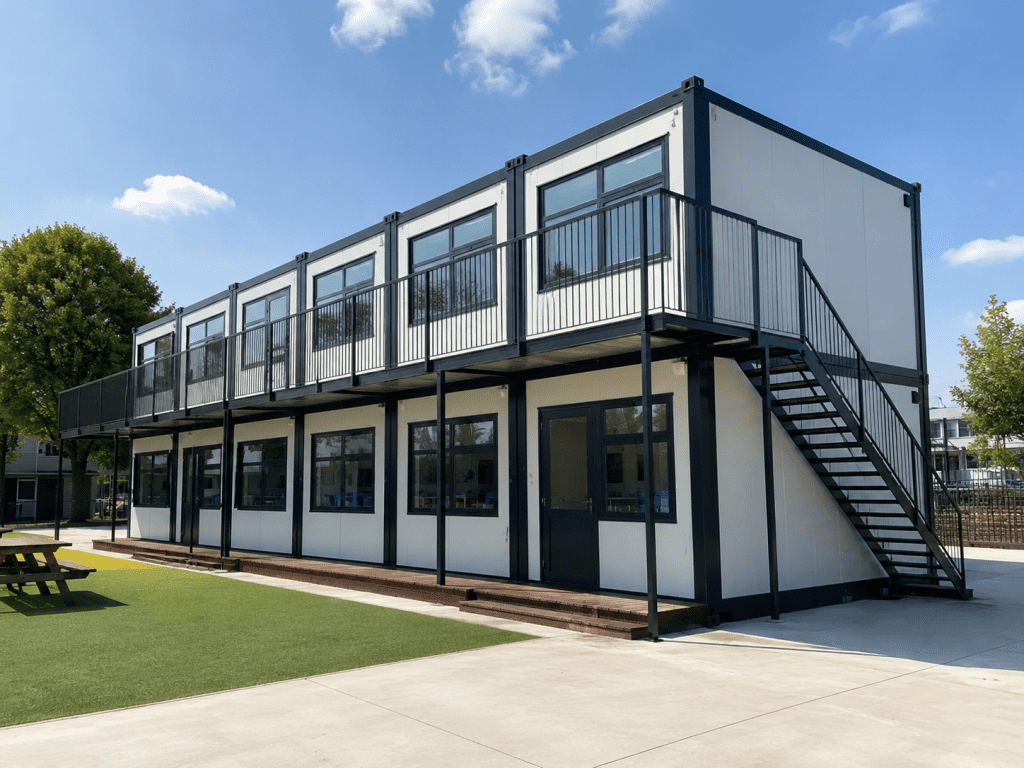
Flat Pack Container Classroom
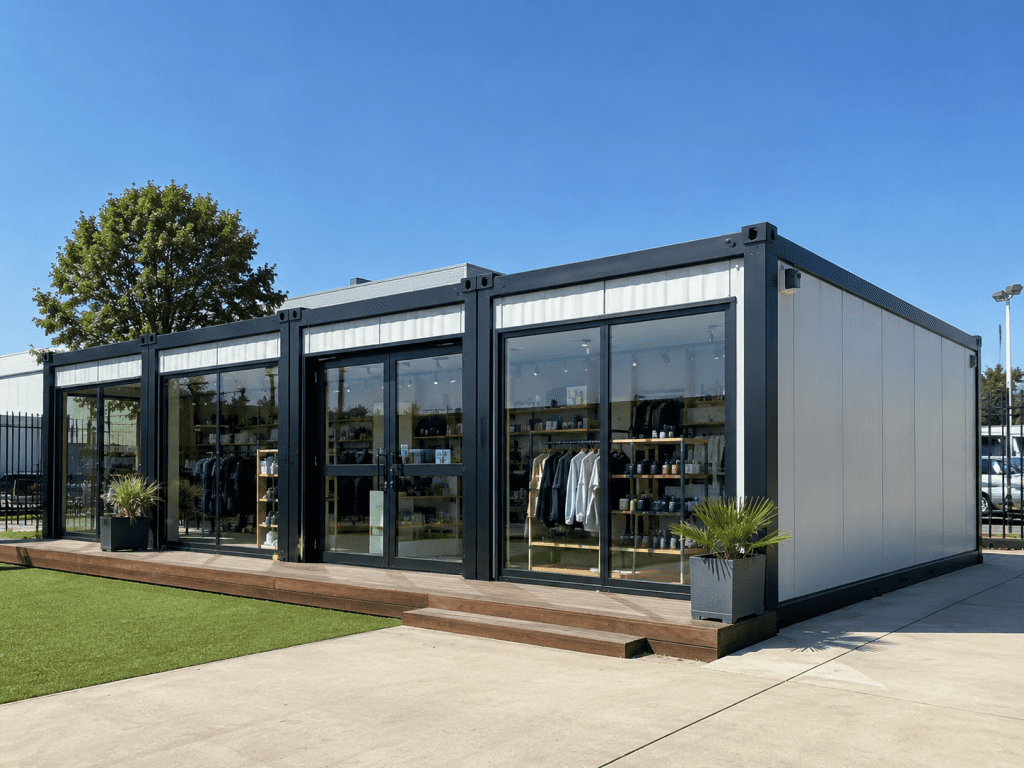
Flat Pack Container Shop
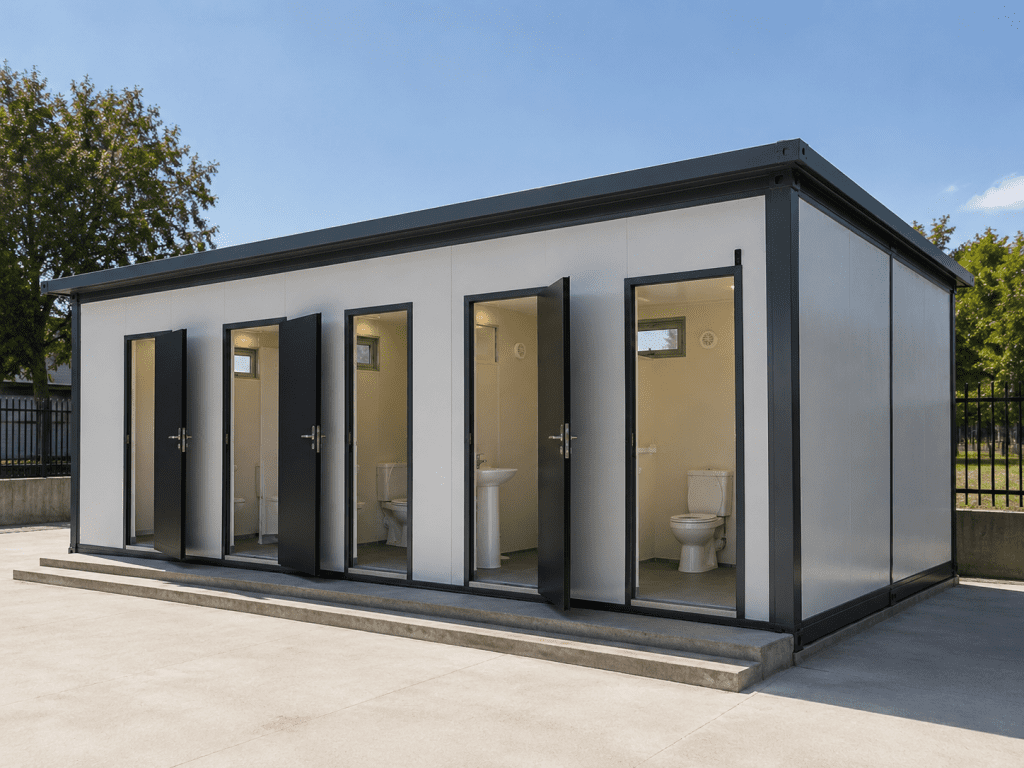
Flat Pack Container Toilet
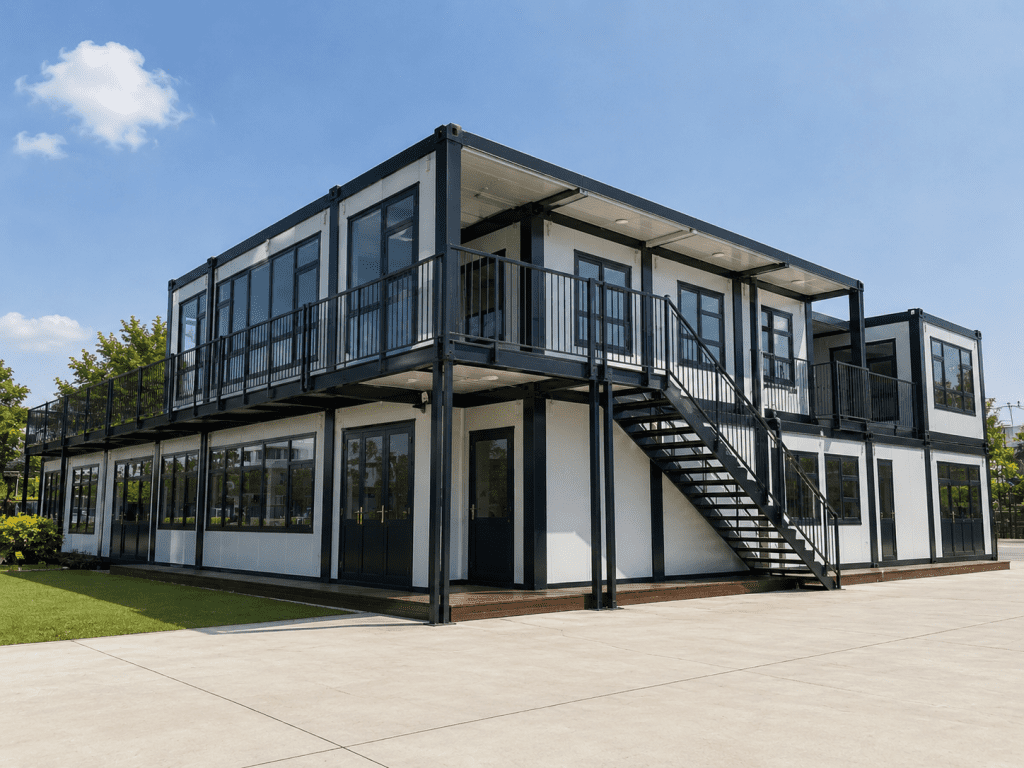
Customized Flat-Pack Container
Global Flat Pack House Projects & Supply Capability
ZN House provides global flat pack container home solutions, serving projects from Africa to Asia and offering designs inspired by German, Scandinavian, American, and European markets.
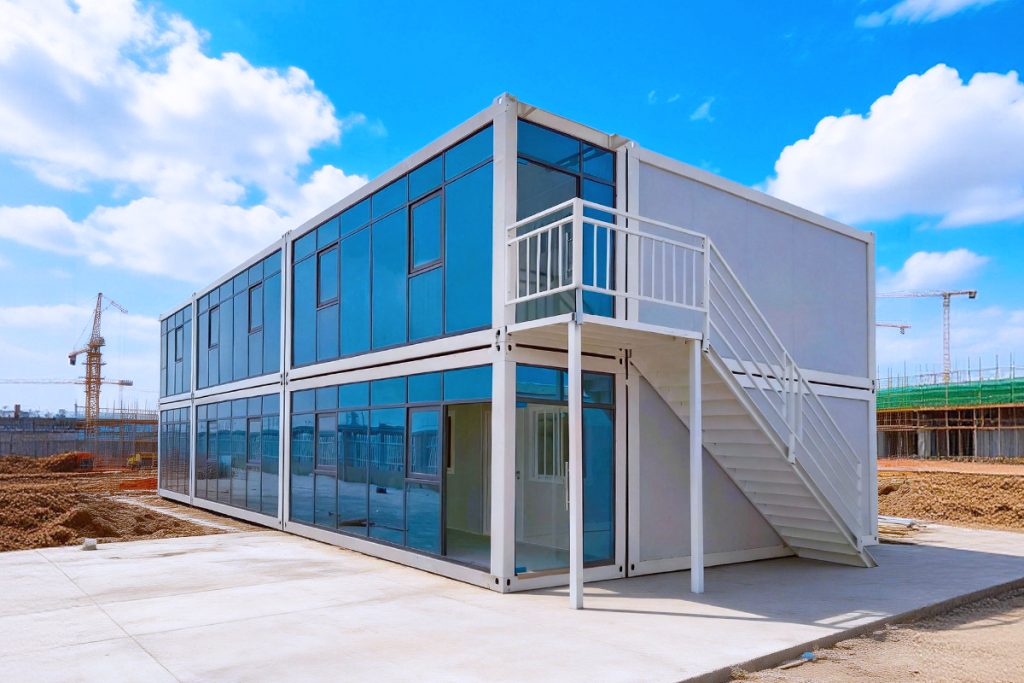
Two-Storey Flat Pack Container Office
Application: Site office / Temporary office Structure: Two-storey flat pack container house Solution: Modular office units with external stairs, glass facade and fast installation.
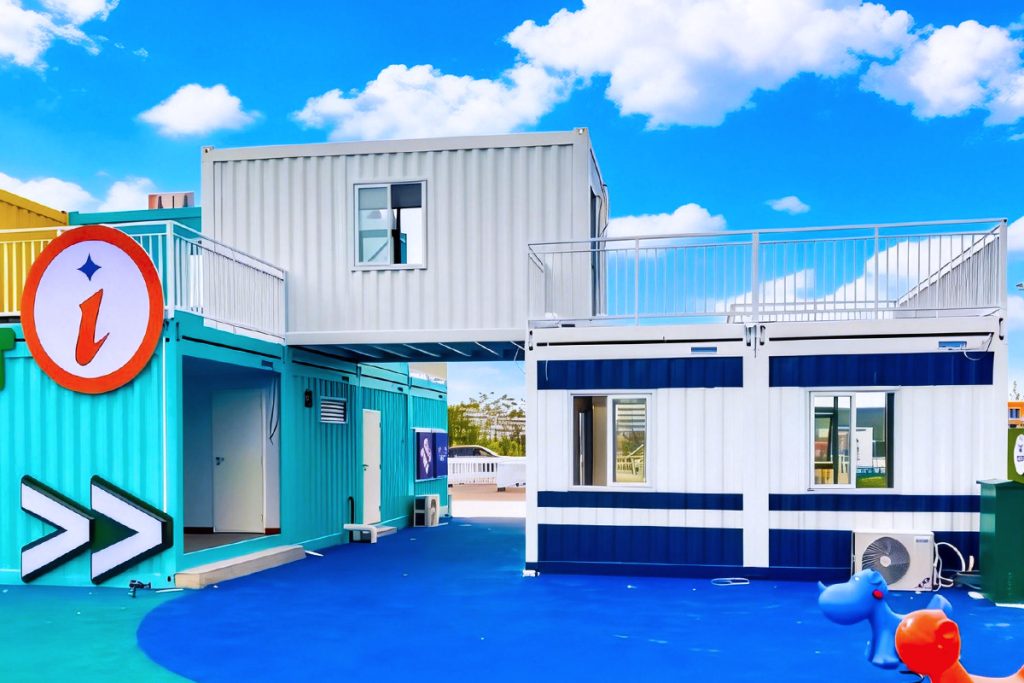
Flat Pack Container Public Facility
Application: Public service / Temporary facility Structure: Modular flat pack container units Solution: Flexible layout with bright exterior design and fast on-site assembly.
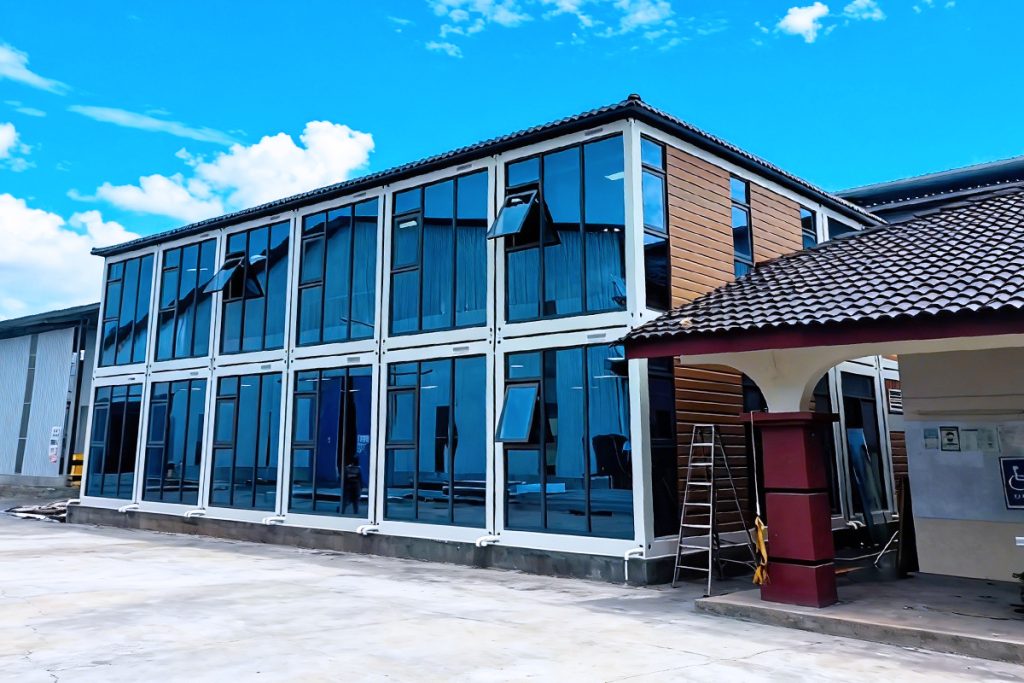
Flat Pack Container Commercial Building
Application: Commercial space / Office building Structure: Two-storey container building Solution: Glass facade, insulated wall panels and customized modular layout.
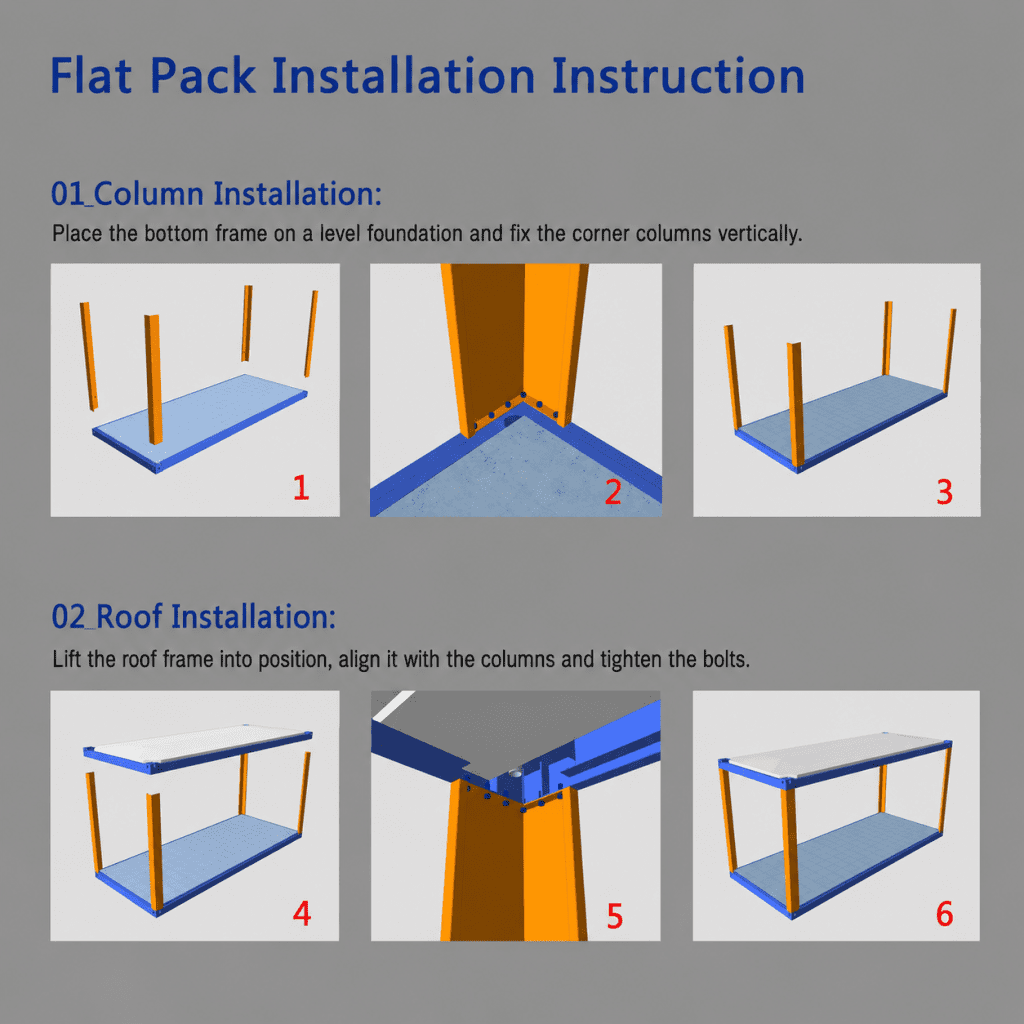
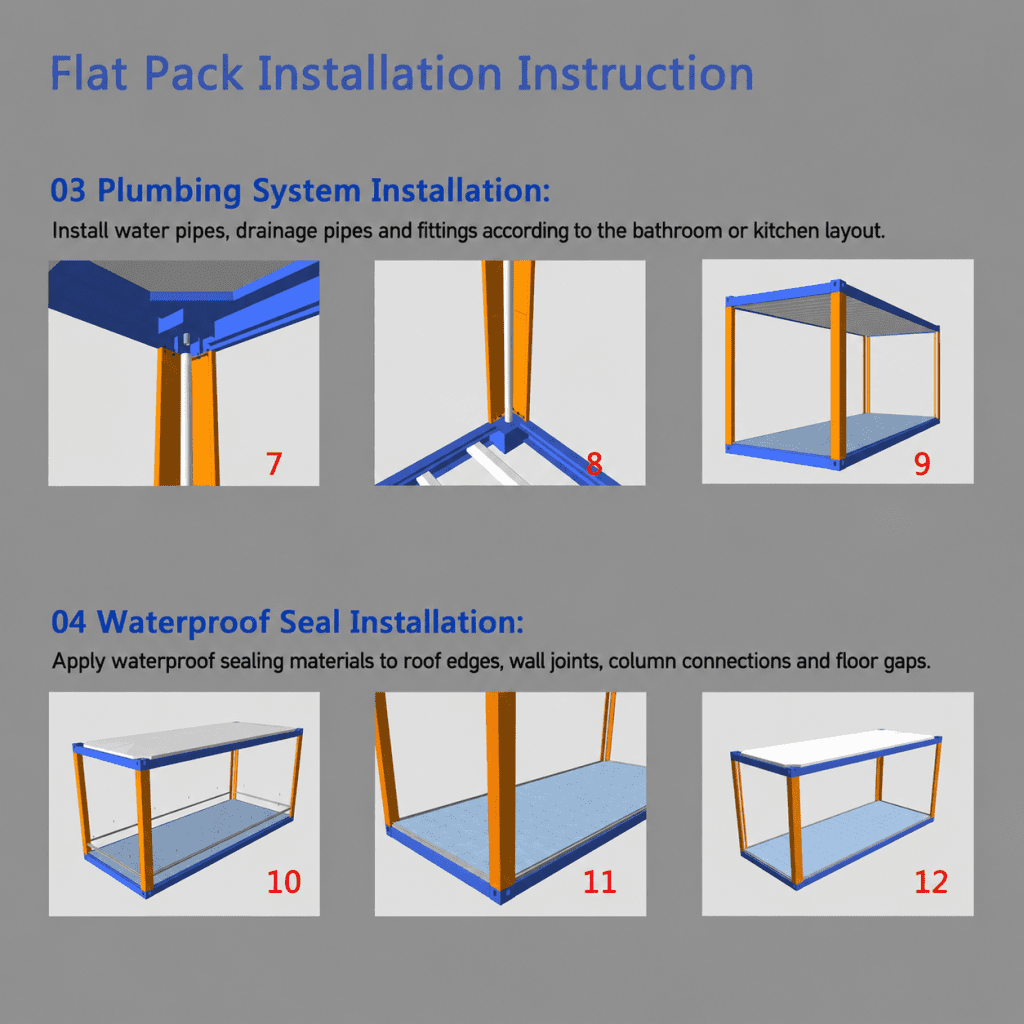
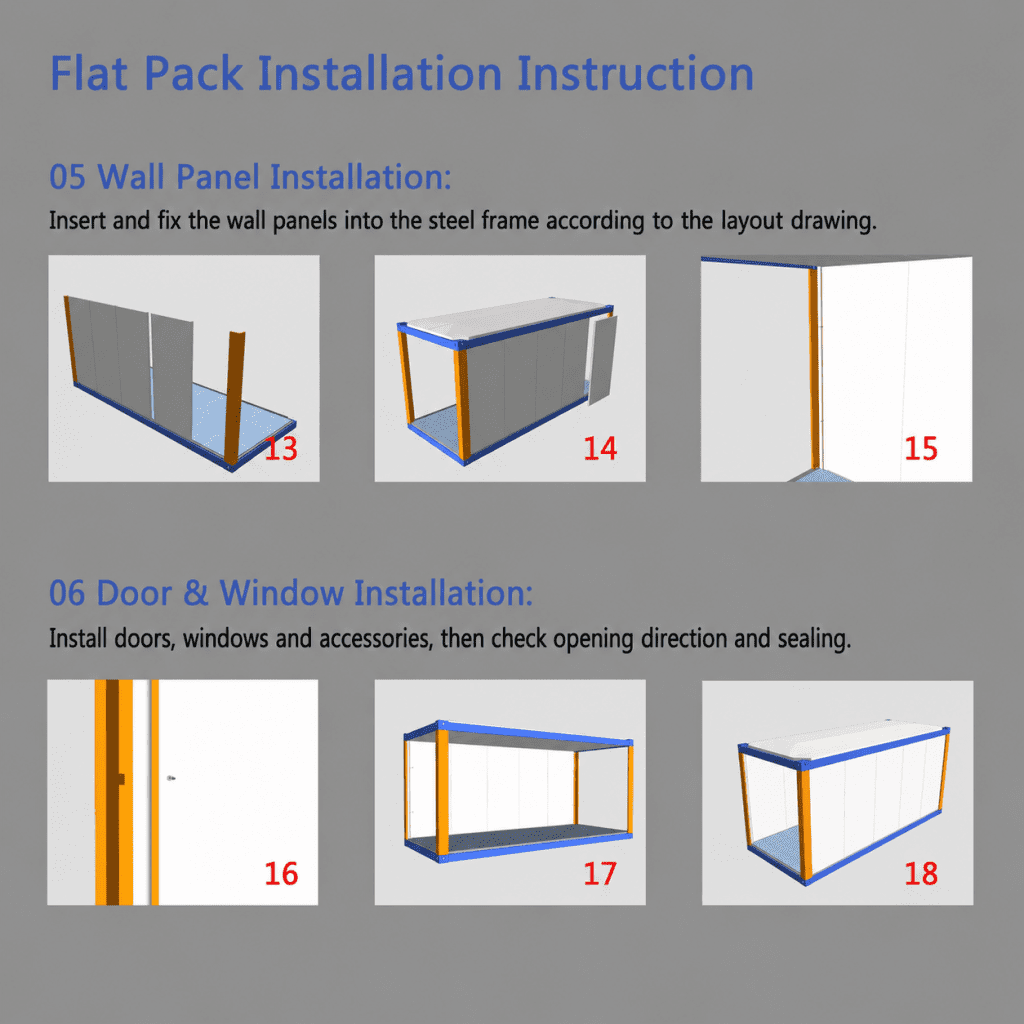
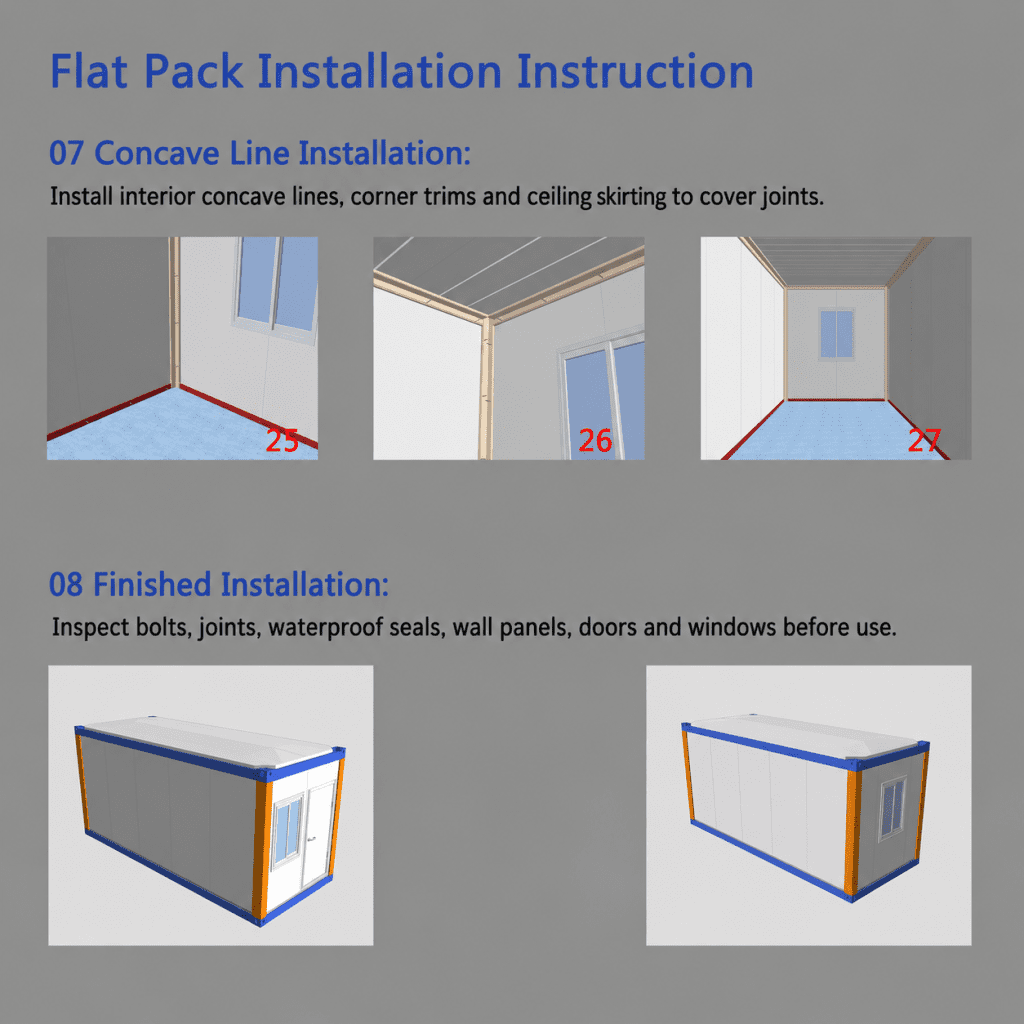
How to Install a Flat Pack Container House
Flat pack container houses are designed for fast on-site assembly. With prefabricated steel frames, roof parts, wall panels, doors, windows and modular connection components, the unit can be installed step by step according to the layout drawing and project requirements.