



How Much to Build a House from Shipping Containers?
The idea of owning a home is changing. With traditional housing costs still going up in 2026, people are looking to industrial innovation to save them. Shipping container architecture, which is still considered a niche trend in architecture, is now a viable and quality option for housing. However, before people jump into this “industrial chic” lifestyle, one must first ask: How much does it cost to build a container house in today’s market?
While a simple DIY container house can be done for a fraction of a brand-new luxury SUV, a custom-built multi-story container house for a family can rival the cost of traditional housing.
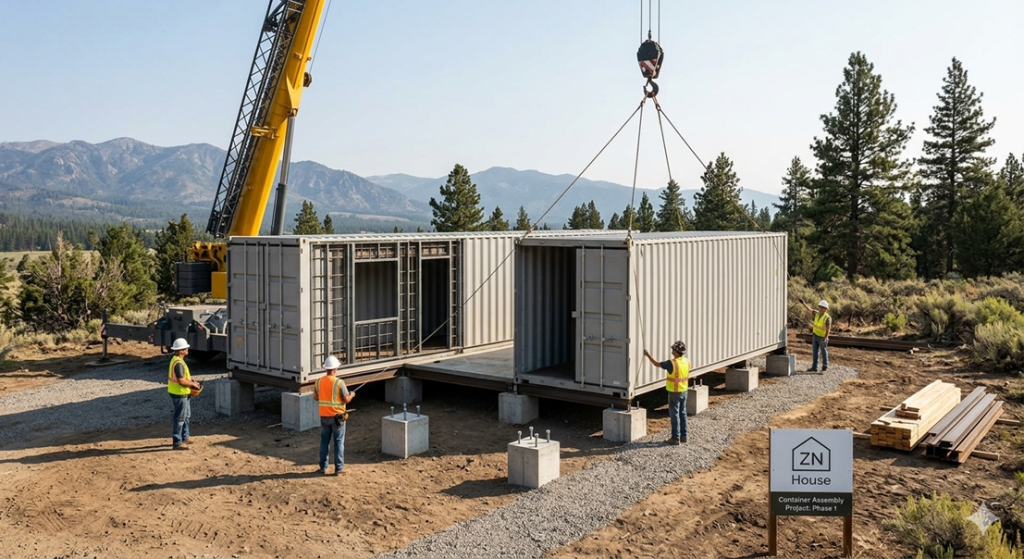
What Is a Shipping Container Home?
A shipping container home is a residential unit constructed from a new or used steel intermodal container. Such homes are modular by nature, which means that they can be used individually (as a tiny home) or linked together like large Lego blocks to create big multi-room living spaces.
Single Container Homes
Most often, a 20ft or 40ft container will be your choice. These containers will be most suited for accessory dwelling units or ADUs, as well as for guest houses or minimalistic spaces.
Multi-Container Homes
By removing interior wall[s] and welding multiple containers together, you may be able to achieve an open-plan living area, allowing you to get away from the traditional limits of a tiny container.
Key Differences Between a Container Home and a Traditional Home
To really understand the value of a container home, you need to look beyond just the price.
Affordability
In general, container homes are typically cheaper than standard homes since they can be around 15-30% cheaper than stick-built homes due to the lower labour costs and shell construction costs.
Mobility
Although they are bolted to a foundation, it is possible for a container house to be “unbolted” and moved to a new location. This is something that a traditional home cannot do.
Speed
Because the “envelope” of a container house is prefabricated, it can be completed in weeks instead of months.
Sustainability
The recycling process may involve melting down the steel in order to recycle it when it might otherwise end up in landfills. Utilizing retired shipping containers contributes to the preservation of space on the planet and decreases the amount of retired shipping containers that are thrown into landfills.
Factors That Affect the Cost of Building a Container Home
If you wish to know how much it would take to construct a house using shipping containers, you would need to consider the following variables:
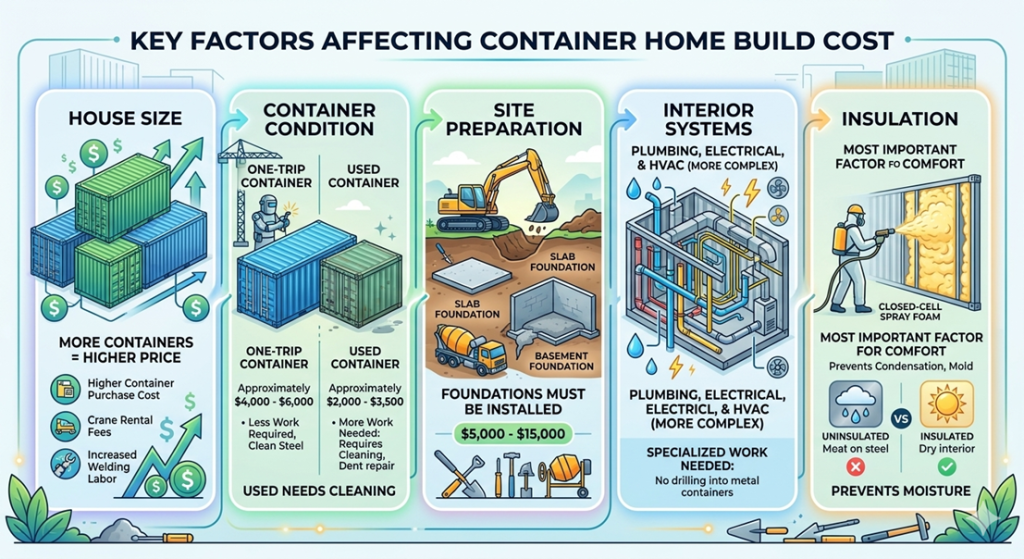
House Size
The more containers used, the higher the price of the containers themselves, as well as crane rental fees and welding labor.
Container Condition
- “One-Trip” Containers: Approximately $4,000 to $6,000.
- Used Containers: $2,000 to $3,500.
More work is required for used containers since they must be cleaned.
Site Preparation
Foundations must be installed. If you install a slab or a basement, this could cost anywhere from $5,000 to $15,000.
Interior Systems
Plumbing, electrical work, and HVAC installation can be much more complex since you cannot drill into the metal containers. Specialized work must be done to install these necessities.
Insulation
This is the most important factor for comfort. The best insulation is closed-cell spray foam to prevent condensation from occurring on the metal containers.
Average Cost to Build a Container Home (2026)
The costs have stabilized since the supply chain volatility of the early 2020s. The following are the costs that you should expect in 2026:
| Build Type | Estimated Cost Range |
| Small DIY Build (20ft) | $15,000 – $35,000 |
| Mid-Range Professional Build | $50,000 – $150,000 |
| Large Custom Multi-Container | $100,000 – $250,000+ |
| Pre-built / Prefab Units | $120 – $300 per sq. ft. |
Advantages and Disadvantages of Container Homes
Building a house using steel modules presents a different way to own one’s home, and it has its benefits and drawbacks. Here is a collection of the benefits and drawbacks of constructing with steel modules so that you may take these into account when you choose to build in 2026.
The Advantages: Why Choose a Container Home?
Exceptional Structural Durability: These homes are manufactured using high-quality Corten steel so they’re naturally flame-resistant and quake-safe by their own nature. Also, they offer the most amount of protection from potentially severe weather conditions due to their incredibly strong metal exterior compared to standard wood-framed houses.
Speed of Construction: With a majority of the structure already in place, the month-long framing process can typically be skipped if you have an efficient crew. An efficient crew can quickly finish a residential project in 8-12 weeks, which saves homeowners a significant amount of money and moves them into their new home much faster.
Eco-Friendly Sustainability: Using a “retired” container for a new building saves around 3,500kg of steel from being remelted. This way, the consumption of timber and bricks is also lessened, which makes it one of the best options for green builders.
Predictable Modular Design: The consistent measurements of the units change the way one plans for additions to the house. It is possible to get a single-unit “tiny home” initially and then simply attach extra modules as your family or the amount of money you have for building grows.
Read this article from our blog to know How to Choose the Right Container House for Your Project.
The Disadvantages: Potential Challenges
Thermal and Condensation Management: Steel is a massive conductor of heat. Without proper closed-cell spray foam insulation, these homes will be extremely hot in the summer and susceptible to internal rust-causing condensation in the winter.
Zoning and Permitting Hurdles: Although 2026 saw additional zoning restrictions at some municipal levels regarding “alternative” methods of construction, when engaging in business with local governments, there could be further financial burden/expense involved.
Structural Reinforcement Costs: The corners of a container are where its strength lies. Every time you remove a wall to get a large window or open-ended living, you will have to put in pricey steel beam supports to keep the structure from collapsing.
Narrow Living Dimensions: A house that has an outside width of just 8 feet will not provide much room for internal living once you add insulation and/or drywall to the walls. The design of the house will help create sufficient volume to make you feel that you have plenty of space inside the home, rather than being cramped.
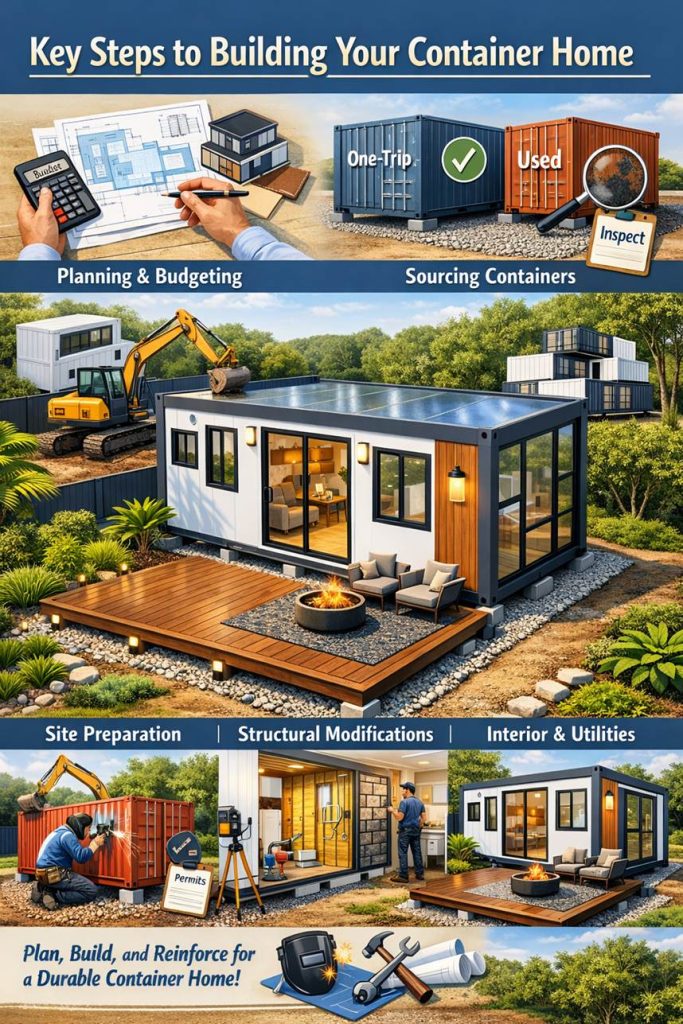
Key Steps to Building Your Container Home
However, building a house using steel modules demands a paradigm shift in the conventional approach to building. In order to effectively manage the amount to build a container house, a workflow is essential.
Planning, Design, and Budgeting
Sourcing and Selecting Containers
The “base” to use is a key decision for longevity. “One-trip” containers are recommended for residential use as they have low wear and no fatigue. When opting for used containers, it’s a good idea to physically inspect for chemical smells (from industrial flooring agents) and significant structural rust. Be sure to get the original certification to ensure steel quality.
Site Preparation and Foundation Work
As the containers are being sourced, your site must be prepared. To build a container home, first you need to prepare the land and establish a foundation. The reason for establishing an elevated foundation is because containers tend to rust when it’s in direct contact with moisture or wet soil; therefore, you must create an elevated foundation to allow adequate rotation of air underneath the chassis as well as provide for drainage underneath.
Structural Modifications and Reinforcement
Once the containers are delivered, the “industrial” process starts. You should use a plasma cutter or torch to make holes for windows and doors into the structure. The corrugated rear and front walls provide structural strength, so all large holes must be reinforced with steel by a professional to avoid the sagging of walls or deterioration of the seal.
Utilities, Insulation, and Interior Finishing
The final phase is where the steel casing is converted into a habitable environment. In this phase, plumbing and electrical lines are “roughed in,” which is followed by the installation of quality insulation. Last step is the framing of structural perimeter walls and applying drywall as to create an inviting space within the residence using an opulent piece of traditional furniture in creating the aesthetic to create a luxurious house.
Frequently Asked Questions (FAQs)
How much does it cost to build a shipping container home?
On average, a professional shipping container home can cost between $50,000 and $150,000, whereas a DIY build can start as low as $15,000.
Are container homes cheaper than traditional houses?
Yes, container homes are 20% cheaper on average, though luxury custom builds can be similar in cost to traditional ones.
What factors affect the container house cost?
The factors that affect the cost of the container house are the container condition (new or used), preparation of the site, type of insulation, and whether you hire a contractor or not.
Can I build a container home myself?
Yes, of course, you can certainly build a container house. However, you need a basic knowledge of welding, electricity, and plumbing codes.
How long does it take to build a container home?
Generally, a simple unit can be completed in 8 to 12 weeks. A complex multi-container home can take 4 to 6 months.
Do container homes require permits?
Yes. Container homes must comply with local building codes, just like a traditional house.
Are container homes safe and durable?
Absolutely. Container homes are made to withstand storms at sea and heavy stacking, making them ideal for earthquake zones.
How can I save money when building a container house?
To reduce costs when constructing a container house, use secondhand containers, perform your own interior finishing work, and design the unit in a basic style.
Can I make a container home eco-friendly?
Absolutely. Use recycled containers, install solar panels, and use low-VOC paints and sustainable insulation. Thus, you can make an eco-friendly container home.
Key Takeaways for Budgeting Your Container Home
Steel box construction is a smart way to avoid the increasing costs of conventional types of lumber and masonry materials. When constructing your next project, always keep in mind the following issues:
Prioritize Insulation: Don’t skimp on this; it is the difference between a home and a hot box.
Check Local Zoning: Before you buy a single steel box, check the zoning of the land you are planning to place it on.
Factor in “Hidden” Costs: Crane rental fees and delivery costs can add $2,000-$5,000 to your budget instantly.
If you’re collaborating with an experienced modular builder like ZN House, you have a dependable basis of strong construction and finance for your project. Shipping containers make an ideal choice as a modular construction foundation for the 2026 season, whether you’re creating a small mountain cabin or a large contemporary home.
To know the details of Container House of ZN House, please click here.
Similar Posts

What Is a Container Camp? The Complete Guide to Modular Workforce Accommodation
All major construction sites share one relentless challenge: Where are workers supposed to sleep while they…
Flat Pack Container Houses vs. Traditional Housing: What’s the Real Difference?
Introduction Increasingly, modern construction projects require building systems that can respond to the changes based on…
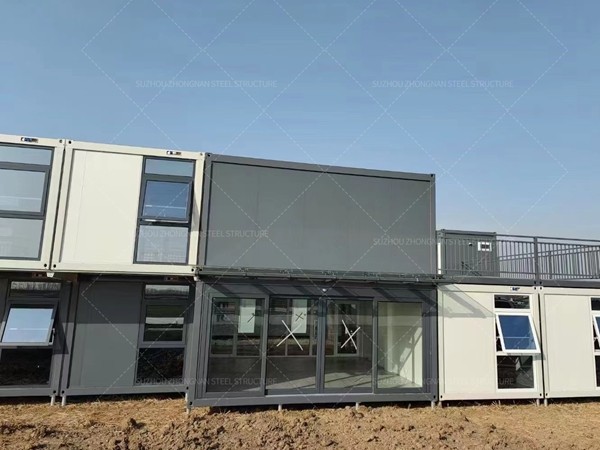
Outdoor Living Spaces in Modular Shipping Container Homes
In the contemporary housing market, the integration of functional and aesthetic outdoor living spaces within modular container…
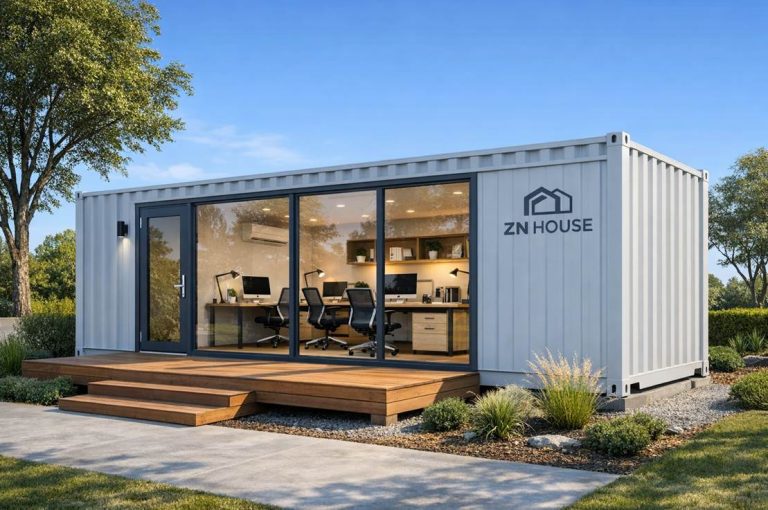
How To Convert a Shipping Container into an Office
An office created using an enclosed metal recycling system from original shipping vessels provides an environmentally…
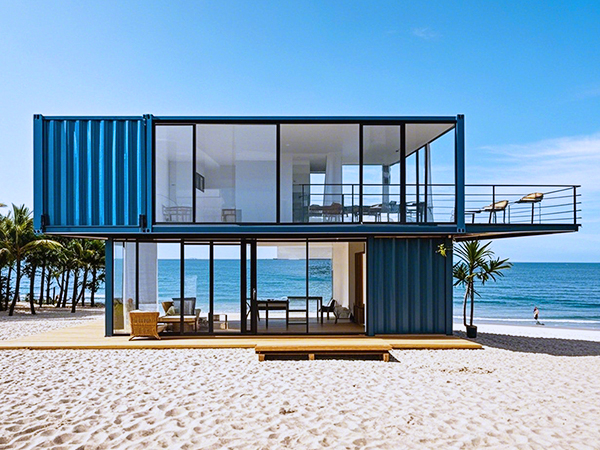
Modern Modular Container House Design Trends
The housing industry is undergoing a revolution with modular container homes for sale leading the charge in sustainable,…

What Is a Container House? Types, Advantages, and How to Choose the Right One
Introduction Over the past several years, the worldwide construction industry has been changed by advances in…


