



Structural Superiority of Quick Assembly Homes for Education
In regions where traditional construction methods are slow, costly, or impractical, quick assembly homes like ZN House’s schools are emerging as game-changers. These assemble container house solutions leverage steel frames and full-weld processes to create structures that are not only durable but also resistant to extreme weather and seismic activity. Unlike conventional brick-and-mortar buildings, these quick to assemble homes prioritize safety and longevity, ensuring that schools remain standing even in disaster-prone areas.
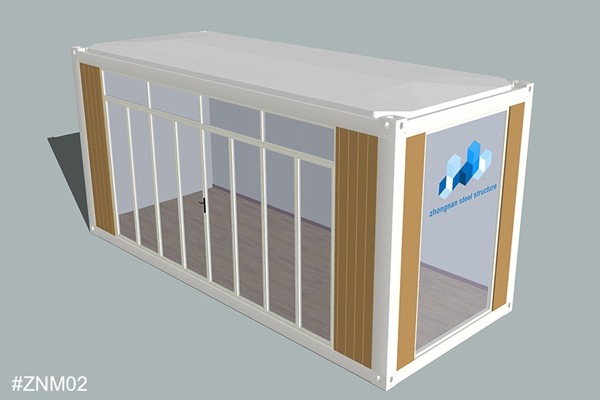
The steel framework of ZN House’s assemble house designs offers unparalleled stability. By distributing weight evenly and minimizing weak points, these structures can withstand high winds and earthquakes—common challenges in developing countries. The modular nature of assemble container house units allows for rapid on-site assembly, reducing construction timelines from months to weeks. This efficiency is critical in areas where children lack access to safe learning environments, enabling communities to address educational gaps swiftly.
Moreover, the flexibility of quick assembly homes supports scalability. Schools can start with a single-story structure and expand vertically to three floors as demand grows, thanks to the load-bearing capacity of the steel frames. This adaptability ensures that educational infrastructure evolves alongside community needs, fostering sustainable development. For governments and NGOs working with limited budgets, ZN House’s quick to assemble homes provide a cost-effective pathway to building resilient, future-ready schools.
Empowering Communities Through Assemble House Solutions
The impact of ZN House’s assemble house projects extends far beyond bricks and steel. By providing safe, functional schools, these structures empower communities to break cycles of poverty and inequality. In rural or conflict-affected areas, assemble container house schools become hubs of hope, offering children a stable environment to learn and grow. The rapid deployment of these buildings ensures that education is not delayed by logistical hurdles, which is especially vital in regions recovering from crises.
One of the standout advantages of quick assembly homes is their ability to integrate into diverse environments. Whether installed in arid landscapes, tropical zones, or mountainous regions, ZN House’s designs are engineered to harmonize with local conditions. The use of corrosion-resistant materials ensures longevity even in humid or saline climates, reducing maintenance costs for communities. Additionally, the modular design allows for customization—windows can be positioned to maximize natural light, and layouts can be adjusted to accommodate cultural preferences or pedagogical needs.
Beyond education, these assemble container house projects often stimulate local economies. The simplified construction process creates jobs for residents trained in assembly techniques, fostering skill development and financial independence. Furthermore, the presence of a school attracts ancillary services, such as healthcare clinics or markets, catalyzing holistic community growth. By addressing both infrastructure and socio-economic challenges, ZN House’s quick to assemble homes exemplify how innovation can drive transformative change.
Sustainability and Resilience in Assemble Container House Design
Sustainability lies at the heart of ZN House’s assemble container house philosophy. These structures are designed to minimize environmental impact while maximizing resource efficiency. The steel used in quick assembly homes is often recyclable, aligning with global efforts to reduce construction waste. Additionally, the precision of factory-based manufacturing reduces material overuse, ensuring that every component serves a purpose.
The energy efficiency of assemble house designs further enhances their appeal. Insulated walls and roofs regulate indoor temperatures, reducing reliance on heating or cooling systems—a significant advantage in off-grid areas. Solar panels can also be integrated into the structure, turning schools into self-sufficient energy hubs. This focus on sustainability not only lowers operational costs but also teaches students the value of environmental stewardship through real-world examples.
Resilience is another cornerstone of ZN House’s quick to assemble homes. By withstanding natural disasters, these buildings protect both lives and investments. In flood-prone regions, elevated foundations prevent water damage, while reinforced frames ensure structural integrity during earthquakes. For communities that have historically faced disruptions in education due to climate-related events, assemble container house schools offer a reliable solution to maintaining continuity in learning.
The Future of Education Infrastructure: Quick to Assemble Homes
As urbanization and population growth strain existing infrastructure, the demand for quick to assemble homes like ZN House’s schools will only intensify. These structures represent a shift toward agile, scalable solutions that prioritize human needs over conventional construction paradigms. Future iterations may incorporate smart technologies, such as IoT-enabled climate control or digital classrooms, further enhancing their functionality.
The modularity of assemble container house designs also opens doors for hybrid use cases. Schools could double as emergency shelters during crises or community centers after hours, maximizing their societal value. As awareness grows about the limitations of traditional building methods, ZN House’s quick assembly homes are poised to become the standard for educational infrastructure in developing nations.
Collaborations between governments, NGOs, and private entities will be crucial to scaling these solutions. By fostering partnerships, ZN House can extend its reach to underserved regions, ensuring that every child has access to a safe, modern learning environment. The vision is clear: a world where geography or economic status no longer dictates educational opportunities, thanks to the transformative power of assemble house technology.
FAQs: ZN House Assembled Schools
How long does it take to assemble a ZN House school?
The timeline varies based on size and complexity, but quick assembly homes are designed for rapid deployment, significantly faster than traditional construction.
Are assemble container houses safe for children?
Absolutely. ZN House’s assemble container house designs meet rigorous safety standards, with features like earthquake-resistant frames and fire-retardant materials.
Can assemble container house schools be customized for different climates?
Yes! ZN House offers adaptable assemble house solutions, including insulation and ventilation options tailored to specific environmental conditions.
Do assemble container houses require special maintenance?
Minimal maintenance is needed. The durable materials used in quick to assemble homes ensure long-term performance with routine checks.
How do ZN House schools support sustainable development?
By using recyclable materials and energy-efficient designs, assemble container house projects align with eco-friendly goals while reducing operational costs.
Transform communities and uplift generations with ZN House’s innovative quick assembly homes. Visit our website to explore our range of assemble container house solutions tailored for schools, clinics, and community centers. Join us in creating safer, smarter, and more sustainable educational spaces—request a quote today and be part of the change!
Similar Posts

Why Startups Are Choosing Easy Assemble House Solutions
The rise of assemble container house designs has revolutionized the concept of co-working spaces, offering startups and…
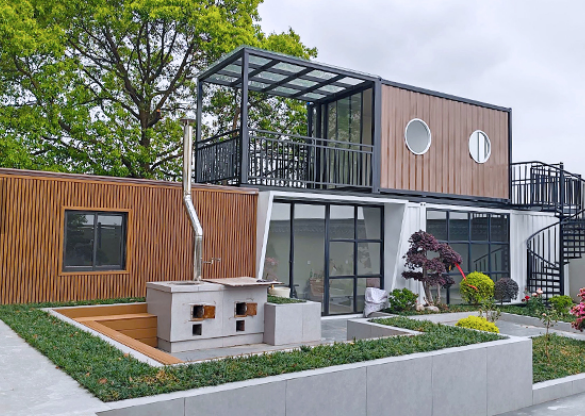
Prefab Container Houses for Modern Living
Prefab container houses are changing the landscape of modern housing by offering highly practical, eco-friendly, and cost-efficient…
Redefining Cost-Efficiency with Quick Assembly Homes
The construction industry is undergoing a transformative shift with the rise of quick assembly homes, which…

Innovative Container Homes: The Future of Affordable Living
Container homes are becoming increasingly popular worldwide, as people seek affordable, sustainable, and unique housing options….
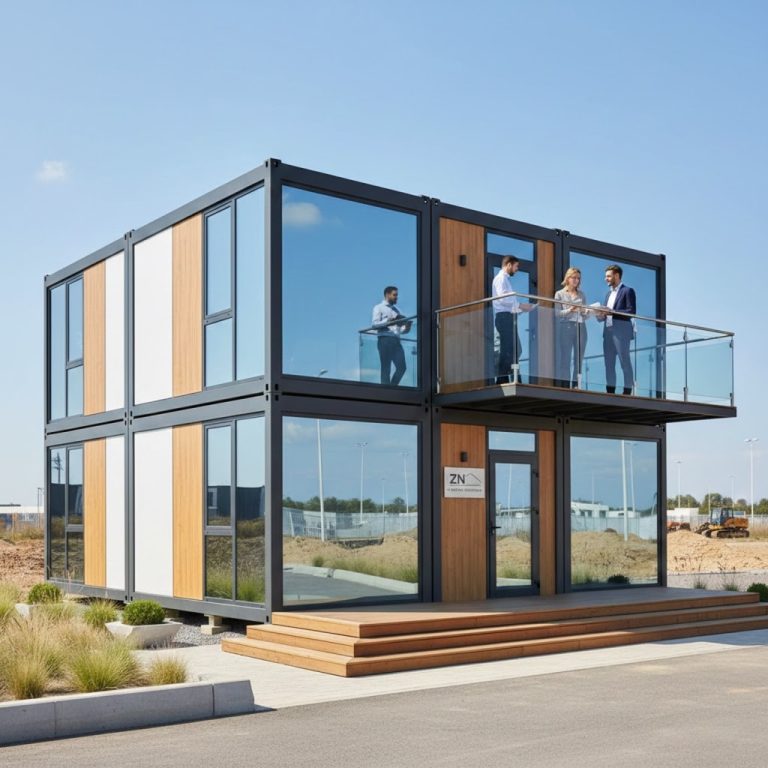
Maximizing Workplace Efficiency with a Modular Container Office
The present-day working environment requires the ability to adapt quickly. Generally, the conventional office setups come…
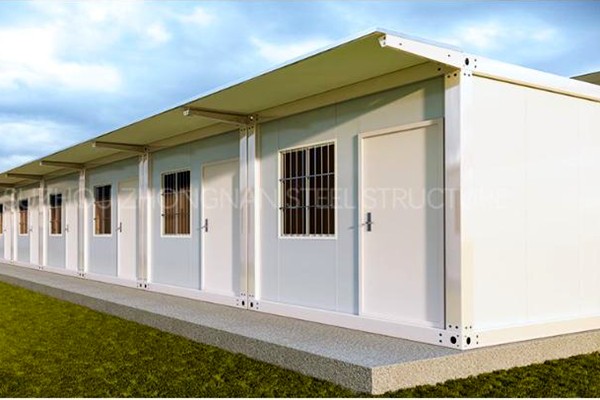
Creating Outdoor Spaces With Easy Assemble House
Imagine transforming an empty backyard into a serene home office, a vibrant café terrace, or an…


