



Assemble House Container Home Cost Breakdown
In the evolving world of housing, assemble house and assemble container house have emerged as popular alternatives, attracting those seeking affordability, flexibility, and sustainability. A common question among prospective homeowners is “how much for a container home?” Unraveling the cost breakdown of these housing options is essential for making informed decisions and planning budgets effectively. Whether you’re considering a simple, functional living space or a customized, luxurious abode, understanding the financial aspects of assemble house and assemble container house projects is key to a successful venture.
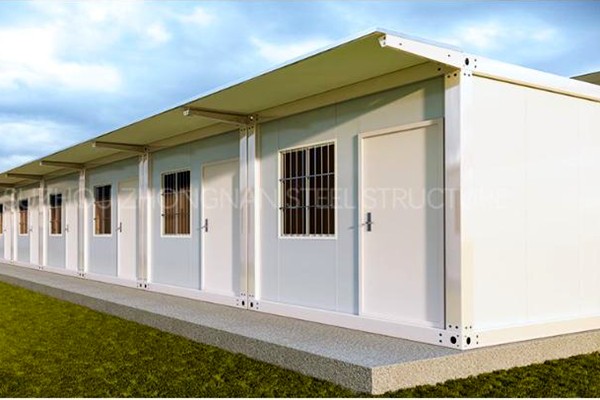
Initial Acquisition Costs of Assemble Container House
The journey of building an assemble container house begins with the acquisition of shipping containers, which forms a significant portion of the initial investment. The price of these containers can vary widely based on factors such as size, condition, and age. Larger containers typically come at a higher cost, while those with visible damage or wear may be more affordable but could require additional repairs and maintenance down the line. The source of the containers also impacts the price; obtaining them from certain regions or suppliers might be more expensive due to factors like transportation and availability. Additionally, if you have specific requirements, such as a particular color or pre – modified features, these can further increase the cost. Once the containers are selected, transportation to the building site adds another layer of expense, depending on the distance and the mode of transport chosen.
Construction and Assembly Expenses for Assemble House
For both assemble house and assemble container house, the construction and assembly phase incurs various costs. In the case of assemble house, the procurement of building materials, from lumber and concrete to roofing and siding, contributes significantly to the budget. The quality and type of materials chosen can greatly affect the overall cost; opting for high – end, sustainable materials will naturally be more expensive than standard options. Labor costs are also a major factor, as skilled workers are needed for tasks such as framing, plumbing, electrical work, and finishing. The complexity of the design and the size of the house can increase the amount of labor required, thereby driving up expenses.
Interior Finishing Costs for Container Home
Once the structure of a container home or assemble house is in place, the interior finishing stage adds another dimension to the cost breakdown. Interior design choices, such as flooring, wall finishes, cabinetry, and fixtures, can vary widely in price. For a container home, insulation is crucial to maintain a comfortable indoor temperature, and the type of insulation selected, whether it’s spray foam, fiberglass, or another material, will impact the cost. Installing plumbing and electrical systems, including outlets, lighting fixtures, and plumbing fixtures like sinks and toilets, also requires a financial investment.
Comparing Costs Assemble House vs Assemble Container House
When considering “how much for a container home” versus an assemble house, a detailed cost comparison is essential. Generally, assemble container house projects can offer cost savings in the initial stages due to the pre – fabricated nature of the containers, which reduces the need for extensive on – site construction. However, customization and modification costs for containers can quickly add up, especially if complex designs are desired. Assemble house projects, on the other hand, may have higher upfront material and labor costs but offer more flexibility in design from the ground up.
How Much for a Container Home FAQS
What are the major cost components of an assemble container house?
The major cost components of an assemble container house include the acquisition of shipping containers, which can vary based on size, condition, and source. Transportation costs to move the containers to the building site are also significant. Construction and assembly expenses involve modifying the containers, such as cutting openings and reinforcing the structure, along with the labor and tools required for these tasks. Interior finishing costs for insulation, flooring, plumbing, and electrical systems, as well as fixtures and cabinetry, add to the overall budget. Additionally, hidden costs like permits, utility connections, and potential site – specific issues can contribute to the total cost.
Can reduce the cost of an assemble house project?
Yes, there are several ways to reduce the cost of an assemble house project. Opt for more budget – friendly building materials without sacrificing quality. Consider doing some of the labor yourself if you have the necessary skills, such as painting or basic carpentry work. Simplify the design of the house to reduce the complexity of construction and the amount of materials needed. Shop around for the best prices on materials and hire contractors during off – peak seasons when labor costs may be lower. Planning the project thoroughly and obtaining multiple quotes can also help identify cost – saving opportunities.
How do estimate the cost of interior finishing for a container home?
To estimate the cost of interior finishing for a container home, start by determining the scope of work. Decide on the type of flooring, wall finishes, and cabinetry you want, and research the prices of these materials in the market. Consider the size of the living space; larger areas will require more materials. Factor in the cost of insulation, plumbing, and electrical systems, including fixtures and appliances. Obtain quotes from contractors or suppliers for installation services if you’re not doing the work yourself. It’s also advisable to add a contingency fund of around 10 – 15% of the estimated cost to account for any unexpected expenses that may arise during the finishing process.
Are there long – term cost differences between assemble house and assemble container house?
Yes, there can be long – term cost differences between assemble house and assemble container house. Assemble container house may have lower initial construction costs in some cases, but if the containers are not properly maintained, rust and structural issues can develop over time, leading to higher repair costs. Energy efficiency can also vary; a well – designed assemble house with proper insulation and energy – saving features may have lower utility bills in the long run. Resale value is another factor; the market’s perception of assemble container house compared to traditional assemble house can impact the return on investment when it comes time to sell. Maintenance requirements, such as painting and roof repairs, can also differ between the two types of housing, affecting long – term costs.
What should do if my assemble house or container home project exceeds the budget?
If your assemble house or container home project exceeds the budget, first review the cost breakdown to identify where the overruns occurred. Look for areas where you can make adjustments without sacrificing the quality and functionality of the home. This could involve reevaluating some of the design choices or opting for more affordable materials. Consider negotiating with contractors or suppliers for better prices or payment terms. If possible, trim non – essential features or postpone certain aspects of the project until additional funds are available. It’s also important to communicate openly with all parties involved in the project to find solutions and prevent further cost increases.
Similar Posts
Easy Assemble House Weatherproof Build
Easy Assemble House has become a game-changer in flexible housing solutions, catering to sectors like construction, mining,…

Shipping container tiny homes eco-friendly building materials
Shipping container tiny homes eco-friendly building materials have become a benchmark for sustainable housing, addressing often-overlooked…
Integrating Prefab Container Houses into Urban Landscapes
Urban landscapes are constantly evolving, driven by the need for sustainable, efficient, and adaptable housing solutions….

Compact Living with Maximum Efficiency
The tiny house for sale shipping container concept has gained popularity as people seek affordable, sustainable, and…

Folding Container House for Sale Size Options
In the dynamic world of modern housing solutions, folding container house for sale options have gained significant traction,…

Rapid Deployment Foldable Container Homes Post-Disaster
Natural disasters leave devastation in their wake, demanding swift, effective humanitarian responses. Among the most critical…


