



Modular Container House Disaster Relief Deployment Tactics
Natural disasters demand rapid, resilient housing solutions that transcend traditional construction limitations. Modular container house systems have emerged as a cornerstone of humanitarian architecture, combining speed, durability, and adaptability. Founded in 2005 in Suzhou, ZN House pioneered this sector by addressing critical gaps in high-quality, safety-certified emergency shelters. With nearly two decades of expertise, the company now exports to over 50 countries through 30+ international agents, leveraging a collaborative team approach to deliver scalable solutions. ZN House’s core mission—”Building Mobile Homes For The World”—drives innovations in prefab modular container house technology, enabling governments and NGOs to deploy entire communities within days of a catastrophe.

Strategic Advantages of Modular Container House Systems in Crisis Zones
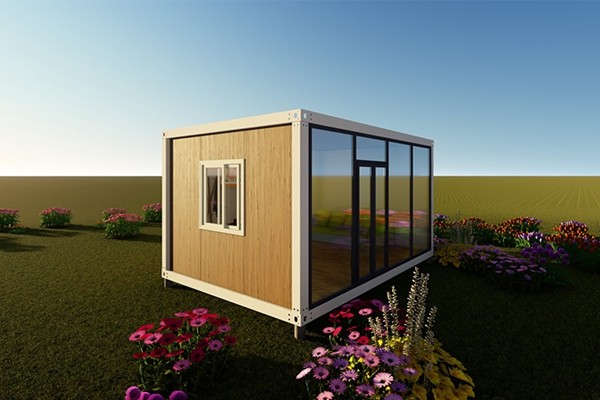
Modular container house units excel in disaster response due to their structural resilience and logistical efficiency. Engineered with anti-rust galvanized steel frames and waterproof sandwich panels, these structures withstand floods, earthquakes, and extreme temperatures. ZN House’s corten steel-based designs, refined since 2005, resist corrosion while maintaining thermal insulation. Unlike temporary tents, these units serve as semi-permanent settlements, with standardized dimensions streamlining air/sea freight. A single 40-ft container can house 8-10 occupants, while integrated plumbing/electrical conduits accelerate on-site utility integration.
Rapid Deployment Protocols for Prefab Modular Container House Units
Speed defines effective disaster relief. Prefab modular container house solutions reduce setup time by 90% compared to conventional builds. ZN House pre-assembles roofs, floors, and wall panels in factories, shipping them with all accessories. On-site, workers simply bolt components together—no heavy machinery required. For the 2023 Türkiye earthquake, ZN House deployed 200 units in 72 hours using this “flat-pack” system. The process includes pre-installed HVAC ports and electrical junction boxes, enabling aid groups to functionalize shelters within hours. This methodology transforms shipping containers into clinics, command centers, or dormitories without structural modifications.
Customization and Scalability of Modular Container Homes for Relief Operations
Disaster scenarios demand functional versatility. Modular container homes adapt dynamically: single units become medical triage zones; interconnected clusters form schools or community kitchens. ZN House offers configurable layouts—partition walls, window placements, and door orientations—tailored to site constraints. After the 2022 Pakistan floods, stacked units created two-story housing on elevated platforms. Interior customization includes insulation upgrades for Arctic zones or ventilation-enhanced designs for tropical regions. Critically, these homes scale exponentially—ZN House’s global supply chain can mobilize 5,000+ units monthly through its Suzhou hub and international agent network.
Durability and Sustainability of Modular Container House Communities
Long-term recovery requires sustainable infrastructure. Modular container house settlements avoid the waste cycle of temporary shelters. ZN House’s corrosion-resistant materials ensure 15-20 year lifespans, with units repurposed into permanent housing post-crisis. Solar panel roofs, rainwater harvesting systems, and passive cooling designs reduce resource dependence—a key advantage in infrastructure-deprived areas. Post-2021 Haiti hurricane deployments demonstrated 40% lower carbon footprints than traditional builds due to reduced concrete usage and reusable foundations.
FAQs About Modular Container House Disaster Response
How quickly can a modular container house be operational post-delivery?
With pre-assembled components, 4-6 workers can erect a 20-ft unit in under 3 hours. Utilities integration adds 1-2 hours using standardized hookups.
What distinguishes ZN House’s prefab modular container house weather resistance?
Galvanized steel frames and marine-grade sandwich panels endure winds up to 150 km/h, -40°C to 80°C temperatures, and 98% humidity. Sealed seams prevent floodwater ingress.
Can modular container homes integrate renewable energy systems?
Yes. Roofs support solar arrays, while wall cavities accommodate battery storage. Units can function off-grid for 72+ hours.
How are sanitation facilities incorporated into modular container house clusters?
Centralized utility blocks (toilets/showers) connect via modular plumbing corridors. Greywater treatment units attach directly to foundations.
What customization is possible for medical modular container homes?
Negative-pressure isolation wings, UV sterilization entryways, and pass-through medication windows can be factory-installed pre-shipment.
Modular container house systems revolutionize disaster relief through engineered speed and resilience. ZN House’s global deployment framework—honed since 2005—proves that prefabricated shelters transcend temporary aid: they become sustainable communities. By merging corten steel durability with logistical agility, these units transform crisis response from reactive stopgaps into proactive recovery architectures. As climate emergencies intensify, scalable prefab modular container house solutions will increasingly define humanitarian effectiveness—turning displacement into dignity, one modular unit at a time.
Similar Posts

Cost Benefits of Easy Assemble Houses Today
The global demand for affordable, rapid, and sustainable housing solutions is surging. Traditional construction faces challenges…
Minimalist Living in Flat Pack Tiny Houses
Minimalist Living in Flat Pack Tiny Houses has redefined intentional, low-carbon housing by merging the efficiency…

Flat Pack Tiny Homes Portable Comfort
In the ever – changing housing landscape, flat pack house, flat pack container house, and flat…

Pop-Up Hotels & Cafés Made from Modular Container Homes: Innovating Commercial Spaces
In today’s fast-paced world, the demand for innovative and sustainable commercial solutions is higher than ever….
Flat Pack Homes Winter Insulation Techniques
Flat Pack Homes Winter Insulation Techniques are essential for enhancing the comfort, energy efficiency, and longevity…
Container Classroom Prices & Layouts: A Practical Guide for Schools
Why schools are choosing container classrooms When enrollment spikes or buildings are under renovation, schools need…


