



Flat Pack Homes Insulation for Cold Mountain Areas
At Suzhou Zhongnan Steel Structure Co., Ltd., our 20-year expertise in prefabricated housing has taught us that every environment demands a tailored solution—especially cold mountain areas, where insulation isn’t just a comfort feature, but a necessity. We’ve dedicated years to refining flat pack house systems, with insulation technology that stands up to freezing temperatures, heavy snow, and harsh winds. Our core values—adaptability, precision, and reliability—shape every design, because we know that mountain communities need homes that stay warm, reduce energy use, and withstand the elements year-round. Whether for remote villages, ski resort staff quarters, or mountain research stations, every flat pack home bearing the Suzhou Zhongnan Steel Structure Co., Ltd. name carries our promise: to turn compact, easy-to-assemble housing into a warm, safe haven in even the coldest landscapes.

Flat Pack House Uses Multi-Layer Insulation for Cold Mountain Temperatures
- Flat pack house from Suzhou Zhongnan Steel Structure Co., Ltd. uses multi-layer insulation to trap heat and repel cold in mountain areas, ensuring consistent indoor temperatures even when outdoor conditions plummet.
- Our flat pack house integrates three key insulation layers: a high-density foam core that blocks conductive heat loss, a reflective membrane that reflects outdoor cold away from the structure, and a vapor barrier that prevents moisture buildup (a common issue in cold climates that degrades insulation over time).
- These layers are pre-installed in factory-made panels, so during assembly, there’s no risk of gaps or uneven coverage—critical for maintaining insulation efficiency. A mountain village using our flat pack house reported that indoor temperatures stayed above 18°C even when outdoor temperatures dropped below -15°C, with minimal reliance on heating systems.
- For us, multi-layer insulation in flat pack house design isn’t just about warmth; it’s about creating sustainable, low-energy homes that fit mountain life.
Flat Pack Homes Reinforce Insulation at Heat-Loss Points
- Flat pack homes by Suzhou Zhongnan Steel Structure Co., Ltd. reinforce insulation at key heat-loss points, addressing the “weak spots” that often undermine cold-climate housing. We know that in mountain areas, most heat escapes through windows, doors, and roof joints—so our flat pack homes include specialized solutions for each: triple-glazed windows with low-emissivity coatings that trap heat, insulated door frames with weatherstripping to block drafts, and roof panels with extra-thick insulation that resists snow melt and heat seepage.
- We also seal all panel joints with flexible, cold-resistant adhesives that expand and contract with temperature changes, preventing gaps from forming over time. A ski resort using our flat pack homes for staff accommodation noted that utility bills were 40% lower than traditional mountain cabins, thanks to reduced heat loss. This focus on heat-loss points reflects our understanding: effective insulation in flat pack homes isn’t just about adding layers—it’s about targeting the places where warmth escapes most easily.
Flat Pack Houses for Sale Adapt Insulation to Mountain Altitude Variations
- Flat pack houses for sale from Suzhou Zhongnan Steel Structure Co., Ltd. adapt insulation thickness and type to mountain altitude variations, recognizing that higher elevations bring colder temperatures and harsher winds.
- Our flat pack houses for sale offer three insulation tiers: a standard option for lower mountain areas (where winters are milder), a heavy-duty option for mid-altitudes (with frequent snow and freezing winds), and an extreme-insulation option for high mountain regions (where temperatures stay below freezing for months).
- Each tier uses materials tested for the specific conditions of its target altitude—for example, extreme-insulation models include fire-resistant insulation (critical for areas at risk of wildfires) and wind-resistant membranes (to stand up to high-altitude gusts).
- A mountain research station using our extreme-insulation flat pack houses for sale reported that even during blizzards, indoor conditions remained stable, allowing research to continue uninterrupted. For us, altitude-adapted insulation is a mark of precision; flat pack houses for sale should perform as well at 3,000 meters as they do at 1,000 meters.
Flat Pack Home FAQs
How Does the Insulation in Your Flat Pack House Perform in Areas with Frequent Freeze-Thaw Cycles?
Our flat pack house insulation is engineered to withstand freeze-thaw cycles. The vapor barrier prevents moisture buildup (which freezes and damages insulation), and flexible insulation materials expand/contract with temperature changes, maintaining their heat-trapping ability even after repeated cycles.
Can Flat Pack Homes Be Upgraded with Additional Insulation for Extra-Cold Mountain Regions?
Yes, our flat pack homes can be upgraded with additional insulation. We offer optional insulation panels that fit seamlessly into existing wall and roof structures, allowing homeowners to boost warmth for extra-cold regions without redesigning the entire home.
Do Flat Pack Houses for Sale Include Insulation for Floors to Prevent Cold from Mountain Ground?
Absolutely, our flat pack houses for sale include floor insulation. We use rigid foam insulation beneath the floor panels, paired with a moisture barrier, to block cold from the frozen mountain ground and keep indoor floors warm underfoot.
How Do You Ensure Insulation Panels in Flat Pack House Stay Aligned During Assembly in Mountain Terrain?
Our flat pack house insulation panels feature interlocking edges and pre-marked alignment guides that ensure proper fit, even on uneven mountain terrain. The panels attach directly to the frame’s pre-drilled holes, eliminating guesswork and preventing misalignment that gaps heat.
Is the Insulation in Your Flat Pack Homes Eco-Friendly for Sensitive Mountain Ecosystems?
Yes, the insulation in our flat pack homes is eco-friendly. We use non-toxic, recyclable insulation materials that don’t leach harmful substances into mountain soil or water, and the energy efficiency of our insulation reduces carbon footprints—protecting sensitive mountain ecosystems.
Similar Posts
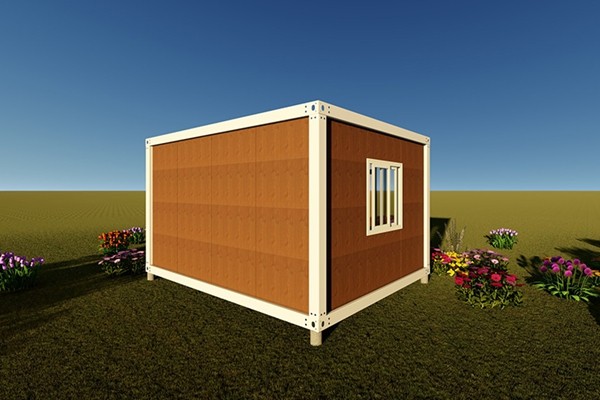
Explore the Convenience of Flat Pack Houses: A Smart Choice for Modern Living
In the fast-evolving world of construction, flat pack houses have emerged as a groundbreaking solution for…

Smart Living Starts with a Folding Container House
The housing industry is experiencing a wave of innovation led by efficient, mobile, and modular solutions….
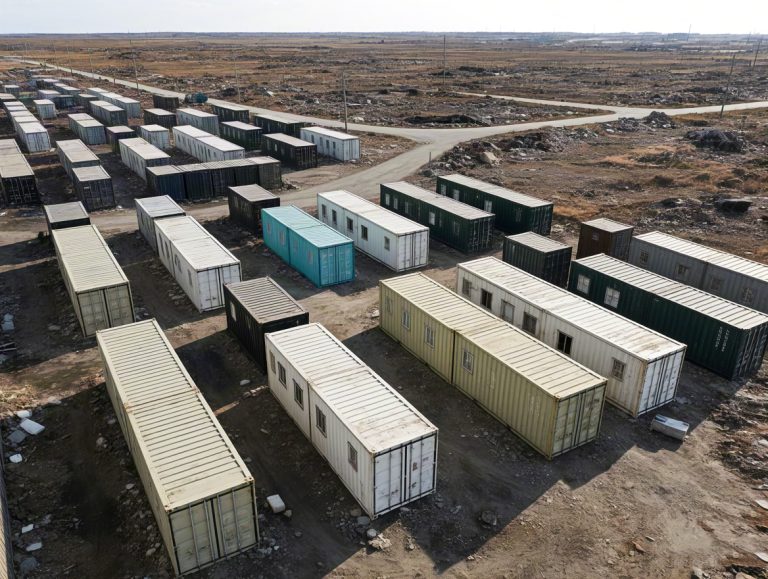
Revolutionizing Refugee Housing with Modular Container Homes
The global refugee crisis demands innovative, scalable solutions, and container homes modular designs are emerging as a…

Flexible Solutions With Collapsible Container House
In the modern housing market, collapsible container house solutions have emerged as practical, innovative, and eco-friendly alternatives…
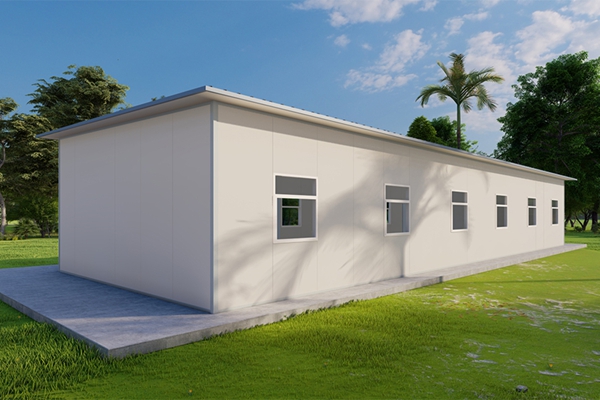
Prefab House for Sale Fast Assembly
Prefab house for sale has become a cornerstone of efficient housing solutions, catering to sectors ranging from…
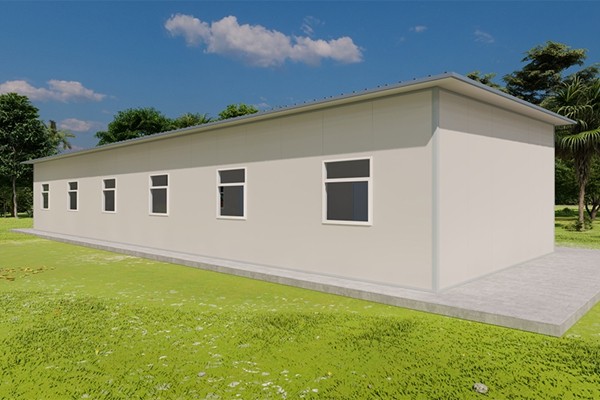
Integrating Prefab Container Houses into Urban Landscapes
Urban landscapes are constantly evolving, driven by the need for sustainable, efficient, and adaptable housing solutions….


