



Buying Container Houses from China: Factory vs Trader, QA & Incoterms
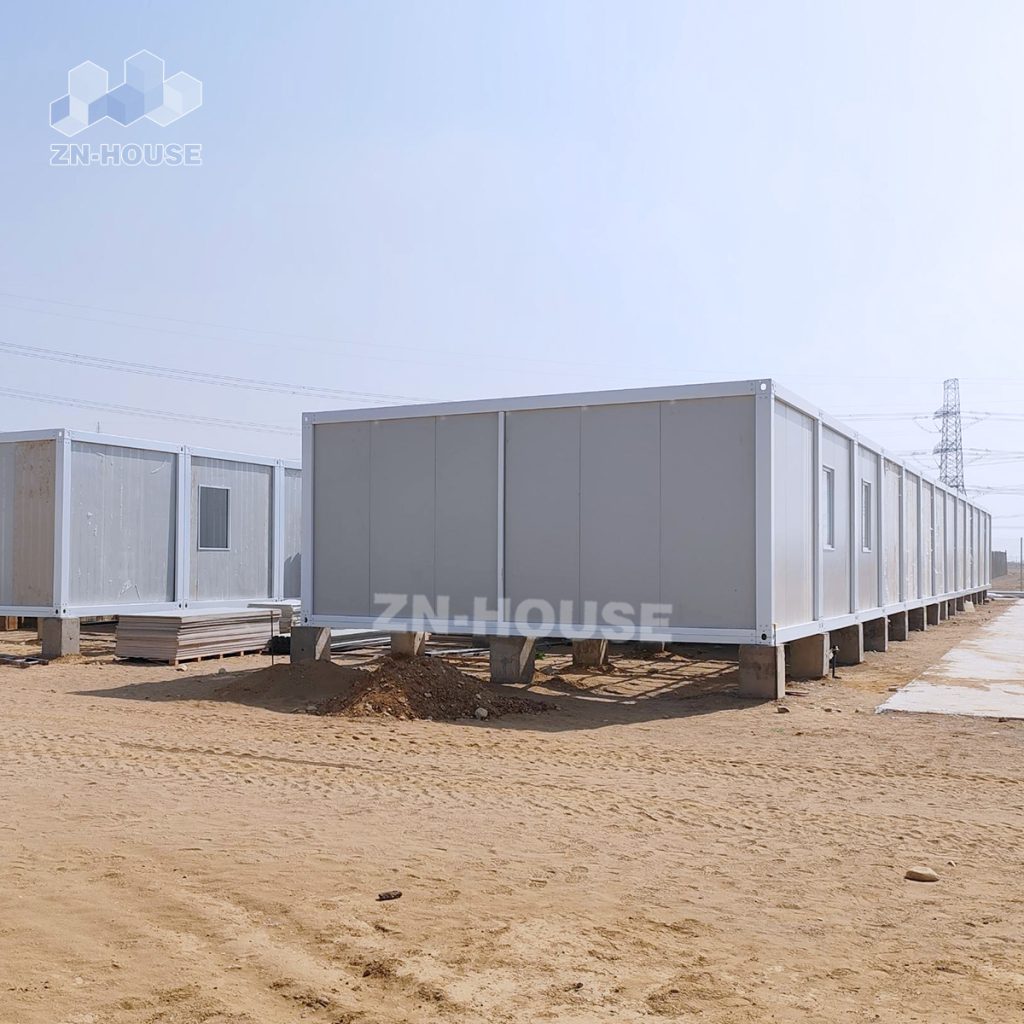
Why source from China (and what you can actually buy)
Container Houses from China are becoming more and more popular. China’s ecosystem of container house factory networks builds almost every variant you’ll need:
- Flat pack container house / flat pack house — densest freight, ideal for fleets of container office, container classroom, container dormitory, and site office container modules.
- Foldable container house / foldable house container — rapid deployment for refugee camp, emergency containers, disaster relief containers, and pop-up offices.
- Expandable & detachable container house — larger footprint per unit for residential, container hotel, tiny house container, u shaped container house, or premium admin suites.
- Converted ISO modules — rugged frames for shipping container office, shipping container shop, shipping container store, shipping container toilets, and storage container office/buildings.
You’ll see offers labeled chinese container house. The value is real—but only if your process is.
Container House from China: Factory vs trader: who should you buy from?
Factory (OEM / house container factory)
Pros: direct engineering, better control of BOM, easier mock-ups, faster line changes.
Consider: MOQs, limited English documentation at smaller plants, slower samples if the line is busy.
Trader / integrator (container supplier)
Pros: one point of contact, multiple factories, easier bundling (e.g., container toilets for sale + container office for sale + furniture), better export paperwork.
Consider: margin on top, variable visibility into factory QA.
How to choose:
- If you need customised containers/customised shipping containers or complex MEP (container hospital pods, lab rooms), go factory or a trader who controls the factory line.
- If you want mixed products (offices + WASH + classrooms) across short timelines, a capable trader coordinating multiple plants can be faster.
The sourcing workflow (10 steps that prevent headaches)
1) Shortlist real suppliers
- Ask for business license, ISO/QMS certificates, welding qualifications, and recent third-party audits.
- Request a client list and photos of recent shipments (not just showroom units).
- Check they’ve built your use-case before (e.g., container classroom, mining camp, container dormitory philippines, container house in saudi arabia, container house malaysia).
2) Issue a one-page RFQ spec pack
Send the same spec to every vendor so quotes are apples-to-apples:
- Module type & size (20-ft, 40-ft, 2 story shipping container house, double-wide)
- Envelope: insulation (PIR/rockwool/closed-cell foam), target U-values, thermal breaks, glazing spec
- MEP: electrics (amperage, outlets), HVAC tonnage/fresh-air rates, plumbing (fixtures, water heater), data points
- WASH: fixtures, waterproofing (coved skirting), vent stacks (for toilet container suppliers)
- Fire & egress: rated walls/doors, hardware, exit signage
- Finishes: walls/ceilings, flooring (SPC/vinyl/anti-slip), cabinets
- Climate/codes: PH/MY (hot-humid), KSA (hot-arid), USA/EU (temperate, energy code)
- Docs & tests: GA drawings, BOM, electrical test, watertightness, load tests, coating system
- Options: acoustic package (soundproof shipping container), solar pre-wire, ramps, branding
- Freight & install: delivery window, cranage, foundations (pads/pier blocks)
3) Evaluate line-by-line
Make a scorecard: Spec compliance (30%), Price (25%), Lead time (20%), QA/docs (15%), Warranty/Service (10%).
Cheaper quotes often cut insulation thickness, window spec, HVAC capacity, or WASH quality—spot it early.
4) Mock-ups & samples
Before mass production, approve a corner mock-up (wall-roof junction), a door set, and (if relevant) a bathroom pod. Confirm seals, flashings, thresholds, and fixings.
5) Contract terms & payments
- Use Incoterms® 2020 clearly in the contract.
- Typical payment: 30% deposit by T/T, 70% post pre-shipment inspection (PSI) and before BL—OR a sight LC if project requires.
- Lock in a warranty (structure, envelope, MEP) and spares kit (hinges, locks, seals, electrical accessories).
6) Production oversight
Ask for dated photos/videos at key stages: frame, envelope, MEP rough-in, finishes. Request serials for major components (HVAC, breakers, fixtures).
7) Factory tests & PSI
Have the factory run and record:
- Electrical: insulation resistance, earth continuity, load checks
- Plumbing: pressure test, trap seal tests, leak checks
- Watertightness: hose test at roof, windows, doors
- Structure: lifting points & stacking checks for 2 story modular homes or container office building stacks
- Doors/windows: cycle tests; verify U-values match quotes
Then hire a third-party inspector to witness FAT/PSI and compile a punch list.
8) Incoterms: who handles what?
- EXW (Ex Works): you handle everything from factory gate onward; lowest unit price, highest logistics work.
- FOB (Free On Board): supplier clears export and loads the ship; you handle ocean freight, insurance, destination.
- CIF (Cost, Insurance & Freight): supplier pays ocean freight and minimum insurance; you handle destination costs.
- DDP (Delivered Duty Paid): supplier handles everything to your door (rare for large modules, but possible with strong integrators).
Which to choose?
- If you have a freight forwarder and want control, use FOB.
- If you need simplicity and budget certainty, CIF works (upgrade cargo insurance limits).
- For complex national projects, experienced clients negotiate DDP or split terms by module type.
9) Shipping docs & insurance
Commercial invoice, packing list, HS codes, bill of lading, certificate of origin, and test certificates. Buy cargo insurance that covers full replacement value + install cost buffer.
10) Arrival, install & commissioning
Pre-book cranes, confirm road access and turning radii, prepare integrated light steel structure housing pads/piers, and coordinate electricians/plumbers. Commission HVAC, power, water, and fixtures. Capture serials, O&M manuals, and warranty contacts.
Quality requirements that matter (and how to prove them)
Structure & corrosion
- Frame gauge and weld quality reports; sand-blast + primer + topcoat system for coastal installs.
- In hot-humid regions (PH/MY), specify anti-corrosion coatings and stainless fixings. In KSA deserts, add UV-stable seals and sand-proof filtration.
Envelope & comfort
- Insulation thickness (not just the brand), thermal breaks at steel, low-U glazing, door seals.
- For quiet interiors (offices, clinics), ask for an acoustic package and STC/Rw lab data.
MEP & safety
- Labeled distribution boards, breakers rated to local standards, earthing, RCD/GFCI where required.
- WASH modules with non-slip floors, coved skirting, and proper vent stacks.
- Fire safety: rated partitions/doors, smoke/CO detection, extinguishers, illuminated egress.
Documentation package
- GA drawings, electrical schematics, plumbing risers, BOM with product brands/models, test reports, maintenance schedule.
- For container hospital pods or shipping container classrooms for sale, include layout clearances and accessibility details.
What product for which job? (keep it simple)
- School capacity crunch: flat pack container house classrooms in clusters; shared WASH saves cost.
- Emergency shelter or WASH: foldable container house for speed; add container toilets quickly.
- Long-term housing or admin suites: expandable or high-spec modular container houses with better insulation.
- Retail & pop-ups: converted ISO shipping container store/shipping container shop with branded facades.
- Warehousing & support: industrial container & supply hubs and shipping containers storage for equipment.
Country notes (brief)
- Philippines / Malaysia: moisture-control insulation, anti-corrosion coatings, typhoon tie-downs; excellent for prefab container house philippines and tropical container house design.
- Saudi Arabia: high-albedo roofs, deep shading, sand filters, UV-resistant gaskets; common for container house in saudi arabia compounds.
- USA/EU: energy code targets, snow/wind loads, and frequent stacking approvals for 2 story modular homes/shipping container houses for sale.
Red flags (walk away if you see these)
- Vague quotes (“standard insulation”, “brand TBD”), no drawings, or refusal to share test data.
- Unrealistic lead times for large orders.
- Photos that don’t match the drawing (watch bathroom waterproofing, window flashings, door thresholds).
- No allowance for spares, or warranty limited to paint only.
- Poor answers about foundations, anchoring, and on-site commissioning.
After-sales: make service part of the deal
- Spares kit: door hardware, hinges, locks, seals, electrical accessories, plumbing consumables.
- Warranty: structure/envelope/MEP terms in writing with response SLAs.
- Training: simple O&M for site teams—filters, seal checks, cleaning agents that won’t damage finishes.
- Future-proofing: standardize modules so you can add container workspace, container pool, extra storage container houses, or a u shaped house courtyard later.
FAQs (People Also Ask)
Is buying a container house from China reliable?
Yes—if you verify the factory, issue a clear spec, tie payments to inspections, and use appropriate Incoterms. Reliability comes from process, not the brochure.
Which Incoterm should I pick?
FOB for control with your forwarder, CIF for simplicity (upgrade insurance), and DDP if a capable integrator offers true door-to-door.
Factory or trader—what’s safer?
Both work. For custom engineering, a factory (or trader with factory control) is best. For mixed product bundles and paperwork, a strong trader can save time.
How do I compare prices fairly?
Send the same RFQ to all vendors and score insulation thickness, glazing U-values, HVAC tonnage, WASH spec, lead time, warranty, and QA paperwork—not just the unit price.
What tests should I insist on?
Electrical (IR/earth/load), plumbing pressure, watertightness, door/window cycles, and structural/stacking checks for multi-storey builds.
How fast can I deploy?
Foldables: days. Flat packs: 1–3 weeks for clusters with trained crews. Expandables: quick, but finishing/commissioning takes longer.
Similar Posts
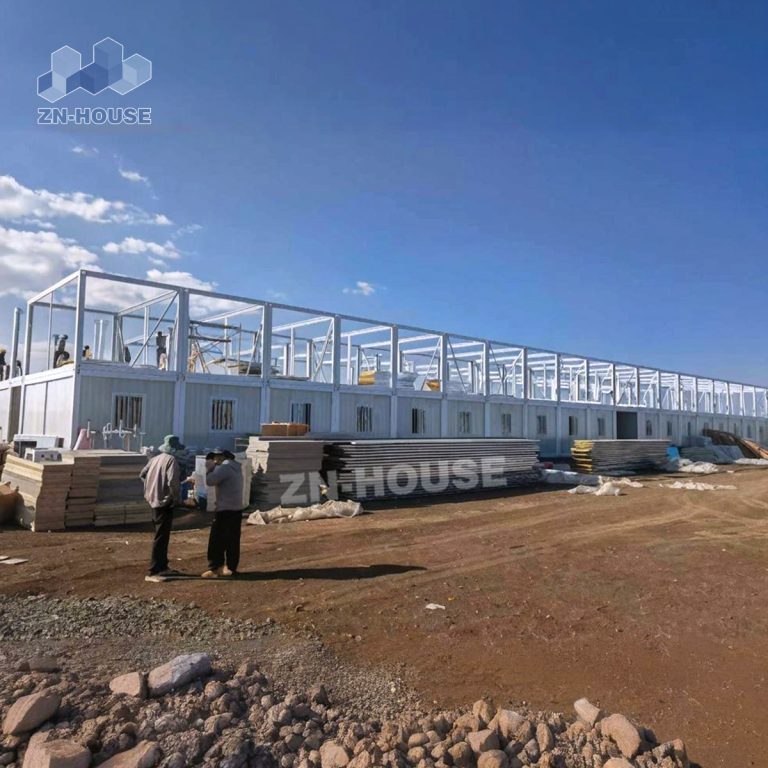
EPC Project Camp Construction — Practical Implementation of a Container-Based Approach
In outdoor Container Camps for EPC such as infrastructure, new energy, and mining, the efficiency and…
Buying Container Houses from China: Factory vs Trader, QA & Incoterms
Pros: direct engineering, better control of BOM, easier mock-ups, faster line changes.Consider: MOQs, limited English documentation at smaller…
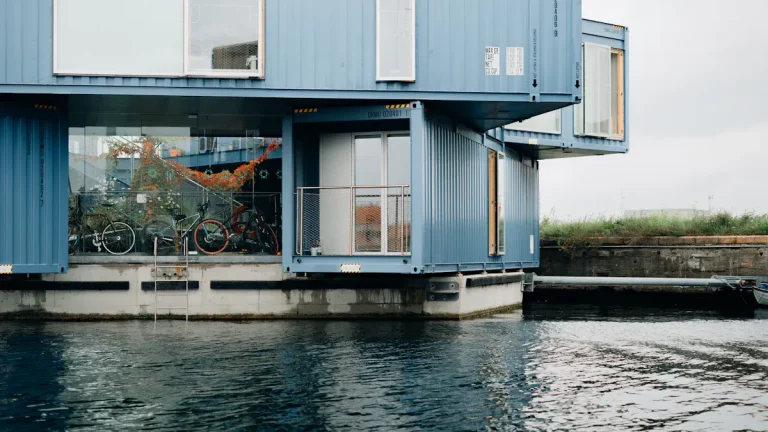
Container Construction How to Plan and Execute Modular Buildings
Container construction streamlines modular building projects with fast planning, cost savings, permit guidance, and flexible customization options.
Insulating a Container Home: Complete Guide to Materials, Methods & Climate Challenges
Insulating Container Homes: Key Challenges You Can’t Ignore Insulating a container home requires addressing three critical…
The Evolution of Modern Living: A Deep Dive into Prefab Homes in Asia
The construction landscape across Asia is changing. The rapid urbanization and the need for sustainable housing…

Detachable Container for Sale: Off-the-Shelf Solutions
What is a Detachable Container House? Demand of fast assemble housing solutions grow across industries. Detachable…


