



Container Hotels: A Cost-Effective & Sustainable Solution for Modern Hospitality
What is a Container Hotel?
A container hotel is an innovative accommodation built using prefab containers. These steel structures are modified into functional guest rooms, offering a blend of affordability and sustainability. Container hotels redefine hospitality by transforming industrial materials into comfortable, modern spaces.
Prefab containers undergo structural upgrades for safety and comfort. Windows, insulation, and ventilation systems are added. Bathrooms, beds, and lighting are installed to meet hotel standards. The process resembles Lego-like modular construction. Units can be stacked or arranged horizontally to fit any location.
Container hotels play a key role in eco-tourism. Recycling retired containers reduces construction waste. This lowers the carbon footprint compared to traditional concrete buildings. Many operators use solar panels or rainwater harvesting to enhance sustainability.
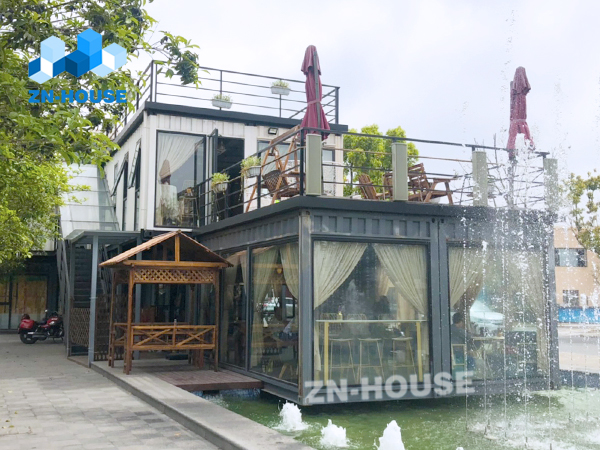
These hotels also address urban hospitality challenges. Their compact design suits crowded cities or remote scenic areas. Pop-up container hotels can serve festivals or seasonal tourism peaks. Luxury versions feature sleek interiors and rooftop lounges.
For hoteliers, container hotels offer flexibility. Rooms can be added or relocated as demand changes. Setup costs are typically 30-50% lower than conventional builds. This model balances practicality with guest appeal, making it a growing trend in adaptive hospitality.
Container Hotel Benefits: Why Operators Choose it?
1. Cost Efficiency – Lower Construction Expenses
Container hotels reduce upfront investments by 30-50% compared to traditional builds. Repurposed shipping containers slash material costs. Modular designs minimize labor hours. For example, assembling a 20-room container hotel often takes 8-12 weeks, while conventional construction may require 6-12 months.
Steel structures eliminate the need for brickwork or concrete foundations. This cuts expenses further. Operators also save on long-term maintenance. Corrosion-resistant coatings extend durability, reducing repair costs. Budget-friendly pricing attracts startups and established chains alike.
2. Sustainability – Eco-Friendly Branding
Using eco-friendly container materials reduces construction waste by up to 90%. This lowers carbon footprints significantly. Many operators add solar panels or rainwater systems to boost green credentials. Guests increasingly favor eco-conscious stays – 68% of travelers prioritize sustainable lodging.
High-quality insulation ensures energy efficiency. Mineral wool and vapor barriers maintain indoor temperatures. Tight-seal windows prevent heat loss. These features cut heating costs by 20-40%. Sustainable practices align with global certifications like LEED, enhancing marketability.
3. Speed – Rapid Deployment for Revenue
Modular units enable a 50-70% faster setup than traditional hotels. Prefab components arrive ready for assembly. A pop-up container hotel in Berlin opened in 10 weeks to serve a major tech conference. It achieved 95% occupancy during the event.
Temporary setups cater to seasonal demand. A music festival in California used 150 container rooms for a 5-day event. Revenue surpassed tent rentals by 3x. Quick relocation also helps operators test new markets without long-term leases.
4. Durability – Built for Long-Term Use
Steel frames and trapezoidal walls provide exceptional strength. These hotels withstand harsh weather, from heavy snow to coastal humidity. Fire-resistant materials and certified electrical systems ensure guest safety.
Soundproof partitions between rooms enhance privacy. Industrial-grade roofing prevents leaks. Regular inspections maintain structural integrity for 15-20 years. This durability makes container hotels viable for both urban hubs and remote resorts.
5. Flexibility – Adaptable to Any Vision
Units can be stacked vertically or spread horizontally. Operators customize layouts for budget pods, family suites, or luxury units. Rooftop terraces or glass facades add unique design elements.
A Costa Rican eco-resort combined 30 containers into treehouse-style villas. Premium pricing increased annual revenue by 35%. Modularity allows easy expansion – adding 10 more rooms takes weeks, not months.

Container Hotel Infrastructure: Key Features & Room Types
1. Design – Flexibility and Customization Options
Container hotels thrive on modularity. Single shipping containers form basic rooms. Stacked clusters create multi-story complexes. Operators arrange units in L-shapes, U-shapes, or linear rows to match site layouts.
Custom add-ons enhance functionality. Balconies extend living space for mountain or beachfront locations. Glass facades offer panoramic views in scenic resorts. Rooftop bars leverage vertical space for guest entertainment. A Berlin container hotel added a sky lounge, increasing nightly rates by 15%.
Interior layouts adapt to diverse needs. Walls can be removed to merge two containers into a suite. Foldable furniture maximizes small spaces. A Tokyo operator uses rotating beds to switch rooms from daytime coworking to nighttime sleeping areas.
2. Utilities – Essential Systems for Comfort
Plumbing and electricity are pre-installed in modular units. Pipes and wires run through insulated wall cavities. Central HVAC systems connect multiple rooms for temperature control. Off-grid setups use solar panels and rainwater tanks.
Insulation ensures year-round comfort. Mineral wool layers prevent heat transfer. Double-glazed windows reduce noise in urban areas. A Swiss container hotel stays warm at -20°C with foam-core walls. Coastal properties use anti-corrosion coatings to resist salty air.
Weatherproofing is critical. Rubberized seals around doors block rain and wind. Sloped roofs prevent snow buildup. A Norwegian hotel uses heated floors to melt ice automatically. Fire-resistant materials meet safety codes globally.
3. Categories – From Budget to Luxury
Compact Pods (12-20 sqm):
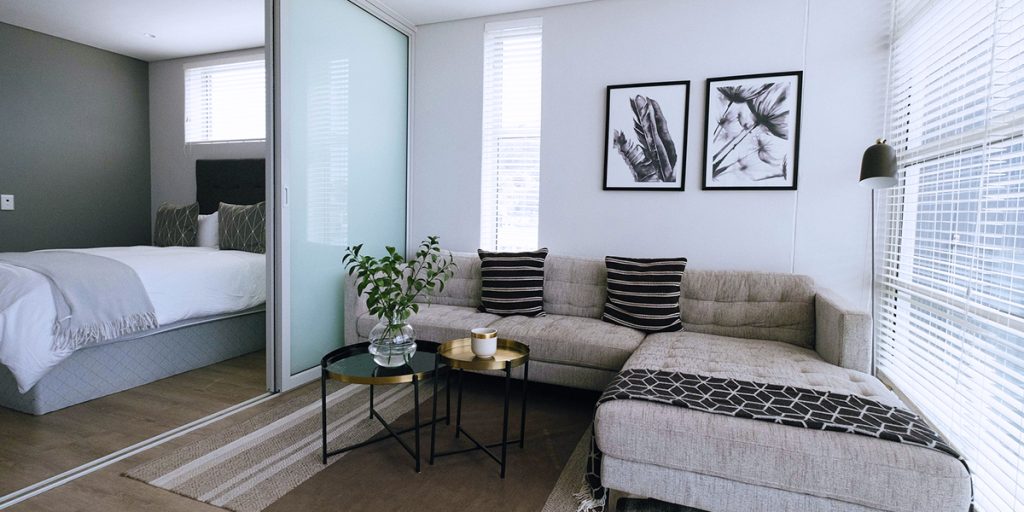
Ideal for solo travelers or short stays. Include a single bed, an ensuite bathroom, and a foldable desk. Smart TVs and Wi-Fi come standard. A Munich pod hotel charges €50/night with 85% occupancy.
Family Suites (25-40 sqm):
Combine two containers horizontally. Feature a master bedroom, bunk beds, and kitchenette. Soundproof walls ensure privacy. A Bali family suite includes a private patio with hammocks.
Premium VIP Units (50+ sqm):
Offer luxury amenities. King-size beds, rainfall showers, and mini-bars are common. A Dubai VIP unit adds a rooftop Jacuzzi and 24/7 concierge service. Nightly rates exceed €300.
4. Smart Technology Integration
Space-saving tech enhances convenience. Motorized Murphy beds free up floor space. Voice-controlled lights and AC reduce energy use. A Seoul container hotel uses app-based check-ins to streamline operations.
5. Complementary Facilities
Café/Bar Containers:
Attached to guest units or placed centrally. Serve breakfast, coffee, or cocktails. A Paris hotel’s rooftop container bar became a local landmark.
Event Spaces:
Convertible containers host weddings or meetings. Retractable walls adjust capacity. A Melbourne hotel rents its event unit for €1,500/day.
Staff Quarters:
Compact backend units house employees. Include bunk beds, lockers, and a shared kitchen.
6. Maintenance and Upkeep
Routine checks prevent issues. Inspect seals every 6 months. Repaint exteriors every 3-5 years. A Greek hotel uses drone surveys to spot roof damage quickly.
Interior updates keep designs fresh. Replace modular furniture or wall panels seasonally. A Miami operator changes room themes annually, boosting repeat bookings by 20%.
Real-World Case Studies
Case 1: Kuala Lumpur’s Vibrant Urban Container Hotel
Location & Concept
A container hotel in Kuala Lumpur’s Golden Triangle redefines city-center lodging. It sits on Jalan Delima, steps from the Petronas Towers. The hotel targets young travelers and couples seeking unique stays.
Design & Appeal
Themed rooms blend industrial aesthetics with local culture. Units feature bold colors and custom murals. Each room includes a compact bathroom, Wi-Fi, and smart TVs. Rooftop lounges offer skyline views of the city.
Results
The hotel achieved 80% occupancy within six months. Social media buzz drove 40% of bookings. Guests praise its affordability (€35/night) and Instagram-worthy design. The project reused 50 container units, cutting construction waste by 60%.
Case 2: Singapore’s Award-Winning Garden Container Hotel
Innovation & Sustainability
The Garden Pod near Marina Bay won Singapore’s Sustainable Hotel Development award. Its eco-friendly design integrates solar power and rainwater recycling. The hotel targets eco-conscious travelers and wellness seekers.
Design & Environment
Nestled in Gardens by the Bay, units mirror Japanese zen gardens. Floor-to-ceiling windows frame bamboo groves and palm trees. Each pod includes a minimalist bedroom, stone bathtub, and private deck.
Results
Nightly rates start at €220, attracting luxury travelers. The hotel maintains 70% occupancy year-round. It reduced energy use by 45% compared to traditional hotels. Partnerships with local eco-tours boosted package sales by 25%.
Practical Tips for Hotel Operators
1. Location – Zoning and Permit Strategies
Urban and rural zones have different rules. A container hotel in Amsterdam faced strict downtown height limits. Operators hired local architects to secure permits. Rural projects, like a Bali eco-resort, required agricultural land approvals. This process took 30% less time than urban applications.
Always consult zoning maps early. Coastal areas may ban modular units near beaches. A Mexican hotel avoided fines by relocating 100 meters inland. Partnering with legal experts reduces delays.
2. Marketing – Storytelling and Partnerships
Guests crave unique narratives. A Copenhagen container hotel markets itself as an “upcycled travel experience.” Its website shows how 60 retired containers became chic rooms. Social media posts highlight solar panels and local art partnerships.
Collaborate with eco-tourism platforms. A Portugal hotel joined GreenKey Travel, boosting bookings by 22%. Offer package deals with nearby bike rentals or organic farms. Target digital nomads with coworking space promotions.
3. Maintenance – Protecting Your Investment
Inspect units twice yearly. Check for rust spots, door seals, and roof leaks. A Thai coastal hotel uses zinc-coated steel to resist salt corrosion. Repaint exteriors every four years to maintain appeal.
Track HVAC and plumbing performance. A Canadian hotel logs monthly utility data to spot inefficiencies. Replace worn insulation before winter. Train staff to report minor issues promptly.
Similar Posts

Affordable Container Homes for Sale in China
In the evolving landscape of housing solutions, container homes for sale in Container Homes China have emerged as…

Wholesale Container House Price 1 Set And Modern Living
When discussing affordable housing solutions that are both modern and practical, wholesale container house price 1…
Maximizing Workplace Efficiency with a Modular Container Office
The present-day working environment requires the ability to adapt quickly. Generally, the conventional office setups come…
Container House Construction: Expert Advice on for Urban Spaces
Container house construction offers fast, affordable, and eco-friendly urban housing with flexible layouts and strong steel frames.

Embrace Modern Living with Modular Shipping Container Houses
In today’s fast-paced world, finding innovative and sustainable housing solutions is more important than ever. Modular…
Shipping Container Houses: Affordable, Modern, and Sustainable Living
In the face of rising real estate prices and increasing environmental concerns, more people are turning…


