



Current Market Trends in Flat Pack Small Homes
In the dynamic housing market, flat pack small homes have emerged as a revolutionary and popular choice. This category encompasses flat pack prefab homes and flat pack cabin homes, which are gaining traction among a diverse range of consumers. Their rise can be attributed to a combination of factors, including affordability, sustainability, and the increasing desire for flexibility in living arrangements. Let’s explore the current market trends that are shaping the world of flat pack small homes.
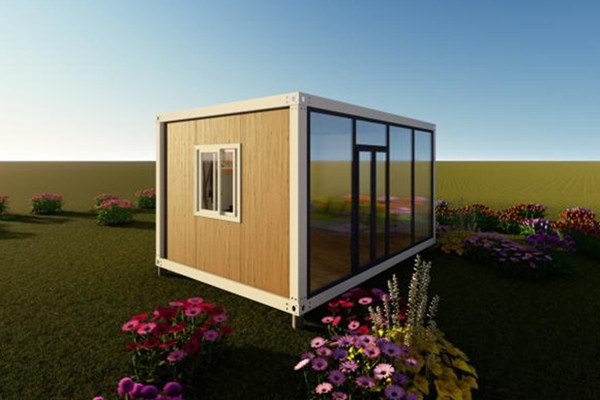
Surging Demand for Sustainable Flat Pack Small Homes
With growing environmental awareness, there’s a significant uptick in the demand for sustainable housing solutions, and flat pack small homes are at the forefront. Flat pack prefab homes and flat pack cabin homes often incorporate eco-friendly materials. For example, many use recycled wood for their structures, which not only reduces the environmental impact but also adds a unique charm. Additionally, energy-efficient insulation materials are commonly used to minimize heat loss, cutting down on energy consumption. Some flat pack cabin homes even come equipped with solar panels as standard or as an optional upgrade. This allows homeowners to generate their own electricity, further reducing their carbon footprint. As more people become conscious of their environmental impact, the appeal of these sustainable flat pack options continues to grow.
Customization Galore in Flat Pack Prefab Homes
Homebuyers today are seeking unique living spaces that reflect their individuality, and flat pack prefab homes are delivering on this front. Manufacturers are now offering a wide array of customization options. Customers can choose from different floor plans, whether they prefer an open – concept living area, a separate bedroom layout, or a design that maximizes storage space. Exterior finishes also vary, with options like weather – resistant paint in various colors, natural stone veneers, or stylish metal claddings. Inside, homeowners can select from a range of cabinet styles, countertop materials, and lighting fixtures. This high level of customization ensures that each flat pack prefab home is tailored to the specific tastes and needs of its owner, making it truly one – of – a – kind.
Popularity of Portable Flat Pack Cabin Homes
The trend towards a more mobile lifestyle has led to a surge in the popularity of portable flat pack cabin homes. These cabins are designed to be easily transported and assembled at different locations. Some are built on trailers, allowing homeowners to hitch them up and move to their favorite vacation spots, be it by the lake, in the mountains, or near the beach. Others are designed to be disassembled and reassembled, making them suitable for those who might change their living location frequently, such as workers in remote or temporary job sites. Their compact size and lightweight construction also contribute to their portability. Whether used as a weekend getaway, a hunting lodge, or a temporary living solution, portable flat pack cabin homes offer a convenient and flexible housing option.
Smart Integration in Flat Pack Small Homes
Just like their larger counterparts, flat pack small homes are now integrating smart technology. Flat pack prefab homes and flat pack cabin homes are being equipped with smart home features to enhance convenience and efficiency. Smart thermostats can be controlled via smartphone apps, allowing homeowners to adjust the temperature of their homes even when they’re away. Smart lighting systems offer the ability to create different moods and save energy by automatically turning off when not in use. Security features like smart locks and video doorbells add an extra layer of protection. This integration of technology not only makes living in these small homes more comfortable but also keeps them in line with modern living standards, attracting tech – savvy consumers.
Flat Pack Small Homes FAQS
How Long Does It Take to Assemble a Flat Pack Small Home?
The assembly time for a flat pack small home depends on several factors. A simple flat pack cabin home with a basic design and minimal features might take a couple of days for a team of two or three experienced DIYers. However, if it’s a more complex flat pack prefab home with multiple rooms, intricate interior finishes, and advanced features like a pre – installed smart home system, it could take up to a week or more. Some manufacturers also offer professional installation services, in which case, the assembly time can be significantly reduced, sometimes taking only a day or two, depending on the size and complexity of the home.
What Are the Typical Sizes of Flat Pack Cabin Homes?
Flat pack cabin homes come in a wide range of sizes to suit different needs. The smallest models might be as compact as 80 – 100 square feet, perfect for a solo traveler or as a simple vacation retreat. These tiny cabins often feature a single room that combines living, sleeping, and storage areas. On the other end of the spectrum, larger flat pack cabin homes can reach up to 500 – 600 square feet. These larger models may include separate bedrooms, a full – sized kitchen, and a living area. Some even have lofts for additional sleeping space. The most common sizes, though, tend to be in the 200 – 300 square – foot range, which offer a good balance between space and portability.
Can I Finance a Flat Pack Prefab Home?
Yes, it is possible to finance a flat pack prefab home. Many financial institutions recognize the growing popularity of these homes and offer financing options. You can approach banks, credit unions, or even some specialized mortgage lenders. The process is similar to financing a traditional home. Lenders will consider factors such as your credit score, income, and the cost of the home. Since flat pack prefab homes are generally more affordable than traditional homes, they may be more accessible in terms of financing. Some manufacturers also have partnerships with financial institutions and can assist you in finding suitable financing options. However, it’s important to shop around and compare interest rates and loan terms to ensure you get the best deal.
Are Flat Pack Small Homes Energy – Efficient?
Most flat pack small homes are designed with energy efficiency in mind. Their smaller size means there is less space to heat or cool, which already reduces energy consumption compared to larger homes. Additionally, they often use high – quality insulation materials, such as spray – foam or fiberglass insulation, to minimize heat transfer through the walls, roof, and floors. Many flat pack prefab homes and flat pack cabin homes come with energy – efficient windows that have double or triple glazing to prevent heat loss. Some models are even designed to be compatible with renewable energy sources, like solar panels, which can further enhance their energy efficiency and reduce utility bills.
What Maintenance Do Flat Pack Small Homes Require?
Maintenance requirements for flat pack small homes are relatively low compared to traditional homes. The prefabricated construction and use of quality materials mean that they are generally durable. However, like any home, they still need some maintenance. Exterior finishes, such as paint or siding, may need to be refreshed every few years to protect against weather damage. Inspecting and maintaining the roof for any signs of leaks is also important. Inside, regular cleaning and upkeep of appliances and fixtures are necessary. If the home has a smart home system, software updates may be required to keep the technology functioning properly. Overall, with proper care, a flat pack small home can remain in good condition for many years.
Similar Posts

Energy Efficient Features in Modern Manufactured Homes
As a leading wholesaler in the construction industry, Suzhou Zhongnan Steel Structure Co., Ltd. is committed…

Shipping Container Houses for Disaster Relief
In the face of natural disasters, providing immediate and safe shelter is of utmost importance. Suzhou…

Off-grid Power Solutions for Remote Locations
In the vast and secluded corners of the world, where the reach of traditional power grids…
Flat Pack Houses, Homes & Container Houses: Design Focus
The global construction industry is undergoing a radical transformation with the rising demand for efficient, sustainable,…

Assemble Houses Redefining Modern Living
In the dynamic landscape of contemporary housing, assemble houses are emerging as a revolutionary force, reshaping the…

Folding Container Homes: Space-Saving Solutions for Modern Living
Fold Out Container House: Transforming Limited Space into a Home Imagine having a home that can…


