



Custom Shipping Container Homes: Tailored for Your Unique Lifestyle
Custom shipping container homes have rapidly gained traction as an innovative solution for modern living that blends durability, sustainability, and personalization. Unlike standard prefab units, these homes are designed to meet the unique needs and preferences of homeowners, reflecting individual lifestyles through tailored floor plans, finishes, and features. Because the core structure consists of high-quality steel containers, these homes offer exceptional strength, longevity, and weather resistance. This robustness makes them ideal for a wide range of environments, from urban rooftops to remote rural settings.

One of the greatest advantages of custom shipping container homes is their adaptability. Whether you desire an open-plan living area flooded with natural light, additional private bedrooms, or integrated smart home technology, these homes can be designed to accommodate all. Modular construction means that expanding your home later—whether vertically or horizontally—is straightforward, allowing your residence to grow alongside your changing needs. Additionally, by incorporating eco-friendly insulation materials, solar panels, and water recycling systems, custom container homes can reduce energy costs and carbon footprint while maximizing comfort.
The prefabricated nature of these homes also shortens construction timelines and reduces on-site labor, enabling quicker occupancy compared to traditional builds. For homeowners seeking a modern, sustainable lifestyle without sacrificing quality or aesthetic appeal, custom shipping container homes provide an unmatched balance of style, efficiency, and resilience.
Shipping Container Tiny Homes: Compact Living, Big Benefits
In recent years, shipping container tiny homes have revolutionized minimalistic living by combining the robust steel structure of containers with highly efficient space utilization. These homes offer a compact footprint that appeals to those wanting to downsize, reduce costs, or embrace a simpler lifestyle without sacrificing comfort. Clever interior design solutions such as fold-down beds, built-in storage, and multi-purpose furniture help make the most of limited space.
The construction of shipping container tiny homes largely takes place in factories, where precise assembly and high-quality finishes are applied. This prefabrication approach minimizes waste and allows for stringent quality control. Upon delivery, these homes can be rapidly installed on site, significantly reducing both time and costs compared to traditional building methods.
Another key benefit is their mobility. Many tiny container homes can be transported on trailers or flatbeds, providing flexible living options for those who value freedom and mobility. They are also well-suited as guest houses, vacation cabins, or accessory dwelling units (ADUs), offering affordable, eco-friendly housing that meets today’s growing demand for efficient use of land and resources.
Despite their smaller size, shipping container tiny homes are designed to maximize natural light and airflow through large windows and ventilation systems. With proper insulation and modern amenities, these homes remain comfortable year-round, making them viable options across diverse climates.
Shipping Crate Homes: Industrial Aesthetic Meets Residential Comfort
The distinct industrial charm of shipping crate homes has made them a favorite for urban dwellers and design enthusiasts alike. By embracing the original shipping container’s corrugated steel exterior and bold geometric form, these homes stand out with a modern, edgy aesthetic. The design philosophy respects the container’s heritage while integrating warm, comfortable interiors, often featuring exposed steel beams paired with natural wood finishes, sleek fixtures, and open living spaces.
Beyond visual appeal, shipping crate homes deliver exceptional structural integrity. Their robust steel frames are engineered to endure extreme weather conditions, seismic activity, and long-term wear. This makes them ideal for urban infill projects, modular multi-unit developments, or even off-grid retreats where resilience is paramount.
The modular nature of shipping crate homes offers remarkable flexibility in design and function. Multiple units can be stacked or linked together to create spacious multi-bedroom homes, offices, or commercial spaces such as cafes or studios. Furthermore, the adaptability of shipping crate homes extends to sustainable building practices, where energy-efficient windows, green roofs, and solar panels can be seamlessly integrated.
Houses Made from Shipping Containers: Durable, Affordable, and Eco-Friendly
The growing popularity of houses made from shipping containers reflects a shift toward more sustainable and affordable housing solutions. These homes repurpose surplus shipping containers—previously used in global freight—into livable, attractive dwellings. This reuse not only prevents waste but also reduces demand for traditional building materials, supporting a circular economy.
Structurally, houses made from shipping containers offer a high degree of durability unmatched by many conventional homes. Their steel shells are naturally resistant to pests, fire, and moisture damage, reducing maintenance costs over the home’s lifespan. Additionally, they are capable of withstanding harsh environmental conditions, including hurricanes, floods, and extreme temperature fluctuations.
The construction process is streamlined due to the modular, prefab nature of container homes. Components are fabricated offsite under controlled conditions, ensuring quality and consistency, before being transported and assembled quickly at the destination. This method significantly reduces build time, labor expenses, and onsite disturbances such as noise and debris.
Because of their versatility, houses made from shipping containers are suitable for a wide range of applications beyond primary residences. They can be configured as vacation homes, rental properties, emergency shelters, or commercial facilities. The ability to customize interiors and exteriors further enhances their appeal across different markets.
Custom Shipping Container Homes FAQs
How customizable are custom shipping container homes?
Custom shipping container homes offer extensive customization options. From floor plans to interior finishes, you can tailor the layout to suit your lifestyle. Modular units can be combined, stacked, or connected horizontally. Additionally, you can incorporate eco-friendly features such as solar panels, rainwater harvesting, and high-performance insulation to improve energy efficiency and sustainability.
Are shipping container tiny homes suitable for families?
While many shipping container tiny homes are designed for singles or couples, families can also benefit from thoughtful layouts that include multiple sleeping areas or loft spaces. However, space limitations require careful planning to ensure comfort, especially for larger families. Expanding with additional container modules is an option for growing households.
What are the main benefits of shipping crate homes?
Shipping crate homes combine industrial aesthetics with structural strength and modular flexibility. They are quick to assemble, durable, and can be easily customized for both residential and commercial use. Their unique look appeals to urban homeowners and architects seeking innovative, eco-friendly building solutions.
Can houses made from shipping containers withstand extreme weather?
Yes, thanks to their steel construction, container homes are highly resilient against natural disasters such as hurricanes, floods, and earthquakes. Proper insulation and weatherproofing ensure they remain comfortable and safe in varying climates. Their structural integrity often surpasses that of traditional wood-frame homes.
How long does it take to build a house made from shipping containers?
Because much of the work is completed in factories, the build time for container homes is significantly shorter than traditional construction. Depending on complexity, it can take several weeks to a few months for design, fabrication, and onsite assembly. Quick installation minimizes disruptions and allows for faster move-in times.
Similar Posts

Modular Container Homes Redefined
The housing revolution is here, and it comes in the form of modular container homes – the smart,…

The Future of Living: Container Homes for Sale
In the evolving world of housing, container homes have become a game-changer. Whether you’re seeking a sustainable,…
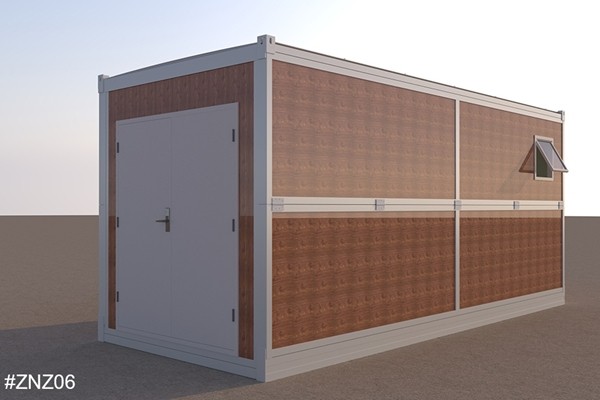
Prefab modular container house assembly process
The assembly efficiency and quality of prefab modular container houses are crucial factors for wholesale partners,…

Foldable Container Homes: The Future of Modular Living
The world of architecture is undergoing a quiet revolution, and at its heart lies the ingenious…
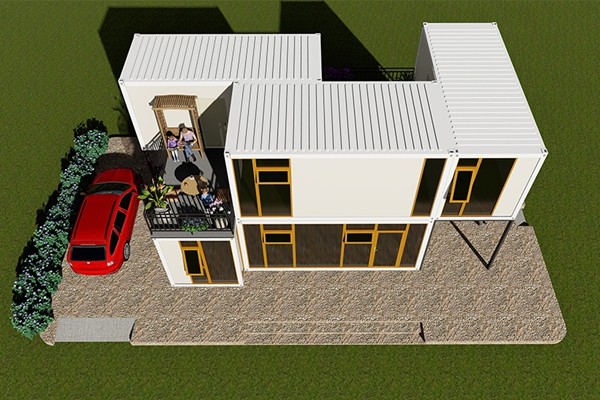
Combining multiple containers for a large shipping container house
The concept of repurposing shipping containers into residential and commercial structures has revolutionized modern architecture, offering…

Understanding Manufactured Homes: A Comprehensive Price Guide
As the demand for affordable and efficient housing grows, manufactured homes have become a popular choice for…


