



Do Modular Container Homes Meet Local Building Codes and Safety Standards
The global construction landscape is witnessing a significant shift towards innovative, efficient, and sustainable building methods. At the forefront of this movement are structures born from a fusion of industrial pragmatism and architectural creativity. A common and crucial question that arises for potential adopters, from individual homeowners to large-scale developers, is whether these modern dwellings comply with the intricate web of local building codes and safety standards. This is not just a matter of regulatory compliance but a fundamental issue of occupant safety, structural integrity, and long-term investment protection. For a company like ZN House, which began its journey in 2005 in Suzhou determined to fill the market gap for high-quality, high-safety container houses, navigating and mastering this regulatory environment has been a core component of its mission. As a professional manufacturer with products exported to over 50 countries, the company’s extensive experience provides a compelling case study in how these innovative structures can not only meet but be designed to exceed the demanding requirements of authorities globally.
The Engineering Integrity of Modern Modular Container Buildings

The perception of container-based structures as simple, repurposed shipping boxes is outdated. Today’s iterations are sophisticated engineering products designed for purpose. The ability of modular container buildings to meet building codes starts with their inherent structural design.
- Robust Core Material: These structures are typically constructed using high-strength, anti-rust galvanized steel frames or certified corten steel, materials known for their durability and ability to withstand heavy loads and harsh environmental conditions. This provides a primary defense against structural failure.
- Integrated Wall and Roof Systems: The use of waterproof sandwich panels for walls and roofs is a critical feature. These panels often consist of a steel outer layer, a core of insulating foam (like polyurethane or rock wool), and an interior finish. This composition contributes to thermal performance, fire resistance, and overall building envelope stability, all of which are key areas covered by building codes.
- Factory-Controlled Precision: Unlike traditional on-site construction, which is susceptible to weather and human error, the fabrication of modular container homes occurs in a controlled factory environment. This allows for rigorous quality control at every stage, ensuring that each component, from the steel frame to the electrical conduit, is installed to precise specifications, directly supporting compliance with standardized safety protocols.
Navigating Code Compliance for Expansive Modular Container Homes Solutions
When multiple units are combined to create larger structures like dormitories, hotels, or office complexes, the compliance challenge becomes more complex. ZN House, driving innovation in the sector, addresses this through a systematic approach tailored for large-volume clients.
- Designing for Scalability and Safety: The process of combining two or three or more modular container homes into a single building requires careful engineering to ensure the integrated structure acts as one cohesive unit. This involves calculating load distributions, ensuring proper interconnection mechanisms, and designing for seismic and wind forces as a complete system, not just as individual modules.
- Customization Within a Compliant Framework: A significant advantage is the ability to design and build according to the specific requirements of the construction site or client needs. This includes adapting foundational requirements, egress pathways, and fire separation walls to align with local regulations. The interior decoration can also be planned to use non-combustible or fire-retardant materials as required.
- Collaboration with Local Experts: For a company with years of global trade experience, supported by over 30 international agents, a key part of the process is collaborating with local engineers and architects in the destination country. These professionals can review design plans, perform local calculations, and ensure that the proposed modular container buildings meet all jurisdictional amendments to international building codes.
The Appeal and Practicality of Flexible Modular Expandable Homes
A particularly innovative segment of this market addresses the need for adaptable living and working spaces. These designs offer unique solutions that are engineered to be both flexible and compliant.
- Engineered Expansion Mechanisms: The defining feature of modular expandable homes is their ability to transform, increasing their floor area after delivery. This expansion mechanism is not an afterthought but a core part of the structural engineering, designed to lock securely into place and maintain the building’s overall rigidity and weather-tightness once deployed.
- Streamlined On-Site Assembly: To facilitate rapid deployment, these homes are often shipped with pre-assembled major components like the roof and floor. On-site, local workers primarily need to assemble the house with the provided accessories and execute the expansion procedure. This reduces on-site labor time and potential for error, contributing to a more predictable and code-compliant construction process.
- Meeting Market Demands: The robust construction of these homes, utilizing high-quality corten steel or corrosion-resistant materials, ensures they withstand the test of time and extreme weather. Their fashionable appearance, combined with practical flexibility, makes them popular for a wide range of applications, from pop-up retail stores like coffee shops to emergency relief housing and tourist accommodations, all of which must adhere to specific public safety standards.
FAQs About Our Modular Container Home Solutions
What are the primary advantages of choosing a modular container home over traditional construction?
The primary advantages include significantly reduced construction timelines due to parallel site work and factory fabrication, enhanced quality control in a factory setting, inherent strength and durability from the steel structure, and greater design flexibility. For large-volume projects, this translates to faster return on investment and predictable project scheduling.
How do your modular container buildings ensure they meet the specific building codes of different countries?
We design our core building systems to meet international standards like the International Building Code (IBC). For each project, we work closely with our network of local agents and partners, providing detailed engineering drawings and material certifications. It is the responsibility of the client’s local structural engineer to review and stamp these plans, ensuring they are adapted to meet all local jurisdictional requirements, a process we fully support with technical data.
Can you describe the construction process for your modular expandable homes?
Our expandable models are manufactured, fully fitted-out, and tested in our factory. They are then shipped in a compact state, with the roof and floor pre-assembled. Upon arrival at the site, your construction team uses the provided accessories and detailed instructions to unfold and secure the expanded sections. This process minimizes complex on-site construction and allows for a swift setup of a fully finished and functional building.
What materials are used in your modular container homes to ensure longevity and safety?
We utilize a robust framework of anti-rust galvanized steel or weathering corten steel. The walls and roof are constructed from waterproof sandwich panels, which offer excellent thermal insulation and fire resistance properties. All materials are selected for their performance, durability, and compliance with common safety standards, contributing to a safe and long-lasting structure.
Are the interior layouts of your modular container buildings customizable for large-scale projects like worker dormitories?
Absolutely. A key part of our service is providing custom container home solutions. For large-volume orders such as worker dormitories, we can design the interior layout to include specific room configurations, bathroom pods, electrical systems, and HVAC layouts to meet the project’s exact requirements and the occupant density regulations of the local building code.
The question of whether modular container homes meet local building codes and safety standards is met with a resounding and qualified “yes.” The journey of ZN House, from its founding in Suzhou in 2005 to becoming a global manufacturer, underscores that success in this sector is intrinsically linked to a deep commitment to engineering excellence and regulatory compliance. The evolution of modular container buildings from simple boxes to sophisticated, code-compliant structures is a testament to industry-wide innovation. By leveraging robust materials like corten steel, implementing rigorous factory production controls, and fostering collaboration with local experts worldwide, companies like ZN House demonstrate that these innovative building solutions are not just a trendy alternative but a viable, safe, and efficient method for meeting the diverse and large-scale construction needs of the modern world.
Similar Posts
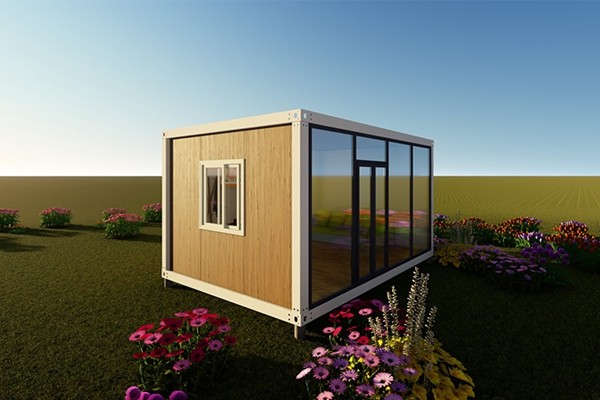
On Flat Pack House: Economy and Limitations of Modern Architecture
Flat Pack House, Also known as modular housing or prefabricated housing, it has gradually become a…

Energy Efficient Features in Modern Manufactured Homes
As a leading wholesaler in the construction industry, Suzhou Zhongnan Steel Structure Co., Ltd. is committed…

Transformable Living: The Future of Foldable Container Homes
As the world becomes more dynamic and space-efficient solutions are in higher demand, foldable container homes…
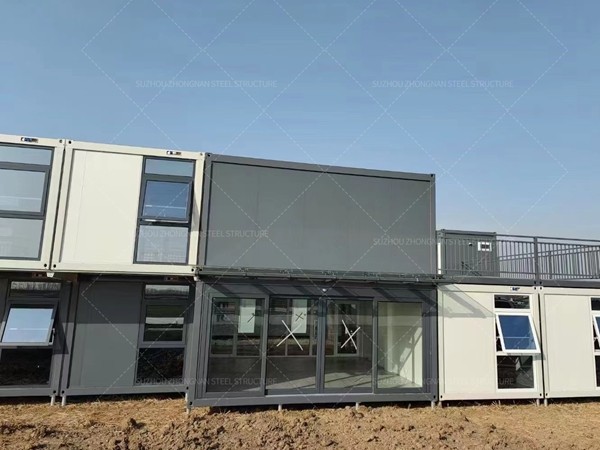
Expandable Modular House Innovations Leading Future Living Solutions
Suzhou Zhongnan Steel Structure Co., Ltd. stands as a vanguard in the innovative construction sector, pioneering…
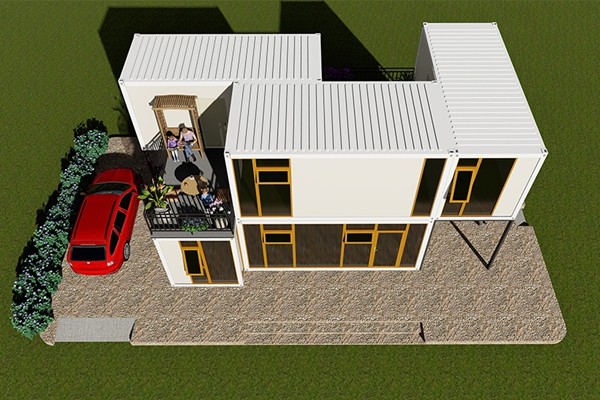
Exterior Cladding for a Shipping Container House
Exterior cladding is the unsung hero of shipping container house design—it enhances curb appeal, protects the steel…

Structural Superiority of Quick Assembly Homes for Education
In regions where traditional construction methods are slow, costly, or impractical, quick assembly homes like ZN House’s…


