



Finding the Best Value: Prefab House Kits with Prices
As more individuals and families seek affordable, efficient, and stylish living solutions, prefab house kits with prices have become a leading option in the housing market. These homes combine speed, customization, and cost transparency, appealing to homeowners who value both convenience and quality. Whether you’re investing in your first home or expanding a property portfolio, understanding the benefits of prefab houses and manufactured homes is essential.

What Makes a Prefab House an Attractive Option?
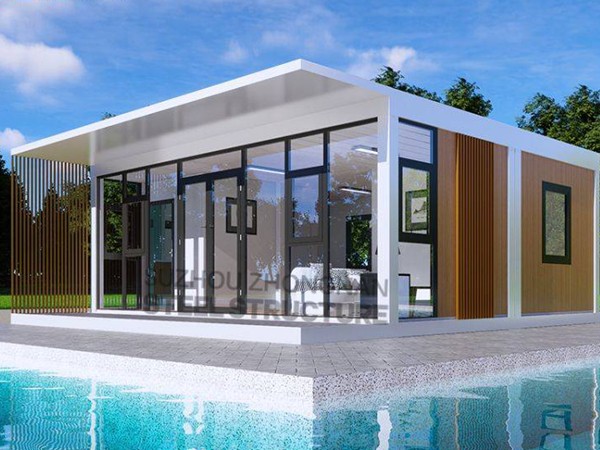
A prefab house, short for prefabricated house, is constructed in sections off-site and assembled on location. This method of building minimizes construction time and reduces material waste. Unlike traditional homes built from the ground up over many months, prefab houses offer a streamlined approach with predictable timelines and costs.
Design versatility is a major selling point. Buyers can choose from a wide range of layouts and finishes, ensuring that the prefab house meets both functional and aesthetic needs. Additionally, since much of the construction is done in a controlled environment, prefab housing often meets higher standards of precision and energy efficiency.
Understanding Prefab House Kits with Prices
The increasing demand for transparent and budget-friendly housing has led to the rise of prefab house kits with prices. These kits typically include everything needed to build a home—walls, roofing, insulation, windows, and sometimes plumbing and electrical systems. Buyers can review prices in advance, helping them plan their investment with accuracy.
Kits are available in a variety of sizes and configurations, ranging from compact one-bedroom units to spacious multi-room family homes. This flexibility allows buyers to align their purchase with their lifestyle and financial goals. The upfront cost clarity that comes with prefab house kits with prices is especially attractive to first-time homeowners or developers working within a defined budget.
Another benefit is that many kit providers offer optional upgrades or customization. While the base package provides the essentials, those seeking luxury or eco-conscious features—like solar panels, advanced HVAC systems, or smart-home technology—can tailor the design accordingly.
Comparing Manufactured Homes and Prefab Housing
The terms manufactured homes and prefab houses are sometimes used interchangeably, but they refer to distinct types of construction. Manufactured homes are entirely built in a factory and then transported to the site, usually as one single unit. They are built under federal HUD standards and are placed on a permanent or semi-permanent chassis.
In contrast, prefab houses can include modular or panelized construction, where parts are assembled on-site. Modular homes—one category of prefab housing—are also built in sections but must comply with local building codes, not HUD codes.
Both options offer substantial benefits, including lower costs, faster construction, and improved quality control. However, manufactured homes tend to be less customizable after fabrication, while prefab houses allow greater flexibility in design and layout. Depending on zoning laws and personal preferences, either option can provide a smart alternative to traditional homebuilding.
The Practical Advantages of Pre Built Homes
Pre built homes eliminate many of the uncertainties involved in traditional homebuilding. By purchasing a house that has already been designed, engineered, and partially constructed, buyers save time and reduce the risk of delays due to weather, labor shortages, or unexpected costs.
One of the key appeals of pre built homes is speed. Since components are ready for assembly upon delivery, homeowners can move in much sooner than if they waited for a conventional build. In many cases, a pre built home can be fully installed and livable within weeks.
Affordability is another major factor. Because production is standardized and materials are purchased in bulk, pre built homes are often priced lower per square foot than their traditional counterparts. This makes them a top choice for those seeking long-term value with minimal hassle.
Moreover, pre built homes are often constructed with sustainable materials and techniques. Many manufacturers prioritize eco-friendly insulation, energy-saving appliances, and low-impact materials, making it easier for buyers to reduce their carbon footprint without sacrificing comfort.
What to Consider When Choosing a Prefab House Kit
When browsing prefab house kits with prices, several key factors should guide your decision. First, understand what is included in the kit—some offer just the shell, while others provide a comprehensive package including plumbing and electrical components.
Next, consider the delivery and assembly process. While many kits are designed for DIY assembly, others require professional contractors. Ensure you understand the timeline, permit requirements, and whether local regulations support prefab or manufactured homes on your property.
Also, check the supplier’s reputation, warranty terms, and customer service. A reliable manufacturer will provide detailed plans, customer support during the build, and after-sale assistance. Investing in a well-reviewed provider increases the chances of a smooth experience from planning to move-in.
Prefab House Kits with Prices FAQs
What’s typically included in prefab house kits with prices?
Most prefab house kits with prices include the structural components—walls, roof, insulation, and windows. Some also include electrical, plumbing, and interior finishes, but it varies by supplier and package.
Are manufactured homes different from prefab houses?
Yes, manufactured homes are built entirely in a factory under federal HUD standards, while prefab houses are partially built off-site and must meet local building codes.
How long does it take to build a pre built home?
Pre built homes can usually be assembled and ready for occupancy in a few weeks, depending on site preparation and local approvals.
Are prefab houses energy-efficient?
Yes, most prefab houses use modern materials and efficient construction methods, often resulting in better insulation and lower energy bills than traditional homes.
How much do prefab house kits with prices typically cost?
The price varies depending on size and features, but basic prefab house kits with prices can start around $20,000 and go up to $150,000 or more for premium, fully customized options.
Similar Posts

Shipping Container House: The Future of Sustainable Living
Are you looking for a cost-effective and environmentally friendly living solution? Shipping container houses might be…
Lego for Adults: The Rise of Easy-Assemble Homes
In an era where customization and efficiency are highly valued, the concept of assemble house and assemble…
Revolutionary Easy Assemble Houses – Built in Hours, Not Months!
Say goodbye to lengthy construction timelines with our game-changing easy assemble house solutions! These innovative quick assembly homes require no…
Flat Pack Homes for Sale Quick Installation Guide
In the contemporary housing market, the demand for convenient, cost – effective, and rapidly installable housing…
Discover Your Dream Home: Shipping Container Houses for Sale
Shipping Container Tiny House for Sale: Big Comfort in a Small Package Are you looking for…
Prefab Houses: Affordable, Sustainable, and Modern Living Solutions
In recent years, prefab houses have become an increasingly popular choice for those looking for affordable, efficient,…


