



Flat Pack Container Homes (2026 Guide): Sizes, Prices, Benefits & Applications
Introduction
A contemporary version of modular, prefabricated housing, flat pack container homes offer an efficient way to transport and quickly assemble when they arrive on site. A flat pack container home differs from traditional construction methods in that all of the building materials for a flat pack container home arrive at the site via shipment and are finished during production in a controlled factory environment (as opposed to unloading construction materials on site over the course of months) before continuing to their final installation at the destination.
An article published on Reuters states that there is a growing investor interest in modular housing. A major modular construction startup is planning a public listing at $3.5 billion due to the increasing demand for affordable and scalable housing.
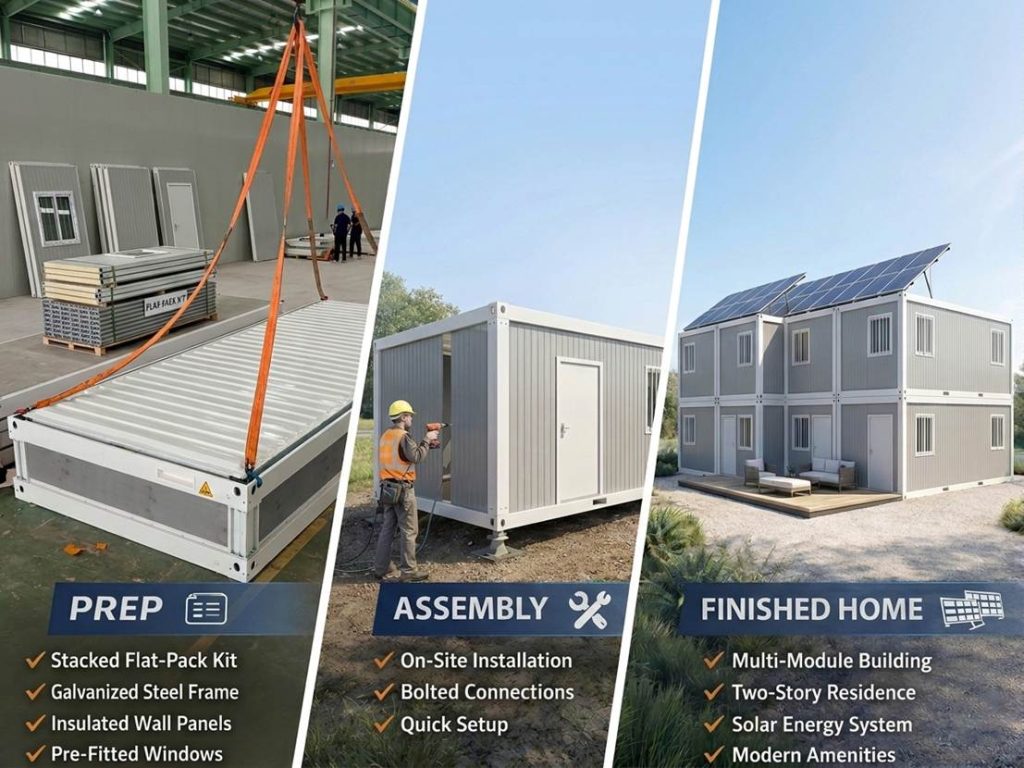
Fig. 1: The Evolution of a Flat-Pack Container Home: From Kit to Modern Residence
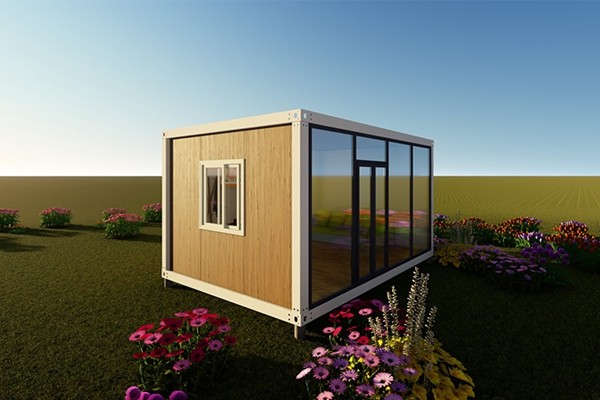
The year 2025 was a year when the flat pack container house market evolved beyond being a niche “DIY” project. The primary use of flat pack container homes is in creating residential or commercial spaces. Whether being used for individual family dwellings, vacation homes, offices, housing for workers, modular schools, etc., these homes are versatile enough to work in many types of locations and climate conditions.
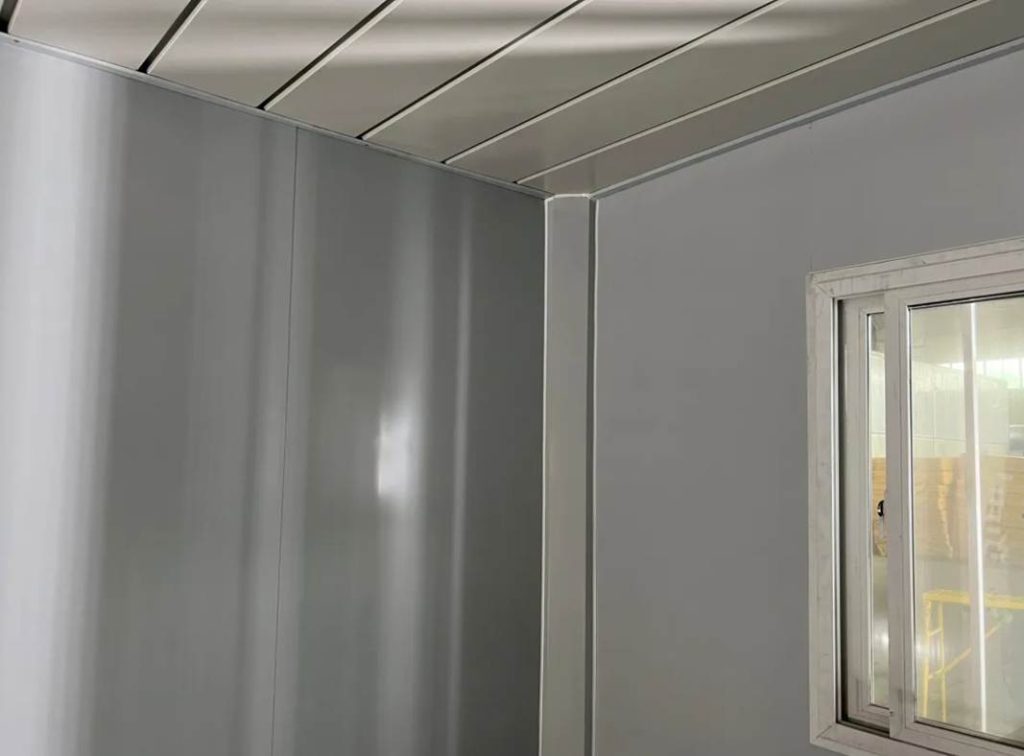
Fig. 2: Inside Of a Flat Pack Container House.
In this article, we will provide readers with an overview of flat pack container homes, including possible bedroom configurations, the average 20ft size, comparisons to traditional construction methods, advantages and disadvantages of flat pack container homes, and financial considerations of purchasing a flat pack container home, all of which should aid readers in making informed decisions regarding the use of flat pack container homes.
What Are Flat Pack Container Homes?
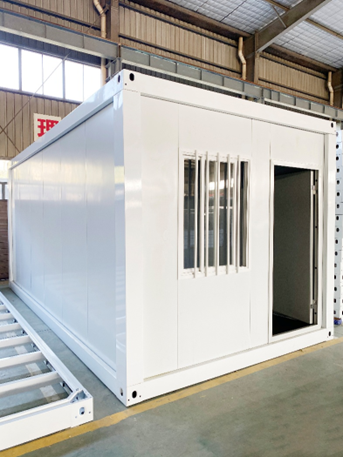
Production of flat pack container homes begins with modular components built at their own factories, then shipped to ends of the continent to be assembled on site. Each flat pack container home is composed of a hot-dipped galvanized steel frame, insulated wall panels, roof and floor systems, external doors and windows, and some accessories. All components are designed to be one-touch assembled at the site of the structure on completion of transport.
There are three main phases in the process:
1) Factory Prefabrication: The factory prefabricates all structural components and panels under controlled conditions before being transported to another location.
2) Flat Pack Transportation: The prefabricated units are then transported using a flat pack method, which greatly reduces the volume needed to ship them.
3) On-Site Assembly: Finally, once at the assembly site, the units are secured in place with bolted connections (rather than through the use of extensive welding).
Flat Pack Modular Homes are specially designed for housing rather than converting existing steel shipping containers into housing, as with standard shipping container conversion projects. This allows for greater insulation thickness, better structural framing, and efficient interior layouts.
Compared to traditional prefab buildings, flat-pack prefab homes, flat-pack modular homes, and flat-pack modular units focus more on transport efficiency and modular scalability, resulting in shorter lead times and lower logistical costs for projects using them.
Flat Pack Container Homes by Bedroom Size
1 Bedroom Flat Pack Homes
1 Bedroom units are commonly purchased by singles, people together (i.e., spouses/partners), or as a second home for vacations. These small flat pack units have a very good amount of living space available by using an open concept layout and having a combined living room and kitchen space. They are frequently used in rural areas, in conjunction with eco-tourism projects, or as temporary housing for workers/staff. A small unit’s compact size also means that less digging and time are needed to place a foundation and install the unit on the site.
2 Bedroom Flat Pack Homes
Families with children and property investors love to utilize two-bedroom configurations because of their ability to provide a good balance between cost and comfort, as they typically create an area in which people can gather together (shared living area), yet have enough personal space (private bedroom). Many developers are utilizing two-bedroom flat pack container homes for rent-to-own communities, workforce housing, or projects involving the quick delivery of detached single-family homes in suburban areas.
Read our latest blog post titled Flat Pack vs Foldable vs Expandable: Which Container Home Is Best?
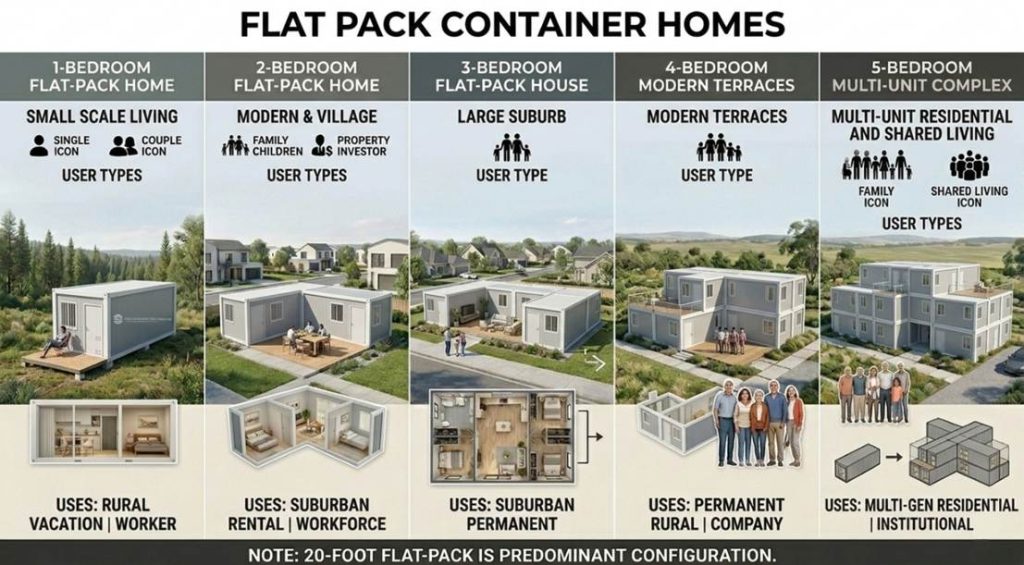
Fig. 3: Flat-Pack Modular Living: From Solo Studios to Multi-Gen Complexes
3 Bed Flat Pack Homes / 3 Bedroom Flat Pack House
A flat pack house made of three bedrooms meets basic family requirements. The general layout is a central living space with a separate kitchen and bathroom, as well as a supply of storage space. These units are normally set up to be permanent homes in new suburbs. Also, because of their modular structure, they can easily be expanded if more of them are needed later, because families have larger numbers of children.
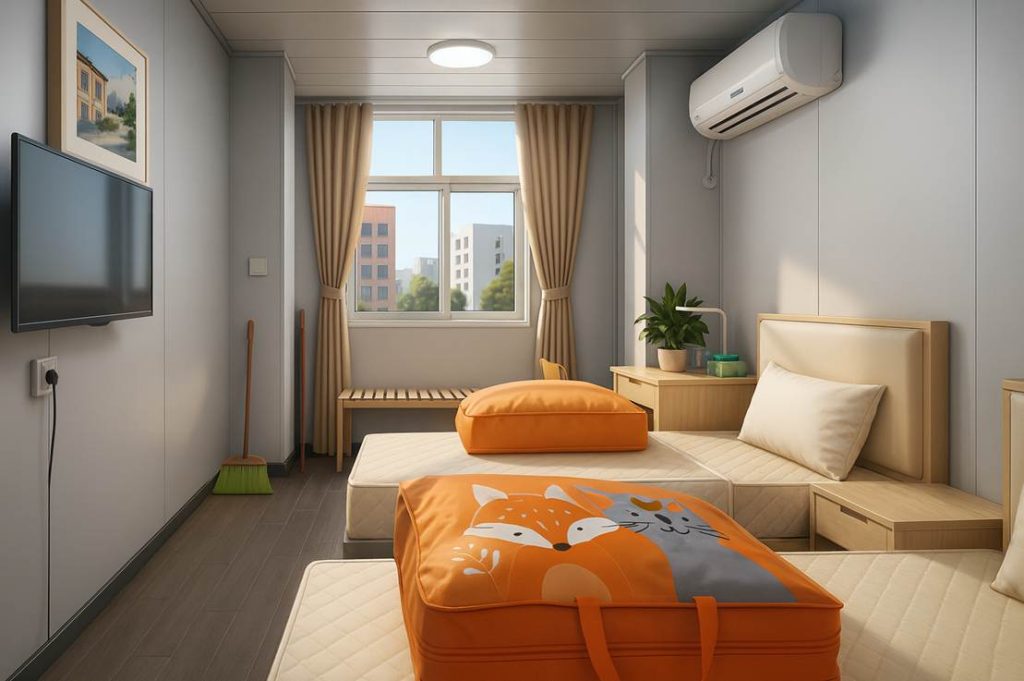
Fig. 4: Interior of a Prefabricated Flat Pack Container House
4 Bedroom Flat Pack Homes
Four-bedroom configurations are typically built for large families or individuals looking for long-term housing (permanent residence). This type of house generally uses many modular units together to create a zoned layout of separate social and sleeping areas. Most four-bedroom layouts are used primarily for permanent residential developments, rural housing initiatives, or as company-provided accommodations for employees’ families.
5 Bedroom Flat Pack House
A five-bedroom flat pack house is designed to provide additional floor space while also increasing the level of privacy for people living in multi-generational households or shared living accommodations. These big flat-pack houses consist of several modular units combined together to create an enormous single home size that is perfect for long-term residential use, as well as being ideal for institutional housing situations. The modular design of these flat packing houses makes it easy to build in phases over time and allows for the house to develop with the family as its needs change.
In the global market, the 20ft flat pack container continues to be the predominant configuration being used.
20ft Flat Pack Containers – Most Popular Size
The 20 ft flat pack containers remain the most widely adopted configuration in the global market. A standard 20ft flat pack container is approximately:
- Length: 5950 mm
- Width: 2990 mm
- Height: 2896 mm
One of the primary logistics reasons for the 20ft shipping container being the prevalent size is that they can easily be loaded onto standard shipping routes, creating efficient use of container space. Numerous flat-pack units may be delivered within a single high-cube container, thus significantly reducing the freight cost per unit versus individual shipments.
From a design point of view, the 20ft module is extremely versatile. They function well as:
- Single-bedroom residences
- Site offices
- Portable clinics
- Accommodation units
The design of the 20ft module has an exceptional balance of compactness versus the amount of habitable space available, making it a great choice for both residential and commercial uses.
Residential & Commercial Applications
Residential Use
Flat pack container homes are becoming increasingly popular as a solution to many different types of housing needs in residential settings. According to a recent news article published on News.com, prefabricated living units are becoming more widely accepted, with flat-pack and modular pods emerging as cost-effective housing solutions in the face of increasing housing shortages in Australia and other countries.
- Flat pack tiny homes for those seeking minimalistic lifestyles
- A compact flat pack tiny house for vacation or holiday retreat purposes
- A flat pack mobile home that can be moved from one location to another (such as rural land)
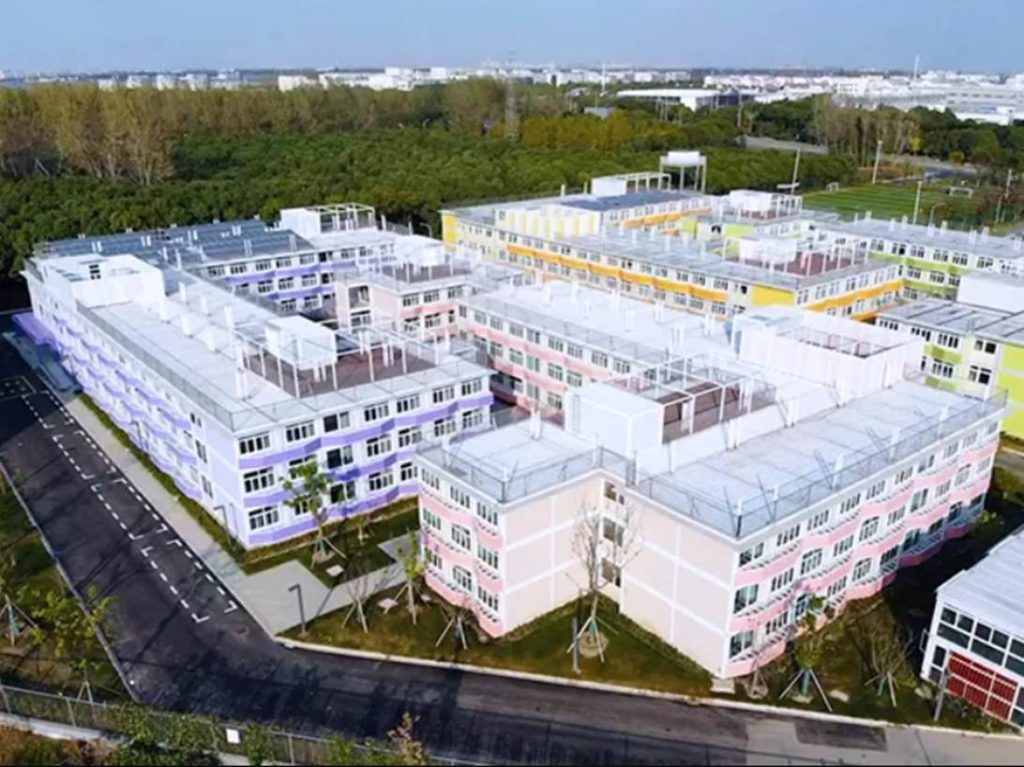
Fig. 5: A Housing Community Made of Flat Pack Containers
They can be lived in permanently, as a weekend cottage, rented out through Airbnb, and used as lodging for rural farmhouses. These homes are designed with proper insulation and prepared for foundations to function as well as possible in almost any climate.
Commercial Use
The demand for commercial flat pack buildings has dramatically increased and can be used in many applications, such as:
- Flat pack office buildings for construction sites.
- Flat pack modular buildings for retail or commercial use.
- Flat pack portable cabins for site management or security.
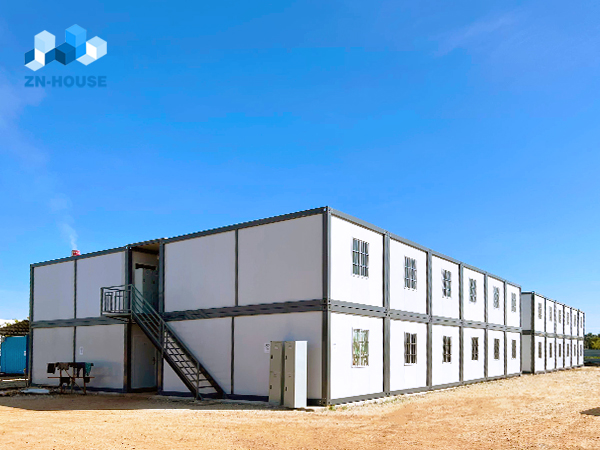
- Flat pack accommodation units for your workforce.
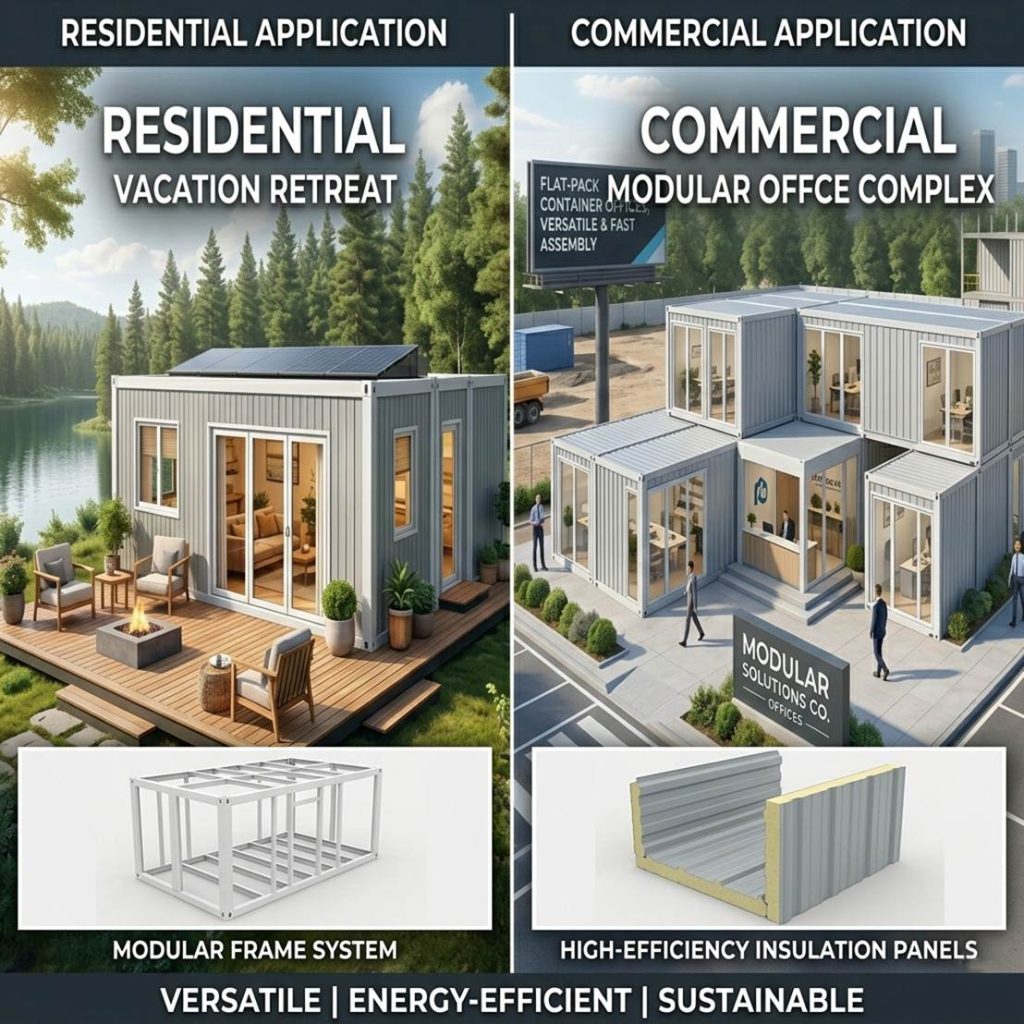
Fig. 6: The Dual Nature of Flat-Packs: Residential Retreats vs. Commercial Hubs
These buildings are often used as temporary camps, dormitories, medical facilities, and classrooms where speed and mobility are critical.
Flat Pack Home Kits vs Traditional Construction
There are numerous comparisons made by potential customers when looking at either a flat-pack home kit or a flat pack house kit versus traditional construction. Here is a basic comparison of freight rates:
| Feature | Flat Pack Homes | Traditional Houses |
| Construction Time | Days | Months |
| Cost | Lower (controlled production) | Higher (labor-intensive) |
| Transport | Easy, compact shipping | Not transportable |
| Expandable | Yes (modular) | Limited |
| Site Disruption | Minimal | Significant |
| Weather Impact During Build | Low | High |
Table 1: Comparative Analysis: Flat Pack Homes vs. Traditional Construction
Flat pack kit homes minimize construction uncertainty by moving as much work as possible to the factory, where it can be done without weather or labour disruptions.
Advantages of Flat Pack Prefab Homes
Fast Installation
Flat pack prefabricated housing systems utilize a bolt-fix construction method, minimizing the complication of on-site building. Components are pre-assembled and cut to size in the factory, allowing for much quicker assembly than traditional commercial construction with bricks and mortar. This allows rapid assembly to occur in remote areas or during emergencies.
Lower Shipping Cost
By transporting units as flat packs, numerous units can fit into one shipping container. As a result, this greatly reduces the cost of transporting the units internationally per square meter, thereby providing a competitive price to their overseas competition.
Modular Expansion
One of the main features of this technology is its ability to be expanded upon. New modules can be added at any time without having to change the basic structure significantly. As a result, phased investing and scalable development are possible with this technology.
Energy Efficiency
Insulation panels with advanced insulation, sealed joints, and consistent controlled manufacturing contribute to improved thermal performance. Buyers can select the appropriate type of insulation based on their climate, which can help improve indoor comfort and reduce energy consumption.
Durable Steel Structure
Unlike prefabricated timber houses, flat-pack tin container homes are built from a rectangular roller steel frame, which gives them good load-bearing and corrosion-resistant strength. If well-maintained, they can last structurally for many decades.
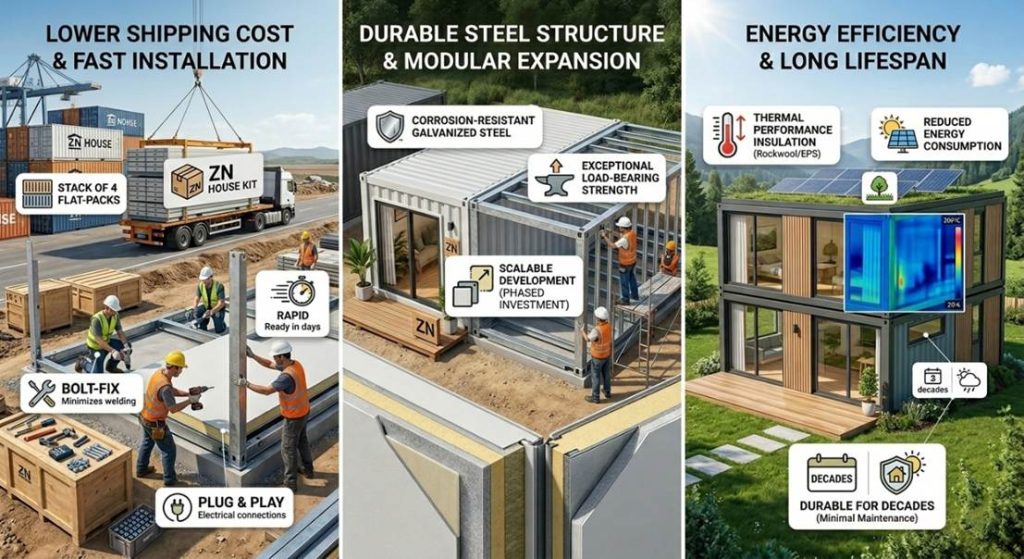
Fig. 7: Flat-Pack Efficiency: Installation, Structure, and Performance
Read this post from our blog about Why Western Sites Choose Flat Pack Containers – China’s Supply Chain Edge
How Much Do Flat Pack Container Homes Cost?
Numerous variables impact the price of flat pack container homes, including:
Dimensional Size: Floor area increases materially.
Number of Bedrooms: An increased number of bedrooms means more partitions and fittings to create complexity.
Site and Insulation Type: Typically, higher-density insulation panels are more expensive, but when appropriately applied, they will enhance effectiveness.
Interior Finishes: Flooring, sanitary fixtures and equipment, kitchen systems, etc.
Customization: Window treatments, exterior finish, and electrical service.
Pricing must be based upon detailed specifications, rather than approximate or commercial-only, due to the wide range in configuration and location of projects throughout the world.
Explore our latest blog post, The Comprehensive Guide to Flat Pack Containers: Solutions for Affordable, Sustainable Housing, to learn more about these versatile building solutions.
Frequently Asked Questions (FAQS)
Question: How long do flat pack container homes last?
Answer: Flat pack container homes have been designed to last many decades, provided they are made of galvanized steel framing, have an appropriate level of maintenance, and the combination of these two factors contributes to an overall lifespan of the structure.
Question: Are flat pack container houses suitable for cold climates?
Answer: Yes. Flat pack container homes can perform well in cold climates as long as they have the proper density insulation materials and thermal breaks to protect against extreme temperatures.
Question: Do I need a building permit to construct a flat pack container home??
Answer: Each location has different permit requirements, so it is advisable to check with your local authority for your city’s or county’s permit requirements before building your home.
Question: How many flat pack container units fit into one shipping container?
Answer: Depending on the configuration of the home, more than one flat pack container home can fit into a standard shipping container. The use of flat-pack containers allows the stacking of several units within a single shipping container.
Question: Can I expand my flat pack container home later?
Answer: Yes. Flat pack container homes can be expanded later by utilizing modular connections that allow you to attach additional units horizontally or vertically.
To know more about the details of the Flat Pack Container House, please visit our Product Page here.
Conclusion
Modular housing is being used as a viable, affordable, and user-friendly substitute for traditional construction. Modular structures can be built from several pre-assembled components, save time and money during transportation, and are installed quickly after being shipped to your location. There are many types of modular homes to choose from, from small one-bedroom homes to large multi-bedroom homes, so modular housing is an ideal solution for both rural and urban areas around the world.
Build Smarter with ZN House.
As a China-based flat pack container house manufacturer, ZN House delivers durable, energy-efficient flat pack container homes engineered for fast installation and long-term performance.
Request a Quote, Download Floor Plans, or Contact Our Team to explore how flat pack container homes can support your next project.
Explore the latest ZN House flat pack container home designs in this comprehensive video overview:
Similar Posts
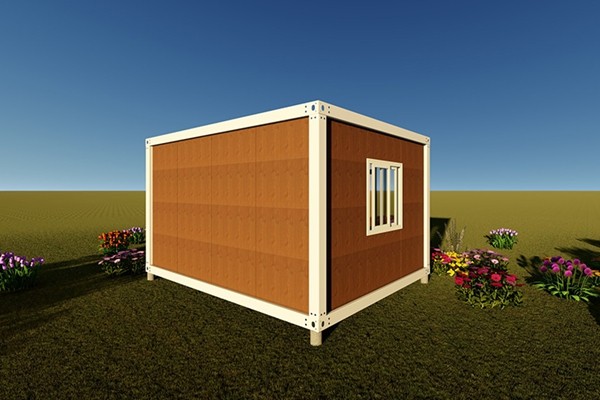
Explore the Convenience of Flat Pack Houses: A Smart Choice for Modern Living
In the fast-evolving world of construction, flat pack houses have emerged as a groundbreaking solution for…
Transforming Modern Living with Innovative Flat Pack Homes
The architectural industry continues to evolve with groundbreaking solutions that challenge conventional construction methodologies through advanced flat…
Insulating a Container Home: Complete Guide to Materials, Methods & Climate Challenges
Insulating Container Homes: Key Challenges You Can’t Ignore Insulating a container home requires addressing three critical…
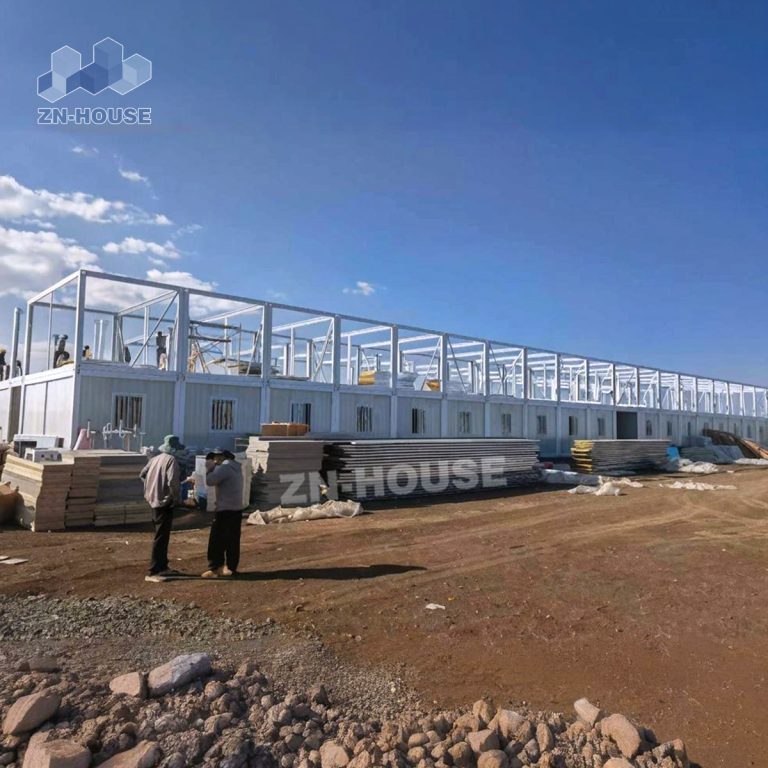
EPC Project Camp Construction — Practical Implementation of a Container-Based Approach
In outdoor Container Camps for EPC such as infrastructure, new energy, and mining, the efficiency and…
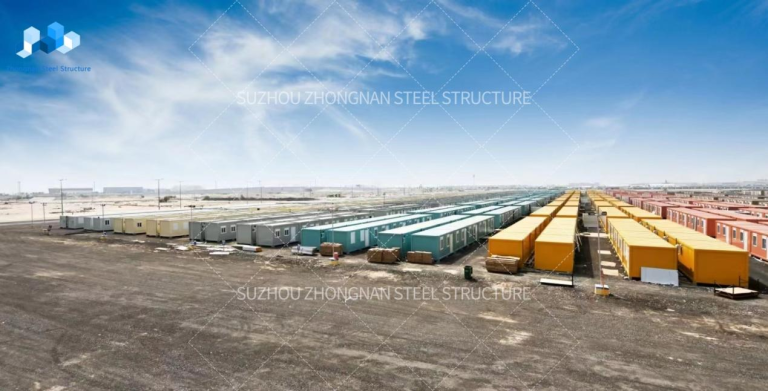
Qatar Shipping Container Hotel From ZN House
In September 2022, ZN House Steel Structure successfully delivered 1000 sets of shipping container hotels for the…
Regulatory Compliance and Permitting Protocols for Detachable Modular House in Urban Areas
Detachable modular houses, a major and eco-friendly method to address the problem of urban housing, have been…


