



Flat Pack Container Houses as Affordable Commercial Spaces
The restaurant industry is witnessing a transformative shift with the adoption of flat pack houses for sale, particularly flat pack container houses, as innovative solutions for affordable commercial spaces. These prefabricated structures are redefining how entrepreneurs launch food hubs, offering a blend of speed, cost-efficiency, and sustainability. Unlike traditional brick-and-mortar establishments, flat pack modular buildings arrive at the site with pre-finished roofs, floors, and walls, drastically reducing construction timelines. For startups operating on tight budgets, this approach eliminates the need for extensive on-site labor and minimizes disruptions to surrounding areas—a critical advantage in urban settings.
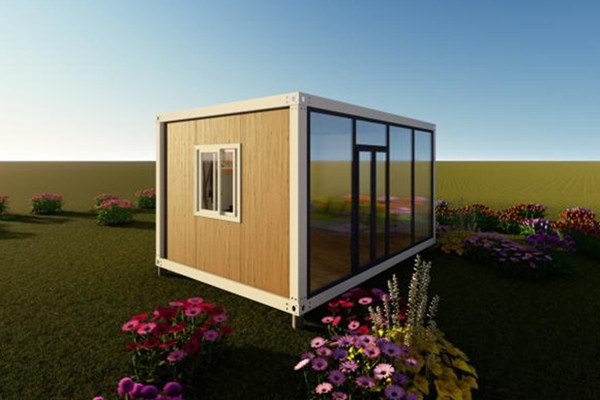
The appeal of flat pack homes lies in their modular design, which allows restaurateurs to customize layouts for kitchens, dining areas, or outdoor seating. The simplicity of assembly—often requiring only basic tools—empowers business owners to focus on branding and operations rather than navigating complex construction processes. Additionally, flat pack container houses can be easily expanded or reconfigured as the business grows, providing scalability that traditional buildings struggle to match. This adaptability is particularly valuable in dynamic industries like food service, where trends and customer demands evolve rapidly.
Beyond functionality, flat pack modular buildings offer aesthetic versatility. Modern designs incorporate sleek finishes, large windows, and eco-friendly materials, aligning with the growing consumer preference for sustainable dining experiences. By choosing flat pack building solutions, restaurant startups can project a forward-thinking image while keeping overhead costs low—a winning combination in today’s competitive market.
Cost-Effective Solutions with Flat Pack Container Houses
For aspiring restaurateurs, the financial barriers to entry are a significant challenge. Flat pack container houses address this by slashing upfront costs by up to 60% compared to conventional construction. These structures are manufactured off-site using standardized processes, which reduces material waste and labor expenses. The pre-installed roofing and flooring systems further cut down on assembly time, enabling businesses to open their doors faster and start generating revenue sooner.
The economic benefits of flat pack homes extend beyond initial savings. Their energy-efficient designs, often featuring insulated panels and solar-ready frameworks, lower utility bills over time. For pop-up restaurants or seasonal food hubs, flat pack modular buildings offer the flexibility to relocate or store units during off-peak periods, avoiding long-term lease commitments. This mobility is reshaping the food industry, allowing entrepreneurs to test concepts in multiple locations without hefty investments.
Moreover, flat pack building solutions align with the growing demand for eco-conscious business practices. Many units incorporate recycled materials and are designed for disassembly, reducing environmental impact. By opting for flat pack container houses, restaurant startups not only save money but also attract environmentally aware customers, enhancing brand loyalty in a crowded marketplace.
Design Innovation in Flat Pack Modular Buildings for Restaurants
Gone are the days when prefabricated structures were synonymous with bland, boxy designs. Today’s flat pack modular buildings for restaurants prioritize aesthetics and functionality, offering customizable exteriors and interiors that reflect a brand’s identity. From industrial-chic steel finishes to rustic wooden cladding, flat pack container houses can be tailored to suit diverse culinary themes—whether a cozy café or a high-end fusion kitchen.
The interior layout of flat pack homes is equally adaptable. Open-plan designs facilitate efficient workflow in kitchens, while modular partitions allow for private dining sections or event spaces. Large glass panels can be integrated to create inviting storefronts, blending indoor and outdoor experiences—a trend that resonates with modern diners. For outdoor food hubs, flat pack building units can be combined with decking or greenery to enhance ambiance without compromising portability.
Lighting and ventilation systems in flat pack container houses are also advancing. Energy-efficient LED setups and strategically placed skylights reduce reliance on artificial lighting, while cross-ventilation designs maintain air quality. These features not only improve customer comfort but also align with health and safety regulations, making flat pack modular buildings a practical choice for food businesses.
Sustainability and Durability of Flat Pack Building Solutions
Sustainability is no longer optional for restaurants—it’s a customer expectation. Flat pack container houses excel in this regard, utilizing materials like recycled steel and low-emission insulation. Their modular nature minimizes construction waste, and many designs incorporate rainwater harvesting or solar panel compatibility. For eco-driven startups, these features provide a tangible way to showcase their commitment to the planet.
Durability is another hallmark of flat pack homes. Engineered to withstand harsh weather conditions, these structures are ideal for both permanent installations and mobile setups. The corrosion-resistant coatings on flat pack building components ensure longevity, even in coastal or high-humidity environments. This resilience reduces maintenance costs and downtime, allowing restaurateurs to focus on delivering exceptional dining experiences.
Additionally, the compact footprint of flat pack modular buildings encourages efficient land use—a critical factor in densely populated cities. By maximizing vertical space or clustering units creatively, food hubs can thrive in areas where traditional construction would be impractical or prohibitively expensive.
FAQs: Restaurant Startups with Flat Pack Container Houses
How quickly can a flat pack container house be assembled for a restaurant?
Most flat pack modular buildings can be assembled within days, depending on size and complexity, thanks to pre-finished components.
Are flat pack homes suitable for extreme climates?
Yes! Flat pack container houses are designed with insulated panels and durable materials to perform well in both hot and cold environments.
Can I customize the layout of a flat pack building for my restaurant?
Absolutely. Flat pack modular buildings offer flexible floor plans to accommodate kitchens, bars, seating areas, and more.
Do flat pack container houses require special permits?
Permit requirements vary by location, but their standardized designs often simplify approval processes compared to traditional builds.
How eco-friendly are flat pack homes compared to conventional restaurants?
Flat pack building solutions typically use recycled materials and energy-efficient systems, making them a greener choice overall.
Ready to transform your restaurant vision into reality? Explore our premium range of flat pack houses for sale, including flat pack container houses and flat pack modular buildings, designed to meet the unique needs of food startups. Visit our website today to browse customizable options and kickstart your journey toward affordable, sustainable success. Don’t miss out—your future food hub awaits!
Similar Posts
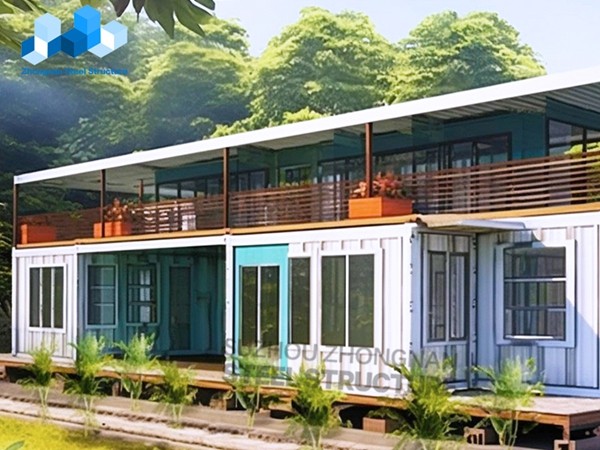
Innovative Container Homes
Container homes are gaining immense popularity worldwide due to their affordability, durability, and eco-friendly features. With…
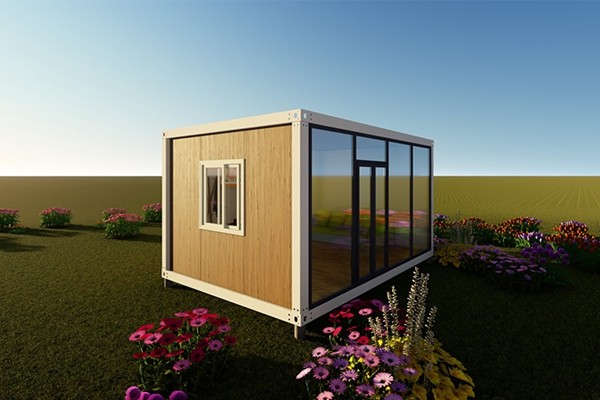
Flat Pack Container House for Sale
Are you looking for an affordable and efficient housing solution that combines convenience, modern design, and…

Folding Container House Space Expansion Tech
In the ever – evolving landscape of modern construction and housing solutions, folding container house technologies have emerged…

Foldable Container House Innovations Transforming Global Living Spaces
Suzhou Zhongnan Steel Structure Co., Ltd. has been a pioneering force in the construction and modular…
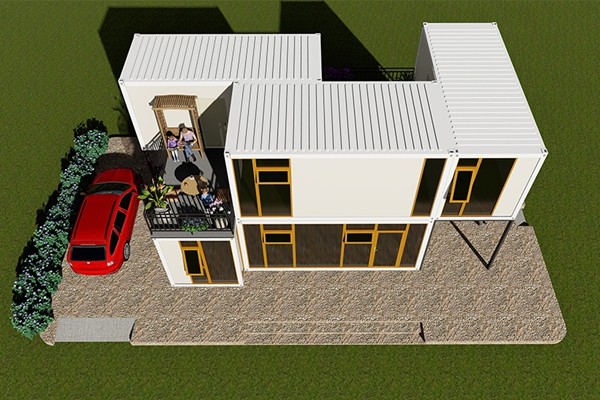
Exterior Cladding for a Shipping Container House
Exterior cladding is the unsung hero of shipping container house design—it enhances curb appeal, protects the steel…
The Versatility of Shipping Container Houses
Have you ever considered transforming a simple shipping container into a stylish and comfortable living space?…


