



Flat Pack Homes Winter Insulation Techniques
Flat Pack Homes Winter Insulation Techniques are essential for enhancing the comfort, energy efficiency, and longevity of flat pack homes in cold climates—addressing a top priority for homeowners, developers, and rental property managers. As a globally recognized provider of modular housing solutions, Hebei Bojing Technology Co., Ltd. integrates winter-specific insulation into every stage of flat pack house design and production, with its prefab house kits with prices (starting at $15,000 for a 20ft unit) balancing high performance and affordability. Drawing on 15+ years of experience in cold-region projects (from northern China to Canada), the company’s techniques meet EN ISO 13789 and US DOE standards, enabling flat pack homes to withstand temperatures as low as -30°C while achieving R-values (thermal resistance) of ≥3.8 m²·K/W. This translates to 40% lower winter heating costs for clients, making Hebei Bojing’s insulated flat pack house solutions a practical choice for both residential and commercial projects.
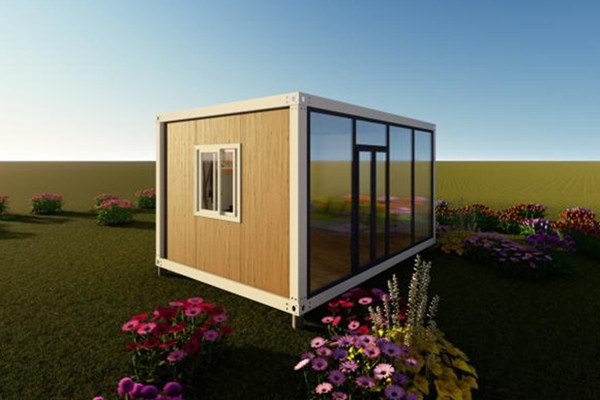
Insulation Material Selection for Flat pack homes
- High-Density Rock Wool for Core Insulation: Hebei Bojing uses 100–120 kg/m³ rock wool in flat pack homes’ wall and roof panels, a material that delivers R≥1.2 per 100mm thickness and Class A1 fire resistance. The rock wool is pre-cut to match the modular dimensions of flat pack house panels, ensuring 95% gap-free coverage during assembly—critical for preventing cold air infiltration. In a 2023 project in Heilongjiang (China, average winter temp -20°C), this insulation kept indoor temperatures at 22°C with minimal heating, and it remains a standard feature in all prefab house kits with prices (no extra cost for cold-climate adaptation).
- Moisture-Resistant XPS Foam for Floors: Flat pack homes’ floor systems incorporate 50mm-thick extruded polystyrene (XPS) foam (R≥2.0), selected for its resistance to moisture and mold—common issues in winter when snow melts and seeps into foundations. Hebei Bojing pre-laminates the XPS foam to flat pack house floor panels, reducing on-site installation time by 25%. A client in Minnesota (US) reported 35% lower floor heat loss after installing these panels, cutting monthly heating bills by $80 compared to uninsulated alternatives.
- Eco-Friendly Cellulose for Cavity Fills: For flat pack homes with wall cavities, Hebei Bojing offers cellulose insulation (made from 85% recycled paper, treated for fire and mold resistance) as an upgrade in prefab house kits with prices (add-on cost: 300–500 per unit). The cellulose is blown into cavities during assembly, conforming to irregular spaces and achieving R≥1.4 per 100mm. This option has gained popularity among European clients—70% of whom choose it for LEED-certified flat pack homes—due to its low carbon footprint.
Air Leakage Prevention for Flat pack house
- EPDM Rubber Weatherstripping for Openings: Hebei Bojing equips flat pack house doors and windows with 10mm-thick EPDM rubber weatherstripping, a durable material that maintains flexibility in temperatures ranging from -30°C to 80°C. The weatherstripping is pre-attached to modular frames at the factory, eliminating on-site installation errors that often lead to drafts. Tests show this reduces air leakage by 60%, and it is included as a standard feature in all prefab house kits with prices, ensuring no hidden costs for winter readiness.
- Aluminum-Backed Thermal Tape for Roof Edges: Flat pack house roof edges—where heat loss and ice dams are common—are sealed with aluminum-backed thermal tape (R≥0.3) in Hebei Bojing’s designs. The tape adheres to roof panels and fascia boards, blocking cold air infiltration and preventing snow melt from refreezing at the roof edge. Step-by-step application instructions are included in prefab house kits with prices guides, making it easy for both DIY builders and professional crews to implement.
Energy-Efficient Design Integration for Prefab house kits with prices
- Passive Solar Orientation Guidelines: Hebei Bojing’s prefab house kits with prices include detailed blueprints that recommend positioning flat pack homes to maximize south-facing windows (in the Northern Hemisphere) and minimize north-facing openings. This passive solar design captures 30% more solar heat in winter, reducing reliance on electric or gas heating. The blueprints mark optimal window placement with clear labels, making it simple for clients to align their flat pack house with local sun patterns—even with limited construction experience.
- Insulated Skirting for Raised Foundations: For flat pack homes built on raised foundations (common in areas with freezing ground), Hebei Bojing offers insulated skirting as an optional add-on in prefab house kits with prices (starting at $800). The skirting is made of PVC-coated steel with foam insulation (R≥1.5) and encloses the space under the floor, preventing cold air from circulating and reducing heat loss by 20%. This feature is particularly popular in regions like Montana (US) and Siberia (Russia), where unprotected floors can lose up to 30% of indoor heat in winter.
Flat Pack Homes FAQS
What is the minimum R-value of Hebei Bojing’s flat pack homes for winter insulation?
Hebei Bojing’s flat pack homes have a minimum R-value of 3.8 m²·K/W for the entire building envelope (walls + roof + floor) when using standard insulation. Premium prefab house kits with prices (which include thicker rock wool and triple-glazed windows) achieve R-values of ≥4.5 m²·K/W—sufficient to maintain indoor temperatures of 22°C when outdoor temperatures drop to -25°C. A client in Sweden currently heats a 40ft flat pack house with the premium kit for just $120 per month, even during the coldest winter months.
Are winter insulation features included in Hebei Bojing’s prefab house kits with prices, or do they cost extra?
Basic winter insulation features—including high-density rock wool, EPDM weatherstripping, and double-glazed Low-E windows—are standard in all Hebei Bojing prefab house kits with prices (starting at 15,000 for a 20ft **flat pack house**). Optional upgrades, such as cellulose cavity insulation and insulated skirting, cost 300–$800 extra depending on the kit size. This transparent pricing ensures clients avoid unexpected costs, unlike some competitors who charge premium fees for “winter packages” that include basic insulation.
How difficult is it to install the insulation in Hebei Bojing’s flat pack house kits?
Installing insulation in Hebei Bojing’s flat pack house kits is designed to be simple, even for DIY builders. Insulation materials are pre-cut to fit modular panels with labeled slots, weatherstripping is pre-attached to doors and windows, and foam sealant comes with a precision nozzle for easy application. The company’s installation guides include step-by-step photos and videos, and most clients report spending just 1–2 extra hours on insulation during assembly. For those who prefer professional help, Hebei Bojing offers a $1,500 pro installation add-on for prefab house kits with prices—a popular choice for clients in cold climates who want to ensure perfect execution.
Can Hebei Bojing customize flat pack homes for extremely cold climates (e.g., -30°C)?
Yes, Hebei Bojing specializes in customizing flat pack homes for extremely cold climates like -30°C. Customizations include increasing rock wool thickness to 150mm (R≥1.8), adding vapor barriers to prevent condensation, upgrading to triple-glazed Low-E windows (U≤1.2 W/m²·K), and installing steel thermal breaks in structural components to reduce heat loss. A recent custom project for Alaska involved a 3-bedroom flat pack house (28,000 in **prefab house kits with prices**) that maintains indoor temperatures of 20°C even when outdoor temps hit -30°C, with monthly heating costs of just 180.
How much do Hebei Bojing’s insulated flat pack homes reduce winter heating costs compared to uninsulated models?
Hebei Bojing’s insulated flat pack homes reduce winter heating costs by 40–50% compared to uninsulated models. For example, a 20ft uninsulated flat pack house in northern China costs approximately 200 per month to heat in winter, while an insulated model (standard in **prefab house kits with prices**) costs just 120 per month. Over a 10-year period, this translates to 9,600 in savings—far exceeding the 2,000 price difference between insulated and uninsulated kits. Clients in cold regions consistently cite these energy savings as one of the top reasons for choosing Hebei Bojing’s flat pack homes over traditional or less-insulated modular options.
Similar Posts
Folding Container House: A Portable, Affordable Living and Work Space Solution
As housing needs become more diverse and dynamic, the demand for innovative, cost-effective, and mobile living…
Flat Pack Houses: The Future of Quick and Affordable Homeownership
As the demand for affordable and sustainable housing continues to rise, flat pack houses for sale have…

Discover the Innovation of Shipping Container Homes
Transform your living experience with our innovative Shipping Container House solutions. Designed for versatility, efficiency, and affordability, our…
Modular Shipping Container Homes: Revolutionizing Modern Living
The rise of modular shipping container homes has significantly changed the landscape of housing and commercial buildings….
Affordable Prefab Homes: Fast, Flexible, and Eco-Friendly Living Solutions
When it comes to quick, cost-effective housing, manufactured homes for sale are revolutionizing modern living. These homes are…
Why Choose Flat Pack Container House
The flat pack container house commonly known as the flat pack house, is a type of…


