



Flat Pack Houses: The Future of Quick and Affordable Homeownership
As the demand for affordable and sustainable housing continues to rise, flat pack houses for sale have become an increasingly popular option. These homes offer a cost-effective solution for individuals and families looking to build their own homes quickly and easily. A flat pack house is designed to be delivered in a disassembled form, often in flat panels or sections, which are then assembled on-site. This method not only reduces the cost of labor and construction but also offers greater flexibility in design and location. If you’re looking for innovative housing solutions, flat pack container house suppliers offer an eco-friendly and versatile alternative that combines affordability with sustainability.
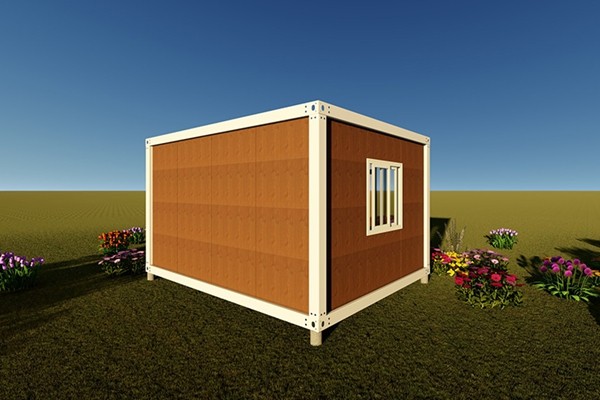
What is a Flat Pack House?
A flat pack house is a prefabricated home that is manufactured in a factory and delivered to the construction site in a disassembled, flat-packed form. Once it arrives, the components are assembled to create a fully functional living space. The panels, roofing materials, and other components are pre-cut and designed for easy assembly, significantly reducing the time and effort required for construction compared to traditional building methods.
Flat pack houses are designed with flexibility in mind. They can be customized to suit different needs, from small, compact homes to larger family-sized structures. The beauty of flat pack houses lies in their simplicity: they can be constructed using minimal labor, and in some cases, can even be assembled by the homeowners themselves.
Types of Flat Pack Houses
There are several different types of flat pack houses available, each offering unique advantages depending on your needs and preferences:
Traditional Flat Pack Homes: These are the most common type of flat pack houses. They come with pre-fabricated wall panels, flooring, and roofs that are designed for easy assembly. Traditional flat pack homes often feature modular designs, making it possible to add additional rooms or expand the house over time.
Eco-Friendly Flat Pack Homes: Many modern flat pack homes focus on sustainability. These houses are constructed with environmentally friendly materials, such as recycled wood, steel, or insulated panels, to reduce their carbon footprint. Additionally, energy-efficient systems like solar panels and rainwater collection systems can be incorporated into the design.
Flat Pack Container Homes: Flat pack container houses are becoming increasingly popular for their durability, cost-effectiveness, and eco-friendliness. These homes are made from repurposed shipping containers, which are modified and transformed into comfortable living spaces. Flat pack container house suppliers offer a variety of designs, from single-container homes to larger multi-container structures.
Why Choose a Flat Pack House?
Affordability: One of the most significant advantages of a flat pack house is its affordability. Since the components are pre-fabricated and delivered to the construction site, there is a significant reduction in labor costs. The simplicity of the assembly process also minimizes overall construction time, further lowering costs.
Quick Construction: Traditional home construction can take months, but a flat pack house can often be assembled in just a few weeks. The components are designed to fit together seamlessly, allowing for quick and efficient assembly. This is particularly beneficial for people who need to move into a new home in a short amount of time.
Customizability: Flat pack homes are highly customizable. Whether you’re looking for a minimalist design or a more luxurious option, flat pack houses can be adapted to suit your style and needs. You can choose different floor plans, finishes, and materials to create the perfect home for you.
Portability: Some flat pack houses are designed to be portable, making them ideal for temporary living situations, vacation homes, or off-grid locations. If you ever need to relocate, you can dismantle and move your home to a new site, making it a versatile option for those who value mobility.
Sustainability: Many flat pack homes are designed with sustainability in mind. From energy-efficient designs to the use of recyclable materials, these homes are an environmentally friendly housing solution. Flat pack container houses, in particular, are a great example of upcycling, as they repurpose shipping containers that would otherwise go to waste.
What Are Flat Pack Container Houses?
Flat pack container houses are a unique type of prefab home that uses shipping containers as the core structure. These containers are repurposed and modified to create comfortable and functional living spaces. The design is simple, durable, and customizable. Some flat pack container house suppliers offer a variety of configurations, such as single-container homes, multi-container homes, or hybrid designs that combine containers with traditional building materials.
The appeal of flat pack container houses lies in their strength, versatility, and eco-friendliness. Shipping containers are built to withstand harsh conditions, making them an ideal choice for areas with extreme weather. They are also highly secure and resistant to pests and fire. Container homes are often used for off-grid living, as they can easily be equipped with solar panels, composting toilets, and other sustainable systems.
How to Choose the Right Flat Pack House for Sale
When looking for a flat pack house for sale, there are a few key factors to consider to ensure you choose the right home for your needs:
Budget: Flat pack houses are often more affordable than traditional homes, but prices can still vary depending on size, design, and location. Consider your budget carefully and make sure to account for additional costs such as transportation, permits, and site preparation.
Design and Layout: Think about how much space you need. Flat pack houses come in various sizes and layouts, from compact homes for single occupants to larger homes for families. Choose a design that suits your lifestyle and long-term needs.
Sustainability: If environmental impact is important to you, look for flat pack houses that use sustainable materials and energy-efficient designs. You can also ask the supplier about additional green features like solar panels or rainwater collection systems.
Manufacturer Reputation: When purchasing a flat pack house, it’s important to choose a reputable supplier. Look for companies with positive reviews and a track record of delivering high-quality homes on time. For flat pack container houses, make sure the supplier is experienced in working with shipping containers and knows how to modify them for residential use.
Assembly Requirements: Depending on your skills and preferences, you may want to choose a flat pack house that is easy to assemble with minimal help. Some companies offer assembly services, while others provide detailed instructions for DIY construction.
Flat Pack Houses FAQs
1. How much do flat pack houses cost?
The cost of a flat pack house varies depending on size, design, and location. On average, you can expect to pay between $10,000 and $50,000 for a basic flat pack home. Larger or more customized homes can cost more.
2. How long does it take to build a flat pack house?
Most flat pack homes can be assembled within a few weeks, depending on the complexity of the design. The components are pre-fabricated, so the construction process is much faster than traditional methods.
3. Can I customize a flat pack house?
Yes, many flat pack house suppliers offer customizable options, including different floor plans, finishes, and materials. You can design a home that fits your style and needs.
4. Are flat pack container houses safe?
Yes, flat pack container houses are safe when properly designed and assembled. Shipping containers are strong, durable, and resistant to weather, pests, and fire.
5. Can flat pack houses be moved?
Some flat pack houses are designed to be portable. You can disassemble and relocate them to a new site, making them ideal for temporary living situations or vacation homes.
Similar Posts

Revolutionary Modular Living Space Solutions
In today’s architectural field, modular construction is transforming traditional building methods with its unique advantages. As…
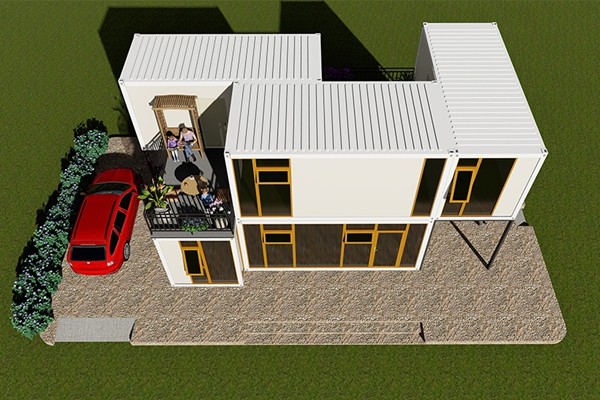
Why Crate Modular Homes are Ideal for Small Families
In the quest for the perfect home, small families often seek a balance between functionality, affordability,…
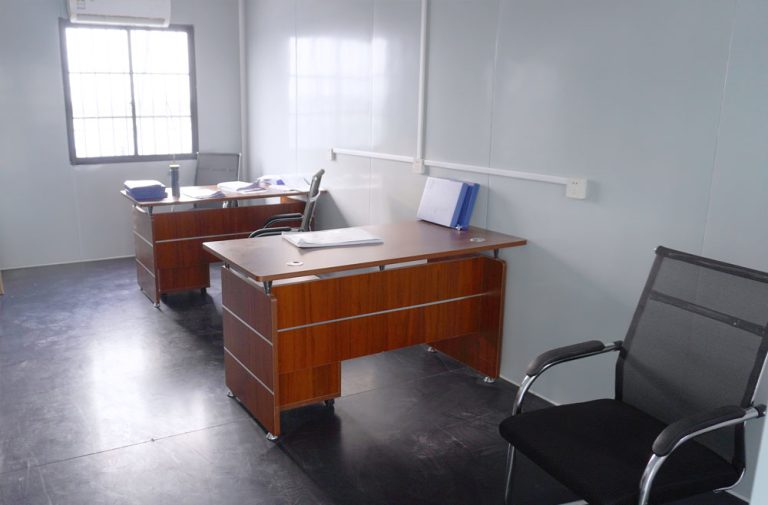
Make the Most of Your Space in a Shipping Container Home or Office
In recent years, shipping container homes and offices have gained immense popularity, revolutionizing the way we…
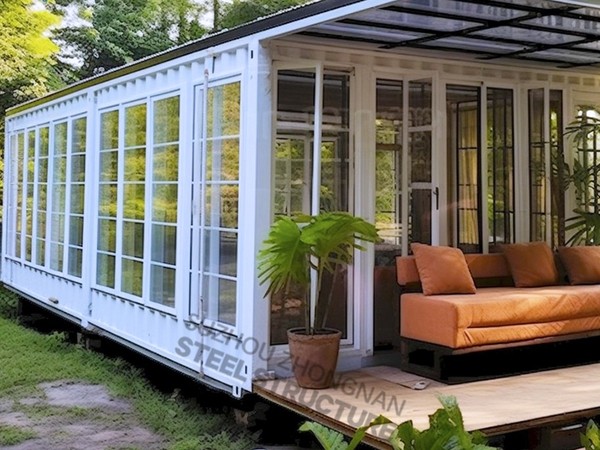
Easy Assemble Houses: The Future of Quick, Affordable Living
In today’s fast-paced world, easy assemble houses have become an attractive solution for those seeking quick, affordable,…

Foldable Container Homes: The Future of Compact Living
As the demand for sustainable, affordable, and flexible housing solutions grows, fold out container houses have emerged…
Prefab House For Harsh Climates: Engineering Resilience In Extreme Environments
In the face of escalating climate volatility—from Arctic tundras to scorching deserts—traditional construction often falters. Enter prefab…


