



Guide to Building Manufactured Homes on Acreage
The dream of owning a spacious home nestled within your own piece of land is more attainable than ever, thanks to the evolution of modern manufactured homes on acreage. This journey represents a powerful convergence of affordable homeownership, personalized design, and the freedom that comes with significant land. Unlike traditional site-built construction, which can be plagued by delays, budget overruns, and weather dependency, choosing to have manufactured homes built on your property offers a streamlined, efficient, and predictable path to creating your perfect residence. This comprehensive guide will navigate you through every critical phase of the process, from initial land assessment to the final placement of your dream home, ensuring you are fully equipped to make informed decisions.
At its core, placing a manufactured home on property you own is a liberating venture. It combines the customization and permanence of traditional housing with the cost-effectiveness and speed of factory-built precision. For decades, ZN House has been at the forefront of this movement, pioneering high-quality, safe, and innovative modular living solutions. Since our founding in 2005, we have grown from a specialist in modular containers to a global provider, exporting our expertise to over 50 countries. Our mission is to empower landowners worldwide by transforming the complex process of building a manufactured home on property into a clear, collaborative, and rewarding experience. This guide distills our nearly two decades of industry knowledge into a practical roadmap for your success.
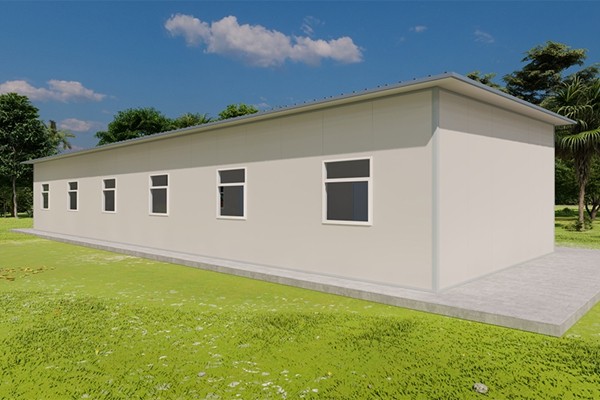
Planning Your Manufactured Home on Property
The first and most crucial step in your journey is meticulous planning. Successfully integrating a manufactured home on property begins long before the home arrives on a delivery truck. It starts with a deep understanding of your land and your vision. This phase involves three key pillars: Land Assessment, Design Selection, and Financial & Regulatory Preparation.
Land Assessment: Not all acreage is created equal for placing manufactured homes on acreage. A professional site evaluation is essential. This includes conducting a percolation test for septic system viability, verifying well water access or municipal hookup availability, assessing soil composition for foundation suitability, and checking the topography for drainage and placement. Understanding the sun’s path, prevailing winds, and scenic views will also inform the optimal orientation of your home.
Design Selection: This is where your dream takes shape. Modern manufactured homes built today offer astonishing levels of customization. Working with a design consultant, you can select from a wide range of floor plans, exterior finishes, roofing styles, and interior packages. Consider how the home’s layout will interact with the land—positioning living areas to capture views, planning deck or patio spaces, and ensuring practical access from the driveway. This is the stage to prioritize energy efficiency, smart home features, and interior finishes that reflect your lifestyle.
Financial & Regulatory Preparation: Secure your financing early. Lenders often have specific requirements for loans on manufactured homes on acreage, which may differ from traditional mortgages. Simultaneously, you must navigate local zoning laws, building codes, and permit requirements. This typically involves submitting your home’s engineering plans, site plan, and foundation design to the local building authority for approval. Proactively addressing these logistical and bureaucratic hurdles ensures a smooth transition to the next phase.
The Process of Getting Manufactured Homes Built
Once planning is complete, the exciting process of seeing your home come to life begins. The construction of modern manufactured homes built in a controlled factory environment is a marvel of efficiency and quality assurance. This phase demystifies what happens from the factory floor to your foundation.
Factory Construction: Your home is constructed indoors, protected from the elements that commonly delay and damage traditional builds. Skilled craftsmen work on a precise assembly line, adhering to rigorous federal HUD code standards (in the U.S.) or other stringent international building codes. This controlled setting allows for superior quality control at every stage—from framing and insulation to plumbing, electrical, and drywall. You can often choose to visit the factory at key milestones to see the progress firsthand.
Simultaneous Site Work: While your home is being manufactured homes built in the factory, parallel work is happening on your acreage. This includes site clearing, grading, and the installation of the permanent foundation—typically a pier system or a full concrete perimeter foundation. Utilities such as the septic tank, well, or connection points are also installed during this time. This synchronized approach is the secret to drastically reduced overall project timelines.
Transportation & Delivery: Coordinating the delivery of a large structure requires expert logistics. Your provider will plan the route, obtain necessary transport permits for oversized loads, and schedule the delivery for the day your site and foundation are fully prepared. This critical handoff between factory and site teams is a hallmark of a professional operation.
Installation and Finishing Your Manufactured Home on Acreage
Delivery day marks a significant milestone. This phase involves the physical placement of your home and the completion of all systems to make it fully livable. Proper execution here is key to the long-term performance and comfort of your manufactured home on acreage.
Crane Placement & Securing: Using a large crane, the home sections are carefully lifted from the transport trailers and set onto the prepared foundation. This operation requires an experienced crew to ensure perfect alignment. Once positioned, the home is permanently anchored to its foundation according to engineered specifications to provide exceptional stability and resistance to wind loads.
Marriage & Systems Integration: For multi-section homes, the “marriage” process involves joining the sections together seamlessly. The roof seam is sealed, interior walls are connected, and flooring is matched. Following this, contractors perform the “tie-ins,” connecting the home’s pre-installed plumbing and electrical systems to the site’s water, sewer, and power sources.
Final Inspections & Finishing Touches: A final building inspection by local authorities is required to receive a Certificate of Occupancy. After passing inspection, the final site work is completed. This includes constructing porches, decks, and steps, connecting the driveway, and executing final landscaping. The interior receives its finishing touches, such as appliance installation, painting touch-ups, and a thorough professional cleaning before you receive the keys.
Long-Term Value of a Manufactured Home on Property
Investing in manufactured homes on acreage is not just about acquiring a house; it’s about building lasting equity and enjoying a customized lifestyle. A well-executed project yields substantial long-term benefits that extend far beyond the initial move-in date.
Financial Equity & Appreciation: A manufactured home on property that you own combines the appreciating asset of land with the value of a permanent structure. When permanently affixed to a privately owned foundation and land, these homes can appreciate in value similarly to site-built homes, especially as you make improvements to the home and landscape the property.
Customization & Lifestyle Freedom: You have the freedom to tailor your living space to your exact needs from the start. Furthermore, the acreage itself becomes an extension of your home—space for gardens, recreational areas, workshops, or future expansions. This lifestyle flexibility is a primary motivator for choosing this path.
Durability & Low Maintenance: Today’s manufactured homes built to high standards are durable, energy-efficient, and designed for easy maintenance. Modern materials and construction techniques result in homes that are well-insulated, resilient, and cost-effective to heat and cool, providing comfort and savings for years to come.
About Manufactured Homes on Acreage FAQs
What are the main advantages of choosing manufactured homes on acreage?
The advantages are multifaceted.Firstly, Cost Efficiency: Factory construction reduces labor and material waste, offering more home for your budget. Secondly, Speed: The build time is often 30-50% faster than site-built homes. Thirdly, Quality Control: Indoor construction ensures precision and protects materials from weather damage. Fourthly, Customization: Modern designs offer extensive layout and finish options. Finally, Land Equity: You build wealth through both the structure and the land it sits on, offering a sound financial investment.
How does the process of getting manufactured homes built differ from traditional construction?
The process is fundamentally more streamlined and predictable.Manufactured homes built in a factory follow a scheduled assembly line, eliminating weather delays. The construction occurs concurrently with site preparation, collapsing the project timeline. Financing and design choices are consolidated upfront, preventing mid-project cost overruns. All materials are purchased in bulk at fixed prices, and every step is subject to rigorous in-plant inspections, ensuring consistent quality that is sometimes variable in traditional scattered-site building.
What should I look for in a property to place a manufactured home on?
When selecting land for amanufactured home on property, prioritize these factors: Access: Ensure the road and driveway can accommodate delivery trucks and a crane. Utilities: Confirm availability and cost of connecting to water, sewer (or septic feasibility), and power. Zoning: Verify the land is zoned for permanent residential use and allows manufactured homes. Topography: Relatively flat, well-draining land is most cost-effective for foundation work. Soil: A soil test can reveal stability for support piers. A reputable provider will often assist with this evaluation.
Can a manufactured home on acreage be as durable as a site-built home?
Absolutely.Modern manufactured homes built to federal HUD codes or other international standards are engineered for transportation and lifetime durability, often making them structurally robust. When permanently installed on a solid foundation—such as a full basement or perimeter concrete footing—and properly anchored, they achieve equal durability and wind resistance to many site-built homes. High-quality manufacturers use the same or superior materials (lumber, insulation, roofing) as the traditional construction industry.
Why is ZN House a trusted partner for building a manufactured home on my land?
ZN House brings nearly 20 years of specialized,global expertise to your project. We are not just a manufacturer; we are a team-driven partner dedicated to your success. Our journey began with a commitment to fill the market gap for high-quality, high-safety modular homes, and that commitment remains our core value. We guide you through the entire process—from initial land assessment and custom design to navigating regulations, factory construction, and final installation. Our extensive experience in exporting to diverse climates and regulatory environments means we are uniquely equipped to handle the complexities of your project, ensuring you receive a beautiful, durable, and valuable manufactured home on property that exceeds expectations.
Similar Posts
High-Grade Factory Direct Fabricated Homes for Sale Wholesale
The construction industry is undergoing a transformation with the rise of Pre Fab Houses for Sale, offering…

Foldable Container House Modern Living Solution
The construction industry is evolving rapidly, and Foldable Container House solutions are leading this transformation. As a premier…

Foldable Container Homes: Smart Living for Modern Needs
The housing industry is evolving, and folding container house designs are leading the charge. These innovative structures offer…

Safety Standards in Crate Modular Homes Manufacturing
The global demand for efficient, durable, and rapidly deployable housing solutions has propelled the growth of…
Engineered Expandable Modular House Solutions
The demand for modern, flexible, and durable housing solutions has surged, especially among large-scale buyers looking…

Assemble House Container Home Cost Breakdown
In the evolving world of housing, assemble house and assemble container house have emerged as popular alternatives, attracting…


