



How to Choose the Right Container House for Your Project
Introduction
Container house solutions are rapidly changing how we construct buildings on a global level, allowing us to be very flexible and adaptable in our designs while being cost-effective. Container-based constructions can be built quickly, flexibly, and cost-effectively, making them an excellent option for residential, commercial, industrial, and humanitarian projects. They are now an important part of the supply chain for contractors and developers, as well as for local government agencies.
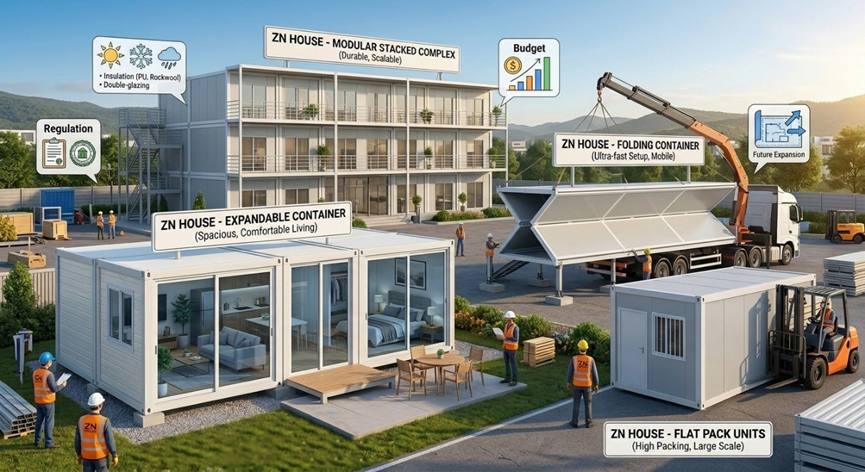
Fig. 1: Comprehensive Visual Guide to ZN House Modular Building Solutions
ZN House has been the foremost manufacturer of modular/prefabricated building systems. Their selection includes container houses in several types, detachable, flat-packs, folding, expandable, and modular; all designed to meet the various requirements of individual projects with a complete range of models available. This guide provides a detailed, engineering-driven approach that assists prospective buyers in selecting the appropriate container home for their project.
Why Choose a Container House?
Traditional construction is unable to compete with the flexibility, speed, and durability of container houses, especially modular container houses.
Key Advantages
Flexible, Portable, and Quick to Install: Modular systems are really easy to set up and move around. They can also be installed quickly. This is because they are built in a factory and then put together at the construction site.
Cost and Time Efficiency: This can make the whole project go a lot faster. In fact, it can be done up to 50% faster.
Versatile Applications:
Suitable for:
- Residential homes
- Site offices
- Worker dormitories
- Temporary camps
- Commercial spaces
Scalable Modular Design: Shipping container modular systems easily allow a project to grow, whether it is just one unit or multi-story complexes.
Key Considerations Before Purchasing
Selecting the best modular container home option depends on some important factors:
Project Duration
Short-term Projects:
Folding container houses, flat-pack containers
Long-term Use:
Detachable or expandable container houses
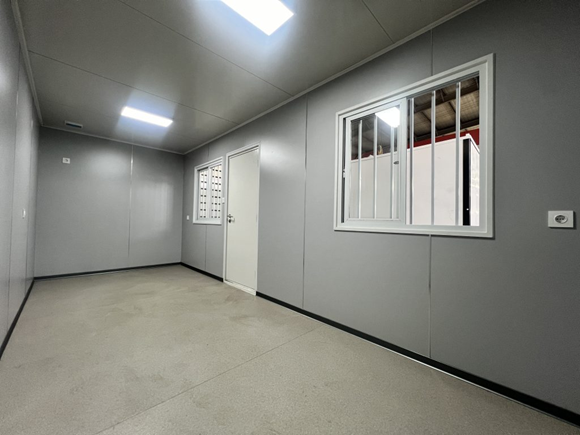
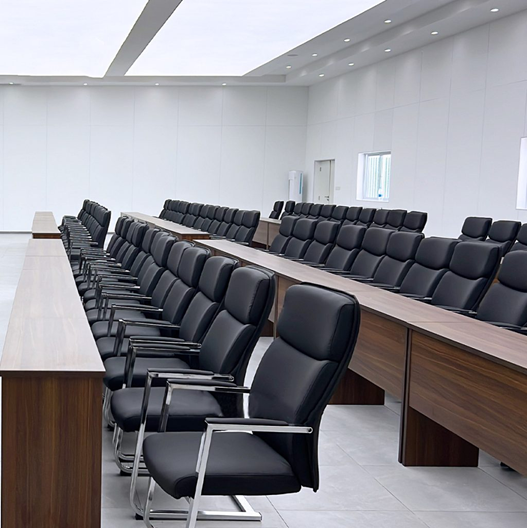
Fig. 2: Inside view of the site office container
Climate Conditions
The container house’s “skin” dictates its energy efficiency.
Tropical and Hot Regions:
- Using reflective coatings on your roof, building up the roof with vents, and using high-performance ‘sandwich’ structures with higher insulation values (e.g., PU panels with high or super R-values) will help reduce solar gain into your home and maintain indoor temperature.
- Any modular container building can incorporate mechanical ventilation and cross-ventilation through movable windows.
Cold Regions:
- PU or Rockwool (50mm – 75mm thick) exceeds the performance of basic EPS; they will also perform better thermally and acoustically than EPS panels, particularly in colder climates.
- The use of double-glazed windows combined with thermally broken window frames will help to reduce both heat loss and the likelihood of condensation occurring within your building.
Humid Regions:
- Powder-coated galvanized steel frames offer better protection against corrosion than painted black steel frames. This makes powder-coated galvanized steel frames a highly desirable housing material for places with humid and coastal environmental conditions. Using moisture-resistant materials for interior finishes, elevated foundations, and well-designed drainage systems will help to prolong the lifespan of both the structure and interior finishes.
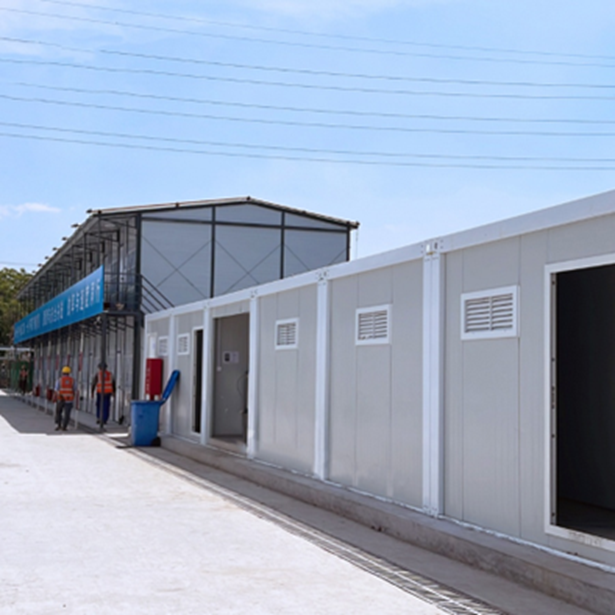
Fig. 3: One-Storied Multi-Unit Site Office Container
Space Requirements
Expandable Containers:
- ZN-House expandable container houses can unfold to create two or three times their transport footprint to produce a spacious, open-plan living space or showroom inside one module.
- ZN-Houses can combine with each other, and bedroom, bathroom, and kitchenette modules can easily be plugged and played into these containers.
Modular Flat-Pack Units:
- Container houses constructed as flat pack are designed to be able to be combined as repeatable structures for larger buildings (dorms/ schools/ offices).
- The modularity in size and connection design allows for easy engineering, permitting and construction when constructing future additions to the structure.
Local Regulations
Make sure your intended modular and container buildings meet the following requirements before placing an order:
- Permits and zoning regulations for modular buildings or prefabricated structures
- Fire safety regulations, including insulation’s fire rating (example would be non-combustible mineral wool for high-risk activities), evacuation routes, and emergency lighting
- Standards for structural safety related to wind, snow, and earthquake; ZN House provides load ratings of framing members (thickness), maximum loads, and maximum stacking as support documentation for building permit approval.
Budget
Economical Options for Short-Term Use:
- Portable flat and folding units provide a low square meter price for temporary accommodation, camps, and site offices, as before, with the added benefit of high packing efficiency.
Durable Investments for Long-Term Use:
- When it comes to long-term projects, removable container houses that have a thicker frame and superior insulation provide a higher value in terms of life cycle.
- Also, expandable container houses are more expensive per unit, but they provide a higher level of space, comfort, and appearance to suit residential or commercial applications.
Types of Modular Container Houses
With engineered steel frames, insulated panels, and standardized connections, ZN House provides a comprehensive selection of modular container homes and modular shipping container homes.
Overview Table: Main Types and Use Cases
| Type | Key features | Typical applications | Recommended for |
| Detachable Container House | Robust galvanized frame, long lifespan, flexible interior, replaceable parts.What-Is-a-Detachable-Container-House.docx | Permanent offices, worker dormitories, schools, staff housing.What-Is-a-Detachable-Container-House.docx | Long-term or semi-permanent projects |
| Flat Pack Container House | Modular design, ships flat, rapid installation, and high packing efficiency. | Construction camps, disaster-relief housing, project offices. | Large-scale or time-sensitive deployments |
| Folding Container House | Foldable structure, extremely compact in transport, ultra-fast setup. | Temporary housing, mobile offices, emergency shelters. | Projects with frequent relocation or transport limits |
| Expandable Container House | Expandable sidewalls, spacious interior, plug-and-play services. | Family homes, vacation cabins, showrooms, mobile shops. | Users prioritizing comfort, aesthetics, and ready-to-use |
How to Choose the Right Size and Layout
Sizing and setting up your modular container buildings correctly is essential for future growth, compliance, and usability.
Assess Your Available Space
Site Measurements and Conditions:
- Determine the size/shape of the area where work will occur (length, width, and height, including crane reach/access from trucks and turning radius).
- Evaluate all areas for flatness, slope, bearing capacity of the soil, and drainage paths to find if there are any obstacles that may cause issues, such as tree roots.
Mobility and Access:
- Verify that local transportation regulations, bridge clearances, and road width allow the delivery of 20 or 40-foot modules or flat packs for mobile or remote projects.
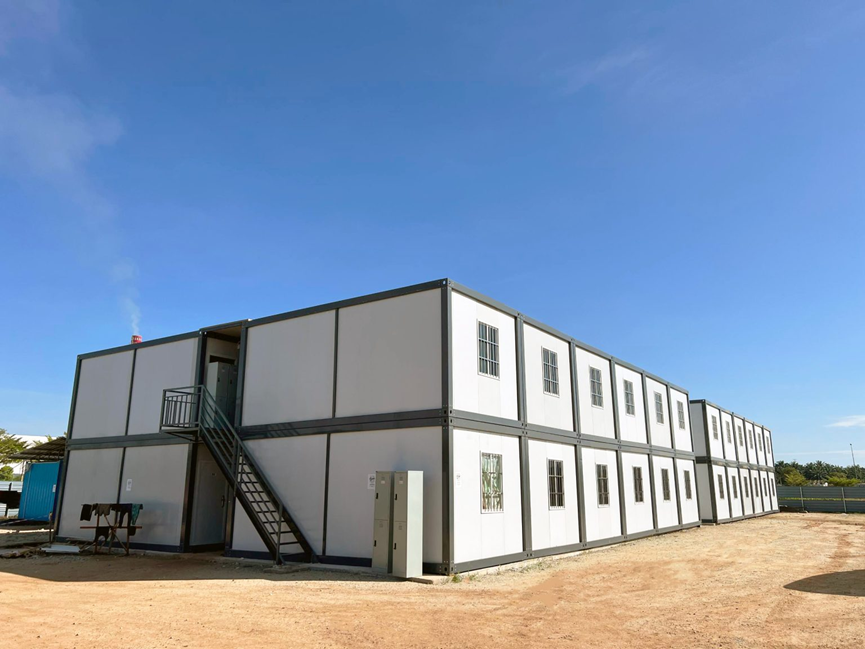
- Fig. 1: A two-storied and multi-unit site office container project
Standard Container Sizes
In addition to supporting custom dimensions for particular modular container house projects, ZN House designs around standard ISO-based container modules.
20ft Container:
- Dimensions (size): Approx. 6.06m x 2.44m x 2.59m, with usable floor area approx. 14m² to 15m², depending upon wall construction (specifications provided by the customer).
- Typical Use: single room equivalent to a dormitory; compact offices, toilets, security booths, utility areas.
40ft Standard Container:
- Dimensions: 12.19 m long by 2.44 m wide by 2.59 m high (approx.), with usable floor area approx. 28m² to 30m² (i.e. 2x 20ft container units) [user specification]
- Typical Application: single-family residence (2 bedrooms), single unit with all bedrooms/bathrooms/kitchen within a single area, multi-use office with conference room
40ft High Cube Container:
- The external height is approximately 2.89 m, which is the same as a traditional 40 ft standard and provides an additional 30 cm of usable space inside. [User Specification]
- This design is a great option for schools, businesses, and larger homes because a higher ceiling height will create a more efficient HVAC System & a more comfortable living environment.
Determine the Number of Containers Needed
Single-unit Use:
Small homes, site offices, kiosks, or individual dorm rooms can all benefit from a single 20- or 40-foot module.
Combined Use (Horizontal and Vertical):
- When you remove internal side walls in a combination of modular buildings with some sort of structural reinforcement kits, you create larger open-plan spaces to accommodate such uses.
- Modular buildings can be stacked together vertically in 2-3 levels (or as many as 4 stories when used in certain product lines), allowing for dense, space-efficient, multi-story structures such as schools, offices, or camps.
Expandable Modules:
- An expandable container can be used to create the surface area equivalent to multiple standard module units and will be especially helpful for family houses or showroom facilities constructed on narrow property lots.
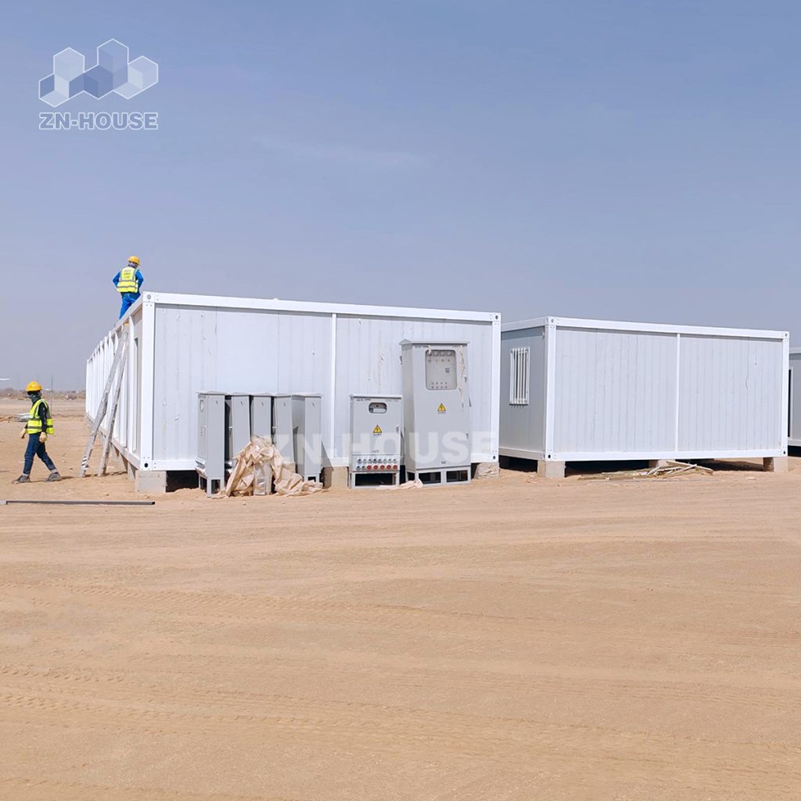
Fig. 4: A Container Housing Project in the Middle of the Desert
Optimize the Interior Layout
Multi-functional Furniture and Storage:
To optimize usable floor space, include built-in wardrobes, upper cabinets, sofa beds, folding tables, and integrated storage benches.
Zoning For Daily Life and Work:
- Define sleeping, dining, hygiene, and working areas in a clear manner to provide as much privacy and sound separation as is appropriate.
- For a modular office container, clearly define the following areas of use: Reception, open-plan workstations, meeting rooms, and any other support areas such as server rooms or copy corners.
Light, Ventilation, and Comfort:
- On long façades, strategically place windows and glazed doors to balance privacy and solar gain with daylight and cross-ventilation.
- For a tidy, manageable interior, incorporate LED lighting, mechanical ventilation, and air conditioning into ceiling panels.
Plan for Future Expansion
Allowance On Site:
To enable future containers to be added horizontally or stacked vertically without requiring significant rework, maintain setbacks, and leave room around existing modules.
Plug-and-Play Infrastructure
- Plumbing, data, and electrical power main trunk lines should be pre-installed, with junction points at module interfaces to facilitate the fast plugging in of additional units.
- To ensure structural continuity and fire safety, use standard connection details for balconies, stairwells, and hallways.
Typical Project Sizes
| Project type | Recommended container(s) | Approx. area | Notes |
| Single office/dorm room | 1 × 20ft module | 28–30 m² | Rapid deployment, easy relocation.What-Is-a-Detachable-Container-House.docx |
| Small residential unit | 2 × 20ft or 1 × 40ft | 56–60 m² | Can include bedroom, bathroom, and kitchen. |
| Family house/vacation cabin | 2–3 × 40ft modules | 100–150 m² | Side-by-side or stacked for spacious, comfortable living. |
| Large project/school/office | 4–6 × 40ft modules | 200–300 m² | Multi-room or multi-story complex using modular stacking. |
| Mobile/temporary use | Folding or flat pack units | 15–60 m² | Foldable or quick-assembly units for short-term projects. |
Other Tips for Choosing Your Container House
Your choice of modular prefabricated shipping container home should be based on life-cycle performance and engineering quality rather than size and type.
Steel Strength and Standards
- You should look for designs and corner fittings that meet all these requirements. The structural designs should have verified steel grades. Correct structural calculations for seismic, wind, and snow loads.
- Compared to painted carbon-steel alternatives, ZN House’s galvanized steel frames strengthen its long-term corrosion resistance and load-bearing capacity.
Life Cycle and Relocatability
When properly maintained, detachable and modular container systems are designed to be repeatedly assembled, disassembled, and relocated over a lifespan that frequently exceeds 15 years.
Safety and Security
- CCTV-ready conduits, double-locking mechanisms, internal/external security doors, and fire-rated rock-wool panels all enhance the safety of employees and facilities.
- Improved window systems and blast-mitigation features can be added to each project for higher-risk facilities.
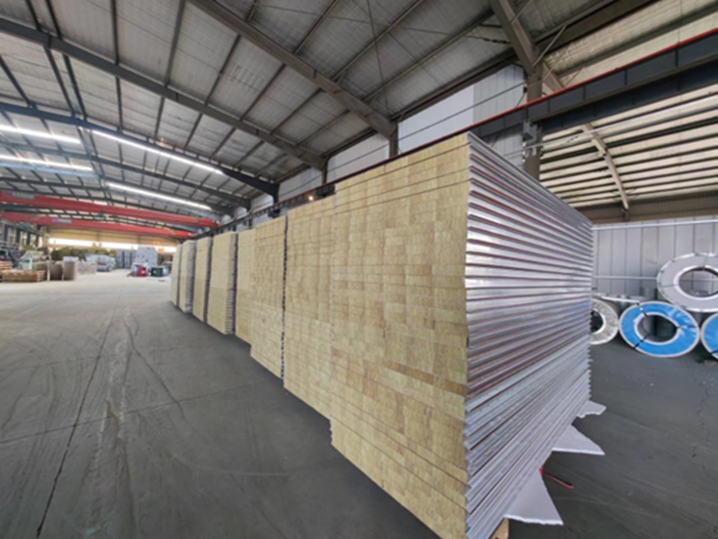
Fig. 5: Fire-Resistant Rock Wool Insulation Panels
Connectivity and MEP Integration
- To reduce on-site trades, many ZN House units have pre-installed electrical systems (wiring, lighting, outlets, distribution boxes) and simple plumbing lines.
- Modular container buildings can have Wi-Fi, TV, and smart controls (like remote HVAC and lock control) installed.
Climate Resistance and Insulation
ZN House’s solutions can incorporate air conditioning systems, suitable wall insulation, and energy-efficient glazing specific to the project site. They are made to function in a variety of temperature ranges.
Conclusion
Different forms of container houses by ZN House – detachable, flat pack, folding expandable, modular, and prefab types – each have their own characteristics and features, and thus can fulfil specific requirements depending on the duration, location, climate, and level of comfort expected. Through the identification and matching of the modular container homes options with the available space, local regulations, and the long-term expansion possibilities, one can manage to construct a building that works excellently, is easily relocatable, and still brings a high return on investment throughout its lifespan.
ZN House offers full support in different areas of a project, such as technical consultation, custom design, manufacturing logistics, and installation guidance for projects worldwide. So, if you are working on modular container home development in Australia, the Philippines, or any other place, the steel container solutions engineered by ZN House will assist you in constructing resilient, efficient, and comfortable buildings in large numbers.
Similar Posts
Benefits of Prefab Houses
Prefab houses come with all standard equipment and are designed to be simple yet cost-efficient solutions…

Waterproofing Solutions for Flat Pack Houses
In the construction industry, flat pack house solutions have gained significant traction due to their convenience and…
Flat Pack Homes for Sale Size Options
In the evolving landscape of modern housing, flat pack homes for sale have emerged as a versatile and…
Explore the Convenience of Flat Pack Houses: A Smart Choice for Modern Living
In the fast-evolving world of construction, flat pack houses have emerged as a groundbreaking solution for…
Flat Pack Houses: The Back Perfectyard Office or Vacation Retreat?
In the quest for versatile and sustainable living spaces, flat pack homes have emerged as a revolutionary…
Flat Pack Container House Affordable Housing Solution
ZN House’s legacy is defined by delivering affordable solutions with impact: supplying 1,000+ flat pack container…


