



How to Insulate a Container House: Complete Guide 2026
Container houses are becoming increasingly popular for residential homes, site offices, workforce accommodation, mining camps, and modular commercial buildings.
However, one of the biggest concerns buyers have is insulation.
Because shipping containers are made of steel, they can become:
- Extremely hot in summer
- Very cold in winter
- Prone to condensation and moisture problems
So, how do you properly insulate a container house?
The short answer is:
The best container house insulation solution usually combines insulated wall panels, roofing insulation, proper ventilation, and climate-appropriate materials.
In this guide, we explain the best insulation methods, insulation materials, insulation costs, and how modern container houses achieve comfortable long-term indoor environments.
Why Container House Insulation Is Important
Without insulation, steel container buildings can quickly absorb and transfer heat.
This may lead to:
- High indoor temperatures
- Condensation buildup
- Higher energy consumption
- Reduced indoor comfort
- Moisture and mold issues
Proper insulation helps improve:
- Thermal performance
- Energy efficiency
- Indoor comfort
- Long-term building durability
Modern insulated container houses are widely used in:
- Offices
- Workforce accommodation
- Mining camps
- Commercial buildings
- Residential housing
What Is the Best Insulation for a Container House?
Several insulation materials are commonly used for container buildings.
The best choice depends on:
- Climate conditions
- Budget
- Fire resistance requirements
- Building application
| Insulation Material | Thermal Performance | Fire Resistance | Cost Level | Recommended |
| PU Sandwich Panel | Excellent | Good | Medium-High | √√√√ |
| Rock Wool Panel | Excellent | Excellent | Medium | √√√√√ |
| EPS Panel | Good | Medium | Low | √√√ |
| Spray Foam Insulation | Excellent | Medium | High | √√√√ |
For most modular container buildings, PU sandwich panels and rock wool panels are considered the best balance between insulation performance, durability, and cost efficiency.
Best Container House Insulation for Different Climates
Different climates require different insulation strategies.
Best Insulation for Hot Climates
Hot regions such as:
- Middle East
- Africa
- Australia
require strong heat insulation systems.
Recommended solutions:
- PU sandwich panels
- Reflective roofing systems
- Ventilation systems
- Double-glazed windows
These systems help reduce indoor heat buildup and improve cooling efficiency.
Best Insulation for Cold Climates
Cold regions such as:
- Canada
- Northern Europe
- High-altitude areas
require stronger thermal insulation.
Recommended solutions:
- Rock wool panels
- Spray foam insulation
- Insulated roofing systems
Proper insulation helps maintain indoor warmth and reduce heating costs.
Best Insulation for Humid Climates
Humid environments may cause condensation and moisture problems.
Recommended solutions:
- Closed-cell insulation systems
- Ventilation systems
- Moisture-resistant wall panels
Good ventilation is essential for preventing mold and condensation buildup.
Common Container House Insulation Methods
Sandwich Panel Insulation
Sandwich panels are one of the most widely used insulation systems for modular container houses.
Advantages:
- Fast installation
- Excellent thermal performance
- Integrated wall system
- Lower labor costs
Common core materials include:
- PU
- EPS
- Rock wool
Spray Foam Insulation
Spray foam insulation is applied directly to the container wall.
Advantages:
- Excellent sealing performance
- Reduces condensation
- Strong thermal insulation
However, spray foam generally has:
- Higher installation costs
- More difficult maintenance
Interior Frame & Insulation Layer
Some projects use:
- Metal framing
- Insulation boards
- Interior finishing panels
This method improves insulation performance but may reduce interior space.
How Much Does It Cost to Insulate a Container House?
Container house insulation costs vary depending on:
- Insulation material
- Building size
- Climate requirements
- Interior finishing standards
| Insulation Type | Cost Level |
| EPS Panel | Low |
| Rock Wool Panel | Medium |
| PU Sandwich Panel | Medium-High |
| Spray Foam | High |
Although higher-quality insulation materials increase initial costs, they usually help reduce:
- Energy consumption
- Cooling costs
- Heating expenses
- Long-term maintenance
Common Insulation Problems in Container Houses
Condensation Problems
Condensation happens when warm air contacts cold steel surfaces.
This may cause:
- Moisture buildup
- Mold
- Interior damage
Proper insulation and ventilation help reduce condensation risks.
Heat Transfer Through Steel Walls
Steel transfers heat very quickly.
Without insulation, container houses may become uncomfortable during extreme weather.
Poor Ventilation
Insulated buildings still require proper airflow.
Ventilation systems help improve:
- Indoor air quality
- Moisture control
- Cooling efficiency
Why Insulation Matters for Different Container Building Applications
Different container building applications have different insulation requirements.
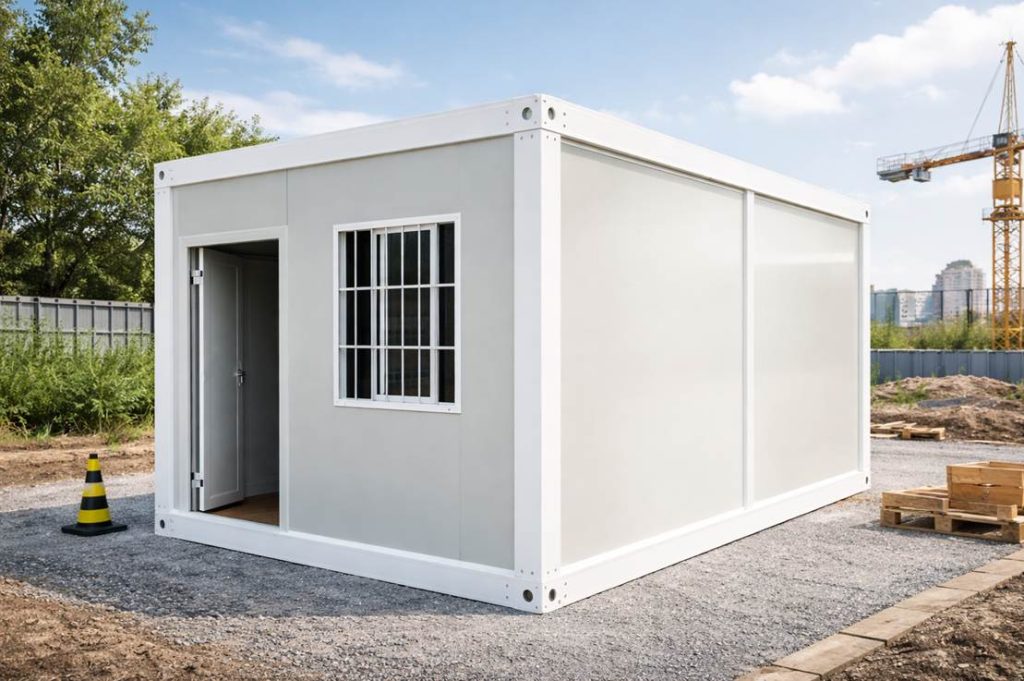
Container Offices
Office buildings require:
- Comfortable indoor temperatures
- Reduced noise
- Better energy efficiency
Worker Accommodation
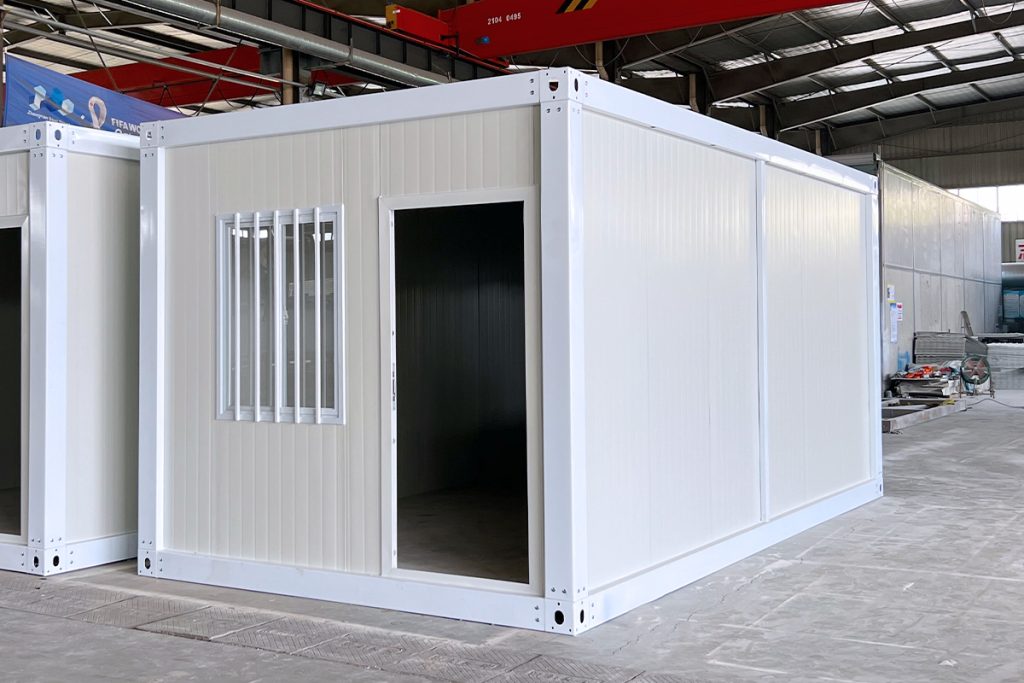
Accommodation buildings require:
- Long-term indoor comfort
- Moisture protection
- Better ventilation
Mining Camps
Remote mining camps often operate in:
- Desert heat
- Cold climates
- Harsh outdoor environments
High-performance insulation systems are essential for reliable camp operation.

Commercial Container Buildings
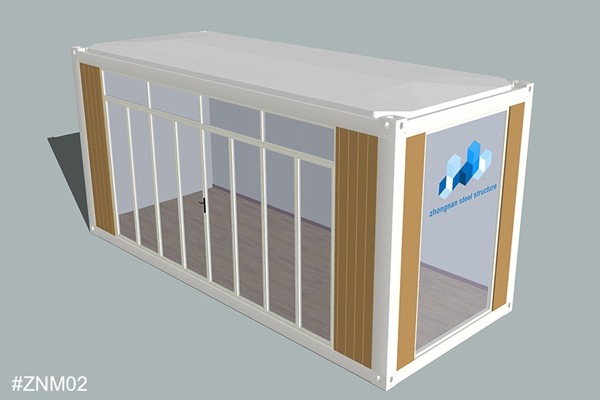
Retail stores, reception buildings, and temporary commercial spaces often require:
- Modern interior comfort
- Lower operating costs
- Improved customer experience
How ZN House Improves Container House Insulation Performance
ZN House modular container buildings are designed with integrated insulation systems for long-term comfort and energy efficiency.
Our solutions may include:
- Rock wool sandwich panels
- PU insulated wall systems
- Insulated roofing systems
- Double-glazed windows
- Ventilation systems
These systems help improve:
- Thermal insulation
- Indoor comfort
- Energy efficiency
- Long-term durability
ZN House container buildings are widely used for:
- Site offices
- Workforce accommodation
- Container camps
- Dormitories
- Commercial buildings
Additional Tips to Improve Container House Insulation
You can further improve insulation performance by:
- Installing roof shading systems
- Using reflective exterior coatings
- Improving ventilation airflow
- Adding thermal curtains
- Using double-glazed windows
Proper insulation design significantly improves long-term building comfort.
FAQ
Conclusion
Proper insulation is one of the most important factors in container house comfort, energy efficiency, and long-term durability.
Modern modular container buildings can achieve excellent thermal performance when designed with:
- High-quality insulation panels
- Proper ventilation
- Climate-appropriate materials
Whether used for offices, accommodation, camps, or commercial buildings, insulated container houses provide a practical and energy-efficient modular building solution for projects worldwide.
Similar Posts

Benefits of Easy Assemble House Homes
The demand for easy assemble house solutions is growing rapidly due to their cost-effectiveness, quick installation, and flexibility….
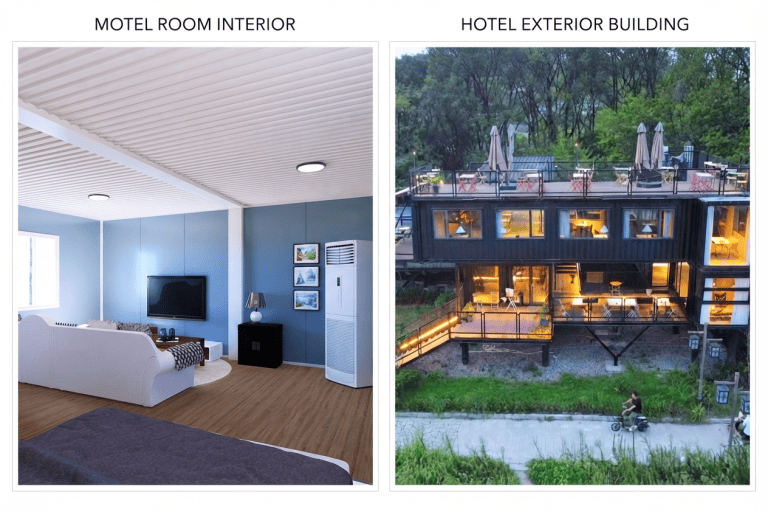
Container Motel vs Container Hotel: Which Modular Build Fits Your Project?
The essential difference between a container motel and a container hotel relates to their locations and…
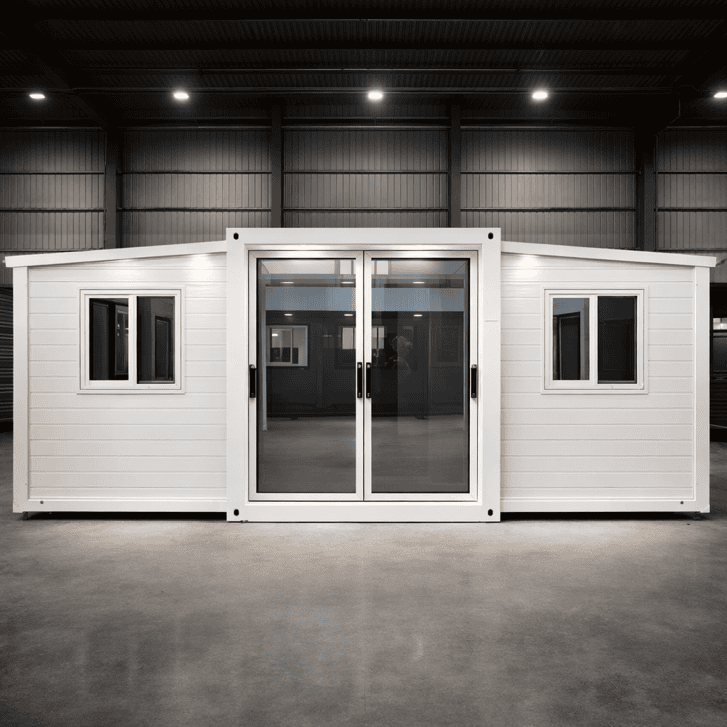
What Is a Prefabricated Building? Types, Benefits, and Applications
A prefabricated building (or prefab building) is a structure whose major elements are built in a…
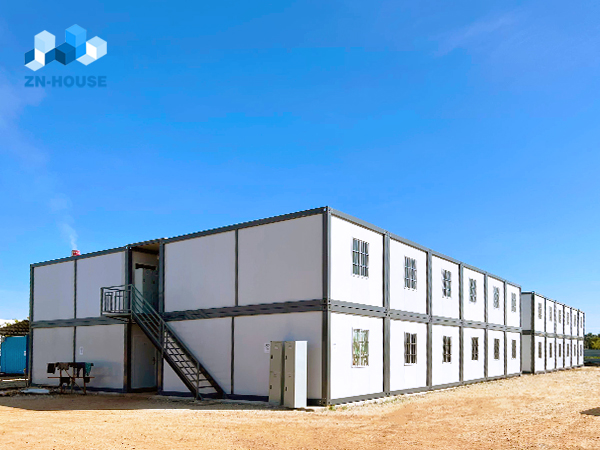
Discover the Versatility of Modular Container Homes
Transform your living experience with our innovative Modular Container House solutions. Designed for flexibility, efficiency, and ease of…
Techniques to Save Time When Assembling a House
Assembling a house, whether it’s a traditional build or an innovative assemble container house, can be…
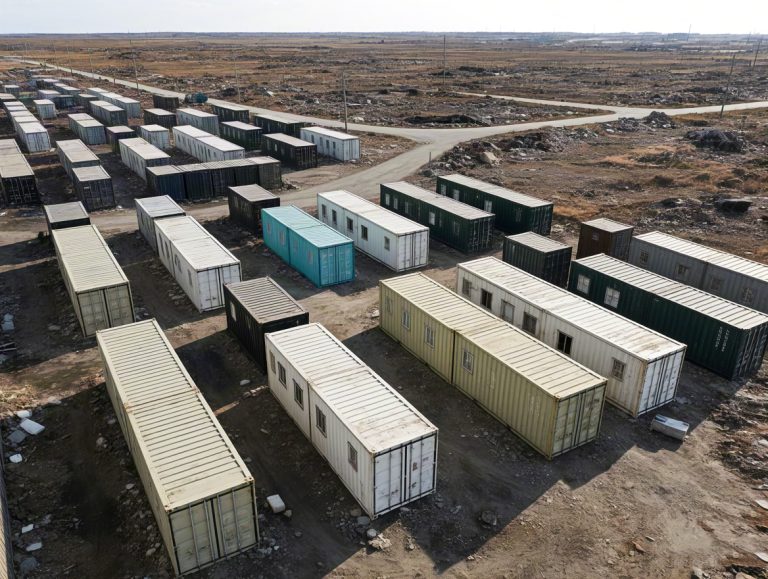
The Ultimate Guide to Assemble Houses: Design, Cost, and Benefits in 2025
This guide delves into the concept of assemble houses, exploring their advantages, cost analysis, design possibilities,…


