



Is a Container House Safe?
Often, when people are introduced to the concept of a container house, they are flooded with questions: Is it safe? Will it withstand an earthquake? Can a family live in it permanently? These are very common questions and the answers may shock you. In reality, shipping containers were never made with comfort in mind.
They were designed for inflicting punishment. Designed to stand the brutal test of 10s of 1000s of kilograms worth of cargo rolling across the roughest oceans in the world, stacked up to 9 high, in the face of endless salt air, water and pressure, these steel boxes are some of the sturdiest containers ever produced in series. But a container is not a house.
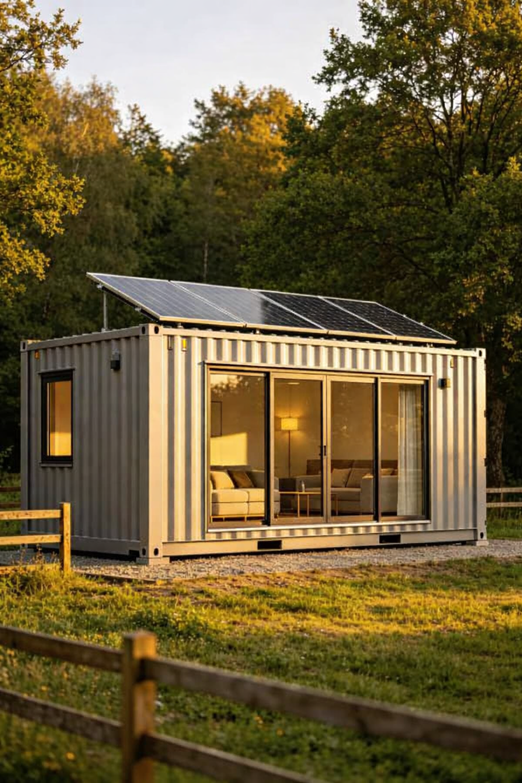
A safe container home depends on engineering, insulation, the right design, and the quality of the manufacturer. The difference between a safe, functional, inhabitable container home and a dangerous one is the design, modifications, and build quality.
This article will answer the most important questions in detail:
- Is a container house safe to live in?
- Is a container house safe from earthquakes?
- What are the real risks, and how are they solved?
- How do ZN House container homes address every safety concern?
Let’s dive in.
Are Container Houses Safe to Live In?
Yes, container houses are safe to live in when they are well-engineered. In some areas, for some particular climates, they are definitely safer than conventional housing. Here is why.
Why Shipping Containers Are Structurally Strong
The shipping containers were initially fabricated to carry heavy items across the seas, to withstand stacking pressure and severe weather. Because of this, the steel shell of cargo containers is sometimes much stronger than imagined. ZN House showcases its container homes as heavy-duty, steel-framed, prefab dwellings for hurricane zones and coastal climates. The inherent strength is the very reason why, properly adapted, container dwellings can be safely inhabited for decades soon.
Container Homes Can Be Safe When Properly Engineered
Safety is determined by the container, not only the base, but also the weld quality, reinforcement, insulation, venting, and water protection. A poorly modified unit may be dangerous; a professionally engineered container home can be quite comfortable and perform well even in severe weather. So, the container is a starting point, not an entire safety system.
Are Shipping Containers Toxic or Dangerous?
This is both a high-concern issue and a legitimate question. The used shipping containers do present risks to chemicals. While at sea, containers are generally fumigated with pesticides (like methyl bromide) to avoid the issue of cross-border pests. And, the original used container floors are also treated with toxic preservatives. Residue from transported chemicals can also clog the interior surfaces. Because of this, for this reason, they should always utilize fresh containers, or installed on certified pallet systems from reliable sources, unlike haphazard second-hand shipping containers taken from a seaport.
The containers used in the ZN House shipping container homes are all required to have new steel structures with no history of having carried any cargo. This way, there is no risk of any chemical contamination from the start and the homes are safe for families, children and even long-term use from day one.
Fire Safety of Container Houses
Steel is non-combustible, so the container house has good fire-resistance protection compared to most of the wood-framed buildings. But the fire safety is also related to insulation wiring, interior finishes, and household appliances installed inside, while the steel shell also helps, it still needs to run with fire-resistant materials and electrical design.
Is a Container House Safe from Earthquakes?
This is one of the most asked questions about container houses — and the answer is a relief for those living in seismic zones.
Why Container Houses Perform Well During Earthquakes
The primary benefit that steel offers, when it comes to earthquakes, is that the material is flexible. Instead of cracking or shattering as the building shudders under the seismic stress, the steel bends and takes the energy.
This characteristic has come to be known as ductility and is the reason why steel-framed buildings have become the international standard in the field of earthquake-resistant construction. Container homes possess the opposite advantage.
In their modular, lightweight form, they put far less force into the ground during such an event. The less mass, the less seismic force. Versus a MASSIVE masonry building of similar size, a container dwelling puts far less load on the ground during an earthquake. In Southeast Asia, the Philippines, Japan and other earthquake-prone areas, this is a significant structural benefit.
Earthquake Resistance Depends on Engineering
Seismic performance is not automatic; it is the product of deliberate engineering. Key factors include:
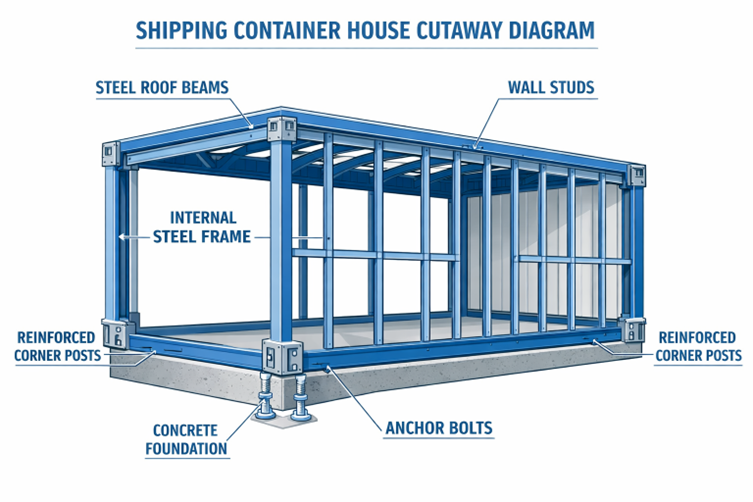
Foundation Anchoring: The entire structure of these container homes should be properly anchored to engineered foundations with bolting or welding, but they should not be placed directly on piers. Such anchoring would prevent sliding or tilting of the system under lateral motion of the ground.
Reinforced Connections: Multi-container arrangements require these hardware joints between units to be reinforced using structural steel to accommodate the dynamic load on them.
Structural Openings: Any opening for doors and windows affects the racking strength of a container and cuts into the strength of the walls, and header beams and column supports must be placed at every opening.
Multi-container Reinforcement: When containers are stacked vertically or physically joined horizontally, engineering calculations should reflect combined load paths and seismic forces.
Can Container Homes Survive Strong Earthquakes?
Modular steel houses built to the proper design specifications can excel during earthquakes. Since steel building components are ductile, the building itself may be slightly deformed without collapse – the single most essential survival feature in a large-scale earthquake.
This has been the main reason for the increased use of container-based emergency/transitional housing following large non-urban seismic catastrophes. In seismic regions, a permanent family home, a container home properly designed following local seismic code, is a perfect, feasible and safe option.
Container House vs Traditional House: Safety Comparison
| Safety Feature | Container House (ZN House) | Traditional Concrete / Brick House |
| Earthquake Resistance | Excellent — steel flexibility absorbs seismic energy | Rigid masonry can crack, spall, or collapse |
| Wind / Typhoon Resistance | Very high — aerodynamic steel box with anchored foundation | Medium — depends on construction quality |
| Fire Resistance | Strong — non-combustible Corten steel frame | Variable — depends on materials used |
| Flood Resistance | Can be elevated on raised foundations | Usually fixed, limited elevation options |
| Structural Weight | Lighter — lower seismic force | Heavier — higher ground pressure and seismic force |
| Durability | High — 25–50+ years with proper maintenance | Medium to high |
| Construction Quality Control | Factory-built, standardized QC | On-site, varies by contractor |
| Chemical Safety | New containers = zero cargo contamination | N/A |
What Makes a Container House Unsafe?
Knowing the safety hazards is just as critical as knowing the strengths. Here are the top safety risks of container homes and a reason to pick the right manufacturer.
Poor Structural Modification
In general, the leading factor that creates the structural failure of these home containers is incorrect wall modification. By cutting excessively large holes for doors, windows, or an open plan, the home loses the ability to transfer load through the steel panel by failing to place reinforcement beams. Without header beams and columns for each opening, the container loses an immense amount of racking strength and becomes extremely vulnerable in high wind and earthquake situations.
Weak Foundation Design
You can’t anchor a box home securely without expert engineering. Sometimes builders make the mistake of putting containers on loose earth, on an uneven surface, or creating a footing that isn’t quite large enough. These bad practices result in differential settlement, cracking of connections, and a collapse if there is an earthquake.
Poor Insulation and Ventilation
Steel is a brilliant conductor of heat as well as cold and unless the container home is well insulated it will be a hot house in summer and a freezer in winter. More really, it will be subject to condensation created by the temperature differentials, which deposits moisture on the interior steel surfaces; this can then in time, lead to corrosion, fungus and pollution problems. An effective insulation system (e.g., spray polyurethane foam or rock wool with vapor barriers) and thermally efficient mechanical ventilation are both vital for habitation and in maintaining a healthy structure.
Low-Quality Welding or Steel
The structural connections in a container home (between units, between container and foundation, at window and door openings reinforced with steel) need to be made to engineering standards. Welding not done to the correct standard causes stress concentrations that will break under load. Using inferior steel or second-hand containers that haven’t been certified and already have rust or impact damage is a structural weakness.
Ignoring Local Building Codes
Every location has building requirements which respond to the local hazards like seismic zones, wind loading categories, salt corrosion environments, snow loading, and so forth. If container homes are built informally or without engineering input, they will likely not address these hazards and so expose their residents to unnecessarily high risks. In many countries, not having building permits also creates legal and insurance complications.
How to Make a Container House Safer
To make sure that your container project is safe, durable and structurally sound to its best, please apply these engineering solutions:
Use Professional Structural Engineering
A design plan for a licensed structural engineer with experience in modular steel can reveal reinforcement details for openings, foundation requirements, connection information, and other important information. All container homes, single units or rows, or large numbers should have this type of plan.
Choose Galvanized or Corten Steel Structures
New Corten steel containers (or galvanized steel modular frames) are much more resistant to corrosion than uncoated second-hand steel. ZN House uses new Corten steel shells with corrosion-resistant coating, which could provide decades of structural life with little or no maintenance.
Add Proper Insulation Systems
Insulation is not optional; it is a core system of a safety package providing good living conditions. Types of insulation include spray polyurethane foam (SPF) application, rock wool batts, and rigid panel systems: the system application is orientated More exactly towards the destination climate to the moist tropics of SE Asia or the cold north of Europe.
Use Reinforced Foundations
Foundations need to be designed for local soil conditions, frost depth (where necessary), and seismic considerations. Permanent foundations are concrete slab-on-grade, concrete pier footings, screw pile foundations, or elevated platforms. Foundations can be bolted or welded to the corner castings of the container.
Improve Ventilation and Moisture Protection
Ventilating the home is a mechanically ventilated house which is a vapor barrier, and vents are installed to prevent condensation. Locations of overhangs, sealed joints, and good paint on the exterior help to prevent infiltration of water. These features are taken care of in every ZN House engineered prefab modular housing.
Follow Local Building Codes
ZN House has an export footprint in over 50 countries and has a track record of navigating the various building code-mandated requirements of Export Markets. To be exact, for example, the Philippines, Indonesia, regions like South East Asian typhoon zones, the Middle East, and Africa regions like European Markets, governed by Regulations. Every project is locally specific.
Are Expandable Container Houses Safe?
The current type of available portable container residences is completely different from the old second-hand cargo containers.
The modern engineered expandable container house system has been developed for residential and commercial purposes. Key advantages include:
| Modern Expandable Container House Features | Safety Benefits |
| Factory-prefabricated structure | Better quality control |
| Reinforced steel systems | Improved structural stability |
| Engineered modular connections | Safer installation |
| Residential insulation systems | Better comfort and moisture protection |
| Standardized production | Consistent engineering quality |
Modern prefab modular systems are generally safer, more comfortable and more residential-friendly than heavily modified used containers.
Container House Safety in Extreme Weather
Exporting the Modular Buildings overseas, the buildings have to be designed to withstand the extreme local weather, mainly in unstable climates like the Philippines and South East Asia with tropical hurricane and earthquake zones.
Typhoon Resistance
Where typhoons are frequent, the wind uplift alone would strip a roof right off a conventional building. The storm-rated container home is like little tug boats: a heavy, unified steel frame that naturally handles high wind loads. Adding storm-rated doors and impact-rated windows and heavy-duty tie-down anchoring plates design structures so that they survive extreme typhoons.
Heavy Rain & Humidity
A tropical climate demands chronic torrential rain and high humidity. Professional container homes counter this by having a custom-designed, optimized drainage route incorporated into the profiles of the roof with multi-layer external seals to run immediately off, avoiding any ponding or leakage into the walls.
Flood Protection
Brick and mortar houses are placed directly on the ground, which makes them very vulnerable to floods and water damage to the interior. A container house can be raised on concrete or steel stilts. Thereby, the flood waters are passed underneath the house with safety, which is highly resistant to Coastlines and low-level areas.
Heat Resistance
To sustain a safe and pleasant interior environment in hot regions, the buildings should use high-tech solar-reflective outside finishes and high-density thick insulation boards, which prevent thermal radiation from bringing heat to the inner steel and reduce AC bills sharply.
How Long Can a Container House Last?
One common misconception about container dwellings is that they do not last long. This is not true; if properly looked after, your steel home could last well over thirty years. One thing we often hear is that steel homes don’t last very long.
Baseline Lifespan
Quality homes constructed using “one trip” premium-grade Corten or galvanized factory-assembled steel. These would be expected to last 25-30 years with no major restoration or re-roofing.
Extended Lifespan
Through diligent preservation, annual structural monitoring, resealing compromised joint seams, and periodically applying a new coating of rust-preventative or marine-grade anti-corrosive, the owner describes a robust structural longevity of 40 to 50+ years.
Regional Considerations
On sites that are located by coasts with elevated ambient salinity, faster oxidation occurs. On projects located in environments of elevated ambient salinity, a greater degree of proactive corrosion prevention (e.g., hot-dip galvanisation, thick polyurea or epoxy coating) needs to be observed to sustain the long-term structure.
Are Container Homes Safe for Families?
The short answer is: Yes, absolutely. There is much more concrete evidence of it every day in real-world examples around the world. When designed and installed to residential specifications, container homes are entirely appropriate and safe for permanent family living.
Families, couples and single occupants use ZN House container homes as their main place of residence all over the world. Like that, container homes are used as:
- Airbnb and short-term rental properties in scenic natural locations
- Eco-resorts and boutique hotel developments seeking unique guest experiences
- Vacation homes in coastal, mountain, or rural settings
- Staff accommodation and site offices in remote project locations
A professionally engineered prefab modular housing system can provide superb safety, comfort and durability.
Conclusion
Container houses are very safe, rigid and durable structures, if they are safely engineered and built. The elite strength of these container steel structure buildings will better fight against natural disaster attacks such as earthquakes and fierce typhoons.
Most “unsafe” container home ” tales” are a result of inferior DIY modifications, inferior insulating choices, or an entire absence of adequate structural foundation anchoring. Moving to state-of-the-art modular prefab housing, coupled with factory-controlled expandable container homes, avoids these pitfalls altogether.
Ready to build your safe, sustainable dream home?
At ZN House, through our over 20 years of expertise in structural engineering, factory precision and experience in export to over 50 countries worldwide, we build to protect. Whether it’s an off-grid retreat on a wild coastline or a safe family home from an earthquake, we know what it takes.
Contact us for engineered container house solutions.
Frequently Asked Questions (FAQs)
Is a container house safe to live in?
Yes. Professionally engineered container homes can be very safe for long-term living when properly insulated, ventilated, waterproofed and structurally reinforced.
Is a container house safe from earthquakes?
Traditional steel container structures are proven to be effective during earthquakes because of the inherent suppleness and many of lightweight nature of these modular structures. Adequate anchoring to the foundation with anchoring and reinforcing is required.
Can container houses survive typhoons?
Yes. Container houses, properly anchored, can withstand strong winds and are widely used in typhoon-prone areas.
Are shipping container homes toxic?
Older used containers should be considered contaminated with chemical residue or treated flooring materials. New prefab modular systems, or new containers, will offer much safer use in a residential environment.
Do container homes rust easily?
Steel will rust with time without protection. But the risk of corrosion can be greatly reduced through the use of galvanized steel, anti-corrosion coatings and good ventilation.
How long does a container house last?
A container house in good condition can last for decades, particularly when it is constructed from high-grade steel and equipped with corrosion protection systems.
Are container homes safer than traditional houses?
In some conditions, yes. Container houses may be more flexible than traditional masonry buildings in the face of earthquakes, wind and floods.
What makes a container house unsafe?
Poor structural modification, weak foundations, poor insulation, low-quality welding and ignoring local building codes are the most common safety risks.
Similar Posts
The Evolution of Prefab Steel Container Housing
Modern construction is evolving. For a long time, brick and mortar were the only options for…
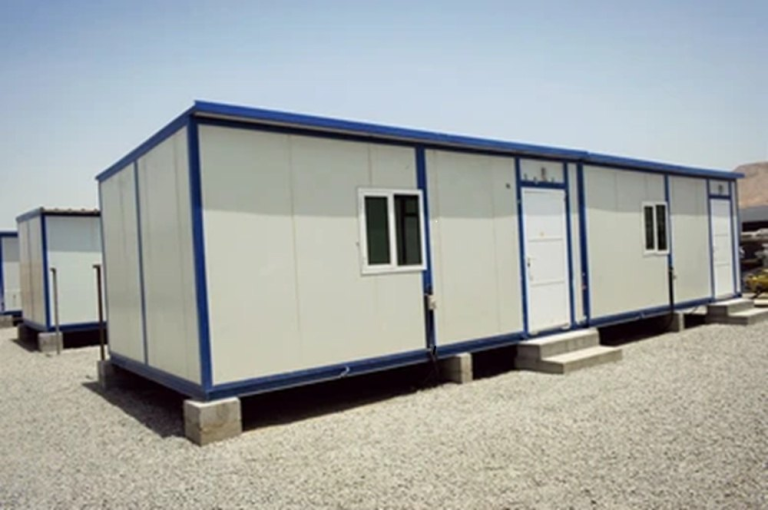
Container Camps & Dormitories: Fast, Safe Housing for Workforces and Relief
Container camps deploy in days, not months. Start with a clear program—sleeping, WASH, kitchen, clinics, admin,…
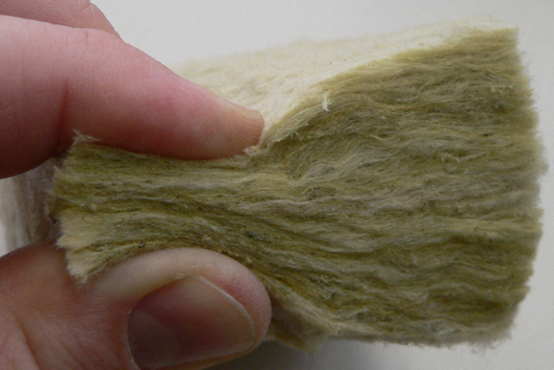
How Rock Wool Insulation Impacts the Temperature of Container Mining Camps
Container rock wool insulation plays a vital role in container mining camps in stabilizing and keeping…
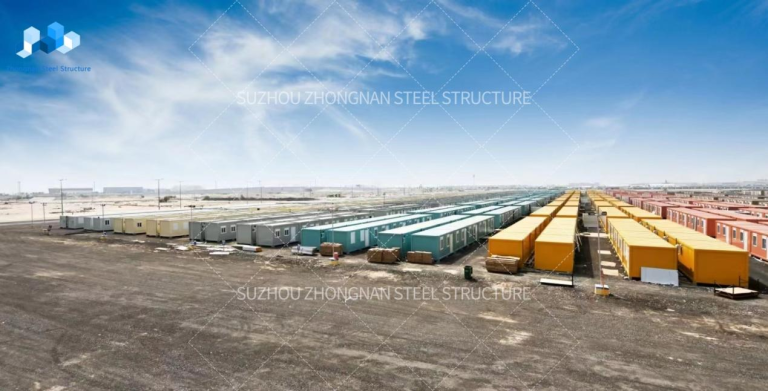
Qatar Shipping Container Hotel From ZN House
In September 2022, ZN House Steel Structure successfully delivered 1000 sets of shipping container hotels for the…
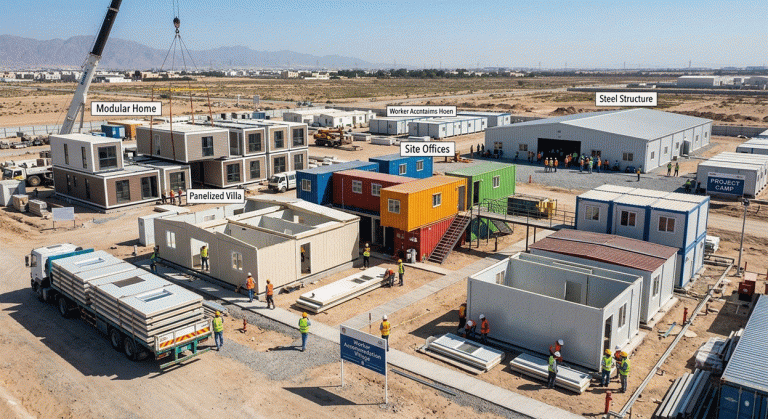
12 Types of Prefabricated Houses
Prefabricated houses refer to fully or partly factory-built houses that are shipped to the site where…

Folding Container House: The Future of Flexible and Sustainable Living
The folding container house is revolutionizing modern architecture by offering a blend of portability, durability, and innovative design….


