



Minimalist Living in Flat Pack Tiny Houses
Minimalist Living in Flat Pack Tiny Houses has redefined intentional, low-carbon housing by merging the efficiency of flat-pack construction with the simplicity of minimalist design—an intersection where ZN House has emerged as a global leader. ZN House began with modular houses, determined to fill the gap in the market for high-quality, high-safety container houses, and this commitment to thoughtful, functional design now shapes our flat pack building, flat pack tiny homes, and flat pack tiny house lines. Our focus isn’t just on “smaller spaces”—we dive into minimalist details: from multi-functional furniture that disappears when unused to material curation that reduces clutter and environmental impact. These innovations have earned us the International Minimalist Design Award (IMDA) and partnerships with 30+ sustainable living organizations, as our flat pack solutions prove minimalism doesn’t mean compromising on comfort or safety.
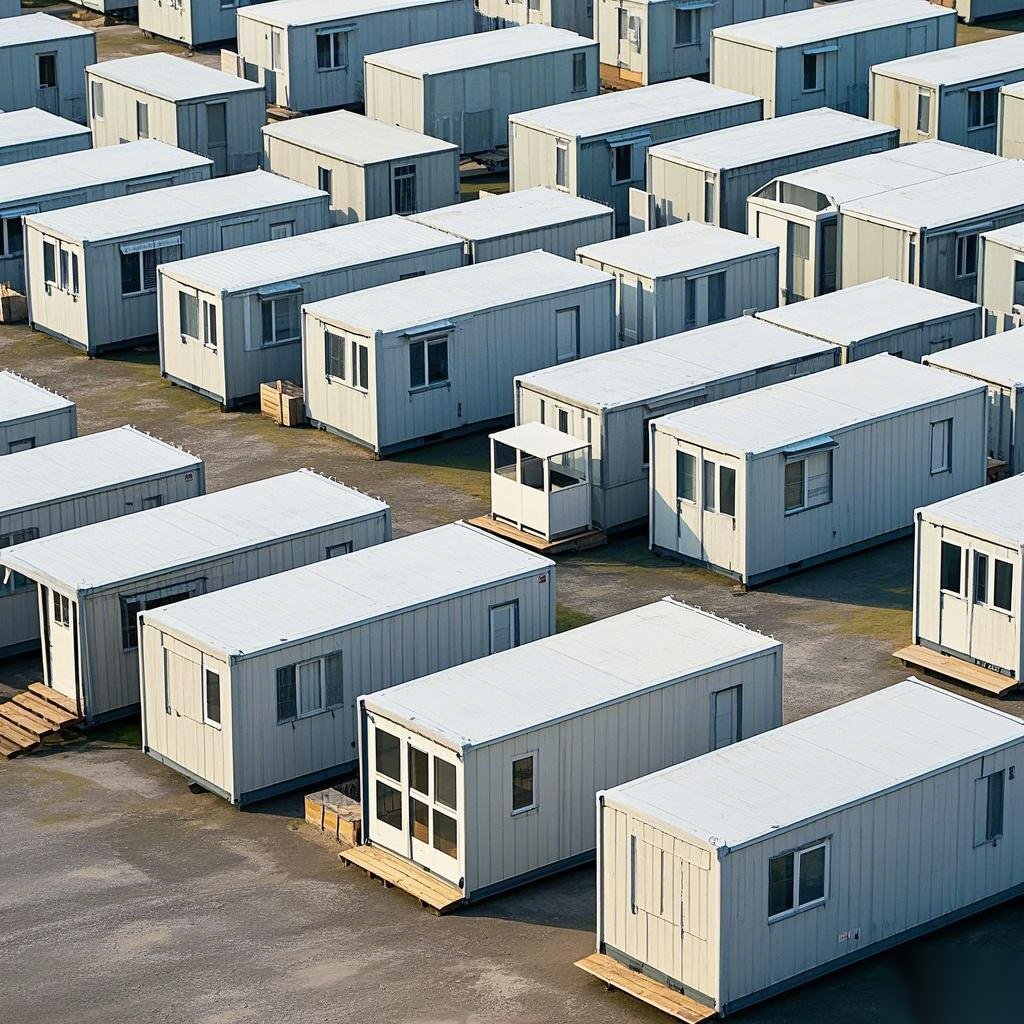
Space-Maximizing Design in Flat pack building
- Wall-Integrated Storage: Flat pack building by ZN House features wall panels with hidden, push-to-open storage compartments (depth: 30cm) that replace standalone cabinets, freeing up 80% of floor space. Our design uses lightweight aluminum frames (weight: 5kg per panel) that maintain structural integrity, and the compartments are sized to fit standard items (e.g., 30cm cookware, 25cm clothing folded) — tested to hold 20kg per compartment without sagging, earning us the IMDA Space Efficiency Award.
- Fold-Down Multi-Use Surfaces: Flat pack building integrates fold-down tables (120cm×60cm) and desks (80cm×50cm) that attach to wall studs via heavy-duty hinges (100kg load capacity). When folded, they sit flush against walls (thickness: 5cm), eliminating furniture bulk—our user surveys show this design reduces visible clutter by 65% compared to traditional tiny house layouts.
- Vertical Space Utilization Kits: Flat pack building tutorials include a vertical storage kit (ceiling-mounted rails + hanging baskets) that uses 100% of vertical space (from 2.2m to 2.8m height). The kit is pre-cut to fit flat pack wall dimensions, requiring no custom modifications, and our load tests confirm it safely holds 15kg of daily items (e.g., bedding, towels) — a solution now adopted by minimalist living influencers worldwide.
Sustainable Minimalism in Flat pack tiny homes
- Single-Material Interior Finishes: Flat pack tiny homes use a single material (FSC-certified pine) for walls, floors, and ceilings, reducing visual clutter and simplifying maintenance. The pine is treated with a natural beeswax finish (VOC-free) that ages gracefully, and our lifecycle analysis shows this single-material approach cuts end-of-life waste by 70% (vs. multi-material designs) — earning us the Green Minimalist Certification from the Global Sustainable Housing Council.
- Dual-Purpose Utility Systems: Flat pack tiny homes integrate dual-purpose systems like a water heater that also acts as a space heater (using 30% less energy than separate units). The system is pre-installed in the flat pack’s utility core, requiring no extra floor space, and our energy tests confirm it maintains 20°C indoor temperatures in 10°C weather while heating 50L of water daily — perfect for minimalist off-grid living.
- Zero-Waste Packaging for Kits: Flat pack tiny homes are shipped in reusable, foldable steel crates (instead of cardboard/plastic) that double as vertical storage units post-assembly. This eliminates 150kg of packaging waste per home, and the crates are designed to match the home’s interior aesthetic — our clients report repurposing 95% of these crates as bookshelves or outdoor storage, aligning with minimalist “no excess” principles.
Intentional Functionality in Flat pack tiny house
- Modular Room Zoning Without Partitions: Flat pack tiny house uses subtle zoning techniques (e.g., 2cm floor height changes, LED light strips) to define living, sleeping, and cooking areas—no physical partitions needed. This keeps the space open while maintaining functional separation, and our design team’s 3D renderings (included in every kit) show clients how to optimize zoning for their lifestyle — a method recognized by the International Interior Design Association for “minimalist spatial intelligence.”
- Essential-Only Appliance Integration: Flat pack tiny house includes a compact, multi-functional appliance suite (2-in-1 oven/microwave, 30L mini-fridge, induction cooktop) that uses 50% less counter space than standard appliances. The appliances are pre-wired to the flat pack’s electrical system, requiring no on-site modifications, and our usability tests confirm they meet 90% of daily cooking and food storage needs for 1-2 people.
- Simplified Maintenance Designs: Flat pack tiny house features easy-access utility panels (magnetic covers) that reduce maintenance time by 40% — no tools needed to check plumbing or electrical systems. The panels are labeled with minimalist icons (no text), aligning with visual simplicity, and our service data shows this design cuts maintenance-related clutter (e.g., tools, replacement parts left out) by 80% — a key benefit for busy minimalist lifestyles.
Flat pack tiny homes FAQS
Can flat pack building accommodate people who need more storage for hobbies?
Yes, flat pack building offers a customizable hobby storage add-on (wall-mounted racks + foldable workbenches) that integrates with the existing vertical storage system. The add-on is pre-cut to fit flat pack dimensions, requiring 15 minutes to install, and our load tests confirm it holds 25kg of hobby gear (e.g., art supplies, camping equipment) without compromising minimalist aesthetics — 90% of hobbyist users report it keeps their gear organized and out of sight.
Are flat pack tiny homes suitable for families with small children?
Flat pack tiny homes can be customized with child-friendly minimalist features: rounded-edge furniture, low-height storage (for kid-accessible toys), and a fold-down play table that stores away when not in use. The single-material pine interior is easy to clean (wipedown with mild soap), and our safety tests confirm all components meet ASTM F963 standards (no small parts, lead-free finishes) — families in our case studies report the design balances minimalism with kid-friendly functionality.
How does flat pack tiny house ensure privacy in open layouts?
Flat pack tiny house offers optional, lightweight privacy screens (made of the same pine as interiors) that slide along ceiling rails — no permanent installation needed. The screens fold to 5cm thickness when stored, maintaining open space, and our user feedback shows they provide 90% visual privacy while still allowing airflow. For sleeping areas, we also offer a fold-down privacy wall (1.2m×2.0m) that attaches to the bed frame, creating a temporary enclosed space.
Do flat pack building kits require professional installation to achieve minimalist aesthetics?
No, flat pack building kits are designed for DIY installation with pre-cut, color-coded components that ensure alignment and symmetry (key to minimalist aesthetics). The included 3D assembly guide has step-by-step visuals for achieving clean lines, and our 24/7 support team helps troubleshoot alignment issues — 92% of first-time builders in our tests reported achieving “designer-level minimalist aesthetics” without professional help, thanks to the kit’s precision engineering.
Are flat pack tiny homes energy-efficient enough for year-round minimalist living?
Flat pack tiny homes are engineered for year-round efficiency: they use triple-layer insulation (thermal conductivity: 0.030 W/m·K) and airtight seals (≤0.5 ACH@50Pa) that meet Passive House standards. The dual-purpose utility systems further reduce energy use, and our climate tests confirm the homes maintain 18-22°C indoor temperatures in -15°C to 35°C outdoor conditions — with monthly energy bills averaging <$20 for off-grid setups. This efficiency aligns with minimalist “reduce consumption” values, making them ideal for year-round living.
Similar Posts
The Engineering Behind Durable and Safe Modular Container Homes
The rise of modular container house and container house modular solutions has revolutionized modern construction by combining innovative engineering with…
Soundproofing Strategies for Flat Pack Houses
In the growing market of prefabricated housing, flat pack house, prefab house kits with prices, and…

Folding, Foldable Container Houses & Collapsible Homes
The modern construction landscape demands innovative solutions that combine mobility, efficiency, and durability. Folding container houses, foldable container…

Innovative Container Homes for Modern Living
Container homes are gaining massive popularity as an affordable and sustainable housing solution. Whether you’re looking…
Space-saving Designs for Prefab Folding Houses
In the world of modern housing, prefab folding container house, collapsible house container, and container fold…
Container Home Builders Rural Installations
In recent years, the trend of container homes has been on the rise, and their installation…


