



Modular Shipping Container House
In today’s rapidly evolving housing market, modular shipping container house solutions have become increasingly popular for those seeking durable, flexible, and cost-effective living spaces. Unlike traditional construction, these homes are built using prefabricated modules constructed from high-quality steel containers. The use of modular shipping container homes allows for rapid construction, outstanding durability, and minimal environmental impact. These structures are designed to be semi-permanent or permanent housing options that cater to a wide variety of needs, from private residences and vacation homes to commercial spaces such as cafes or dormitories.
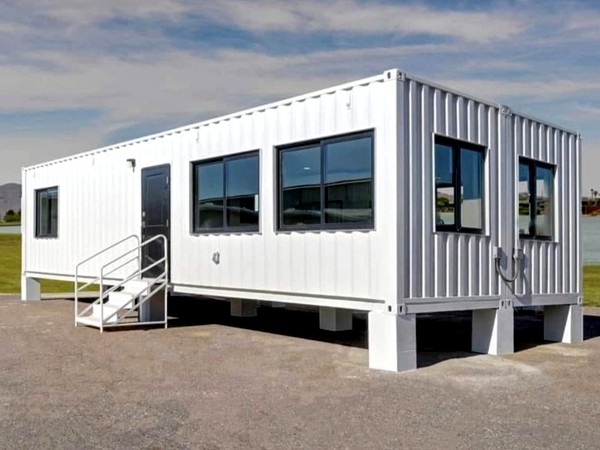
Prefabrication means that much of the building process takes place in a factory setting, where quality control is stringent, and construction is efficient. When delivered to the site, the modules simply need to be assembled, dramatically reducing the time and labor involved compared to conventional building methods. This not only shortens project timelines but also lowers costs. The use of galvanized steel frames ensures excellent resistance to corrosion and fire, providing homeowners and developers with peace of mind regarding the structural integrity and safety of their investment. The environmental advantages are also significant, as this method produces almost no construction waste and has minimal impact on the site’s geology.
Prefab Modular Container House: Innovation Meets Practicality
A prefab modular container house represents an innovative fusion of modular construction principles and shipping container technology. These homes feature an anti-rust galvanized steel frame, waterproof sandwich panels for insulation, and robust glass installations that contribute to both durability and aesthetic appeal. One of the defining features of a prefab modular container house is its adaptability; customers can customize floor plans, exterior finishes, and interior décor to reflect their preferences and specific functional requirements. Whether the goal is a compact one-bedroom home or a sprawling multi-room complex, the modular design supports a wide range of configurations.
From a practical standpoint, prefab modular container houses are delivered with pre-assembled floors and roofs, allowing site workers to focus solely on assembling the structural modules and installing accessories. This streamlined assembly process is particularly valuable for developers seeking to maximize efficiency and minimize site disruption. Additionally, the modular components can be combined or stacked to create larger complexes, such as boutique hotels, office spaces, or retail outlets, providing tremendous versatility for commercial applications. The robust materials ensure that these homes stand the test of time, resisting extreme weather conditions and wear.
Modular Container Homes: Customization and Durability in One Package
The appeal of modular container homes lies largely in their combination of customization and superior durability. Unlike traditional prefab homes, which may be limited in design, these modular units offer a flexible framework that can be tailored to meet nearly any aesthetic or functional specification. This flexibility extends to interior layout, finishing materials, and even modular expansions or stacking for additional floors.
Constructed with high-grade corten steel or corrosion-resistant alloys, modular container homes offer exceptional longevity. These materials are specifically selected to withstand the rigors of harsh environments, from coastal humidity to arid desert conditions. The factory-controlled environment where the modules are fabricated ensures precision construction and superior quality, minimizing defects and inconsistencies commonly associated with on-site building. These homes also provide excellent fire resistance and thermal insulation, keeping occupants safe and comfortable year-round.
Financially, modular container homes provide a compelling alternative to traditional housing by reducing material waste and labor costs. The accelerated construction timeline also reduces financing charges and enables quicker occupancy, benefits that appeal to both private buyers and commercial investors. Overall, this makes modular container homes a cost-effective, durable, and customizable housing solution for the modern era.
Crate Modular Homes: The Stylish, Sustainable Housing Option
A close relative to modular shipping container homes, crate modular homes also utilize the concept of modular, factory-built units but with a focus on contemporary design and sustainability. These homes typically use a steel frame combined with eco-friendly insulating materials such as EPS foam or rock wool, offering high energy efficiency and thermal comfort. The modular crate units can be shipped flat-packed and quickly assembled on site, similar to container houses, which results in minimal site disturbance and a reduced carbon footprint.
What distinguishes crate modular homes is their sleek, modern appearance, often featuring clean lines and customizable facades that appeal to younger buyers or those seeking trendy urban dwellings. The design freedom combined with sustainable construction practices makes these homes ideal for individuals who prioritize both style and environmental responsibility. Like container homes, crate modular homes can be stacked or combined horizontally, allowing for expansion as family or business needs grow.
Modular Shipping Container Homes: Cost-Effective and Environmentally Friendly Solutions
Choosing modular shipping container homes offers several strategic advantages beyond just speed and flexibility. The construction process reduces waste substantially because the components are built to precise specifications in controlled factory conditions. This not only benefits the environment but also results in lower material costs and fewer delays caused by weather or labor shortages.
From a financial perspective, modular shipping container homes require fewer labor hours on site, translating into significant savings in wages and overhead. The shortened construction period also accelerates the time to market for developers or occupancy for homeowners. Moreover, because these homes do not require heavy foundations or extensive site work, they are ideal for locations with challenging terrain or strict environmental regulations.
The ability to relocate or expand the homes as needed further enhances their value. For instance, a business might deploy modular shipping container homes as temporary offices or housing during a project and then move or repurpose the units afterward. This adaptability makes them particularly attractive in today’s dynamic real estate and construction environments.
Modular Shipping Container House FAQs
What defines a modular shipping container house compared to traditional homes?
A modular shipping container house is built from prefabricated steel modules, often repurposed shipping containers, designed to be transported and assembled quickly on site. This contrasts with traditional homes that are constructed entirely on location, resulting in longer build times and more site disruption. Modular homes benefit from factory precision, superior durability, and customizable designs.
How customizable are prefab modular container houses?
Prefab modular container houses offer extensive customization options, from the layout and number of rooms to interior finishes and exterior cladding. Customers can tailor designs to meet their personal preferences or project requirements, ensuring a unique and functional living space.
Are modular container homes suitable for extreme climates?
Yes. These homes use insulated sandwich panels, such as EPS or rock wool, combined with corrosion-resistant steel frames, making them suitable for both hot and cold climates. Additional ventilation or heating systems can be integrated to enhance comfort regardless of the location.
How long does it typically take to build and assemble modular container homes?
Since much of the construction occurs in a factory, the on-site assembly of modular container homes is relatively fast, often taking only a few days to a few weeks depending on the complexity and size. This efficiency is a major advantage over traditional building methods.
Can modular container homes be expanded or relocated after initial assembly?
Yes, one of the key benefits is the modularity and mobility of these homes. They can be expanded by adding additional container modules or stacked vertically. Additionally, they can be disassembled and relocated if necessary, making them highly adaptable to changing needs.
Similar Posts
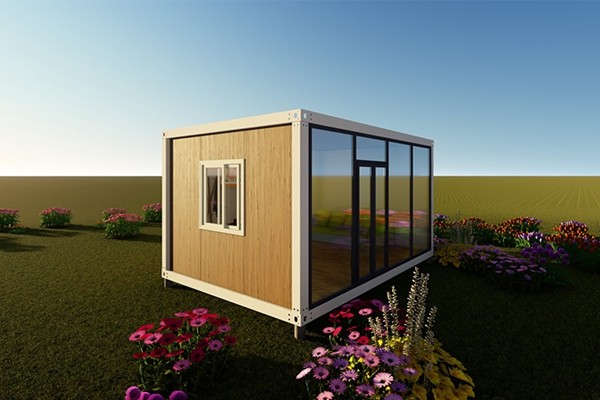
Flat Pack Homes: The Future of Flexible Living
Flat Pack Tiny House: Big Comfort in a Small Package Discover the charm of flat pack…
Flat Pack Homes for Sale Size Options
In the evolving landscape of modern housing, flat pack homes for sale have emerged as a versatile and…
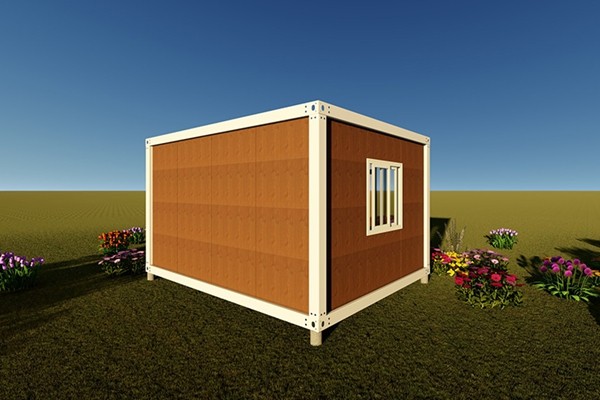
Flat Pack Container House For Backyard Office
Imagine stepping into a serene, personalized workspace just steps from your back door—no commute, no distractions,…
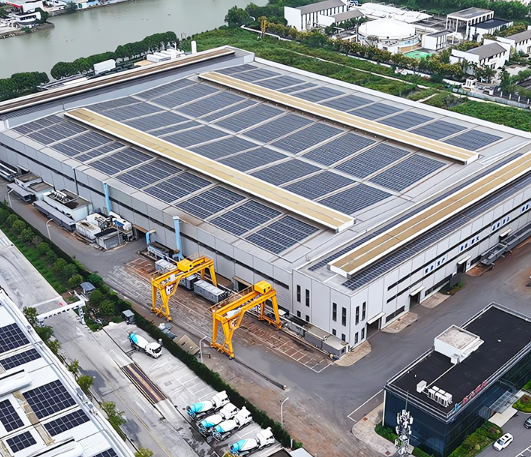
Transform Your Space With Custom Container Home Builders
When it comes to modern, practical housing, custom container home builders provide a unique and efficient solution….
Prefab House Energy Efficiency Advantages: Building Smarter For Sustainable Future
In an era of rising energy costs and environmental urgency, the quest for sustainable living solutions…
Folding Container House: A Revolutionary Housing Solution
In the modern world, the need for affordable, sustainable, and adaptable housing solutions has never been…


