



Prefab Homes: Affordable, Modern Living with Flexibility and Style
As housing costs rise and demand for efficient construction solutions increases, prefab homes have emerged as one of the most innovative and accessible ways to build a modern home. Short for “prefabricated homes,” these structures are built off-site in sections (or modules) and then assembled on location, offering faster construction times, greater quality control, and often lower costs than traditional homes.
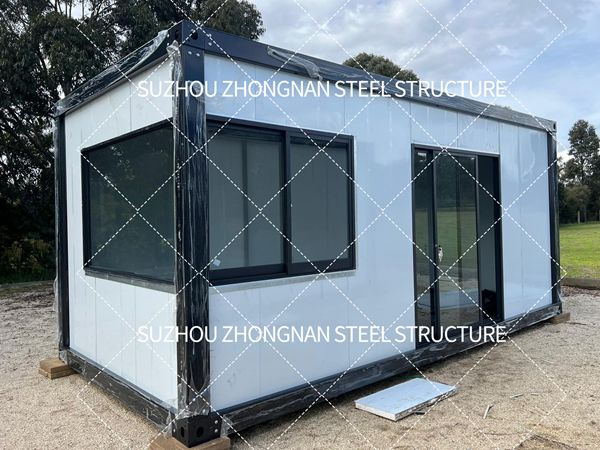
Whether you’re searching for cheap prefab homes, mobile living options, or permanent residences, the variety of prefab homes for sale today ensures there’s something for nearly every lifestyle and budget. From minimalist studios to spacious family homes, prefab construction has truly transformed the way people think about residential living.
What Are Prefab Homes?
Prefab homes are houses that are manufactured in a factory setting and then transported to the building site for assembly. Unlike site-built homes, which are constructed from the ground up on location, prefab homes benefit from factory precision, less weather-related delays, and improved material usage.
There are different types of prefab homes, including:
Modular Homes: Built in sections that are then connected on site.
Panelized Homes: Walls and components are shipped flat and assembled at the location.
Manufactured Homes: Entire homes or large parts are delivered fully built.
Portable Prefab Homes: Small, often mobile units that can be relocated as needed.
Benefits of Prefab Homes
Prefab housing isn’t just a cost-saving option—it also offers many practical advantages over traditional construction methods:
Faster Construction: Since modules are built in a controlled environment, weather delays are minimal.
Consistent Quality: Factory production allows for better oversight and fewer errors.
Eco-Friendly Options: Many prefab homes incorporate energy-efficient materials and sustainable designs.
Design Flexibility: Choose from existing floor plans or customize your layout.
Affordability: Especially with cheap prefab homes, buyers can save significantly on labor and materials.
Mobility: With portable prefab homes, you can relocate your living space to suit changing needs.
These benefits make prefab housing an excellent option for first-time buyers, retirees, remote workers, and even vacation homeowners.
Prefab Homes for Sale: What to Expect
If you’re browsing prefab homes for sale, you’ll likely encounter a wide variety of options in terms of size, layout, and price. Here are a few common features and configurations:
Tiny Homes: Often under 500 sq. ft., these portable prefab homes are perfect for minimalist lifestyles.
One- to Three-Bedroom Modular Homes: These mid-size options balance affordability with comfort.
Luxury Prefab Homes: High-end finishes, large floor plans, and smart-home integrations are also available.
Off-Grid Units: Designed for sustainable living with solar panels, rainwater collection, and composting toilets.
Prices vary depending on the size, design, materials used, and whether you’re buying a turnkey model or something semi-custom.
Cheap Prefab Homes: A Smart Investment
For buyers on a budget, cheap prefab homes offer a fantastic opportunity to own property without breaking the bank. These homes may be smaller or feature simpler finishes, but they still provide comfort, safety, and aesthetic appeal.
Tips for finding affordable prefab homes:
Buy Direct from Manufacturers: Cut out the middleman to save money.
Opt for Simpler Designs: Basic layouts reduce material and labor costs.
Purchase Used Models: Pre-owned portable prefab homes are often resold at reduced prices.
Consider Kit Homes: DIY assembly kits can significantly reduce costs if you’re handy.
Remember that the affordability of cheap prefab homes does not necessarily mean compromising on quality. Many reputable builders specialize in economical yet durable housing solutions.
Portable Prefab Homes: Flexible and Convenient
Portable prefab homes are a popular subcategory designed for ease of transportation and mobility. These units are especially useful for:
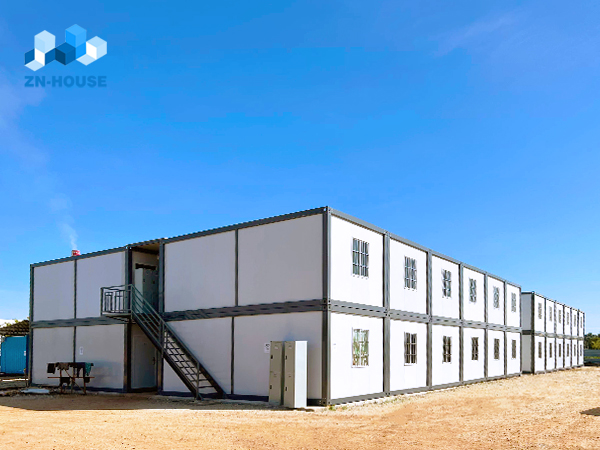
Temporary Housing: Ideal for workers, disaster relief, or emergency shelters.
Vacation Properties: Set up your getaway cabin without committing to permanent construction.
Accessory Dwelling Units (ADUs): Use them as guesthouses, home offices, or rental units.
Their lightweight structure and compact footprint make portable prefab homes easy to install and even relocate if necessary. They’re often self-contained, with plumbing, electrical systems, and kitchens already installed.
Things to Consider Before Buying a Prefab Home
Before purchasing any prefab home for sale, keep the following in mind:
Zoning Laws and Building Codes: Check local regulations regarding prefab or manufactured housing.
Land Requirements: If you don’t already own land, you’ll need to budget for and purchase a plot.
Utility Connections: Plan for water, sewage, and electrical hookups (or off-grid alternatives).
Foundation Type: Modular homes may require a slab or pier foundation.
Delivery and Installation Costs: These may not be included in the sticker price.
Permits and Approvals: Be prepared for permitting, especially in urban areas.
Working with a reputable dealer or manufacturer can help you navigate these challenges smoothly.
Prefab Homes FAQs
Q1: Are prefab homes cheaper than traditional homes?
A: Yes, in most cases. Cheap prefab homes can be 10–30% less expensive due to reduced labor and faster construction timelines.
Q2: How long do prefab homes last?
A: With proper care, modern prefab homes can last 30–50 years or more, comparable to traditional homes.
Q3: Can I finance a prefab home?
A: Yes. Many lenders offer financing for modular and manufactured homes, especially if placed on permanent foundations.
Q4: Are portable prefab homes suitable for full-time living?
A: Absolutely. Many portable prefab homes are fully equipped with insulation, plumbing, and modern conveniences.
Q5: Where can I find prefab homes for sale?
A: Check with prefab home manufacturers, online marketplaces, and local dealers. Be sure to verify certifications and warranty coverage.
Similar Posts
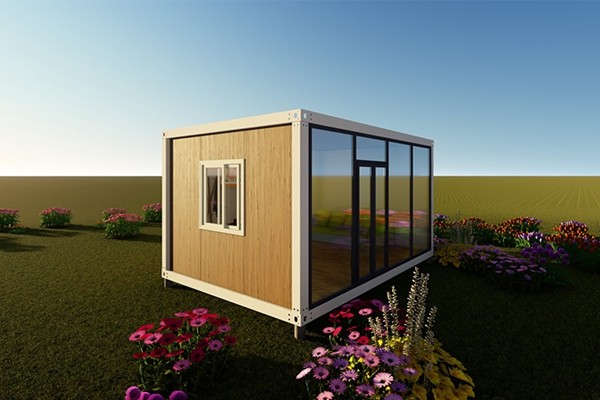
Time and Cost Savings with Prefabricated Flat Pack Homes
In today’s fast-paced world, the demand for affordable, efficient, and sustainable housing solutions is growing rapidly. Flat…
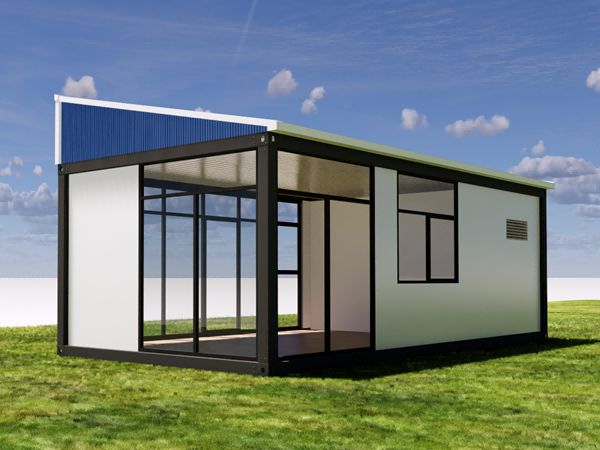
Purchasing Strategies for Cheap Prefabricated Houses
In the dynamic landscape of the housing market, the allure of affordable yet well – constructed…
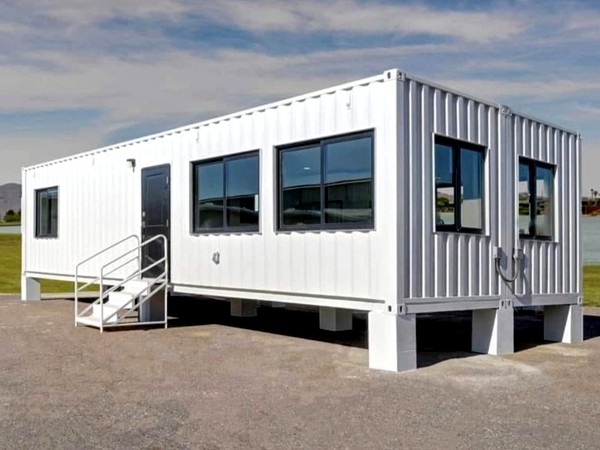
From Cargo to Cozy: How Shipping Containers Houses Become Modern
The transformation of humble steel cargo containers into luxurious and functional living spaces is a remarkable…
Expandable Modular House: A Smarter Way to Build and Live
As global housing demands evolve, the construction industry is seeing a significant shift toward fast, flexible,…

The Invisible Flat Pack House: Transparent Prefab Homes for Minimalists
In the world of modern architecture, innovation meets minimalism with the introduction of the Invisible Flat…

Shipping Container House Dreams
The world of architecture has been turned upside down by the ingenious concept of shipping container houses –…


