



Revolutionizing Modern Housing with Versatility and Affordability
In the quest for smarter, more efficient living solutions, flat pack homes for sale have emerged as a transformative innovation in the construction world. They combine speed, sustainability, and affordability—three attributes that are becoming increasingly crucial in today’s housing market. Whether you’re looking for a primary residence, a vacation retreat, or a temporary shelter, flat pack homes provide a compelling answer to modern housing needs.
This article will explore the concept of flat pack building, the benefits of flat pack modular buildings, and why flat pack container homes and flat pack tiny homes are rapidly gaining popularity among homeowners, developers, and businesses alike.
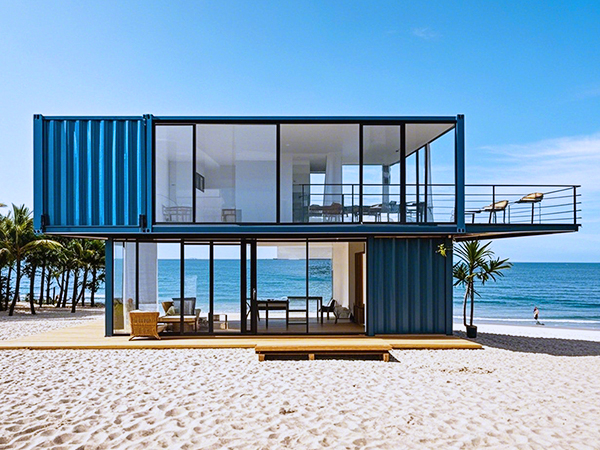
What Are Flat Pack Container Homes and Why Are They Gaining Popularity?
Flat pack container homes are pre-fabricated structures that are designed to be efficiently transported in a compact, flat-packed form and then quickly assembled on-site. Constructed from galvanized steel frames and insulated sandwich panels (EPS, rockwool, or glass wool), each standard unit is typically the size of a 20ft shipping container. The floor and roof are pre-installed before delivery, so the primary task on-site is simply assembling the walls and connecting the units.
What sets flat pack container homes apart is their modular nature. These units can be used individually, combined horizontally to form expansive layouts, or stacked vertically up to three or four stories high. This makes them suitable for a wide variety of uses, from small family homes to large commercial or residential complexes.
The demand for flat pack container homes has soared due to their affordability, flexibility, and the increasing need for fast-deployment housing solutions in urban and rural areas alike. The ability to customize layouts and finishes while maintaining structural integrity makes them a favorite among architects and property developers.
Advantages of Flat Pack Modular Buildings
The rise of flat pack modular buildings represents a significant shift in the construction paradigm. Unlike traditional builds, modular systems are created off-site in controlled environments. This means components are less exposed to weather-related delays and quality control is more easily maintained.
One of the biggest advantages of flat pack modular buildings is speed. Because much of the work is done in the factory—including plumbing, electrical systems, and insulation—assembly on-site is swift and seamless. For businesses and governments looking to deploy large-scale housing or office units quickly, this is an invaluable feature.
Another key benefit is scalability. With flat pack modular buildings, you can start with a basic unit and expand as needed. This flexibility is particularly advantageous in growing communities or organizations that anticipate evolving space requirements over time.
Flat Pack Building Solutions for Every Lifestyle and Budget
A flat pack building can take many forms, from a cozy tiny home to a multi-functional office space. The modular design allows for creativity and personalization, which is a major draw for individuals and businesses alike.
For homeowners, a flat pack building presents the opportunity to design a unique living space that fits their needs and preferences without incurring exorbitant construction costs. Options range from minimalist one-bedroom setups to multi-room family homes complete with kitchens, bathrooms, and lounges.
For business owners, flat pack buildings offer mobile, reusable, and expandable structures perfect for retail kiosks, cafes, pop-up stores, or offices. These units are especially popular in remote or underserved areas where building infrastructure from scratch would be cost-prohibitive.
The eco-friendly aspect is also worth noting. Many flat pack building systems use recycled or sustainable materials, generate less construction waste, and are designed to maximize energy efficiency. This combination of economy and environmental responsibility makes flat pack solutions a smart choice for the future.
Why Flat Pack Tiny Homes Are Gaining Attention
With the tiny house movement showing no signs of slowing down, flat pack tiny homes have become one of the most innovative and sought-after housing types. These compact, highly functional spaces embody the principle that less is more.
Flat pack tiny homes are ideal for people who value sustainability, minimalism, and financial freedom. They are often used as primary residences, guest houses, or vacation homes. Their reduced footprint means lower utility bills and less maintenance, making them a practical option for both individuals and small families.
One of the most appealing aspects of flat pack tiny homes is their ability to be customized despite their size. From lofted sleeping areas to integrated storage and multi-use furniture, every square meter is designed to maximize utility. Moreover, their small size makes them ideal for plots of land that may not support traditional construction.
Their portability is another winning factor. Many flat pack tiny homes are built on trailers or can be disassembled and moved, making them perfect for people who prefer a nomadic or semi-permanent lifestyle.
How to Choose the Right Flat Pack Container Homes for Your Needs
Choosing the best flat pack container homes depends largely on your specific goals, whether residential or commercial. It’s important to consider the purpose of the structure, whether it will serve as a home, office, shop, or multi-use space. Budget also plays a significant role, as costs vary based on materials, size, and the level of customization—basic units are often very affordable, while upscale designs with premium finishes naturally come at a higher price. Climate considerations are crucial to ensure that insulation and ventilation systems are suited to your local weather conditions. Additionally, location factors such as accessibility for delivery and setup, along with compliance with local building codes and zoning regulations, should be thoroughly evaluated. Lastly, long-term use and potential expansion should guide your choice, as the modular nature of flat pack container homes allows you to start small and expand later, build vertically to save space, or reconfigure the layout as your needs evolve. The adaptability of these homes is one of their greatest strengths, making them a flexible solution for changing circumstances.
Flat pack homes for sale FAQs
How much do flat pack container homes cost on average?
The price of flat pack container homes varies depending on size, customization, and materials used. Entry-level units can start around $10,000 to $20,000, while mid-range models with full amenities often range between $30,000 and $70,000. Luxury or multi-unit designs can exceed $100,000. Additional costs may include site preparation, utility hookups, and permits.
Are flat pack modular buildings safe and durable?
Yes, flat pack modular buildings are designed to meet rigorous safety standards. The steel framework and high-quality insulation panels provide structural integrity and durability. These buildings are often tested for fire resistance, wind load, and insulation performance, ensuring they are suitable for both residential and commercial use.
Can flat pack tiny homes be used as permanent residences?
Absolutely. Many flat pack tiny homes are designed for full-time living. They can include kitchens, bathrooms, heating, and cooling systems, making them just as comfortable as larger homes. The key is to ensure proper insulation and utility connections. Local zoning laws should also be reviewed to ensure compliance for permanent residency.
How long does it take to assemble a flat pack building?
One of the biggest benefits of a flat pack building is its quick assembly time. Depending on the complexity of the design, assembly can take anywhere from a few hours to a few weeks. A standard single-unit flat pack container home might be assembled in 2–5 days with a small team, while larger structures could take several weeks.
Are there financing options for flat pack homes for sale?
Yes, many suppliers and builders offer financing plans for flat pack homes for sale, either independently or through partnerships with financial institutions. You may also qualify for personal loans, home improvement loans, or mortgages depending on your credit profile and local regulations. It’s important to get a detailed quote and consult with a financial advisor to explore your options.
Similar Posts
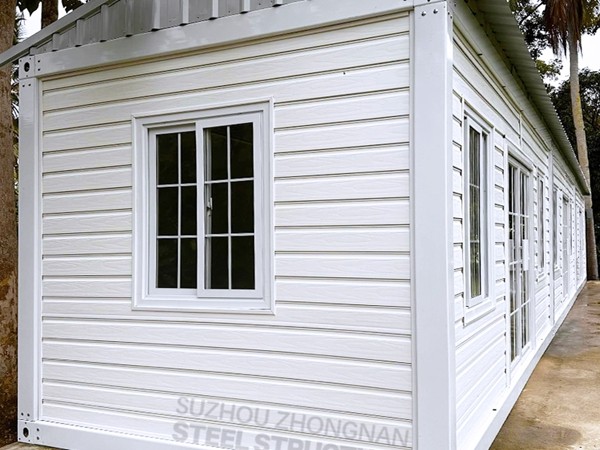
Modular Container House Design Excellence
In the realm of modern construction, modular container houses have emerged as a symbol of innovation and…

Rapid Deployment Foldable Container Homes Post-Disaster
Natural disasters leave devastation in their wake, demanding swift, effective humanitarian responses. Among the most critical…
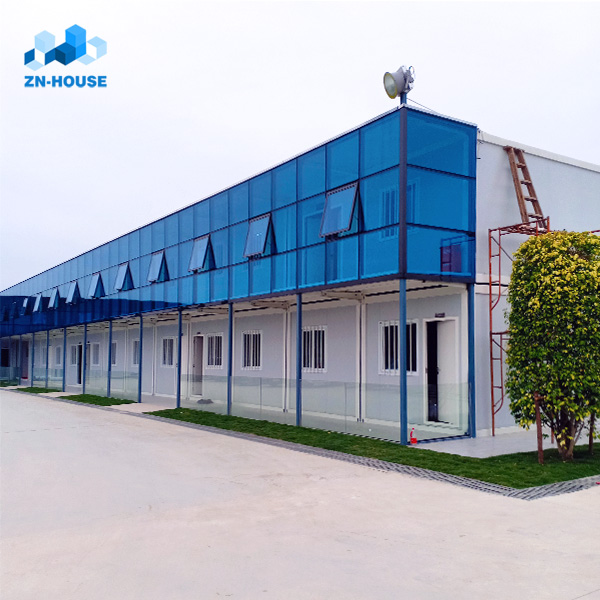
Exploring Interior Design Options for Flat Pack Housing
In the realm of modern construction, flat pack houses have emerged as a popular and innovative housing…
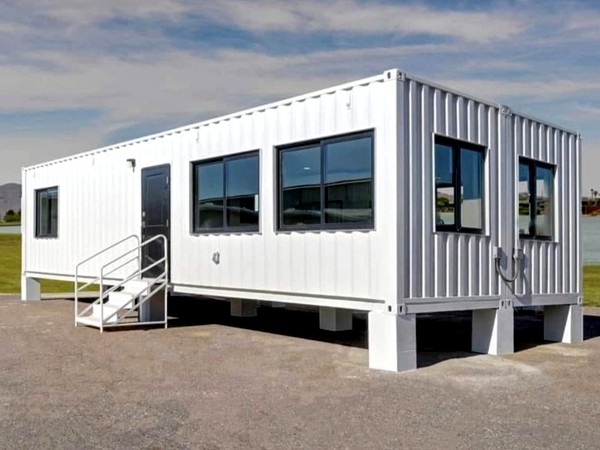
Shipping Container Tiny House Minimalist Lifestyle: Redefining Modern Living
The siren call of simplicity grows louder in our chaotic world. As urban sprawl accelerates and…
Structural Systems in Flat Pack Container Houses
The global construction industry is rapidly embracing efficient, sustainable building solutions, and flat pack container house has…
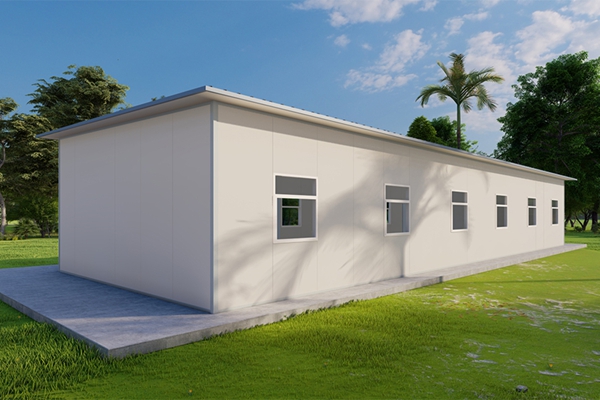
Prefab House for Sale Fast Assembly
Prefab house for sale has become a cornerstone of efficient housing solutions, catering to sectors ranging from…


