



Shipping Container House Foundation Types Needed
The rise of prefabricated housing has revolutionized modern construction, with shipping container house designs leading the charge in sustainability, affordability, and innovation. Unlike traditional buildings, these structures leverage repurposed steel containers, offering unparalleled versatility for residential, commercial, and hospitality applications. As a pioneer in this field, ZN House has championed this movement since 2005. Founded in Suzhou, the company began with modular houses to address market gaps in high-quality, high-safety container homes. Today, ZN House exports to over 50 countries via 30+ international agents, driven by a collaborative team ethos and a commitment to custom solutions. Their expertise ensures that every project—whether a single-unit retreat or a multi-story complex—starts with one critical element: a robust foundation.

Essential Foundations for Your Shipping Container House
A shipping container house demands a stable base to ensure longevity, safety, and compliance with local codes. Unlike conventional homes, container structures concentrate weight on their four corners, requiring foundations that distribute load evenly while resisting ground movement, moisture, and corrosion. Common options include:
- Concrete Slabs: Ideal for flat terrains, these provide a solid, level surface and integrate utilities like plumbing. They’re cost-effective for single-container units.
- Pile Foundations: Steel or concrete piles anchor containers in unstable soils (e.g., coastal or flood-prone areas), elevating structures above ground moisture.
- Perimeter Footings: Concrete strips beneath container edges suit moderate climates, offering stability without full slabs.
- Pier Blocks: Adjustable concrete or steel piers allow quick installation on sloped sites, though they’re best for temporary setups.
ZN House’s engineering team emphasizes soil testing and local climate analysis. For instance, frost-prone regions need deeper footings to prevent heaving, while seismic zones require reinforced tie-downs. Their prefab models—used as holiday homes, beach villas, or cafes—arrive with integrated anchor points, streamlining on-site foundation integration.
Foundation Adaptation for Converted Shipping Containers
Converted shipping containers introduce unique challenges. Modifications like window cutouts, expanded doorways, or multi-container joins redistribute structural loads, demanding tailored foundations. Key considerations include:
- Weight Distribution: Removing steel panels for panoramic windows weakens rigidity. Foundations must compensate via wider footings or cross-bracing.
- Multi-Unit Configurations: Stacked or side-by-side containers (e.g., for hotels or restaurants) need unified foundations like rafts or grade beams to prevent shifting.
- Utility Integration: ZN House’s custom units feature pre-installed electrical and plumbing; foundations must embed conduit pathways for seamless hookups.
For projects like luxury resorts or pop-up bars, ZN House uses reinforced concrete mats when converting containers. These spread weight evenly, crucial for structures with cantilevered sections or rooftop additions. Their factory-finished units—featuring transparent doors, oversized windows, and preserved industrial exteriors—retain structural integrity only when paired with intelligently engineered bases.
Scalable Solutions for Shipping Container Buildings
Large-scale shipping container buildings—such as apartment complexes, schools, or retail centers—require industrialized foundation systems. ZN House’s global projects (spanning 50+ countries) deploy these approaches:
- Raft Foundations: Massive concrete slabs support entire container clusters, ideal for soft soils. They prevent differential settling in multi-story setups.
- Driven Piles: For high-rises, piles transfer loads to stable subsoil layers, accommodating dynamic forces like wind or earthquakes.
- Modular Grids: Precast concrete piers or helical screws allow rapid assembly, minimizing site disruption for time-sensitive projects.
ZN House collaborates with geotechnical engineers to address scale-specific risks. A 20-unit container hotel in a hurricane zone, for example, used ballasted piers with shear walls. Their buildings prioritize adaptability: factory-welded modules slot into foundation anchors, enabling deployment in under 48 hours. With features like natural light-filled interiors and contemporary aesthetics, these structures blend functionality with design—without compromising on safety.
FAQs about Shipping Container House Foundations
What foundation is best for a single shipping container house?
Concrete piers or slab-on-grade are optimal for standalone units. ZN House recommends slabs for permanent residences (enhancing insulation) and piers for temporary setups like vacation homes. Both integrate factory-fixed anchor points.
Do converted shipping containers need specialized foundations?
Yes. Modifications (e.g., removing walls for panoramic windows) reduce torsional strength. Reinforced strip footings or mat foundations redistribute weight, preventing warping. ZN House’s design team pre-calculates load shifts for custom conversions.
How do foundations for shipping container buildings differ from homes?
Scale dictates complexity. Multi-story buildings demand geotechnical surveys and engineered systems (e.g., piles or rafts) to handle cumulative loads. ZN House’s large projects include embedded seismic bracing in foundations for high-wind or quake zones.
Can I reuse foundations if relocating my shipping container house?
Pier blocks or screw piles allow disassembly and relocation. Permanent foundations (slabs, footings) are site-specific. ZN House’s modular units detach easily from reusable piers, ideal for pop-up venues like cafes or clubs.
Do shipping container buildings require deeper foundations in cold climates?
Absolutely. Frost lines dictate depth—foundations must extend below this level to avoid heave. ZN House uses insulated concrete forms (ICFs) in subzero regions, paired with heated utility conduits.
Selecting the right foundation is non-negotiable for shipping container house success. From minimalist vacation homes to sprawling shipping container buildings, the base determines structural resilience, compliance, and lifespan. ZN House’s global experience—forged since 2005—highlights that innovation starts from the ground up. Their prefab units, optimized for comfort and rapid deployment, arrive with precision anchor systems, but site-specific foundations ensure these modern marvels stand the test of time. As demand grows for sustainable, mobile architecture, ZN House remains dedicated to engineering homes that marry industrial grit with contemporary livability—one solid foundation at a time.
Similar Posts
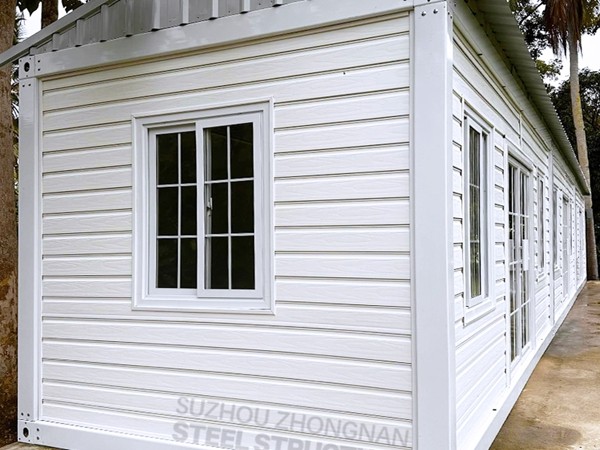
Folding Container House: A Revolutionary Housing Solution
In the modern world, the need for affordable, sustainable, and adaptable housing solutions has never been…

Folding Container House for Sale Size Options
In the dynamic world of modern housing solutions, folding container house for sale options have gained significant traction,…

Space Efficient Folding Container Home Solutions
Contemporary architecture embraces revolutionary container foldable house technology that maximizes spatial functionality. These innovative structures merge cutting-edge engineering…

Container House China Manufacturer For Global Buyers
The demand for container house china manufacturer services has grown rapidly as more people and businesses look…
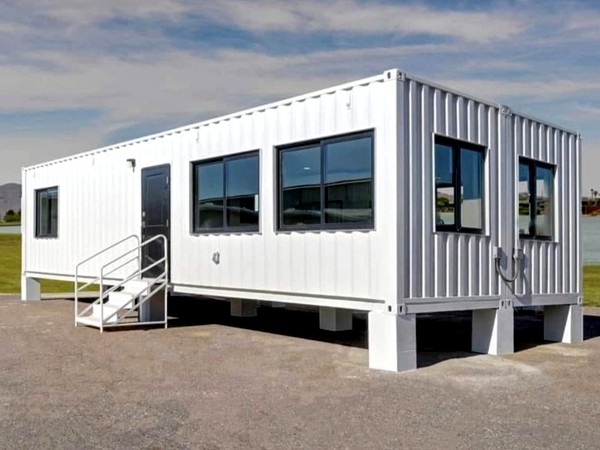
High-End Interior Design for Shipping Crate Houses
The evolution of shipping container house and shipping crate houses has transformed industrial materials into luxurious living spaces. No longer…
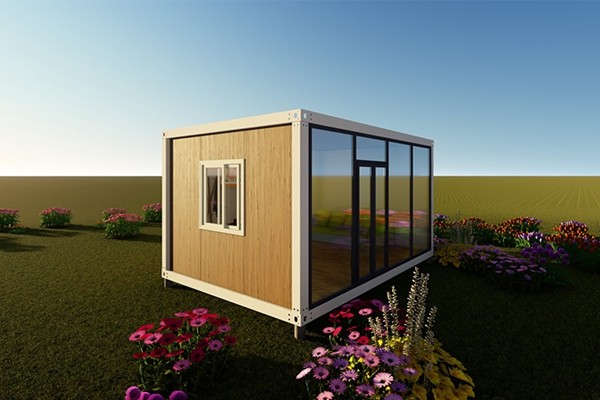
Discover the Future of Living with Innovative Flat Pack Houses
As urbanization accelerates and housing shortages grow, the demand for innovative, efficient, and affordable construction solutions…


