



Sustainability of Quick to Assemble Homes
Quick to assemble homes—encompassing flexible assemble house models and durable assemble container house variants—are redefining sustainable building by merging rapid installation with eco-friendly practices, addressing global demands for low-waste, energy-efficient spaces. Unlike traditional construction (which generates 25% of global construction waste), quick to assemble homes leverage prefabricated components, minimal on-site work, and reusable materials to cut environmental impact while meeting speed needs for sectors like construction, disaster relief, and affordable housing. For wholesalers serving developers, aid organizations, or industrial clients, partnering with a manufacturer that prioritizes sustainability in quick to assemble homes is key. Suzhou Zhongnan Steel Structure Co., Ltd. (ZN House), founded in 2005 and a leader in modular housing, excels here: they craft assemble container house and assemble house models that require no heavy machinery for installation (just bands and bolts) while using factory-separated, customizable materials—making them a trusted bulk partner for wholesalers seeking sustainable building solutions.
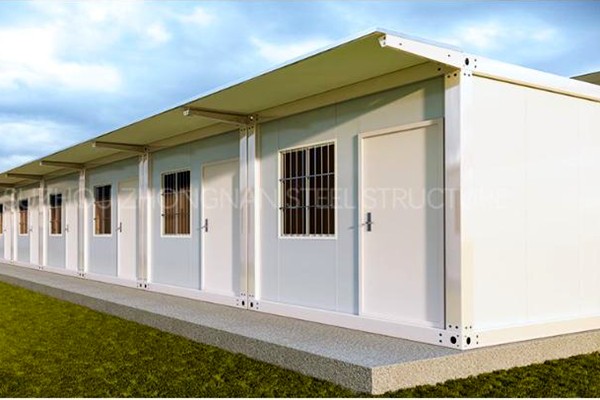
Low-Waste Production for Quick to Assemble Homes
- Factory-Controlled Material Use for Assemble House: Assemble house (a core type of quick to assemble homes) minimizes waste via factory-precision component production, a stark contrast to on-site builds (which waste 10–15% of materials due to cutting errors). ZN House manufactures 90% of assemble house parts (walls, floors, roof panels) in controlled facilities, where computer-aided design (CAD) ensures exact sizing—scrap rates stay below 3%, vs. 8% for traditional on-site construction. For example, a 10-unit assemble house project for worker dormitories generates just 200kg of waste, vs. 1,200kg for a similar on-site built project. The factory also separates materials (e.g., steel frames, insulation panels) for easy on-site assembly, eliminating on-site sorting and reducing landfill contributions. This low-waste approach appeals to wholesalers’ clients aiming to meet corporate sustainability goals (e.g., LEED or BREEAM certifications).
- Reusable Components for Assemble Container House: Assemble container house (a durable subset of quick to assemble homes) stands out for reusable materials—ZN House’s models use galvanized steel frames that retain structural integrity for 15+ years, allowing the assemble container house to be disassembled, transported, and reassembled at new sites. Unlike one-time-use traditional structures, these homes can be repurposed across projects: a assemble container house used as a construction site office can later be reassembled as a community center or storage space. For instance, a disaster relief organization using ZN House’s assemble container house can deploy the same units to 3 different disaster zones over 5 years, cutting the need for new builds by 60%. This reusability reduces resource consumption, making assemble container house a top choice for wholesalers serving clients with temporary or mobile space needs.
Energy Efficiency in Quick to Assemble Homes
| Energy Efficiency Aspect | Key Feature for Quick to Assemble Homes | Ideal Client Use Case | ZN House Advantage | Wholesaler Value |
| Insulation Performance | Rock wool/polyurethane sandwich panels; thermal conductivity ≤0.03 W/(m·K) | Cold-climate mining camps, residential cabins | Reduces heating/cooling costs by 30% vs. poorly insulated homes | Appeals to clients in extreme climates |
| Passive Design | Double-glazed windows (heat retention); cross-ventilation layouts (cooling) | Warm-climate resorts, off-grid homes | No need for constant AC/heating; aligns with off-grid energy systems | Caters to eco-tourism/remote clients |
| Renewable Energy Compatibility | Pre-installed mounting points for solar panels; wiring for small wind turbines | Rural communities, disaster relief shelters | Plug-and-play renewable integration; cuts reliance on fossil fuels | Fits sustainability-focused clients |
| Energy-Saving Materials | Low-VOC paints (no toxic emissions); recycled steel (lower embodied energy) | Urban affordable housing, office pods | Reduces indoor air pollution; 25% lower embodied energy than new steel | Appeals to health/eco-conscious clients |
Machinery-Free Installation for Sustainable Assemble House
- Manual Assembly for Assemble House: A defining sustainable trait of assemble house (and quick to assemble homes) is machinery-free installation—ZN House’s models require only bands and bolts to assemble, no forklifts or cranes. This eliminates diesel emissions from heavy machinery (a major source of on-site carbon footprint) and reduces noise pollution, making assemble house suitable for sensitive areas (e.g., residential neighborhoods or wildlife zones). For example, a assemble house project in a suburban construction site avoids emitting 500kg of CO₂ (vs. a crane-dependent build), while also reducing noise levels to 55dB (vs. 85dB for machinery-heavy builds). The manual process also requires fewer workers (2–3 people per unit), cutting labor-related energy use (e.g., worker transport). This low-emission installation is a key selling point for wholesalers targeting clients with strict environmental regulations.
- Customizable Sizing for Energy Optimization: Quick to assemble homes offer customizable sizes (tailored to client needs via ZN House’s design team), ensuring no wasted space—and thus no wasted energy. A client needing a 15㎡ office doesn’t have to choose a generic 20㎡ unit (which would use 25% more energy to heat/cool). For instance, a small community center using a 30㎡ customized assemble container house uses 18% less energy than a standard 40㎡ prefab unit, while still meeting functional needs. This size flexibility lets wholesalers’ clients balance space requirements with energy efficiency, avoiding overconsumption.
Quick to Assemble Homes FAQS
Are Quick to Assemble Homes Durable Enough for Long-Term Use?
Yes— quick to assemble homes (especially ZN House’s assemble container house) are built for long-term use, with galvanized steel frames that resist corrosion and durable sandwich panels that withstand weathering. When properly maintained, these homes last 15–20 years—comparable to traditional wooden homes. For example, a quick to assemble home used as a rural school in Africa remained intact after 10 years of heavy rain and temperature fluctuations, requiring only minor paint touch-ups. Unlike flimsy temporary structures, ZN House’s models meet international building codes (e.g., ISO 12480 for container structures), ensuring long-term safety and durability. Wholesalers can market them to clients seeking sustainable, long-lasting spaces (not just temporary solutions).
Can Assemble Container House Be Recycled at the End of Their Lifespan?
Absolutely— assemble container house (a type of quick to assemble homes) is highly recyclable, with 90% of its materials (steel frames, aluminum fixtures) reusable or recyclable. ZN House designs components for easy disassembly, so at the end of a home’s lifespan, steel frames can be melted down and repurposed into new construction materials, while insulation panels can be recycled into low-grade insulation. For example, a decommissioned assemble container house from ZN House yields 800kg of recyclable steel (enough to build 2 new small units), diverting waste from landfills. This circularity aligns with global “zero waste” goals, making assemble container house a top choice for wholesalers serving eco-focused clients.
How Does Custom Sizing Impact the Sustainability of Quick to Assemble Homes?
Custom sizing enhances sustainability by eliminating “space waste”—ZN House’s quick to assemble homes are designed to match clients’ exact needs, so no energy or materials are used for unused space. A client needing a 20㎡ storage facility doesn’t have to opt for a 30㎡ unit (which would use 33% more materials and energy). Custom sizing also reduces transportation emissions: smaller, tailored components fit more efficiently in shipping containers (15% more units per container vs. standard sizes), cutting fuel use per unit. For instance, a wholesaler shipping 100 customized assemble house units emits 20% less CO₂ than shipping 100 standard units. This efficiency helps wholesalers’ clients lower their carbon footprint while staying within budget.
Do Quick to Assemble Homes Require Special Maintenance to Preserve Sustainability?
No— quick to assemble homes require minimal maintenance to stay sustainable, thanks to durable materials. ZN House’s assemble house models need only annual checks (e.g., inspecting insulation, tightening bolts) and occasional cleaning—no costly, resource-heavy repairs (e.g., re-roofing or termite treatment). The galvanized steel frames resist rust, so no toxic anti-rust paints are needed, while the sandwich panels are moisture-resistant (avoiding mold growth and insulation replacement). For example, a quick to assemble home in a coastal area needs just a yearly wipe-down of exterior panels (to remove salt) and no additional corrosion treatment. This low-maintenance trait preserves the home’s sustainability (no waste from repairs) and reduces long-term costs, appealing to wholesalers’ clients with limited maintenance budgets.
Can Quick to Assemble Homes Be Used in Off-Grid Locations Without Compromising Sustainability?
Yes— quick to assemble homes (especially assemble container house) are ideal for off-grid locations, with design features that support sustainable self-sufficiency. ZN House’s models include pre-installed solar panel mounts, rainwater collection ports, and composting toilet hookups—all compatible with off-grid systems. For example, an assemble container house in a remote mountain community can run entirely on solar power (via 2 pre-mounted panels) and collect rainwater for daily use, with no reliance on grid electricity or municipal water. The machinery-free installation also means the home can be built in areas with no road access for heavy equipment, avoiding habitat destruction from road construction. This off-grid compatibility lets wholesalers serve clients in underserved or remote regions, expanding their market reach while promoting sustainability.
Similar Posts
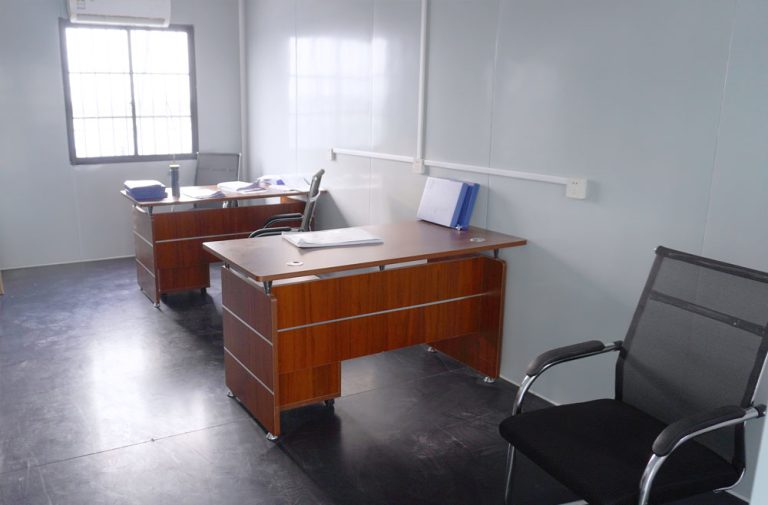
Make the Most of Your Space in a Shipping Container Home or Office
In recent years, shipping container homes and offices have gained immense popularity, revolutionizing the way we…
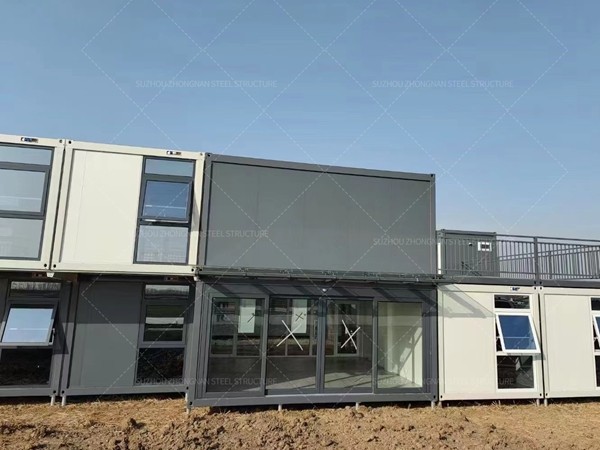
Expandable Modular House Innovations Leading Future Living Solutions
Suzhou Zhongnan Steel Structure Co., Ltd. stands as a vanguard in the innovative construction sector, pioneering…

The Future of Modular Housing: Folding Container Houses
In an ever-evolving world where space and flexibility are at a premium, folding container houses are gaining…
Sustainable Materials for a Foldable Container House
Sustainability has become a cornerstone of the global construction industry, and folding container house solutions are leading…
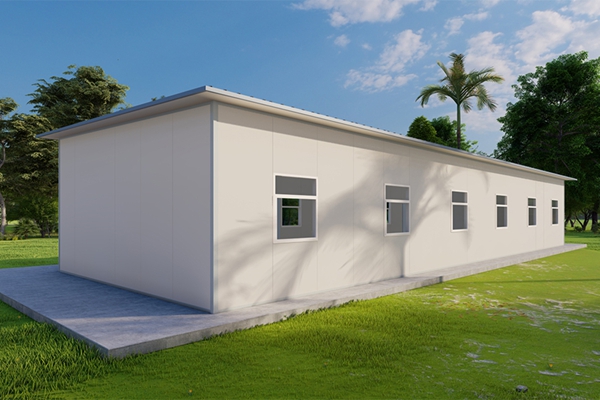
Prefab container house is innovative
The global landscape of residential and commercial construction is undergoing a significant transformation, driven by the…

Revolutionary Living: Smart Container Homes for Everyone!
Container Homes and Shelters: The Future of Affordable Housing Say hello to container homes and shelters – the…


