



Sustainable Features in Modular Container Buildings
In the contemporary construction industry, modular shipping container homes, modular container buildings, and modular container house prefab tiny home house have emerged as innovative and sustainable solutions. With the increasing global focus on environmental conservation and sustainable development, these structures offer numerous eco-friendly features that meet the evolving needs of the market. Suzhou Zhongnan Steel Structure Co., Ltd., with its expertise in manufacturing high-quality modular container buildings, is at the forefront of promoting sustainable construction practices, providing wholesalers with products that combine functionality, durability, and environmental responsibility.

Applications of Modular Container Buildings Table
| Application | Details |
| Residential Housing | Addresses the growing demand for affordable housing in urban areas; offers a cost-effective solution for individuals and families; suitable for temporary housing needs during natural disasters or for construction workers on-site, with quick deployment and assembly capabilities |
| Disaster Relief Housing | Crucial for providing rapid and reliable housing after natural disasters; can serve as temporary or permanent shelters; known for durability and resistance to harsh weather conditions |
| Remote and Temporary Workspaces | Facilitates the rise of remote work, used as offices, studios, and workspaces; highly mobile and easy to assemble, enabling businesses to establish functional work environments in various locations |
| Vacation Homes | Presents a cost-effective and efficient option for vacation property investment; can be placed in scenic areas, avoiding the long construction process of traditional homes |
| Modular Container Street Projects | – |
Sustainable Material Use in Modular Container Buildings
- Modular container buildings stand out for their sustainable material use, a key feature that reduces their environmental impact. The primary material, shipping containers, are typically made of steel, which is one of the most recyclable materials globally. Suzhou Zhongnan Steel Structure Co., Ltd. repurposes these used shipping containers, giving them a new life and reducing the demand for virgin materials in construction. This recycling process not only conserves natural resources but also minimizes waste sent to landfills. The steel used in the containers is durable, resistant to corrosion when properly treated, and can withstand harsh environmental conditions, ensuring the long – term stability of the modular container buildings.
- In addition to the steel containers, other materials used in modular container buildings are also selected with sustainability in mind. For insulation, materials like recycled fiberglass, mineral wool, or cork are commonly used. These insulation materials not only provide excellent thermal performance, reducing energy consumption for heating and cooling but also have a lower environmental impact compared to traditional insulation options. The use of recycled materials in insulation further contributes to the circular economy, reducing the need for new raw material extraction. Moreover, for interior finishes, low – VOC (Volatile Organic Compounds) paints and sustainable flooring materials, such as bamboo or reclaimed wood, are often incorporated. These materials are not only eco-friendly but also create a healthier indoor environment for the occupants of modular container buildings.
- Suzhou Zhongnan Steel Structure Co., Ltd. also focuses on minimizing material waste during the manufacturing process of modular container buildings. The modular construction method allows for precise material cutting and assembly, reducing the amount of excess material generated. Any leftover materials are carefully managed and recycled whenever possible. This efficient use of materials not only reduces costs but also aligns with the principles of sustainable construction. By emphasizing sustainable material use, wholesalers can offer modular container buildings that are not only functional and aesthetically pleasing but also contribute to a more sustainable built environment.
Energy-Efficient Design in Modular Shipping Container Homes
- Modular shipping container homes are designed with energy efficiency as a top priority, making them a sustainable choice for housing. The compact and well-insulated nature of these homes helps to minimize heat transfer, reducing the need for excessive heating and cooling. Suzhou Zhongnan Steel Structure Co., Ltd. uses high-quality insulation materials in the walls, roofs, and floors of modular shipping container homes, creating a thermal envelope that keeps the interior comfortable while conserving energy. Additionally, the use of double – glazed or triple – glazed windows further enhances energy efficiency by reducing heat loss in winter and heat gain in summer.
- Another aspect of energy-efficient design in modular shipping container homes is the integration of renewable energy sources. Many of these homes are designed to be compatible with solar panels, which can be installed on the roof to generate clean electricity. Solar energy systems can significantly reduce the reliance on traditional power grids, lowering the carbon footprint of the home. Some modular shipping container homes may also incorporate other renewable energy technologies, such as small – scale wind turbines or geothermal heating and cooling systems, depending on the location and feasibility. These renewable energy solutions not only make the homes more sustainable but also offer long – term cost savings on energy bills for the occupants.
- Energy-efficient appliances and lighting are also commonly used in modular shipping container homes. LED lighting, which consumes less energy and has a longer lifespan compared to traditional incandescent bulbs, is often installed throughout the home. Energy – star rated appliances, such as refrigerators, washing machines, and air conditioners, are selected to ensure maximum energy efficiency. Suzhou Zhongnan Steel Structure Co., Ltd. designs modular shipping container homes with smart energy management systems in mind, allowing occupants to monitor and control their energy usage, further optimizing energy consumption. By promoting energy-efficient design in modular shipping container homes, wholesalers can meet the growing demand for sustainable housing solutions that are both environmentally friendly and cost – effective.
Water Conservation in Modular Container House Prefab Tiny Home House
- Modular container house prefab tiny home house incorporates several water conservation features, making it an environmentally responsible choice. Rainwater harvesting systems are a common addition to these structures. Suzhou Zhongnan Steel Structure Co., Ltd. designs modular container house prefab tiny home house with the ability to collect and store rainwater from the roof. This harvested rainwater can be used for non-potable purposes such as watering plants, flushing toilets, or washing cars, reducing the demand for municipal water supplies. The rainwater harvesting systems are equipped with filters and storage tanks to ensure the water is clean and suitable for use.
- Water – efficient fixtures are also installed in modular container house prefab tiny home house to minimize water waste. Low – flow toilets, faucets, and showerheads are used throughout the home. These fixtures reduce water consumption without sacrificing performance, helping occupants to conserve water in their daily lives. Additionally, graywater recycling systems can be integrated into modular container house prefab tiny home house. Graywater, which is water from sinks, showers, and washing machines, can be treated and reused for non-potable applications. This further reduces the reliance on fresh water sources, contributing to overall water conservation efforts.
- Suzhou Zhongnan Steel Structure Co., Ltd. also considers the overall water management of modular container house prefab tiny home house during the design process. Proper drainage systems are installed to prevent waterlogging and ensure efficient water runoff. The use of permeable materials in outdoor areas, such as driveways and walkways, allows rainwater to infiltrate the ground, replenishing groundwater supplies. By implementing these water conservation measures in modular container house prefab tiny home house, wholesalers can offer products that are not only sustainable in terms of energy and materials but also contribute to the conservation of precious water resources.
Modular Container Buildings FAQS
What makes the materials used in modular container buildings sustainable?
The materials used in modular container buildings are sustainable mainly due to the reuse of shipping containers. Steel from these containers is highly recyclable, reducing the need for virgin materials. Additionally, insulation materials like recycled fiberglass, mineral wool, or cork, along with low – VOC paints and sustainable flooring options, further enhance sustainability. Suzhou Zhongnan Steel Structure Co., Ltd. also minimizes material waste during manufacturing through precise modular construction and recycling of leftover materials, making the overall material use in modular container buildings environmentally friendly.
How do modular shipping container homes contribute to energy conservation?
Modular shipping container homes contribute to energy conservation through various means. Their compact and well-insulated design reduces heat transfer, minimizing the need for heating and cooling. High-quality insulation materials, double – or triple – glazed windows, and energy-efficient appliances and lighting all play a role. Moreover, the integration of renewable energy sources such as solar panels, wind turbines, or geothermal systems allows these homes to generate their own clean energy, reducing reliance on traditional power grids. Smart energy management systems also enable occupants to optimize energy usage, making modular shipping container homes highly energy – efficient and sustainable.
What are the water conservation features in modular container house prefab tiny home house?
Modular container house prefab tiny home house features several water conservation elements. Rainwater harvesting systems collect and store rainwater for non-potable use, reducing the demand for municipal water. Water – efficient fixtures like low – flow toilets, faucets, and showerheads minimize water waste during daily use. Graywater recycling systems treat and reuse water from sinks, showers, and washing machines for non – drinking purposes. Proper drainage systems and the use of permeable materials in outdoor areas also contribute to efficient water management and conservation. Suzhou Zhongnan Steel Structure Co., Ltd.’s design approach ensures these homes are sustainable in terms of water usage.
Can modular container buildings be customized while maintaining sustainability?
Yes, modular container buildings can be customized while maintaining sustainability. Suzhou Zhongnan Steel Structure Co., Ltd. offers a range of sustainable material options, energy – efficient designs, and water conservation features that can be incorporated into customized projects. Whether it’s adjusting the size, layout, or adding specific features, the company ensures that the core sustainable aspects are preserved. Customization can be done in a way that still promotes the reuse of materials, energy efficiency, and water conservation, allowing wholesalers to meet the diverse needs of customers while staying true to the principles of sustainable construction.
How do modular shipping container homes compare to traditional homes in terms of sustainability?
Modular shipping container homes are generally more sustainable than traditional homes. They reuse existing shipping containers, reducing the demand for new construction materials. Their energy-efficient designs, with better insulation and integration of renewable energy, lead to lower energy consumption. Water conservation features are also more commonly incorporated. Additionally, the modular construction process of modular shipping container homes generates less waste compared to traditional construction. Overall, modular shipping container homes have a smaller environmental footprint in terms of material use, energy consumption, and water management, making them a more sustainable housing option.
Similar Posts

Assemble House Structural Safety Standards
As a wholesaler in the construction industry, understanding the structural safety standards for assemble house is crucial. Whether…

Shipping Container House Wiring Guide
In the realm of alternative housing, shipping container houses have gained significant popularity for their affordability, sustainability, and…
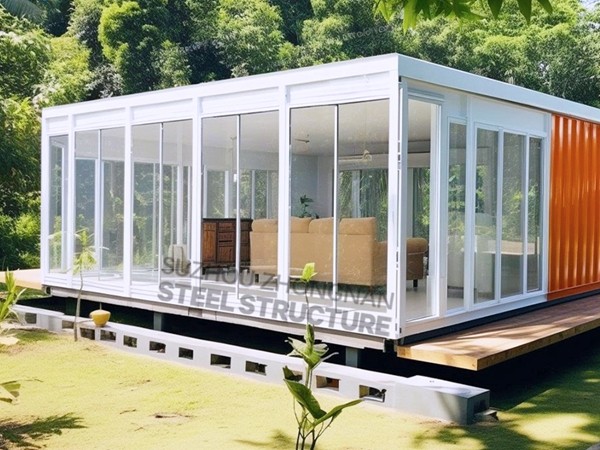
Modular Container Houses: Affordable, Flexible, and Sustainable Housing Solutions
As the need for affordable, quick-to-build, and sustainable housing continues to rise, modular container houses have emerged…
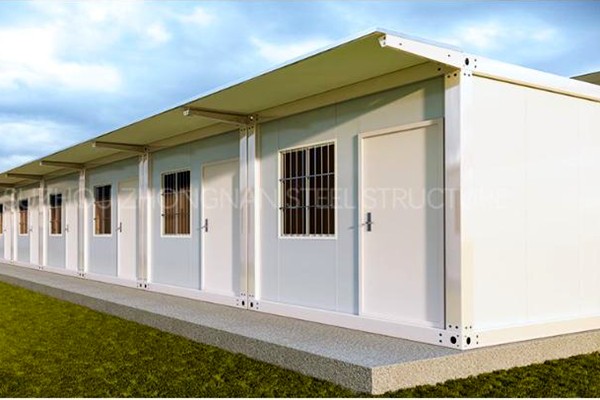
Can an assemble house be customized to meet unique architectural styles
The world of architecture is constantly evolving, with a growing demand for buildings that are not…
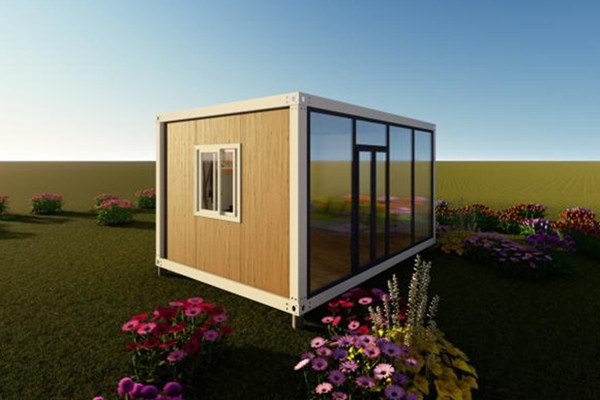
Flat Pack Home Revolution
The housing industry is buzzing with excitement about flat pack homes that are transforming how we think about…

Foldable container house expandable living spaces
Foldable container house expandable living spaces have emerged as a game-changer in adaptive housing, solving niche…


