



T-Type Prefab Houses: The Fast, Sustainable Solution for Ukraine’s Post-War Reconstruction
Ukraine’s Reconstruction Crisis: Why T-Type Prefab Houses Are Essential
The World Bank reports over 200,000 Ukrainian homes destroyed since 2022. Ukraine’s reconstruction faces a dual challenge: speed and scale. Traditional brick-and-mortar construction cannot meet urgent demands. Rebuilding with concrete and steel takes months. Costs strain limited budgets. For 1.7 million displaced people (UNHCR), delays mean prolonged instability. T-type prefab houses offer a solution. A T-type prefab house is a modular structure designed for rapid assembly and reuse. It uses a light steel frame as its core skeleton, ensuring durability and flexibility. These modular homes are designed for rapid assembly. Factories produce components in weeks. On-site construction requires days, not months. You save time without sacrificing quality. Modular designs adapt to diverse needs—temporary shelters or permanent residences.
International organizations recognize this potential. The International Organization for Migration (IOM) and KfW development bank invest heavily in Ukrainian modular housing projects. Their focus aligns with your priorities: dignity for displaced families and scalable infrastructure.
T-type prefab houses also integrate modern technologies. Smart energy systems and durable materials future-proof communities. Local production facilities create jobs. You rebuild homes while empowering workers.
Ukraine’s reconstruction needs innovation. T-type prefab houses balance speed, cost, and resilience. They are not just shelters—they are foundations for recovery.
Redefining Speed and Efficiency in Crisis Zones
Ukraine’s reconstruction demands urgent solutions. Over 200,000 homes have been destroyed. You need shelter that matches the scale of devastation. Traditional construction is too slow. Brick-and-mortar rebuilding takes months. Costs exceed 50,000 per home. T−type prefab houses cost 18,000 for a fully furnished three-module unit.
These homes redefine speed. Factories preassemble standardized 3×3 m modules. You deploy them in days, not years. For example, a factory-built unit was operational within 48 hours in Kharkiv. Walls lock into foundations with lever systems. No specialized skills are required. This simplicity matters in crisis zones.
T-type prefab houses balance quality and affordability. CX-grade steel frames withstand Ukraine’s harsh winters. They endure -40°C and humidity. Modular designs also adapt to your needs. Add bedrooms or workspaces as families grow. Customize layouts to reflect cultural preferences.
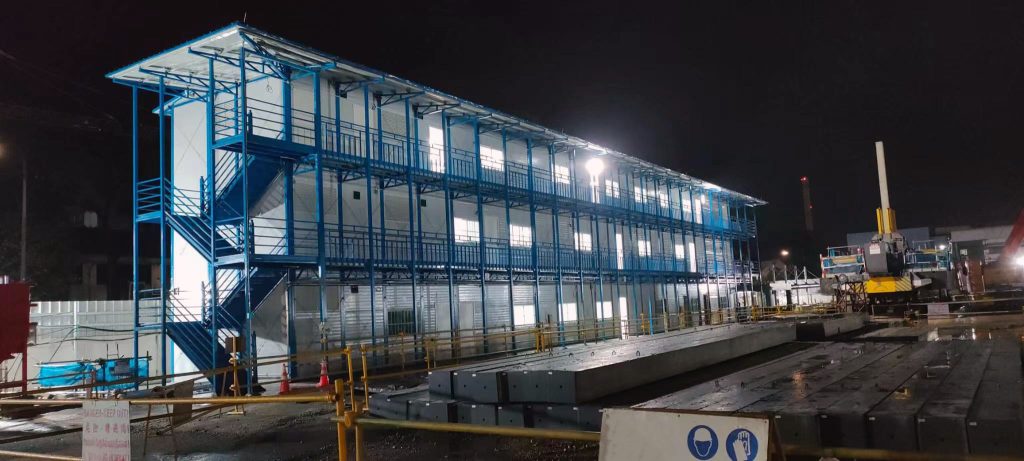
Key Advantages of T-Type Prefab Houses in Ukraine’s Recovery
Cost Savings:
Prefab homes cost less to build, lowering the total price of fixing damaged areas. Mass production slashes waste. Flat-packed modules fit on single trucks. You reduce transport costs and delays. Bulk orders accelerate community-wide recovery. Modular methods stretch budgets further.
Flexible Use:
Some prefab homes can be moved to new locations or changed into different uses as communities recover. Relocate units as needs shift. Convert shelters into schools or clinics. T-type prefab houses grow with your recovery phase. They are not temporary fixes. They are foundations for resilient communities.
Quality Housing:
Many prefab homes meet basic quality requirements, giving families safe and practical homes. These homes are durable long-term solutions. Unlike makeshift shipping containers, T-type units integrate modern technologies. Some use 3D printing for precision. Others include smart insulation for energy efficiency. They meet EU building codes. This ensures safety and dignity for displaced families.
Why This Matters:
Speed: Rehouse families before winter.
Savings: Redirect funds to infrastructure or healthcare.
Sustainability: Reduce carbon footprints with efficient manufacturing.
Cases
The war in Ukraine has created an urgent need for scalable housing solutions. International partnerships are accelerating T-type prefab house projects across the country. These efforts combine speed, dignity, and long-term planning. Below are four cases showing how global collaboration drives progress.
Case 1: Rebuilding Lives in Destroyed Communities
A pensioner lost both her home and workplace to missile strikes. Traditional rebuilding was impossible. International agencies provided a Ukrainian-made T-type prefab house. It was installed on her original property within weeks. The home includes a kitchen, bathroom, and heating systems. This lets her stay in her community during winter, even amid power outages. Such projects prioritize families with fully destroyed homes, ensuring they retain social ties.
Case 2: Rent-to-Own Models for Lasting Stability
A joint initiative by international organizations targets displaced Ukrainians. The project delivers modular homes designed as permanent housing. A “rent-to-own” system is being tested. Tenants pay gradually to own their T-type prefab houses. This helps those unable to secure mortgages due to war-related financial barriers. The model stabilizes communities by letting residents invest in their futures. It also creates jobs in construction and manufacturing.
Case 3: Rapid Government-Led Housing Expansion
In 2022, Ukraine’s government launched a modular housing program. Over 700 prefab houses were built nationwide. These units shelter displaced families in regions with destroyed infrastructure. The project accelerated industry standards for social housing compliance. Factories adopted 3D volumetric designs to meet demand. This ensured quality while scaling production rapidly.
Case 4: Global Tech Partnerships for Smarter Solutions
EU grants funds to factories in neighboring countries to produce T-type prefab houses. These units integrate innovations like 3D-printed walls and AI energy systems. International agencies donated dozens of modular homes to high-risk areas. Partnerships ensure designs align with local needs. For example, schools in Lviv use prefab classrooms built with disaster-resistant materials. Such collaborations let towns adopt advanced solutions faster.
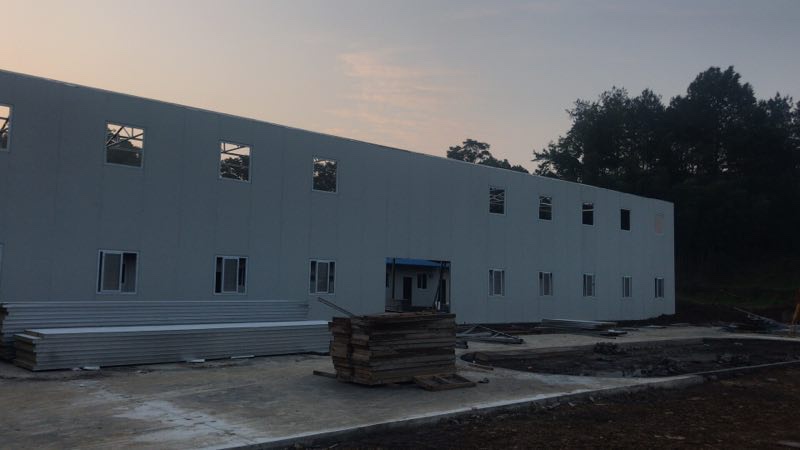
Various Layouts of T-Type Homes
The T-type prefab house adapts to diverse needs through flexible designs. You can choose layouts that balance compliance, efficiency, and livability.
Single-Storey Units
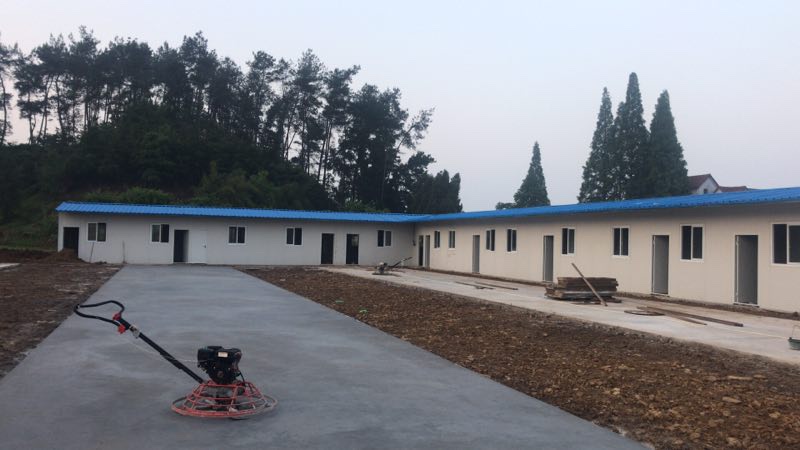
Single-storey T-type prefab house units emphasize accessibility and speed. These designs meet national building codes. Steel frames ensure structural integrity. Factories preassemble walls, roofs, and floors. On-site installation finishes within days. Standardized modules reduce material waste. You receive durable homes quickly.
Two-Storey Designs
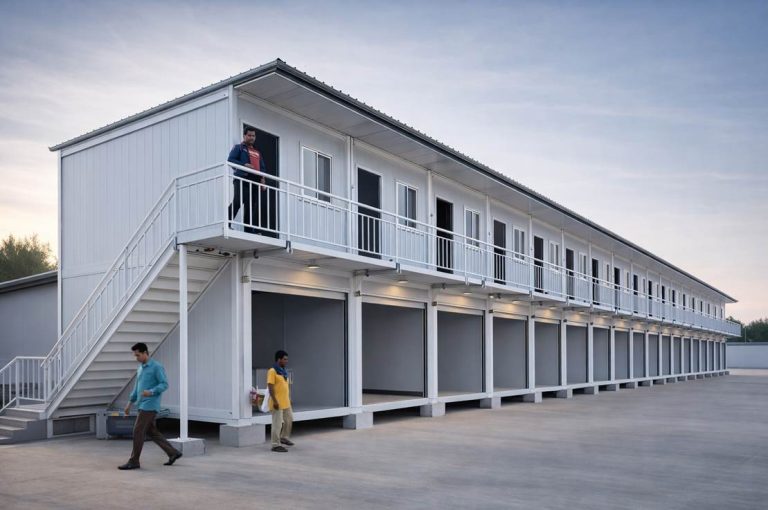
Two-storey T-type prefab house layouts optimize vertical space. Stacked modules create family-friendly configurations. Upper floors house bedrooms or offices. Ground floors integrate kitchens and communal zones. Pre-tested connections guarantee safety. These units suit urban or rural settings.
Both layouts share core strengths. Modular components lower costs. Customizable interiors let you adjust room dimensions. Governments deploy T-type prefab house models for large-scale projects. Communities rebuild faster with scalable solutions.
The T-type prefab house adapts to your goals. Single-storey units address urgent needs. Two-storey designs support expanding families. Each layout combines affordability, durability, and rapid deployment.
The Future of Ukraine’s Reconstruction: Scaling T-Type Prefab Solutions
Ukraine’s reconstruction demands scalable solutions. The T-type prefab house offers more than shelter. It rebuilds economies. Local factories create jobs while producing units. You witness communities regaining stability through modular innovation.
Ukraine’s future hinges on smart scaling. The T-type prefab house proves that speed and sustainability coexist. Every module laid is a step toward resilient recovery.
Similar Posts
What Is Modular Construction?
Modular construction is basically a method of making homes or any other type of structures. The…

Affordable Container Homes for Sale in China
In the evolving landscape of housing solutions, container homes for sale in Container Homes China have emerged as…

Easy Assemble House Designs Save Time and Labor Costs
As a leading wholesaler in the construction industry, Suzhou Zhongnan Steel Structure Co., Ltd. is dedicated…
Prefab vs Modular Homes: What’s the Difference
If you have been looking into modern housing, you definitely came across the words “prefab” and…
How Long Do Shipping Container Homes Last?
Introduction Shipping container homes are an increasingly popular housing option that has become one of the…
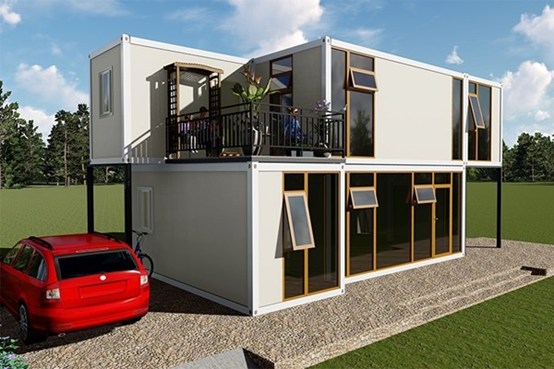
The Future of Sustainable Living: A Deep Dive into Modular Integrated House Solutions
Introduction of Modular Integrated House Solutions Modular construction has experienced a boom due to increased worldwide…


