



What Is a Container House? Types, Advantages, and How to Choose the Right One
Introduction
Over the past several years, the worldwide construction industry has been changed by advances in modular construction techniques. With traditional ways of building being challenged by things like a lack of available labour, higher material costs, and shorter construction timelines, a lot of developers and contractors have started looking to modular steel buildings as an alternative method of constructing buildings more quickly and efficiently. One of the innovations in this area is the container house, which has become one of the most viable and adaptable types of shelter today.
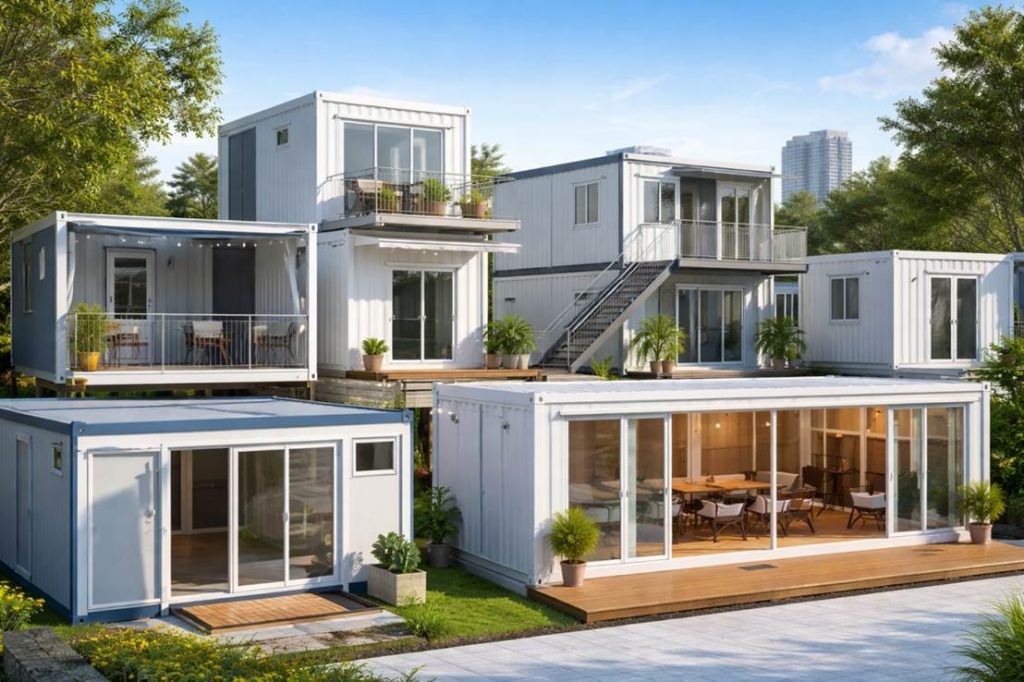
Fig. 1: Modern container house solutions by ZN House, including modular, flat pack, and expandable container homes
Container houses originally evolved from shipping container structures that were being used at the time, but have now become purpose-built steel structures for residential, commercial, or industrial construction. Around the world, container homes are being used as construction camps, workers’ dormitories, temporary offices, classrooms, tourism cabins, and emergency housing.
One of the leaders in promoting this technology has been ZN House. ZN House has created multiple structural systems to accommodate the changing project requirements of its customers. Modern container homes are designed to be used and/or deployed quickly with folding modifiable structures, as opposed to being a traditional modular structure designed to be used for years, making the modern container house a highly flexible option.
This article will take an in-depth look at what a container house is, the most common types of container houses, the structural advantages that container houses have, and information about how to choose the right container house for your project.
What Is a Container House?
A container house is a modular building system that is made up of a steel frame (structural) with insulated wall panels and prefabricated components. Unlike traditional buildings, which are constructed completely on-site, a container house is manufactured in a factory, then transported to the project site, allowing for rapid assembly when finished.
When talking about what a container house is, it is really helpful to have a basic understanding of the core structural philosophy, that is, modular prefabrication. Each container house unit is a standardised, prefabricated module, allowing them to be installed as a standalone unit or combined together to form larger structures.
There are four major structural components of a typical container house:
| Structural Component | Function |
| Steel Frame | Provides structural stability and load-bearing capacity |
| Roof Structure | Protects against the weather and supports insulation |
| Wall Panel System | Thermal insulation, fire resistance, soundproofing |
| Base Frame | Supports the floor and distributes structural loads |
Table 1: Core Structural Components of a Container House
Installation at the project site is substantially quicker than traditional construction because the majority of the manufacturing work is finished in the factory.
Key Features of a Container House
The key features of a container house are briefly demonstrated below:
Quick Installation
Installation of a typical container house is primarily done by putting together prefabricated components, i.e., most installations will occur within hours or several days, depending upon the size of the project.
Movable and Reusable
Numerous container structures are made to be repeatedly disassembled and moved without causing any harm to the main structural framework.
Cost Efficiency
The container house is an affordable building option because it requires less labor, takes less time to construct, and produces less material waste.
Flexible Design
Larger complexes like offices, schools, and dorms can be built by combining several modules either vertically or horizontally.
Sustainable Construction
The container house promotes environmentally conscious building since the majority of materials are reusable, and factory production lowers on-site waste.
Common Applications
The container house is now extensively utilized in numerous industries:
- Offices on construction sites
- Dorms for employees
- Camps for miners
- Temporary clinics and schools
- Eco-resorts and tourist cabins
- Mobile showrooms and retail stores
- Housing for emergency disaster relief
More businesses are investigating various kinds of container homes for their projects because of these adaptable uses.
Main Types of Container Houses
Presently, the most commonly used types of container houses are categorized into different structural types. Each structural type provides a different advantage to its use for transportation, time to build, and durability of the product used, as well as the amount of space within the house.
Detachable Container House
An assembly-type modular building system, a detachable container house is made using prefabricated building components, including roof frames, wall panels, corner columns, and base frames. After being manufactured as flat-pack goods, the parts are delivered to the site, then assembled and secured using high-strength bolts.
Features: The floor is engineered to be stable and have an extended life, generally exceeding 15-20 years. For example, the expected amount of weight carried by the flooring is usually rated 2.0 – 2.5 kN/m2; therefore, many commercial applications include heavy pedestrian traffic on the surfaces of flooring.
Applications: They have become a popular choice for temporary facilities, such as construction camps, worker dormitory facilities, and site offices. Their ability to provide a reliable structure makes them suitable for remote mining or oil/gas site locations.
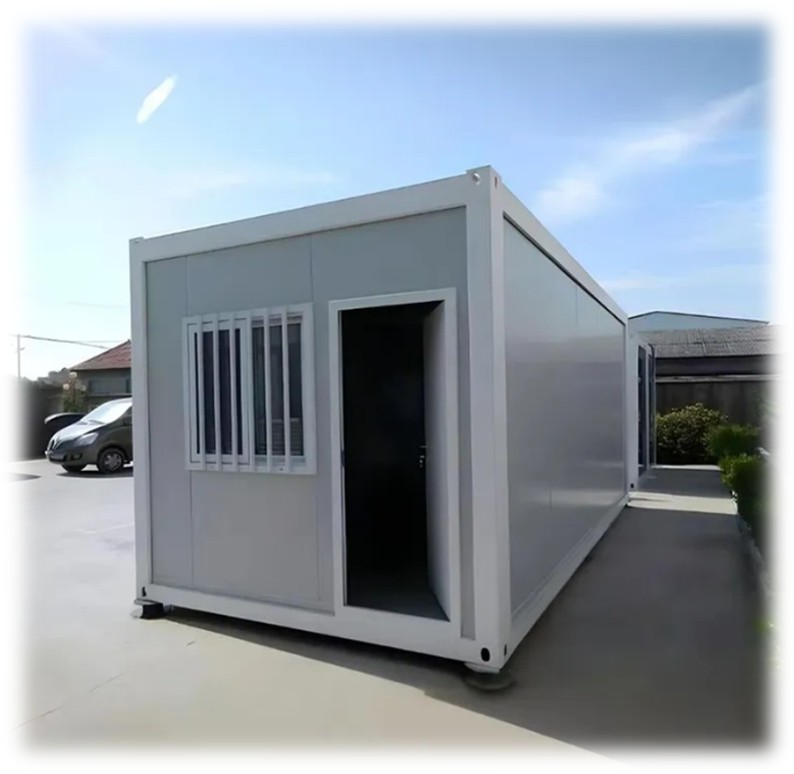
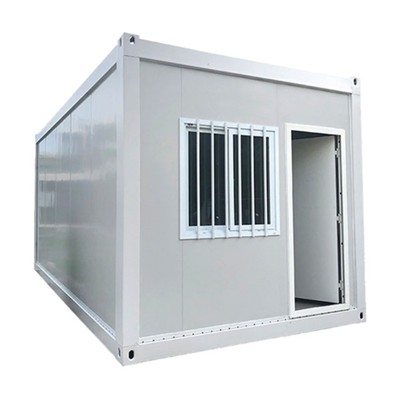
Flat Pack Container House
The flat pack container house is an assembled house built from various components (roof, floor, wall panels, and columns). These components are all packaged together in a single compact package, which allows for easy shipment and transportation of the entire assembly.
Features: Transporting units in this way saves transport space by allowing you to fit 6 to 10 units into a single 40HQ shipping container. A crew of 4 can also assemble one unit in 2-3 hours at the job site. Units are then fully stackable and can be combined to create large, multi-story structures.
Applications: Perfect for large project offices, temporary classrooms where a lot of units need to be quickly deployed, and staff housing in densely populated urban areas.
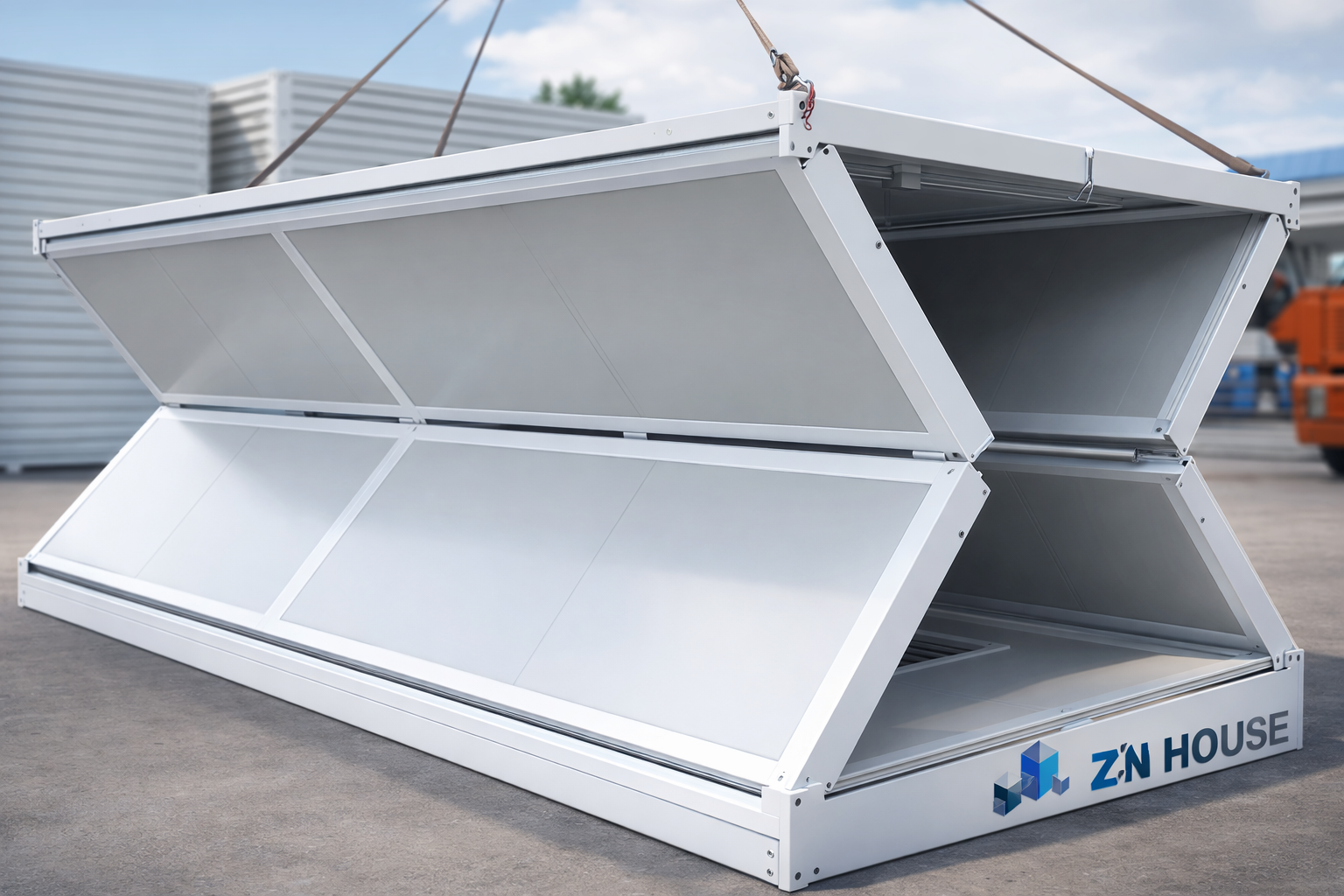
Folding Container House
The folding container house is the unmatched industry leader in situations where deployment speed is crucial, like emergency response or quick site mobilization.
Features: The 3n offers the fastest rate of installation in the modular industry. A modular unit can be expanded and secured in 4 to 10 minutes for installation after the crane is positioned. The 3n’s integrated floor frame also creates a low foundation requirement due to its inherent structural strength.
Applications: Extensively utilized for mobile security offices at events, emergency medical clinics, temporary shelters, and disaster relief housing.
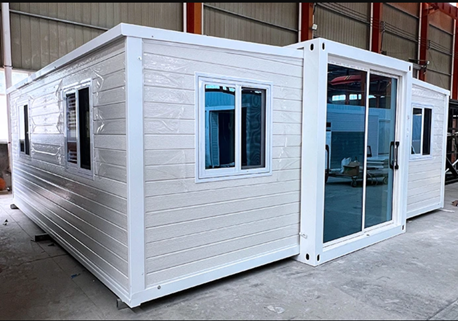
Expandable Container House
An expandable container house increases its interior volume by unfolding method by expanding the side walls. It offers a more traditional home-like interior layout with a complete collection of furniture delivered as well.
Features: This allows for more room within the unit and makes it feel more like a home. The units at ZN House are also pre-furnished with pre-installed plumbing, electrical, and some kitchen/bath fixtures, making them ready to be moved in immediately (“turnkey”).
Applications: Ideal for residential residences, opulent vacation cabins, upscale showrooms, and mobile retail stores where architectural finishes are required to soften the “container” appearance.
Container House Advantages
When compared to conventional building techniques, the container home has a number of significant advantages that contribute to its increasing popularity.
Fast Installation
Prefabrication of structural components typically occurs in a factory setting. Consequently, installation times are significantly reduced. Depending upon the structure type, a container house may take hours or days to install versus months.
Depending on how a container structure is built, it could take anywhere from hours to days for the installation as opposed to the several months required with traditional building methods. Modular construction methods have been shown to prove to be an overall 50% faster than conventionally constructed on-site (Source: MDPI).
Cost Efficiency
The container house is an affordable option for developers and contractors due to its lower labour requirements, decreased material waste, and shorter construction timelines.
Flexible Design
Combination and layout options allow modular units to create multiple types of environments – from offices and dormitories to schools and stores. This flexibility makes the container house ideal for all sizes of projects.
Eco-Friendly Construction
The use of factory-made materials in construction allows for less waste to be thrown away from the building site, and many of the containers used to create these factory-made products can be disassembled and reused. Compared to traditional methods of building, factory-made materials result in a much lower level of environmental degradation by disposing of less waste.
Factory-made materials are being increasingly used in building processes, resulting in less waste being disposed of from construction sites. Besides, numerous modular buildings can be taken down and their parts reused. Studies even reveal that modular building methods can lead to a 3050% reduction in construction waste as compared to traditional methods (Source: Tiazzoldi).
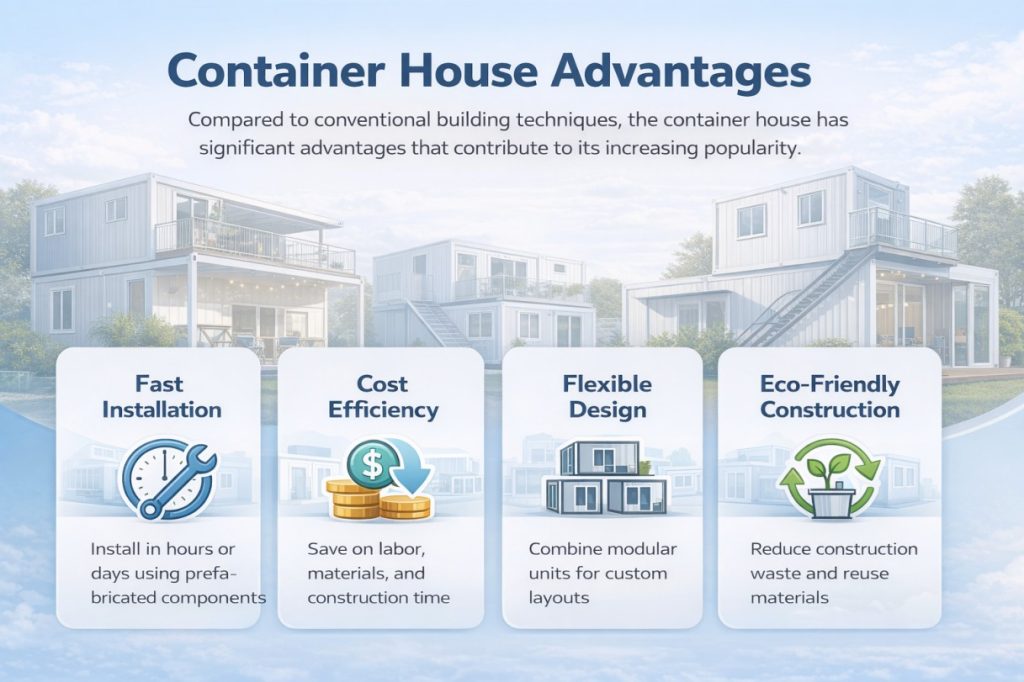
Fig. 2: Key Advantages of Container Houses
How to Choose the Right Container House
When you want to find the right model, consider how long your project will take, what type of climate you will be working in, and how much you want to spend. Below is the ZN House engineering guide to help you with making a decision:
Project Duration and Portability
Short-term (0-18 months): In situations that require frequent movement of a unit, the folding container house is optimal because it is built so that it can be taken apart and put back together easily (“plug-and-play”). The flat-pack container house is also an excellent choice for any type of project needing fast project completion.
Long-term (2-20 years): The detachable container house is the best option for facilities that are going to remain for many years in the same location; this is due to its bolted connections providing the most structural rigidity and the best long-term weatherproofing.
Climate Engineering and Insulation
The thermal envelope of a container house has a significant impact on its performance.
High-Temperature Regions: For interior cooling, we advise using 75mm to 100mm Rock Wool or PU panels.
Extreme Cold: To stop heat loss, high-density EPS or PU sandwich panels with broken-bridge aluminum windows are crucial.
High Wind Zones: The detachable container house is appropriate for coastal areas because it is designed to withstand wind loads of up to 120 km/h.
Read this post from our blog to know more about ‘How Rock Wool Insulation Impacts the Temperature of Container House’
Space and Layout Configuration
Vertical Expansion: Because flat pack or detachable container house models are designed for multi-level stacking, you must select them if your land area is limited.
Single-Unit Luxury: With separate bathrooms and kitchens, the expandable container house provides the most comfortable single-level floor plan for a primary residence or a high-end office.
Budget vs. Value
Budget Friendly: For basic shelter, the folding container house has the lowest price per unit.
Logistical Value: Due to shipping efficiency, the flat pack container house provides the lowest “landed cost” for large international orders.
Premium Investment: The expandable container house offers the best long-term user satisfaction and resale value, despite its initial higher cost.
The price of various kinds of container homes varies:
| Type | Cost Level | Key Advantage |
| Folding | Lower | Fast deployment |
| Flat Pack | Moderate | Transportation efficiency |
| Detachable | Moderate–High | Durability |
| Expandable | Higher | Larger living space |
Table 2: Cost Comparison of Different Types of Container Houses
Buyers can select the best option for their project requirements and budget by being aware of these variations.
To know more about the solutions provided by ZN House, please visit our ‘Solutions’ page here.
Conclusion
Container houses have become extremely specialized and important for the modern construction world. With a combination of fast build, flexibility of design, and application across multiple situations, these structures provide a level of versatility that a traditional building would struggle to provide. Whether you require an emergency clinic in a disaster zone or the construction of a luxury eco-resort, there is a modular container solution that will meet your requirements.
Understanding what a container house is and then selecting the appropriate type of container based on the length of the project, climate conditions, space requirements, and budget will provide the developers and contractors with the ability to improve the efficiency of the project and lower the overall cost of materials used during the construction process.
If you are looking for reliable container house solutions, ZN House can provide customized designs and professional support. Contact ZN House today to discuss your project and get expert advice.
Watch the following video on “When steel structures of ZN House meet the Qatar World Cup”:
Similar Posts
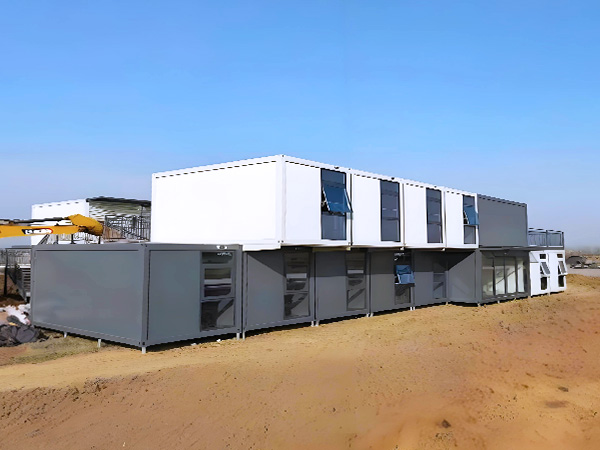
Why Western Sites Choose Flat Pack Containers – China’s Supply Chain Edge
In many Western construction sites, a neat row of flat pack container units stands ready. Each…
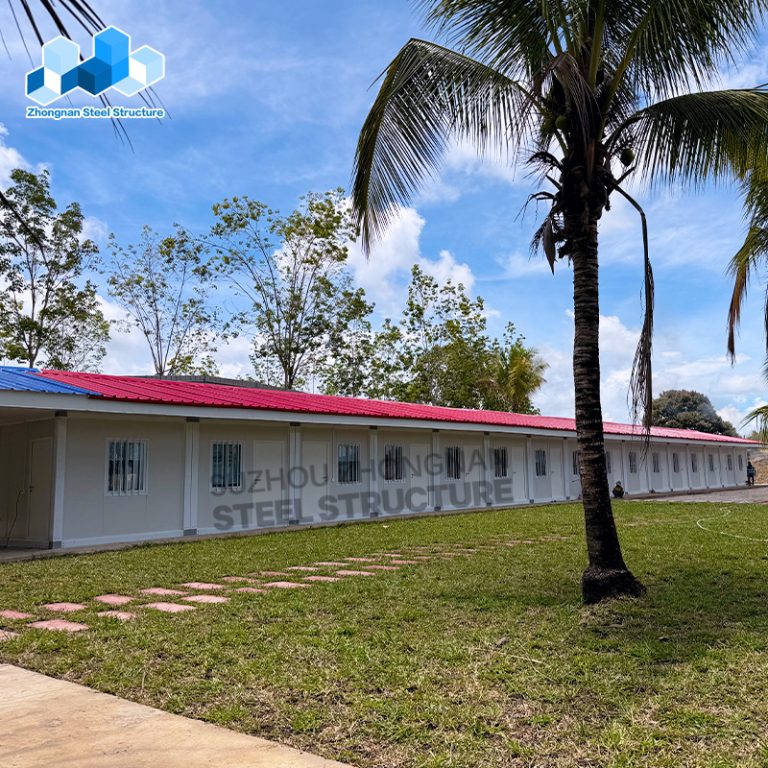
Why Choose a Container Dormitory in the Philippines?
A container dormitory is a modular housing solution made from shipping containers or prefabricated container units….
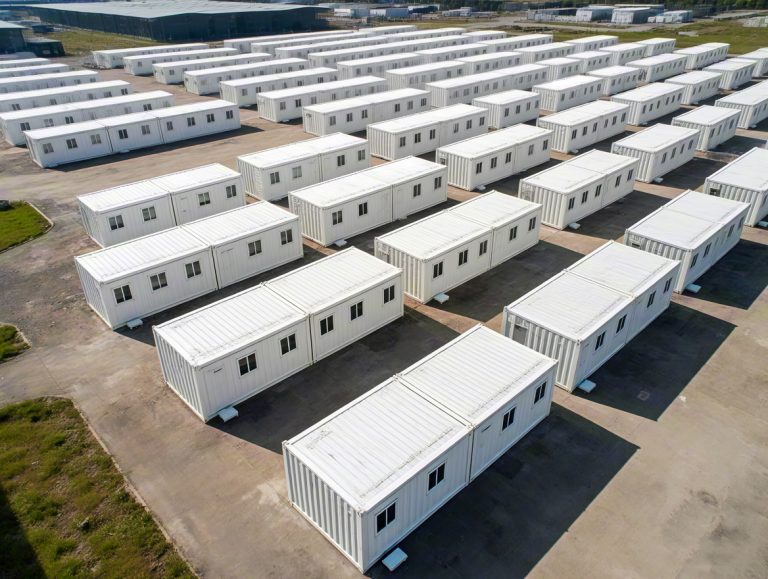
How Container Houses Provide Temporary Housing for Refugees in Disaster Zones
1. The Urgent Need for Temporary Housing in Disaster Zones Increasingly driven by the changing climate,…
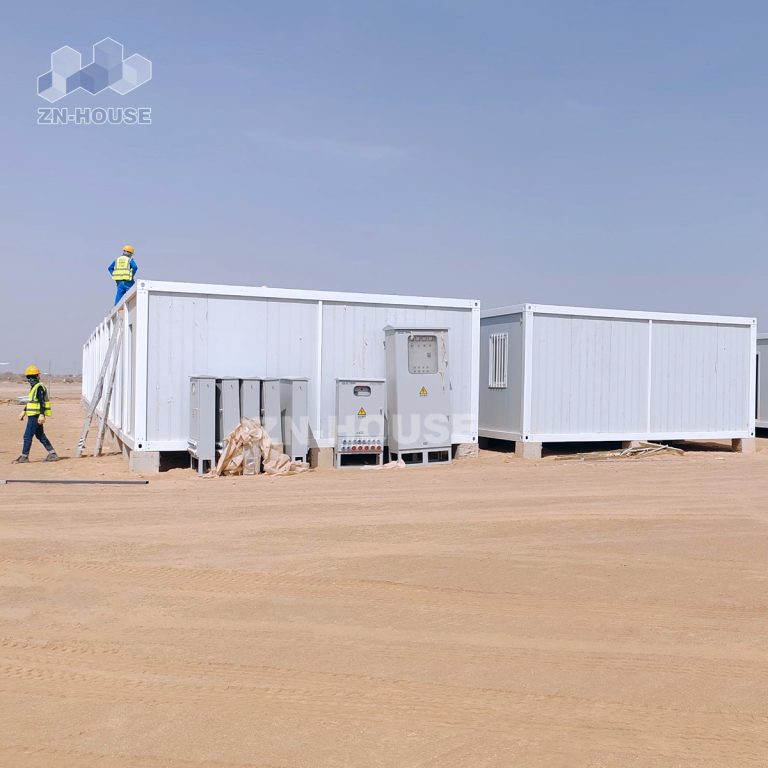
Chinese Container House Manufacturer -Choosing the Right Partner
1. Introduction: The Rise of Chinese Container House Container house is an innovative architectural solution that stands…
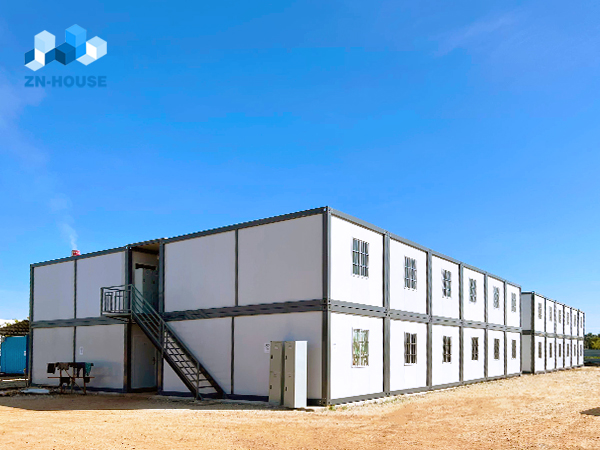
Insulating a Container Home: Complete Guide to Materials, Methods & Climate Challenges
Insulating Container Homes: Key Challenges You Can’t Ignore Insulating a container home requires addressing three critical…
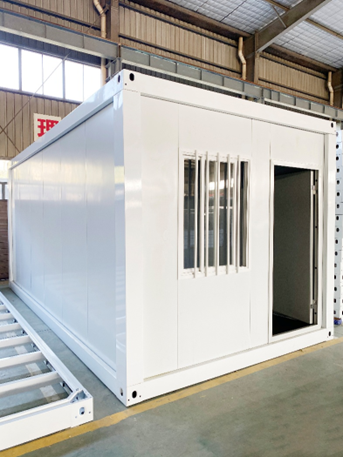
Regulatory Compliance and Permitting Protocols for Detachable Modular House in Urban Areas
Detachable modular houses, a major and eco-friendly method to address the problem of urban housing, have been…


