



What Is a Detachable Container House? Complete Guide for Buyers
Introduction
As construction companies, developers, and project contractors seek out faster, more adaptable, and cost-effective options for building, prefabricated and modular housing has become a fast-growing market. Many industries, including large-scale infrastructure projects and remote mining sites, require buildings that can be deployed more quickly and easily modified or moved to a different location if necessary.
With the increase in temporary relocation and urgent building needs, the detachable container house has become an outstanding modular solution. As opposed to fixed or immovable buildings, relocatable units combine the advantages of both sturdy, well-constructed buildings and portability. At ZN House, we design and produce these types of units specifically for the B2B market, so our customers never have to sacrifice quality or timelines.
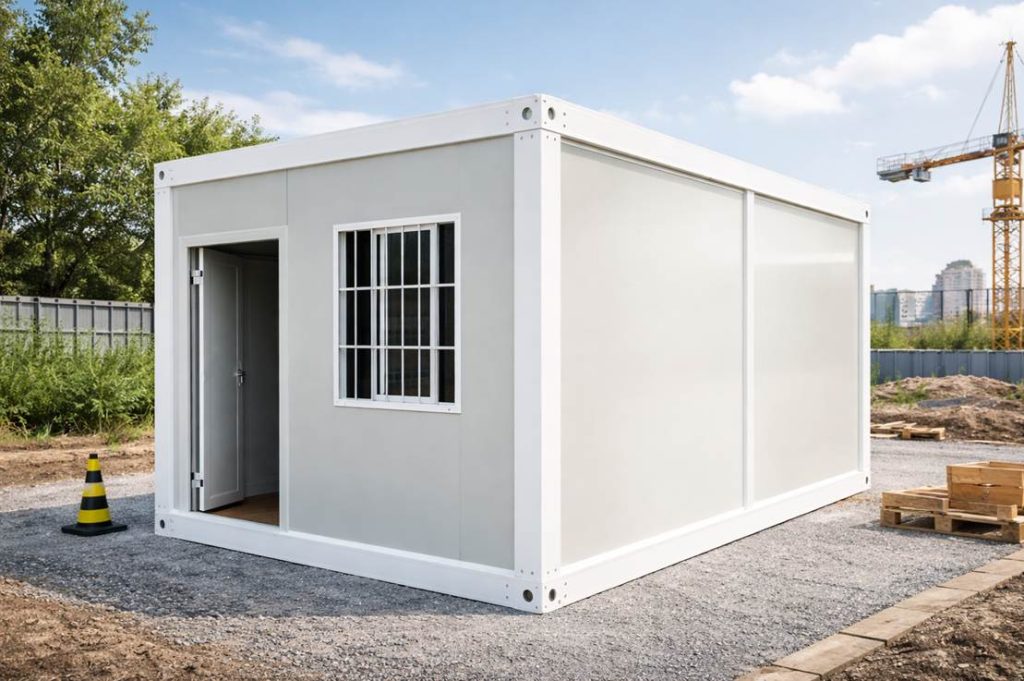
Fig. 1: Detachable container house modular steel structure used for construction site offices and temporary buildings
Temporary or semi-permanent facilities in construction, mining, oil & gas, infrastructure, and disaster relief are best served with portable container houses. Modern modular construction significantly improves the construction process and the project schedule by allowing for components to be manufactured off site while at the same time preparing the construction site for the actual assembly of these modular components. Research has indicated that modular construction will reduce construction time by approximately 50% and costs by as much as 20% when compared to traditional building methods (Source: MDPI).
This guide will cover everything you need to know about detached container homes, from structural benefits to how the materials we use, i.e., steel grade and type of insulation, set the standard for longevity and return on investment within the building industry, including detailed documentation on specifications.
What Is a Detachable Container House?
A detachable container house is a type of modular building that is made using a prefabricated metal-framed system and with wall panels that are also prefabricated. Detachable units are different in that they are built in many separate pieces (roof frame, floor frame, corner columns, and wall panels) in a factory, as opposed to a regular shipping container, which is a solid piece of metal.
These components will be transported (disassembled) as “flat-pack” units and will be put together once they’ve reached their construction site. All that will be required to assemble the structure will be high-strength bolts; no welding will be done so that the protective coating will remain intact, and since everything can be disassembled and moved very easily, one can reassemble it at another location without any structural loss.
Basic Concept
The following structural elements are commonly found in a detachable container house:
| Component | Description | Function |
| Steel Frame | Galvanized steel columns and beams | Provides structural stability |
| Wall Panels | Insulated sandwich panels | Thermal insulation and enclosure |
| Roof Panels | Insulated roofing system | Weather protection |
| Floor System | Steel base frame with flooring | Load support and durability |
| Doors & Windows | Prefabricated units | Ventilation and access |
Table 1: Core Structural Components of a Detachable Container House
Because every component is made in accordance with industrial manufacturing standards, dimensional accuracy and consistent quality are guaranteed.
Key Characteristics
A conventional prefabricated container dwelling includes various key features such as:
- Components that have been manufactured within a factory;
- Transportation in flat packs;
- Structural assembly through the use of bolts;
- Quick installation at the place of deployment;
- Can be reused and moved again after deploying.
After being installed, units can be used as separate units, like, for example, residences, offices, dormitories, and business locations.
How it Differs from Traditional Containers
Traditional shipping containers are built to hold cargo shipped across oceans before being converted into homes. Conversely, detachable container homes are designed specifically for people to live in. They have improved thermal performance, can have flexible dimensions, and save on logistics costs as many can be shipped within the footprint of a single standard container.
History and Development of Detachable Container Houses
The detachable container house was designed in response to the need for “temporary works” in extreme environments. Traditionally, the office facilities on construction sites and the worker camps often used “K-type” prefabricated houses, or modified shipping type (sea) containers. K-type houses had no long-term capability, and shipping containers were very expensive to transport and, therefore, used infrequently.
The evolution of the detachable model was driven by three main factors:
Transportation Logistics: The requirement for increased square feet of space in one shipping container to reduce shipping costs.
Labor Efficiency: The shift towards “bolt-on” assembly to eliminate the need for skilled welders at contracting sites.
Sustainability: The need for reusable structures after completion of projects, rather than disposing of them after use.
Currently, this technology has progressed from basic mining camp huts to advanced multi-story office buildings and retail centres.
Main Types of Detachable Container Houses
Depending on the needs of the project, detachable container buildings can be set up in a variety of structural configurations.
Single Module Units
The most common use of individual 20′ and 40′ containers. Common applications include:
- Security guard Booths
- Small field Offices
- Retail Kiosk
- Ticket Booths
Multi-Module Combination Houses
Using custom sealing kits, multiple detachable units can attach to each other either side-by-side or end-to-end, thus creating large, open-plan areas by eliminating side walls. This is the definition of:
- Temporary Worker Dormitories
- Modular Classrooms
- Large-Scale Temporary Office Space
Multi-Module Combination Houses
Using specialized sealing kits and the removal of the side walls allows units to be joined together (side by side or end to end), creating large, open floor plan spaces. This is the standard for:
- Employee Dormitories
- Modular Classrooms
- Large Temporary Office Space.
Multi-Story Container Buildings
The vertical design of ZN House frame structures allows for stacking multiple units to a maximum of three stories. They are an ideal construction option for:
- Hotels built from shipping containers
- Executive office buildings
- Labor accommodation in high-density areas
Key Structural Features: Why ZN House Materials Matter
The structural layout and material requirements of a detachable container house significantly affect its functionality and longevity.
Bolt-Connected Galvanized Steel Frame
ZN House uses Q235B galvanized steel rather than black steel with paint applied after manufacturing, as a lot of their competitors do.
Q235B Galvanized steel, produced by both hot and cold galvanizing, forms the main beams of the detachable container houses. The zinc provides an excellent barrier to oxidation, even in coastal and humid (high moisture) environments. The use of bolts allows us to keep the protective zinc coating intact; therefore, our main beams will last over 15 years.
Insulated Sandwich Panel Walls
The “skin” of the house is what makes it energy efficient. ZN House has three main types of sandwich panels to choose from:
- Rock Wool (Standard): Non-combustible (Class A fire rating) with high density for superior soundproofing.
- EPS (Economic): Lightweight and moisture-resistant.
- PU (Premium): The highest thermal resistance (R-value) for extreme cold or heat.
| Feature | ZN House Standard | Industry Average |
| Frame Thickness | 2.5mm – 3.0mm | 1.8mm – 2.2mm |
| Steel Finish | Hot-dip Galvanized + Powder Coating | Spray Paint |
| Wall Insulation | 50mm – 75mm Rock Wool | 50mm EPS |
| Floor Load | 2.0 – 2.5 kN/m² | 1.5 kN/m² |
Table 2: ZN House Engineering Specifications vs. Industry Standards
Pre-Installed Electrical and Plumbing Systems
Typically, a significant part of the systems, including:
- Lighting fixtures
- Electrical wiring
- Power outlets
- Switches
- Basic plumbing lines
These are already installed in many detachable container homes when delivered, which enormously lowers the necessity of performing the installation work at the construction site, which, in turn, speeds up the operational time of the projects.
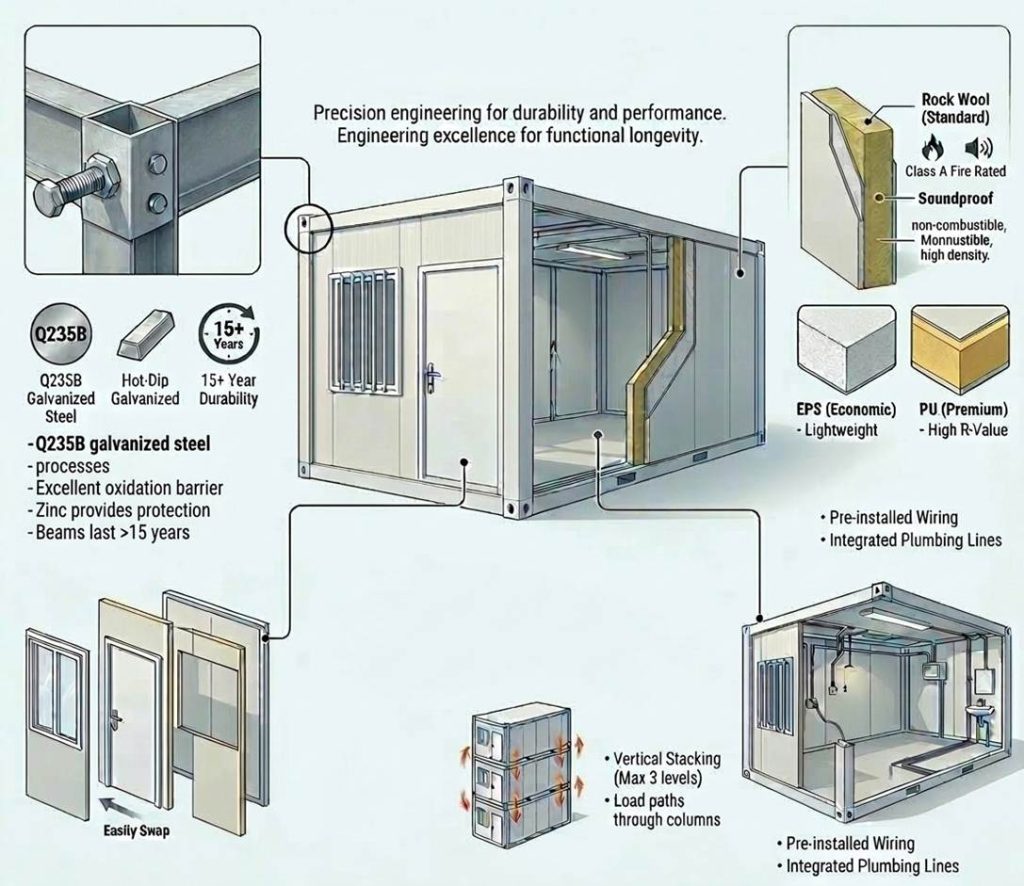
Fig. 2: Modular Engineering: Detachable Container Components Explained
Replaceable Modular Components
Another great thing about modular construction is easily swapping parts. The replaceable items are, for example:
- Doors
- Windows
- Wall panels
- Roof panels.
When your house gets old, and you want to redo the look, some parts can simply be replaced without dismantling the whole structure.
Stackable Structural Design
Detachable container houses are designed so that the units can be stacked one on top of another, typically up to two or three levels.
Load-bearing steel frames channel the structural loads through:
- Corner columns
- Reinforced beams
- Base support structures
This enables the structuring of even greater modular complex buildings without losing the required stability of the structure.
Advantages of Detachable Container Houses
When compared to conventional structures and repurposed shipping containers, detachable container homes have a number of benefits.
High Packing Efficiency
Shipping efficiency is greatly increased by the flat-pack design.
| Transport Method | Units per 40HQ Container |
| Traditional container house | 1 unit |
| Detachable container house | 6–10 units |
Increased packing density lowers the cost of logistics and international shipping.
Easy Transportation and Redeployment
Units can be disassembled because the structure can be:
- Disassembled after project completion
- Transported to another site
- Reassembled for new use
Detachable systems are therefore perfect for short-term or mobile construction projects.
Fast Installation
Installing a typical unit can be done with:
- A small installation team
- Basic tools
- Standardized assembly steps
The timelines associated with manufacturing and preparing a site through either traditional or modular building techniques can be significantly decreased due to the fact that the entire construction process is prefabricated in a factory. Through this approach, it has become possible to manufacture and assemble buildings using modular construction methods from a factory environment, which can greatly reduce project timelines as compared to traditional construction methods (Source: WriteUpCafe).
Flexible Expansion
Modular systems make it simple for buildings to grow by:
- Adding more modules
- Connecting units horizontally
- Stacking vertically
This adaptability is especially helpful for expanding construction projects or changing operational requirements.
Durable and Low Maintenance
Excellent quality galvanized steel frames and panels that resist weather changes are the main factors contributing to the durability of these kinds of houses. If well maintained, several detachable container houses may last for a service period of more than 15 years.
Common Applications of Detachable Container Houses
Detachable container houses are widely used in many industries because of their adaptability and quick installation.
Construction Site Offices
For engineers, project managers, and administrative personnel, temporary office space is frequently needed for construction projects. When projects relocate to new locations, modular container offices can be swiftly installed and moved.
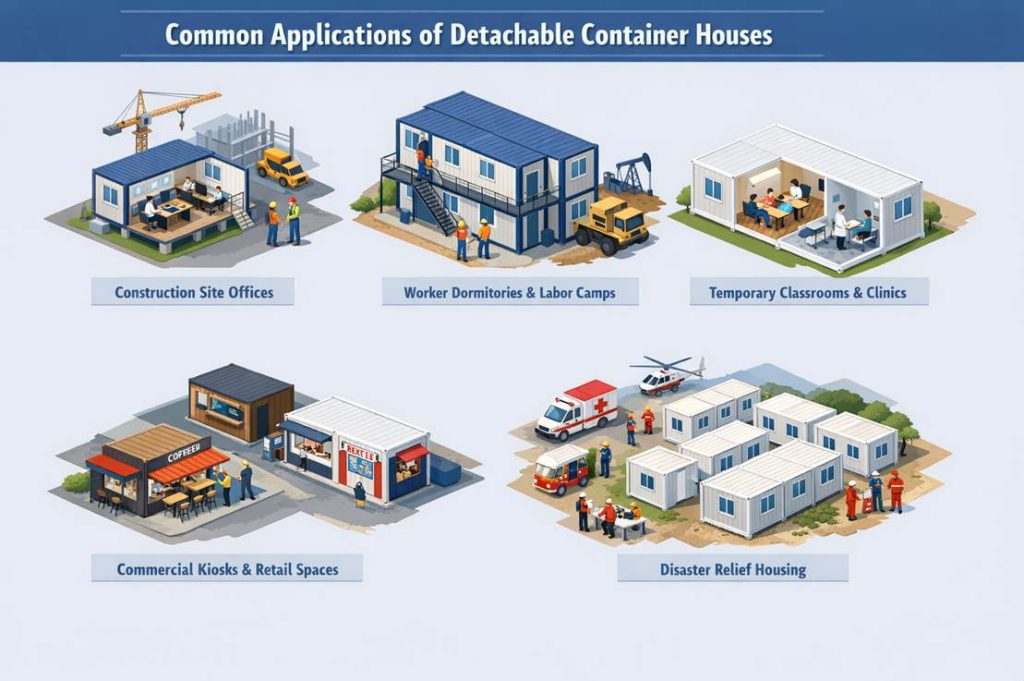
Fig. 3: Common Applications of Detachable Container Houses
Worker Dormitories and Labor Camps
Facilities for worker accommodations are necessary for large-scale infrastructure projects.
These are commonly used in:
- Mining projects
- Oilfield camps
- Railway construction
- Infrastructure development
Temporary Classrooms and Clinics
Modular buildings are frequently used by governments and NGOs for:
- Temporary school facilities
- Medical clinics
- Community centers
In isolated or developing areas, their quick installation is especially beneficial.
Commercial Kiosks and Retail Spaces
Small modular units can function as:
- Coffee shops
- Retail kiosks
- Ticket booths
- Tourism service centers
The small size and portability of container buildings are advantageous for these areas.
Disaster Relief Housing
In emergency response scenarios, detachable container houses are often used.
They can serve as:
- Temporary shelters
- Medical stations
- Emergency command centers
After natural disasters, quick deployment can offer vital housing solutions.
Factors That Affect Detachable Container House Price
A detachable container house’s price is determined by a number of technical and project-specific variables.
Key Pricing Variables
| Factor | Impact on Cost |
| Steel frame thickness | Higher thickness increases structural strength and cost |
| Sandwich panel type | Rock wool and PU panels cost more than EPS |
| Building size and layout | Larger units require more materials |
| Customization options | Interior finishing and special layouts affect price |
| Transportation distance | Shipping and logistics costs vary by location |
Table 3: Key Factors Affecting the Price of a Detachable Container House
Project-based quotations are typically used to determine final pricing because project requirements vary greatly.
How to Choose a Reliable Detachable Container House Manufacturer
Choosing a suitable supplier is very important in securing structural quality and durability.
Purchasers may make a decision on the manufacturers with the help of a number of factors.
Manufacturing Experience
Select businesses that have a track record of completing international projects and building modular containers.
Verified Project Cases
Review completed projects to evaluate:
- Building quality
- Installation performance
- Application diversity
Steel Structure Quality
- Confirm details such as:
- Galvanized steel grade
- Frame thickness
- Structural load capacity
These elements have a direct impact on the building’s longevity and security.
Customization Capability
A reliable manufacturer should provide:
- Flexible layouts
- Interior customization
- Application-specific design solutions
Global Logistics and Installation Support
International purchasers should confirm that the vendor provides:
- Export packaging
- Shipping support
- Technical installation guidance
To know more about Detachable Container House, please visit our product page here.
Conclusion
A detachable container house is a modern modular building solution meant for quick construction, flexible deployment, and cost efficiency. Using factory-manufactured steel structures and bolt-connected components, these buildings are very easy to transport, assemble, disassemble, and reuse over many projects.
In contrast to traditional construction methods, detachable container houses are quite advantageous in terms of the speed of installation, the efficiency of logistics, and scalability. Thanks to their adaptable design, they can be used in almost all industries such as construction, mining, infrastructure development, commercial retail, education, and disaster relief.
It is a must for the developers of the project and the contractors that when they are on the lookout for a dependable modular building systems supplier, they should pick one manufacturer who is reliable. These factors: the quality of structure, the source of materials, and knowledge of manufacturing, are indeed very important in ensuring performance for the long-term.
Looking for a reliable modular housing partner? Contact ZN House today for a technical consultation and a customized quote for your next project.
Watch the following video on ZN House’s Container house with Glass Curtain Wall:
Similar Posts
How to Buy a Shipping Container for Your Shipping Container Home
Shipping container homes have surged in popularity as a sustainable, cost-effective, and innovative housing solution. Whether…
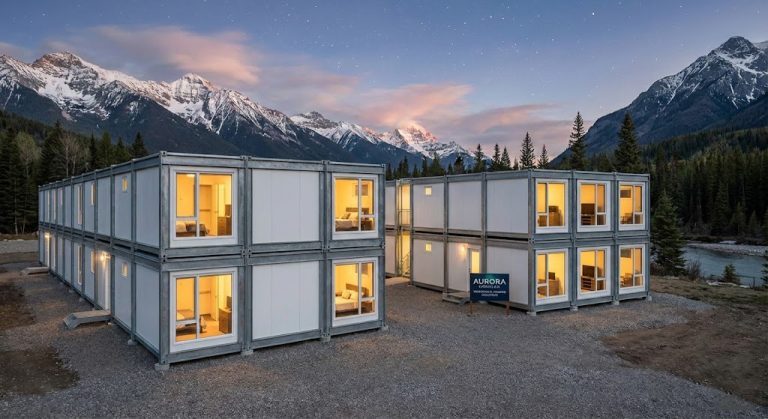
Strategic Modular Workforce Housing Solutions: Efficiency and Comfort for Remote Sites
Managing remote operations in industries such as mining, oil, or construction demands much more than a…
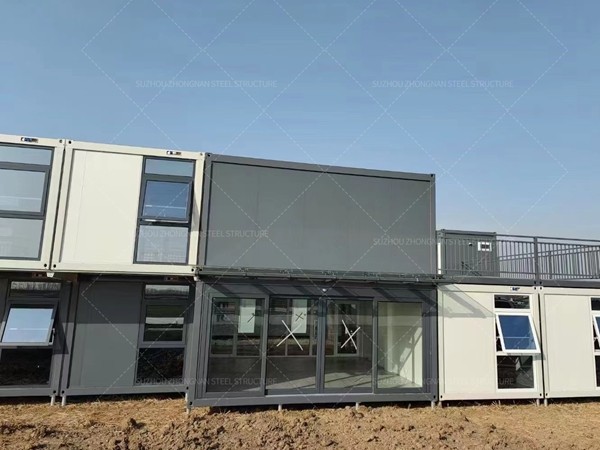
Insulated Modular Container Houses For Sale Cold Climates
In the harsh landscapes of cold climates, where freezing temperatures, heavy snowfall, and biting winds dominate…
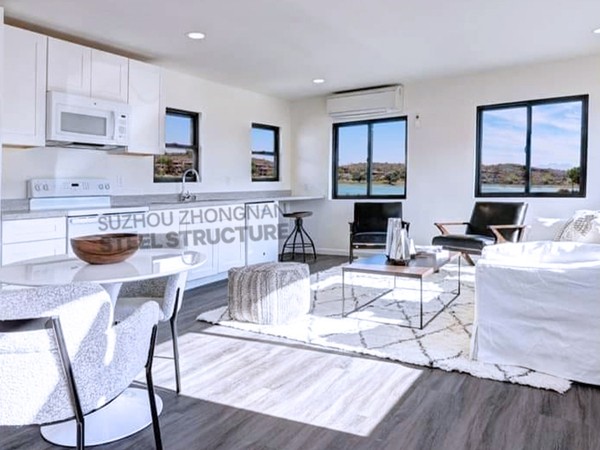
Why Choose Container House Resort?
In recent years, in the tourism industry, a novel accommodation option – container house resorts, is…

Innovative Design Possibilities Using Assemble House Tech
The global demand for efficient, adaptable, and high-quality construction solutions has never been greater. Traditional building…
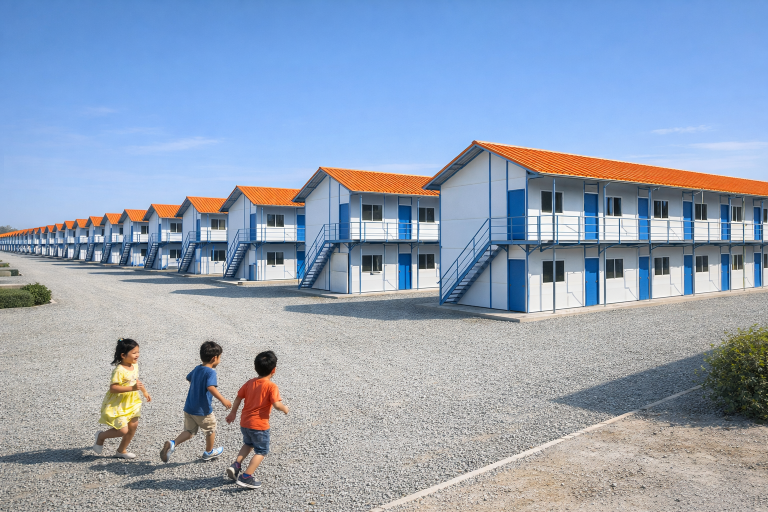
Prefabricated Resettlement Homes: A Reliable Solution for Government Housing Projects
Government housing programs are often caught in a dilemma of speed, cost, and quality. After natural…


