



Foldable Container House Lightweight Transport Advantages
Foldable Container House Lightweight Transport Advantages have revolutionized the mobility and cost-efficiency of modular housing, addressing key pain points for developers, aid organizations, and temporary housing users worldwide. As a pioneer in innovative modular solutions, Hebei Bojing Technology Co., Ltd. has engineered foldable container house designs that prioritize lightweight construction (starting at 1.8 tons for a 20ft unit) and compact transport, while maintaining structural integrity and durability. The company’s expertise extends to folding container house and fold out container homes, with all products meeting ISO 1496-1 standards for strength and safety. By leveraging lightweight materials (high-strength aluminum alloys, reinforced composite panels) and intelligent folding mechanisms, Hebei Bojing’s foldable container house solutions reduce transport costs by 50% and shipping volume by 70% compared to traditional container homes—making them ideal for emergency relief, construction site housing, and temporary events.
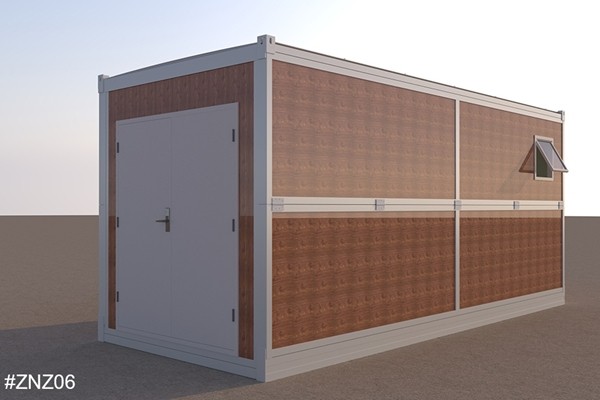
Space Efficiency in Foldable container house
- Compact Folding for High Shipping Volume: Hebei Bojing’s foldable container house features a 5:1 folding ratio—meaning 5 folded 20ft units fit into the space of 1 standard unfolded container. This compactness allows 25 foldable container house units to be shipped in a single 40ft shipping container (vs. 5 traditional units), slashing shipping volume by 70%. A 2024 relief project in Turkey saw 100 foldable container house units delivered in just 4 shipping containers, reaching disaster zones 3 days faster than traditional housing.
- Lightweight Materials for Reduced Load: The foldable container house uses high-strength aluminum alloy frames (30% lighter than steel) and reinforced composite wall panels (15kg/m² vs. 25kg/m² for steel panels), resulting in a total weight of 1.8-2.2 tons per unit. This lightweight design reduces fuel consumption during transport—trucks carrying 10 foldable container house units use 25% less diesel than those carrying 10 traditional steel container homes, lowering carbon emissions and transport costs.
- Easy Loading/Unloading: The lightweight nature of foldable container house units (≤2.2 tons) eliminates the need for heavy-duty cranes at loading docks. Hebei Bojing’s units can be lifted with standard forklifts (5-ton capacity), reducing on-site equipment costs and speeding up unloading by 40%. This was critical for a remote construction project in Mongolia, where crane access was limited—foldable container house units were unloaded and deployed in just 2 hours per unit.
Transport Cost Savings in Folding container house
- Reduced Shipping Fees: Hebei Bojing’s folding container house cuts shipping costs by 50% due to its high folding ratio. For example, shipping 100 folding container house units to Southeast Asia costs 20,000 (4 containers) vs. 40,000 (20 containers) for traditional homes. This cost savings has made folding container house solutions popular among aid organizations, which often operate on tight budgets—Save the Children reported 30% lower housing procurement costs after switching to Hebei Bojing’s folding container house.
- Lower Land Transport Expenses: The lightweight design of folding container house units reduces road transport costs by 35%. A truck can carry 12 folding container house units (total weight 26.4 tons) in one trip, compared to 6 traditional units (total weight 36 tons). For a 500km transport route, this translates to $120 savings per trip—significant for large-scale projects with hundreds of units, such as a 200-unit construction camp in Saudi Arabia.
- Minimal Storage Costs: Folded folding container house units require 80% less storage space than unfolded traditional homes. Hebei Bojing’s clients in the event industry report storing 50 folding container house units in a 200 sq. ft. warehouse (vs. 10 traditional units), cutting monthly storage fees by $800. This is especially valuable for seasonal users, who only deploy folding container house units for events like music festivals or exhibitions.
Rapid Deployment in Fold out container homes
- Quick Unfolding Mechanism: Hebei Bojing’s fold out container homes feature a hydraulic or manual folding mechanism that allows one unit to be unfolded and ready for use in 15-30 minutes (vs. 2-3 hours for traditional container homes). The mechanism requires no specialized tools—2 workers can complete the process, reducing labor costs and deployment time. A 50-unit fold out container homes camp for oil field workers in Kazakhstan was fully operational in just 2 days, vs. 1 week for traditional housing.
- Integrated Components for Fast Setup: Fold out container homes come with pre-installed components (electrical wiring, plumbing connections, flooring) that remain protected during transport. When unfolded, these components are immediately usable—no on-site assembly of internal fixtures is needed. A client in Kenya reported that fold out container homes were ready for occupancy 48 hours after delivery, compared to 5 days for traditional homes that required fixture installation.
- Adaptable to Remote Locations: The lightweight and compact design of fold out container homes makes them accessible to remote areas with poor infrastructure (narrow roads, weak bridges). Hebei Bojing’s units can be transported via small trucks or even boats to islands or mountainous regions—something traditional heavy container homes cannot achieve. A 2023 project in the Philippines delivered 30 fold out container homes to a remote island via fishing boats, providing shelter to families displaced by typhoons.
Foldable Container House FAQS
What is the folding ratio of Hebei Bojing’s foldable container house, and how does it save space?
Hebei Bojing’s foldable container house has a 5:1 folding ratio—5 folded 20ft units fit into the space of 1 standard unfolded container. This means 25 foldable container house units can be shipped in one 40ft container (vs. 5 traditional units), reducing shipping volume by 70%. For example, 100 foldable container house units only require 4 shipping containers, cutting transport time and costs significantly—critical for emergency relief projects where speed matters.
Are folding container house units from Hebei Bojing strong enough for long-term use?
Yes, Hebei Bojing’s folding container house units are designed for both temporary and long-term use (5-10 years) and meet ISO 1496-1 standards for strength. They use high-strength aluminum alloy frames (yield strength ≥280 MPa) and reinforced composite panels that withstand wind speeds up to 120 km/h and snow loads up to 0.5 kN/m². A folding container house community in northern China has been in continuous use for 7 years, with no structural issues—proving durability matches traditional container homes.
How much does transporting fold out container homes cost compared to traditional container homes?
Transporting fold out container homes costs 50% less than traditional container homes. For example, shipping 100 fold out container homes to Africa costs ~20,000 (4 containers) vs. 40,000 (20 containers) for traditional units. Road transport is also 35% cheaper—trucks carry more fold out container homes per trip due to their lightweight design (1.8-2.2 tons vs. 3-4 tons for traditional units). Over a 1000-unit project, this saves $200,000+ in transport costs.
Can foldable container house units be transported without heavy equipment?
Yes, Hebei Bojing’s foldable container house units (≤2.2 tons) can be transported and unloaded with standard 5-ton forklifts—no heavy-duty cranes are needed. The units also have built-in lifting points that align with forklift tines, making loading/unloading safe and fast. This was a key advantage for a remote school project in Nepal, where cranes were unavailable—foldable container house units were unloaded and unfolded using only forklifts, cutting on-site equipment costs by 60%.
What is the setup time for Hebei Bojing’s fold out container homes, and how many people are needed?
Hebei Bojing’s fold out container homes take 15-30 minutes to unfold and set up, with only 2 workers required. The units have a simple hydraulic or manual folding mechanism (no specialized tools needed) and pre-installed internal components (wiring, plumbing). For example, a 10-unit fold out container homes camp can be fully set up in 5 hours—vs. 2 days for traditional container homes that require crane lifting and fixture assembly. This rapid deployment is ideal for emergency relief or events where fast occupancy is critical.
Similar Posts
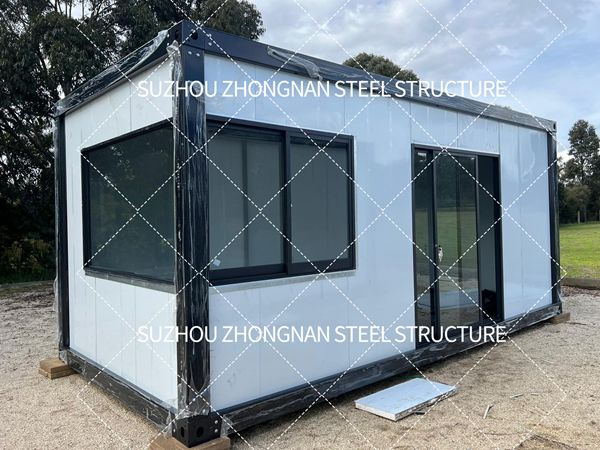
Affordable Prefab Homes for Sale
The dream of homeownership is becoming increasingly attainable thanks to prefab homes for sale. These innovative housing…
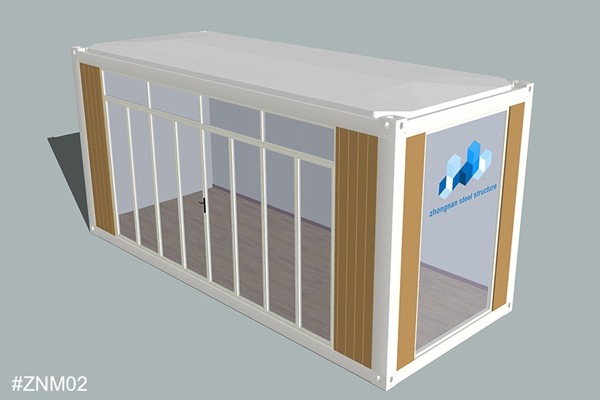
Easy Assemble House: Quick and Convenient Living Solutions
Easy Assemble House: Fast and Efficient Construction Looking for a hassle-free way to build your dream…
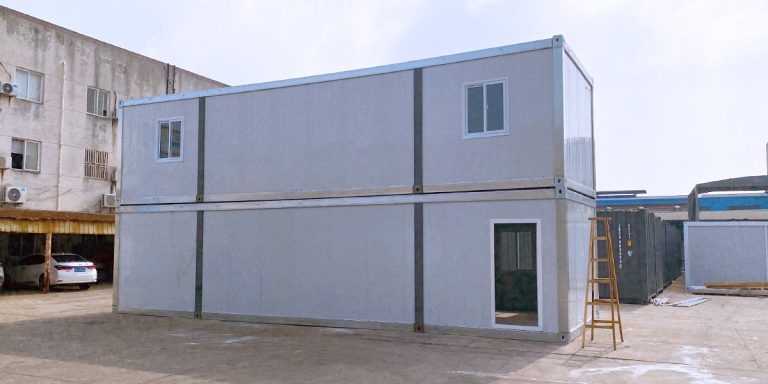
Spacious Interiors in Flat Pack Houses for Sale
In the world of modern housing, flat pack houses for sale have gained immense popularity, and one…
Prefab House for Sale Fast Assembly
Prefab house for sale has become a cornerstone of efficient housing solutions, catering to sectors ranging from…
Affordable and Flexible Housing Solutions
In today’s world, affordable and efficient housing solutions are more in demand than ever. From prefab…
Modular Shipping Container Homes for Sale Eco Features
In an era where environmental consciousness is at the forefront of consumer choices, modular shipping container homes…


