



Prefab vs Modular Container Homes: Which Is Best for You?
Introduction – Why Container Homes Are Trending
Container houses have rapidly gained popularity as a modern housing and commercial construction solution over the last 10 years due to a number of factors, including rising cost of housing, increased urbanization, and environmental concerns, prompting both individuals and businesses to research alternative building methods. Container houses are generally known as prefab and modular container homes.
Container houses utilize a prefabricated steel frame manufactured in an industrial environment; this enables rapid construction, reduces the amount of material waste generated during construction, and allows for the quality of the finished product to be produced consistently. In addition, container homes can easily be transported and installed in remote locations that would not be achievable with conventional building methods.
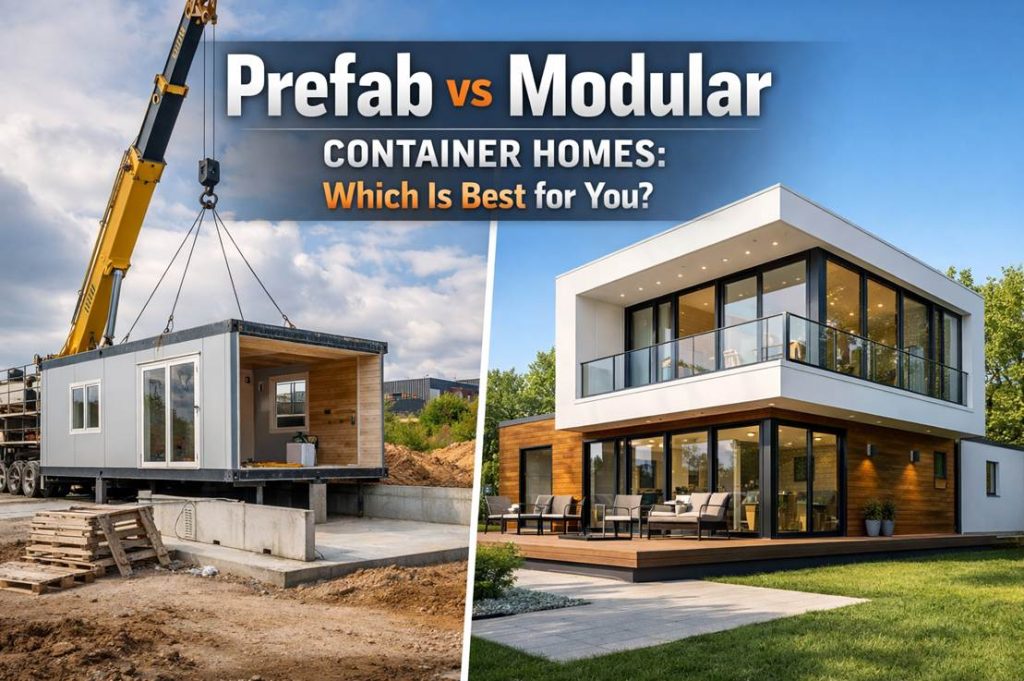
Fig. 1: Prefab vs Modular Container Homes: Structural Design and Construction Comparison
Builders, contractors, and owners need to understand the difference between prefab container homes and modular container homes. They are both classified as container homes; however, there are some important differences in terms of structure, scale, and longevity of the homes. The purpose of this article is to define these distinctions so that you can make an informed decision on which type of container home best meets your needs.
What Is a Prefab Container Home?
A prefab container homes is a home design that starts building in a factory and ends with finished products at an installation site. Manufacturers use prefabrication methods to create pre-configured structural elements like steel frames, walls/roof panelling, entry doors, and window systems.
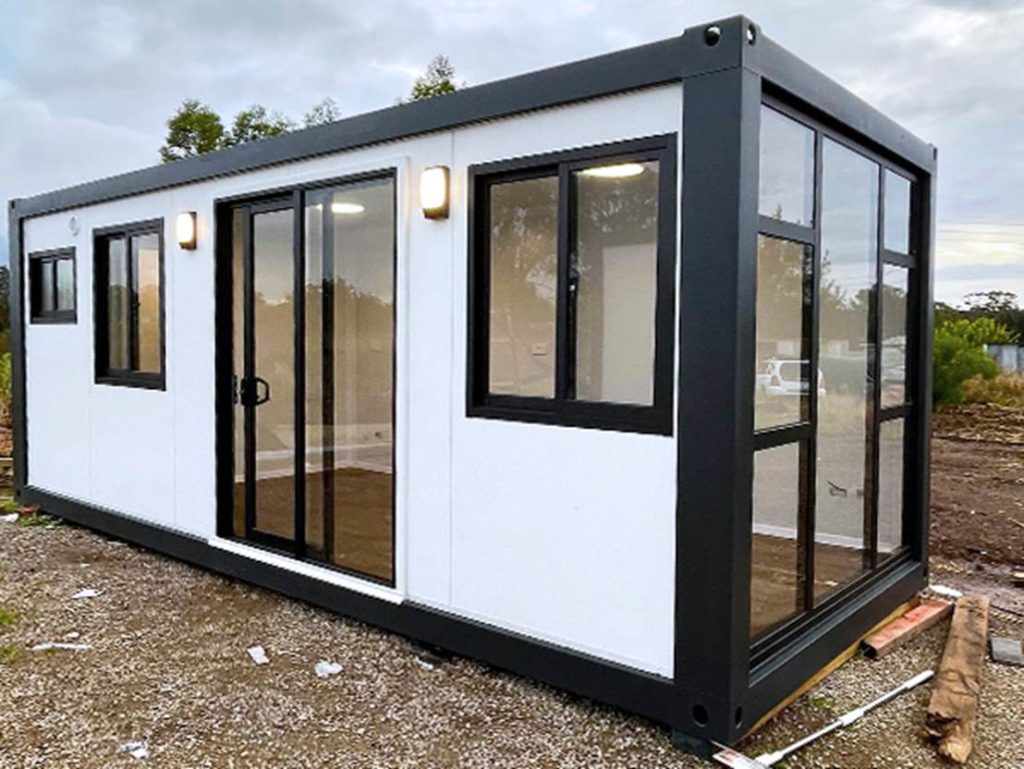
Fig. 2: A Standard Prefab Container Home
In a huge number of prefab container homes, manufacturers build their structural frames using galvanized steel, which provides high levels of durability, corrosion resistance, and weight-bearing ability. The wall systems of prefab container homes generally consist of insulated sandwich panel designs made with EPS insulation, PU insulation, or rock wool insulation. These types of materials provide thermal insulation and fire resistance while keeping the overall weight of the structure minimal.
According to Wikipedia, prefab homes, or prefabricated houses, are types of housing that are created beforehand off a construction site for shipping and assembling on a final site. They come in many different production styles – from modular to panelized – and provide great benefits, including faster production times and fewer materials wasted than traditional construction methods.
Typically, there are three steps involved with the production of prefab container homes:
Factory Prefabrication
First, materials are pre-fabricated in a factory. The factory creates structural frames, wall panels, and other major components before partially assembling them right at the factory.
Transportation
Second, once materials are ready for assembly on site, they are then packed in either a container or flatbed and shipped via truck to the assembly site.
On-site Assembly
Third, once prefab container homes reach their final assembly location, they are assembled using either bolts or connection systems designed specifically for this type of structure, allowing for very fast assembly times.
Due to their standardization and ease of installation, prefab container homes are commonly used for the following applications:
- Temporary housing for residential use
- Construction site worker accommodations
- Vacation cabins or resort units
- Portable offices
- Emergency shelter/ housing projects
These types of structures are the most affordable way to temporarily house people, with quick deployment times and budget efficiency being the primary concern of stakeholders.
What Is a Modular Container Home?
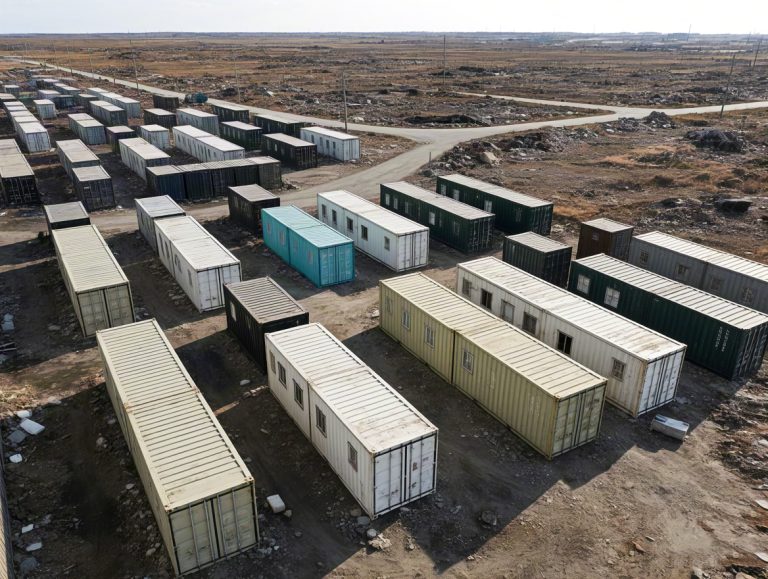
A modular container home represents a more advanced form of container housing based on modular building techniques. Rather than generate one whole structure, the building is broken down into many modules, where each module is created individually and can be assembled into larger systems through the design of the modules.
Each of the module components can represent a type of space (bedroom, kitchen, etc.) or functional unit (living room or office). These engineered components function together to provide structural compatibility for stacking, connecting, or expanding according to the overall building configuration.
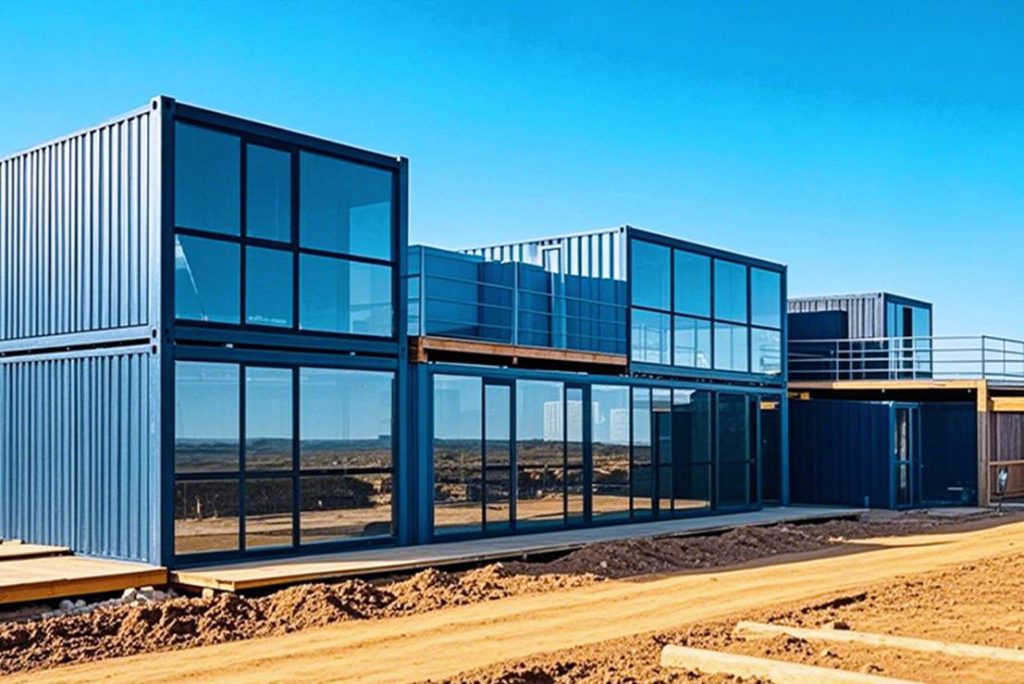
Fig. 3: A Modular Container Home site in the Remote Area
The typical steps in the modular construction process include:
- Manufacturing individual modules in a factory with precision
- Integrating electrical, plumbing, and insulation systems into the modules while they are being built
- Transporting completed modules to the job site
- Quickly assembled and connected at the job site.
Design flexibility and scalability are two of the most significant benefits of having modular container homes. When developing a modular container home, a developer can stack or connect modules to make multi-room homes, multi-level buildings, and large commercial developments.
These homes are typical for the following reasons: based on their modular designs and their high level of engineering quality.
- Permanent residential dwellings
- Hotels/resorts
- Worker housing facilities
- Commercial offices
- Medical and educational facilities
Modular container homes exhibit a higher level of customisation than traditional prefab systems and also offer greater long-term adaptability.
The modular building approach, where sections of the building are manufactured off-site and transported to the site for assembly, reduces overall construction time by 20-50% over traditional building methods. This can happen because site preparation and off-site fabrication can occur concurrently (Source: Wikipedia).
Prefab vs Modular Container Homes – Key Differences
| Feature | Prefab Container Homes | Modular Container Homes |
| Construction Method | Standardized components, partially assembled on-site | Fully modular units, rapid assembly on-site |
| Design Flexibility | Limited customization; standard templates | Flexible module combinations; highly scalable |
| Construction Time & Efficiency | Fast but depends on on-site assembly | Rapid deployment with pre-assembled modules |
| Cost | Lower initial cost, may have higher expansion costs | Slightly higher initial cost but better long-term ROI |
| Quality & Compliance | Factory-controlled quality; limited customization | High-quality materials, precision engineering, and scalable |
| Suitability | Small-scale projects, short-term use | Long-term residential, offices, and scalable developments |
Table 1: The Main Differences between Prefab Container Homes and Modular Container Homes
Advantages of Prefab Container Homes
Prefab container homes have a number of useful benefits that make them appropriate for a variety of projects, despite their more straightforward design approach.
Lower Initial Cost
Prefabricated homes typically require a lower initial outlay of funds. They are therefore appealing for small-scale residential projects, workforce housing, and temporary housing.
Standardized Construction
Standardized manufacturing guarantees constant structural quality and lowers the possibility of construction errors.
Rapid Deployment
Installation can be finished quickly with little specialized equipment because the components are prefabricated.
Suitable for Small Projects
Prefab container homes are perfect for projects that need to be set up quickly, like emergency housing options, small vacation homes, or site offices.
Cost Comparison: Prefab vs Modular Container Homes
Both modular and prefab container homes have different types of costs associated with their overall purchase price. Prefab container homes usually have lower costs associated with their initial purchase than modular container homes due to the fact that they utilize standardized parts and simpler design elements.
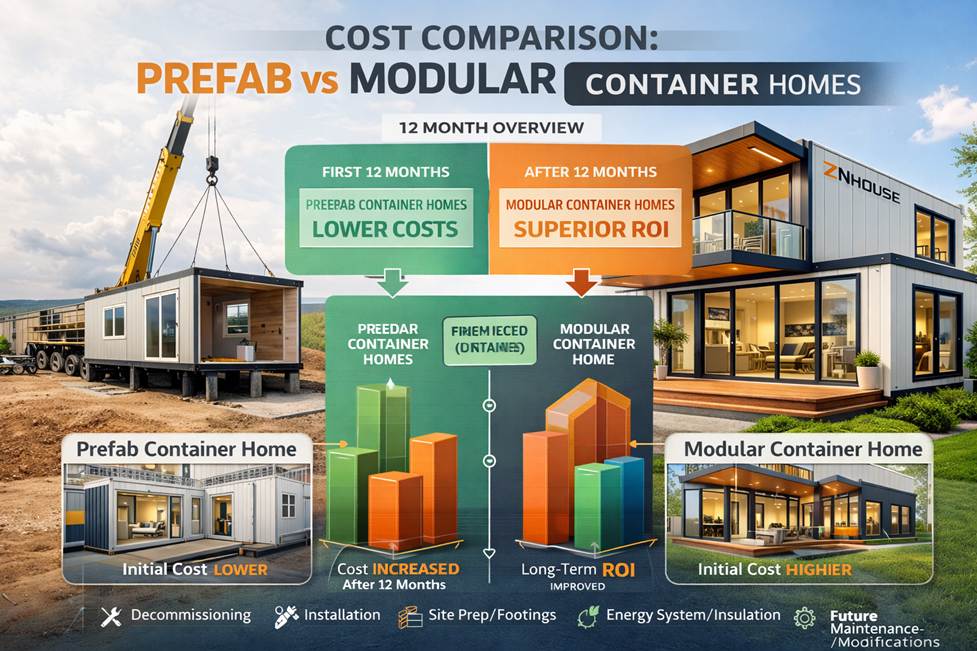
Fig. 4: Cost Comparison: Prefab vs Modular Container Homes – 12-Month Overview
However, this is true only for the first 12 months; after that, any modification or expansion you need will create a higher cost than originally estimated due to the increased expenses of creating new panels, replacing parts, or altering the overall design.
As such, while modular container houses may have a higher initial capital cost because of the additional cost of the better-quality materials and systems used in the manufacturing of a modular container house, modular container houses will provide a better overall return on investment because of enhanced durability, energy efficiency, and potential for future growth or expansion beyond that.
Other cost factors include:
- Decommissioning
- Installation
- Site prep/footings
- Energy system/insulation
- Future maintenance/modifications
Modular construction can give superior ROI for both long-term residential and commercial applications.
Thermal and Comfort Considerations
Thermal performance and indoor comfort are significant considerations when designing container houses. Steel frames have a high heat transfer rate; therefore, good design & adequate insulation are vital to achieving these objectives.
In general, modern modular container homes are manufactured with high thermal & acoustic performance products (e.g., rock wool, polyurethane sandwich panels) that greatly enhance a container home’s thermal efficiency & sound insulation.
Thermal bridging is another consideration. The transfer of heat through structural elements (e.g., structural steel) creates thermal bridging, which is managed by manufacturers using insulated panel constructions & insulated thermal breaks and/or enhanced wall systems.
Good insulation design will allow container homes to create indoor comfort in all weather conditions while providing energy efficiency.
Scalability and Expansion
One big benefit of using modular containers for housing is that they can be expanded easily, since each module acts as a separate structural unit. Homeowners or developers have the option of starting out with a smaller building and adding on new modules as their needs grow over time.
Although prefabricated containers can also be added onto to create larger homes, this type of expansion can be more costly than adding new modules to modular container homes and may require additional changes to the existing structure to accommodate new additions.
Homes designed with modular expansion will work very well for:
- Growing families
- Expanding office spaces
- Hospitality and resort developments
- Temporary structures that may become permanent facilities
FAQs – Container Homes Questions
Is it cheaper to build a shipping container home or a prefab modular home?
Modular homes offer greater long-term value, while prefabricated container homes typically have lower initial costs.
How long do prefab modular homes last?
Prefab modular homes can last up to 20–30 years if they are properly maintained and made of high-quality materials.
Can I put a prefab modular home on wheels?
Depending on the needs of the design, some smaller prefabricated units can be installed on mobile platforms or trailers.
What size options are available for container homes?
Although standard container modules are between 20 and 40 feet long, modular systems enable the combination of several units to create larger structures.
Are modular container homes energy-efficient?
Yes. Modular container homes can achieve exceptional energy efficiency with integrated building technologies and sophisticated insulation systems.
Can I expand a container home later?
Prefab homes might need extra structural work, but modular container homes are made with expansion in mind.
To read more posts from our highly informative blog, click here.
Conclusion – Which Is Right for You?
Container homes made from prefabricated containers are an effective alternative to traditional building methods. They are especially suitable for projects where budgetary constraints, temporary housing requirements, or rapid deployment timelines exist. Modular Container Homes, on the other hand, offer enhanced flexibility, scalability, and long-term value to both residential and commercial construction projects.
Determining which type of container house will best accommodate your project’s objectives, budget, and anticipated life is a critical step in your overall project planning process. Prefabricated containers can be an excellent choice for a short-term solution, while modular container homes are likely to provide the greatest benefits long-term for investment and future expansion.
ZN House offers a broad range of advanced designs, including container houses, prefabricated container homes, and modular container homes. Their designs incorporate strength, energy efficiency, and international applicability. If you would like to explore customized design options or discuss your project vision, please contact the ZN House team to learn how modular container technology can help you deliver your next development project.
Watch the following video on ZN House’s Newly Designed Prefabricated Flat Pack Container House:
Similar Posts
Best Container Dormitory Solutions for Construction Worker Housing
Introduction The success or failure of construction projects can hinge on speed of execution, productivity of…

Transformable Living: The Future of Foldable Container Homes
As the world becomes more dynamic and space-efficient solutions are in higher demand, foldable container homes…
What Size Shipping Container Is Best for a House?
Due to their durability, affordability, rapid construction time and variety of customization options, shipping containers have…
Container Classroom Prices & Layouts: A Practical Guide for Schools
Why schools are choosing container classrooms When enrollment spikes or buildings are under renovation, schools need…
Buying Container Houses from China: Factory vs Trader, QA & Incoterms
Why source from China (and what you can actually buy) Container Houses from China are becoming…
The Ultimate Guide to Assemble Houses: Design, Cost, and Benefits in 2025
This guide delves into the concept of assemble houses, exploring their advantages, cost analysis, design possibilities,…


