



How to Choose the Best Container Camp for Your Outdoor Adventure
Container camps have changed outdoor experiences in many ways, allowing people to shift from tent camping and instead look for modern features that include: security cozy eco-friendliness, and even outdoor.
Due to this shift in expectations, there has been a tremendous demand for a smarter, more convenient way to experience outdoor recreation by using container camps (in addition to tents). Container camps are compact as they are space-efficient, durable because they are able to be transported without damage and modular as multiple units can be linked together, as well as surprisingly livable. As a result, container camps have dramatically redefined the definition of a base camp in the wilderness.
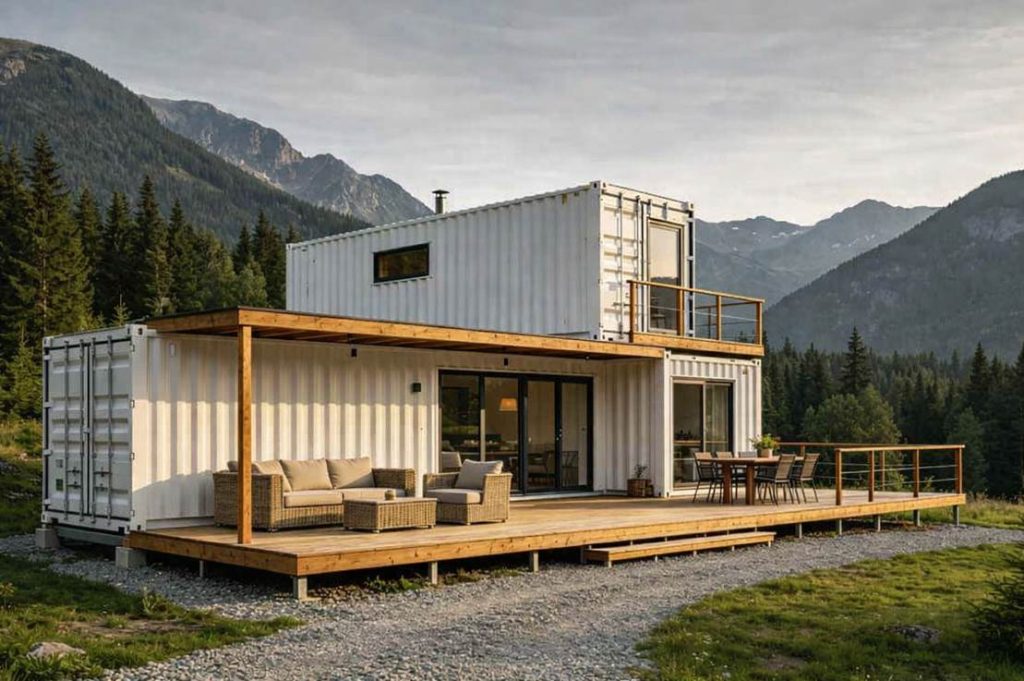
Now that you understand that there is a large market for container camps, it is time to determine which one is right for you! This complete guide will explain all you need to learn about container camps: different kinds of container camps; factors for deciding whether a container camp is “good” or “bad” and finally, which types of containers are best for different climates. If you are planning to go on a solo desert expedition or on a family glamping trip, we hope this container camp guide will help you find a container camp that exactly meets your needs.
What Is a Container Camp?
Container camps are a type of temporary housing solution that consists of prefabricated and modular units that are constructed from steel-frame buildings. Many container camps can be compared to shipping containers as they are often built using the same design characteristics as typical shipping containers. In contrast to traditional building materials such as concrete or stick-built homes, container camps have been designed with one specific, primary goal in mind – rapid deployment to virtually any location with an emphasis on both safety and comfort for all occupants.
At their core, container camps are:
- Modular in construction — individual units can be combined, stacked or expanded to meet the size needs of any group or project.
- Transportable by standard freight — most designs are optimized to ship in standard 20ft or 40HQ containers to allow for efficient international and long haul delivery.
- Deployable as outdoor campsites, temporary accommodation, adventure bases, or remote workspaces — same unit can be used for vastly different purposes depending on how it is configured.
- Built to endure extreme environments — quality container camps are built to withstand everything from Arctic cold to desert heat, high winds and seismic activity.
Container camps provide a unique outdoor experience because they offer all the comforts, conveniences, and features of home without the drawbacks of traditional camping methods (such as the unpredictable weather).
Why Container Camps Are Becoming Popular for Outdoor Adventures
Container camping has become popular due to several converging trends, including glamping, sustainability in travel, working remotely, and wanting to enjoy nature without having to camp on the ground or be exposed to the elements.
Better Comfort Than Traditional Camping
Container camps offer a strong, standalone location for shelter. They are equipped with fully insulated walls and adequate flooring systems that allow for AC and heating installation. These basic features help to deliver protection from wind, rain and insects.
Mobility and Flexibility
One major advantage of “portable” camps is their “mobility”. After completing your project or deciding to move your resort to a different location, your units are able to be loaded onto a truck and easily transported.
Suitable for Harsh Environments
Container-based modular and portable infrastructures are made to endure severe temperatures, being equally functional and reliable in hot desert areas, cold snowy mountains, or marine settings with salt air exposure.
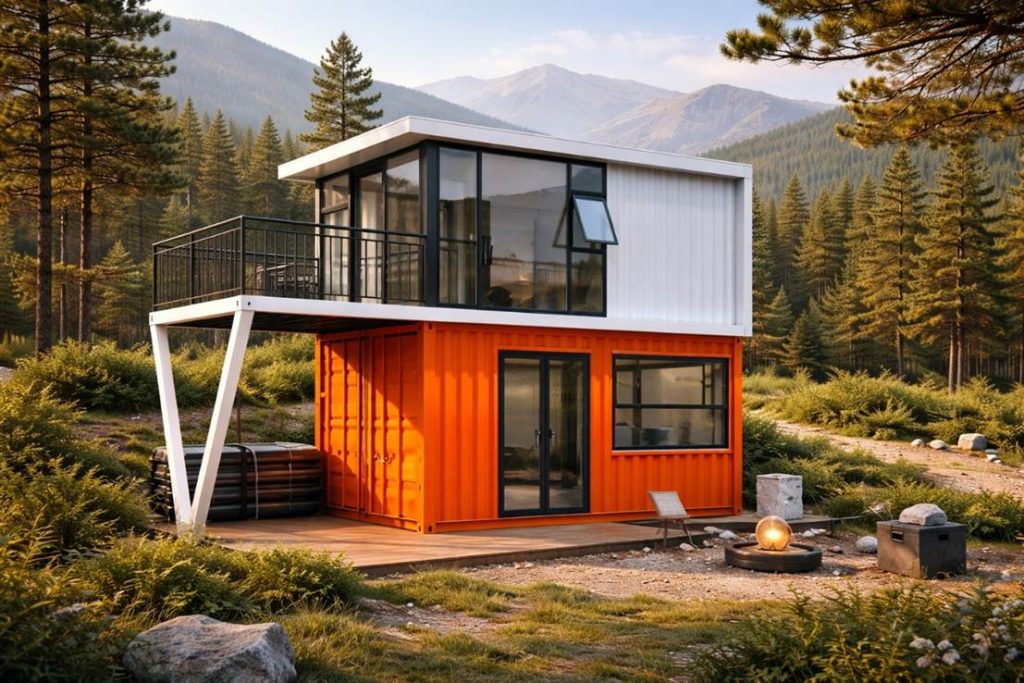
Eco-Friendly & Sustainable
Since they are modular and reusable by design, container-based camps fit very well with the sustainability movement. Besides, one more significant benefit of modular container camps is that they are environment-friendly. Compared to traditional construction methods, container camps:
- Reduce construction waste
- Require less on-site labor
- Support reusable modular components
- Lower environmental impact
- Allow integration of solar systems and energy-saving equipment
Main Types of Container Camps for Outdoor Adventures
There are various types of container camps that exist, and knowing the primary groupings will help you find the correct container camp type for whatever you are planning to do.
Flat Pack Container Camps
The shipping of flat pack container camps occurs as a kit comprising different types of pre-manufactured panels and structural components; however, it would take place at the assembly location. The greatest advantage offered by flat packs is that they allow for logistic efficiency, as many flatpack units can be packed into one freight container, allowing for greater reductions in transportation costs for larger deployments than packing only single units per container would enable.
Best Suited For:
- Long-term outdoor camping installations;
- Multi-person accommodation at fixed sites;
- Mountain project camps and basecamp infrastructure.
Key Features:
- Stackable up to 3 levels, maximizing usable space on small footprints;
- Lower per-unit cost than fully modular options;
- High structural stability once assembled;
- Up to 7 units per 40HQ container for superior freight efficiency.
Foldable Container Camps
Foldable container camps are one of the most original designs available. They are designed to collapse into smaller units for ease of shipping and assembled on-site with only basic tools and a small amount of labour, in some cases, ready to be inhabited within a couple of hours of receiving shipment.
Best Suited For:
- Short outdoor trips and seasonal deployments;
- Emergency campsites requiring rapid setup;
- Situations requiring rapid redeployment between locations.
Key Features:
- Extremely high transportation efficiency — up to 12 units per 40HQ container;
- Quick installation reduces labor time and costs dramatically;
- Maximum mobility for adventures that move frequently;
- Same structural integrity as flat pack models once deployed.
Expandable Container Camps
Expandable container camps are transported in a compact form, but they expand on-site to provide much larger amounts of usable space. Portions of the side walls or even total sections unfold to create double or triple the floor area without requiring any additional units.
Best Suited For:
- Family outdoor trips requiring more personal space;
- Glamping operations targeting comfort-focused travelers;
- Long-term comfortable living situations in nature.
Key Features:
- Dramatically larger space when fully expanded;
- Superior living experience — closer to a cabin than a container;
- Highly suitable for tourist campsites and premium glamping resorts;
- Can incorporate luxury interior finishes, en-suite bathrooms, and full kitchen setups.
Modular Connected Camps
Modular integrated camps consist of multiple connected modular container units that are interconnected (horizontally and/or vertically) to form entire camp villages. In addition to providing complete camp villages, they have assigned sleeping, dining, recreation and work zones.
Best Suited For:
- Large outdoor adventure bases serving multiple groups;
- Team activities, field research, and extended expeditions;
- Field workstations and off-grid operational hubs.
Key Features:
- A flexible combination allows any number of units to be connected;
- Complete functional zoning — separate sleeping quarters, communal areas, kitchen blocks, and shower facilities;
- Long-term use with structural integrity maintained over the years;
- Can be expanded incrementally as the operation grows.
Key Factors to Consider When Choosing a Container Camp
It is important to know that different types of shipping container camps is just a small part of the decision-making for choosing the perfect shipping container camp for your trip. Your best design will be compatible with your individual needs through five main factors that will ensure you make the best choice of what you want.
Camp Size and Layout
The first question is always: how many people, and what do they need?
The appropriate size of the camp you select is determined by the total number of users and the type of outdoor activities you will be doing.
Different outdoor scenarios require different layouts:
| User Type | Recommended Layout |
| Solo Traveler | Compact sleeping and storage area |
| Family Camping | Bedroom, bathroom, kitchen, dining space |
| Team Expedition | Multiple bedrooms and shared common areas |
| Field Operations | Office area, accommodation, storage |
Ensure the layout includes essential zones:
- Bedroom for rest
- Kitchen/Bathroom for hygiene
- Common areas for socializing
Insulation & Weather Resistance
Insulation and moisture-proofing will differ greatly depending on the type of outdoor location.
An ideal container camp should have:
- Thermal Insulation
- Waterproof Protection
- Wind Resistance
- Moisture Resistance
- Ventilation Systems
In snowy areas, the bigger the insulation, the easier you can keep your indoor space warm. In the deserts, insulation that protects against heat will help keep the indoor temperature cooler. In coastal areas, moisture-resistant material and protection against rust due to salt air will be required.
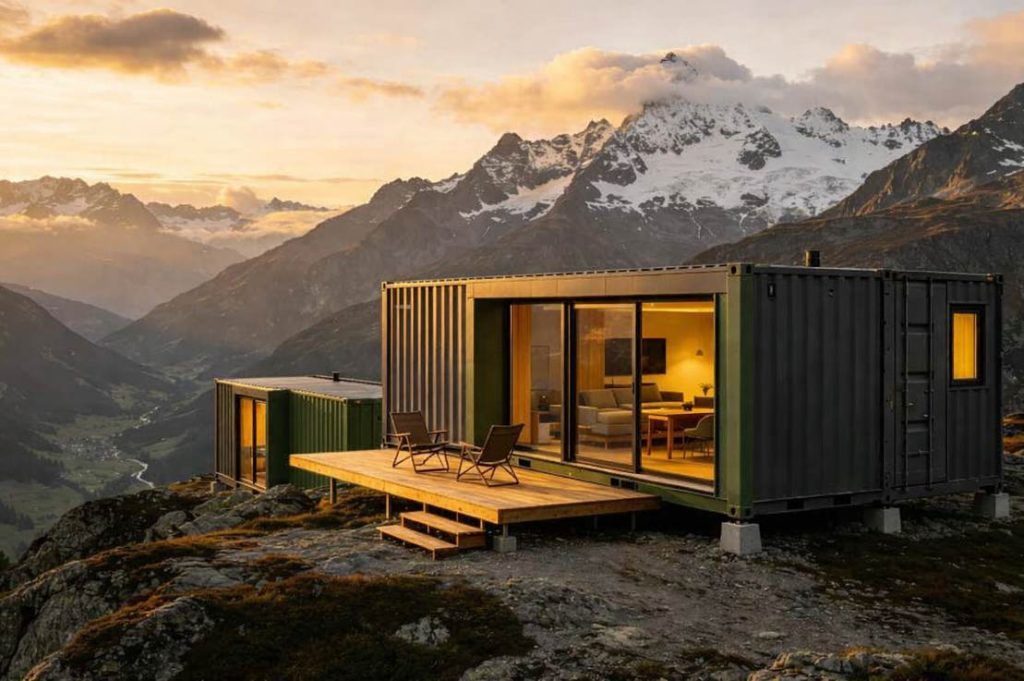
Mobility & Transportation
How often will you move the camp? How remote is your destination? Think of the whole logistics chain, not just the end point but every point from the factory of the manufacturer to where it’s being set up.
Frequent Relocation: Containers with foldable container camps (12 units per 40HQ) have a better transport efficiency than flat pack models (7) are in the process of designing their containers. Flat pack-designed containers, however, have been developing at a faster rate than foldable container camps.
Single Deployment: When the camp will remain at one location for the length of the adventure or season, fully modular units have a faster setup time on site than partially assembled containers because the shipping costs are greater.
Remote Access: If your site can only be accessed via small trucks or by helicopter, the ability to break down flat-pack units into smaller components offers a significant advantage over completely assembled modular units.
Comfort & Amenities
The organization of comfort within the container camp or luxury container home is just as important as the structure itself. If a bathroom has an air conditioning unit, bathroom fixtures, a power supply that can be accessed via solar, Wi-Fi, and kitchen equipment, it can create a luxurious feel.
Sustainability
Besides, smart camps ought to consider the long-term impacts of their activities. Installing a solar power system, choosing recyclable materials whenever possible, and modular building are examples of actions that can lessen the total energy consumption and waste generation of a building or a campsite throughout its lifespan.
How to Choose the Right Location for a Container Camp
The very best container camp will suffer in performance if it is poorly placed; site selection is a key part of the process for planning an outdoor camp.
Accessibility
Camp needs to have good road access so that you can safely move equipment & supplies & personnel. When you don’t have good access, even if you have a high-quality container camp, it will be very expensive to build.
Nearby Outdoor Activities
An optimal location is mainly decided by the adrenaline activity. Hiking, fishing, wandering in a desert, or mountain exploring – a proper place for a base camp should be close to the main activity area, yet at a safe distance from it.
Safety Considerations
Location safety is extremely important, especially in extreme environments:
Flood Risk: During installation, avoid low-lying areas adjacent to rivers and/or drainage channels. To reduce flood risk, build the camp on pier foundations.
Strong Winds: Construction of container camps should take into account wind loads from being located on top of hills or exposed ridges. Container camps that can withstand winds of up to 120 miles per hour can still utilize natural windbreaks.
Wildlife: When setting up your camp in areas with dangerous wildlife, consider fencing, lighting, and access control options around the perimeter of your camp.
Extreme Weather Events: In particular, after analyzing the weather conditions of the proposed campsite, you need to think about how to insulate the building and how to secure it properly with anchoring methods.
Cost vs. Comfort-What Should You Prioritize?
When planning a container camp, a frequently asked question is the balance between the budget and the level of comfort desired. The answer will depend on the use of the camp, not only for what purpose but also for how long.
Budget-Friendly Camps
Entry-level container camps focus on functionality more than luxury.
They provide:
- Simple bedding and food preparation areas;
- Moderate level insulation sufficient for temperate regions;
- Fast installation at the lowest possible cost;
- Perfect for temporary or one-season usage.
Premium Outdoor Camps
Luxury or high-end container camps, often referred to as “style” container camps, are built to the same high quality as a luxury hotel, but with the added flexibility and sustainability of a modular building.
High-specification container camps provide:
- Air conditioning, premium bathroom fixtures, and fully fitted kitchens;
- Enhanced insulation for extreme climates;
- Solar power systems for off-grid operation;
- Aesthetic interior finishes and designer touches;
- Multiple connected units create a complete camp village.
Cost vs. Comfort Overview
Typically, selecting the right choice for an outdoor camp will depend on your budget and the type of service you will receive. Budget camps are geared towards temporary lodging and basic amenities, whereas premium outdoor camps are geared towards long-term lodging and have higher expectations from customers in terms of comfort.
| Type | Cost | Comfort | Best For |
| Budget camp | Low | Basic | Temporary use, short-term outdoor work |
| Mid-range camp | Medium | Good | Small groups, mixed-use adventure bases |
| Premium camp | Higher | High | Glamping, long-term living, guest-focused resorts |
Best Container Camp Solutions for Different Outdoor Adventures
Each external environment has its own requirements. This is how to match the right container camp setup with every major adventure scenario.
Mountain Adventure Camps
Strong thermal insulation, wind-resistant structures and reliable transport logistics are important requirements when establishing mountain camps. For these reasons, flat-pack and modular camps are generally the best option as they perform well at extreme elevations and in colder climates.
Desert Exploration Camps
In a desert camp, consider three areas of concern: temperature control, sun protection and cooling. To build your modular installation in the desert, it is important to have a well-insulated facility with a modular structure to be solar-ready.
Beach Camping Camps
Corrosion-resistant, moisture-protected, and safe from wind are necessary in beach environments. Expandable or modular connected camps are usually preferred because they provide comfortable camping options in addition to a stronger structural frame.
Glamping Resorts
The best options for glamping due to their flexible design or high-quality container camping layout, allowing for a spacious interior, high-quality materials, and space for bathrooms, leisure areas, or kitchen modules.
Off-Grid Camps
Camps that operate off the grid need to be designed with self-sufficiency as a key component. Off-grid camps can be made more sustainable and dependable through the use of solar energy, efficient insulation and modular systems for existing wastewater treatment and water supply.
RV and Overlanding Bases
The essential requirement for RV and overlanding camps is a portable and easily deployed campsite. This can be accomplished using foldable or flat-pack systems which allow for multiple relocations with minimal compromise of fundamental comfort.
Safety and Comfort Tips for Outdoor Container Camps
Even the best of container camps needs to be carefully planned and constantly monitored for safety. Here’s the most important practical advice:
Check Insulation
The insulation that you use should be made of flame-resistant materials, such as rock wool. Other insulating materials, such as high-density insulation, will improve your building’s thermal stability. This stability is very important for coastal climates where significant temperature variances occur. Also, using the right amount of insulation will reduce energy consumption and thus keep your cooling costs low every month of the year.
Ventilation
Good air circulation is critical to eliminating moisture in a very wet coastal climate. Introducing cross-ventilation, mechanical exhausts (fan-driven), or an ERV/HRV ventilation system maintains good indoor air quality and provides an environment that will limit mold growth. An effective ventilation strategy will also increase the life of both the interior finishes and the structure.
Electrical Safety
All electrical wiring must comply with international safety standards, especially when applying high-draw equipment such as air conditioning units. Therefore, please request a circuit layout and load calculation to ensure that both the loads and circuits are not overloaded or have low voltage. The use of certified products and appropriate ground connections will reduce fire hazards for metal buildings substantially.
Choose a Reliable Manufacturer
Partner with a company like ZN House which offers thorough after-sales service and customization options. A well-established manufacturer will, apart from this, provide clear material specs, engineering analyses, and regulatory compliance documents. This way, you can be sure that your container home is not only aesthetically pleasing but also structurally robust and capable of lasting a long time.
Why More Travelers Are Choosing Container Camps
The broader rise of glamping, sustainable travel, remote work, and portable living is pushing more travelers toward container camps. Google’s helpful-content guidance also supports pages that clearly show expertise, original value, and practical usefulness—exactly the kind of information buyers want when choosing a camp solution.
ZN House’s market positioning reflects that trend: faster deployment, modular expansion, and climate-ready performance are becoming central buying criteria in both travel and industrial outdoor use cases.
Conclusion
Choosing the best container camp for your outdoor trip is not really something that can be the same for any person. It involves paying attention to the size of your group, the type of environment you want to visit, your level of comfort, how much you want to move around, and what you hope to achieve in the long run.
Selecting the best container camp is not just about finding the cheapest or the biggest one; it should be the one that suits your climate, travel style, comfort level, and relocation requirements. Typically, for outdoor adventure enthusiasts, the best options are the ones that offer a balance of versatility, robustness, comfort, and eco-friendliness.
Whether it’s a glamping resort, a mountain base camp, a project camp in the desert, or an off -grid adventure location, ZN House’s modular container camp solutions are designed to help you get fast deployment and reliable performance in demanding environments.
Ready to start your project?
Contact ZN House for a Custom Solution | View Our Product Line
Frequently Asked Questions (FAQs)
What is the best container camp for outdoor adventures?
The best option depends on your use case: foldable for speed, flat-pack for logistics, expandable for comfort, and modular connected camps for larger bases.
Are container camps suitable for extreme weather?
Yes. Constructed with high-quality sandwich panels and galvanized steel frames, they can stand up to heavy snow, desert heat and gale-force winds.
How long does it take to install a container camp?
Depending on the configuration and site conditions, standard container camps can be fully functional in a few days.
Can container camps be customized?
Yes. ZN House creates custom designs for bedrooms, kitchens, bathrooms, executive rooms, and command-center-style modules.
What is the difference between foldable and expandable container camps?
Foldable camps are meant to be easily transported and quickly deployed, while expandable camps are meant to create more interior space and comfort once set up.
Are container camps eco-friendly?
Yes, they are highly sustainable. They are recyclable, create little waste on site, and can be moved without damaging the local environment.
Similar Posts
Modular Container House Design Excellence
In the realm of modern construction, modular container houses have emerged as a symbol of innovation and…
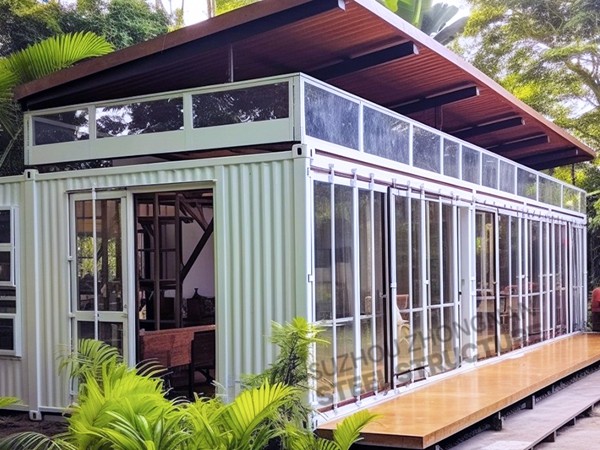
Modular Container House Revolution
Welcome to the future of flexible architecture with our cutting-edge modular container house designs! These aren’t your ordinary…
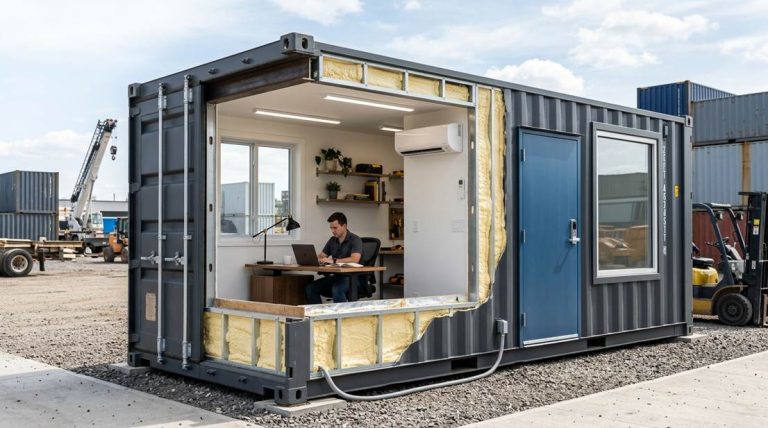
How to Build a Shipping Container Office: The Complete Guide to Structural Integrity and Insulation
With the current state of remote working and efficiency, the conventional office building type is being…

Revolutionary Modular Living Space Solutions
In today’s architectural field, modular construction is transforming traditional building methods with its unique advantages. As…
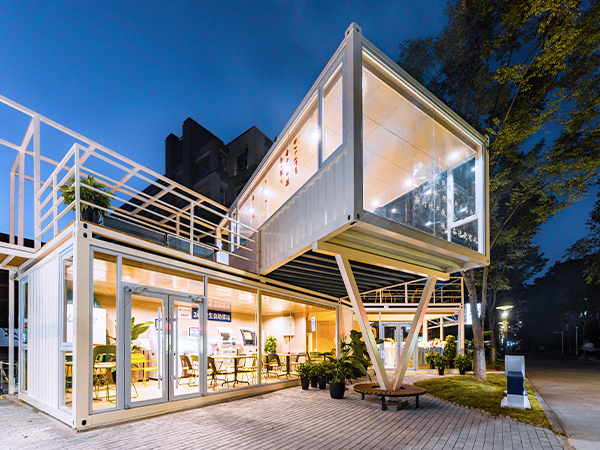
Beyond the Box: Key Modular House Design Trends—Open Concept, Multi-Unit, and Sustainability
According to Forbes, modular housing can reduce construction times by up to 50 per cent, costs…
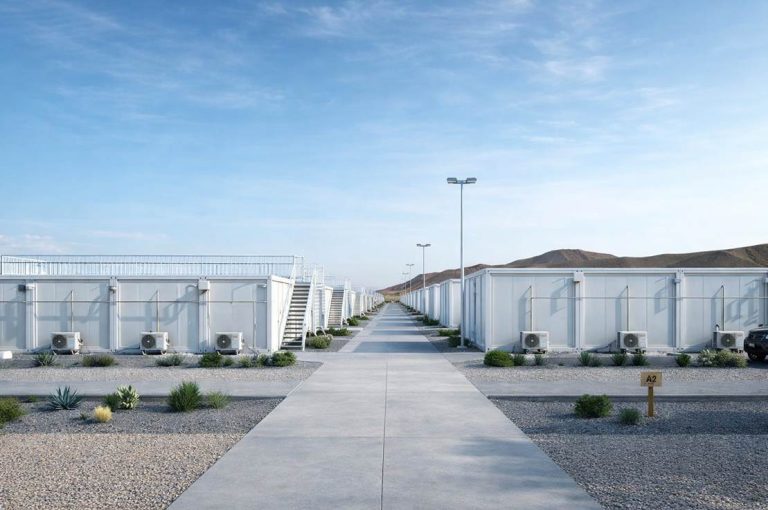
What Is a Container Camp? The Complete Guide to Modular Workforce Accommodation
All major construction sites share one relentless challenge: Where are workers supposed to sleep while they…


