



3 Types of Prefab Tiny Houses: Which One Is Right for You?
The tiny house movement has moved well beyond being just a niche trend. Today, homeowners, investors, and developers worldwide are increasingly opting for prefab tiny houses as a more sensible, quicker alternative to the normal house building methods. Factors like lower housing expenditure, shorter construction times, less environmental harm, and versatility of location options have all contributed to making these little dwellings one of the rapidly expanding sectors of residential housing.
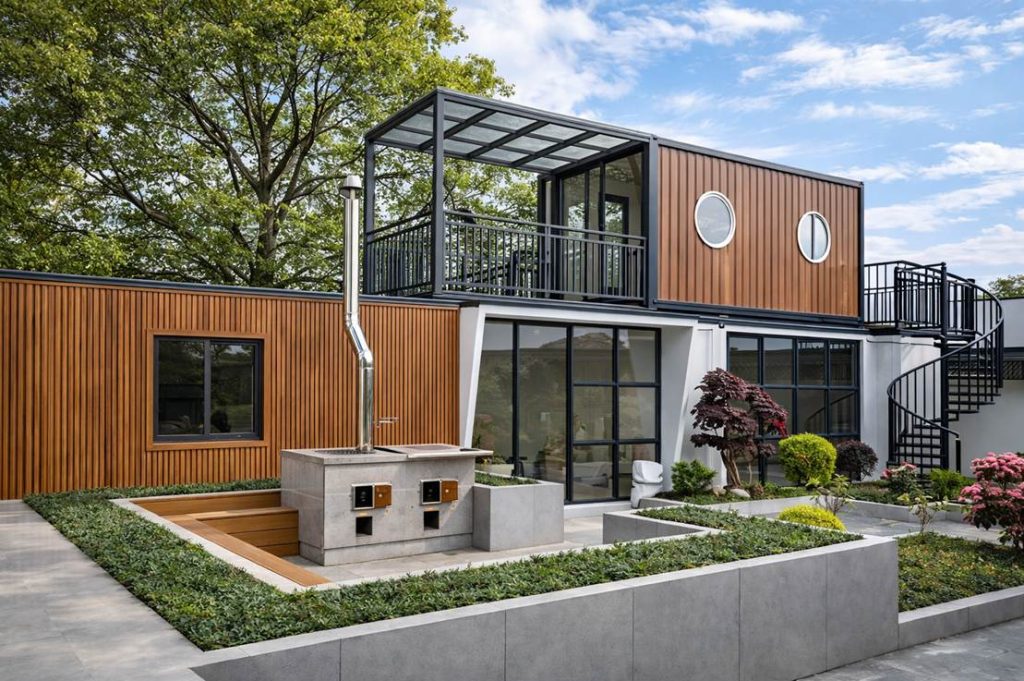
Still, here is a question that a lot of buyers tend to miss: not all prefab tiny houses are created equal. This passage, in fact, deals with three quite different types of constructions, each having its own pros and cons as well as the most effective uses. Figuring out which one suits your needs could definitely spare you a lot of time, money, and also the annoyance of experiencing setbacks.
This article compares the top three most popular types of prefab tiny houses:
- Tiny Houses on Wheels (THOW)
- Modular Tiny Houses
- Container Tiny Houses
What Is a Prefab Tiny House?
A prefab tiny house is a small home built in a factory and then moved and put together at its final place. In contrast with traditional stick-built houses that are completely built on a plot of land, prefab construction transfers most of the work to a controlled manufacturing environment.
The core advantages of this approach include:
- Faster installation: Site work is done in parallel with factory assembly, thereby compressing the schedule.
- Lower labor costs: Streamlined production means fewer man-hours and fewer workers on site.
- Consistent quality control: Factory conditions eliminate weather delays and permit uniform construction standards.
- Reduced construction waste: In a factory environment, the materials are planned precisely, which means there is much less waste than in the traditional build.
Generally, a prefabricated tiny house can be completed and ready for living within a few weeks, whereas a traditional brick-and-mortar house would take months and all that time you would be doing other things; the costs are also much lower. What is most surprising is why these three types differ from one another is their method of construction, transportation, and installation.
Type 1 – Tiny House on Wheels (THOW)
What Is a Tiny House on Wheels?
A Tiny House on Wheels or THOW is essentially a miniature house constructed on a trailer that is legally permitted on the road. This type of dwelling is designed to be mobile, enabling the owners to shift their house to different locations if they wish. Actually, main THOWs are under 400 square feet in area and it looks like a normal house with bedroom lofts, a small kitchen, and a bathroom, etc.
Key Benefits
- Mobility: The THOW's biggest advantage is that it can be moved. Owners can travel to other states, areas, or campsites and still have a home.
- Lower initial investment: THOWs are usually the least expensive route to owning a prefab tiny house, with prices starting below modular or container options.
- Suitable for travel lifestyles: THOWs are ideal for the mobile lifestyle of digital nomads, seasonal workers and adventure travelers.
Limitations
- Regulations for road transport limit width and height, which places a tight constraint on living space.
- • In many municipalities, zoning laws do not explicitly recognize THOWs as permanent residences, leaving them in a legal gray area.
- THOWs are generally classified as RVs in most places, meaning they must adhere to vehicle regulations, not residential building codes.
- It is difficult to get a traditional mortgage to finance a THOW; most buyers use personal loans or RV financing which are usually at higher interest rates.
Best For
- Mobile and nomadic living
- Short-term accommodation and seasonal use
- Vacation homes on private land
- Individuals prioritizing flexibility over permanence
Type 2 – Modular Tiny House
What Is a Modular Tiny House?
A modular tiny house, sometimes called a modular home or unit, is cut up in the factory where it is assembled in a few parts or modules and then moved to the permanent foundation of the site where the parts are assembled to form a complete building. Unlike tiny houses on wheels, modular tiny houses are designed to stay put. Being constructed in compliance with the same residential building codes as regular homes, they have to go through inspections and get their approvals just like any other residential property.
Key Benefits
- Permanent residential use: Modular tiny houses are considered permanent dwellings in most jurisdictions, which eliminates the legal grey areas associated with THOWs.
- Better financing options: Because they are considered real property and are up to residential codes, owners can get regular mortgages and home equity loans.
- Flexible layout design: The modules can be configured in many ways, providing architects and owners with a lot of design freedom.
- Higher resale value: Modular homes on land you own typically appreciate in value much like conventionally built homes, so they can be a better long-term investment.
Best For
- Backyard accessory dwelling units (ADUs)
- Family housing as a primary or secondary residence
- Long-term and permanent residence
- Rental properties generating consistent income
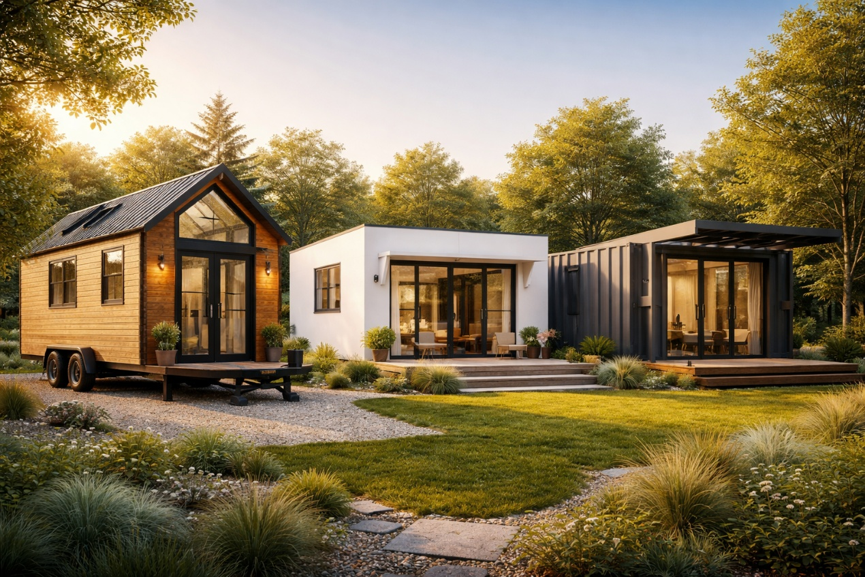
Type 3 – Container Tiny House
What Is a Container Tiny House?
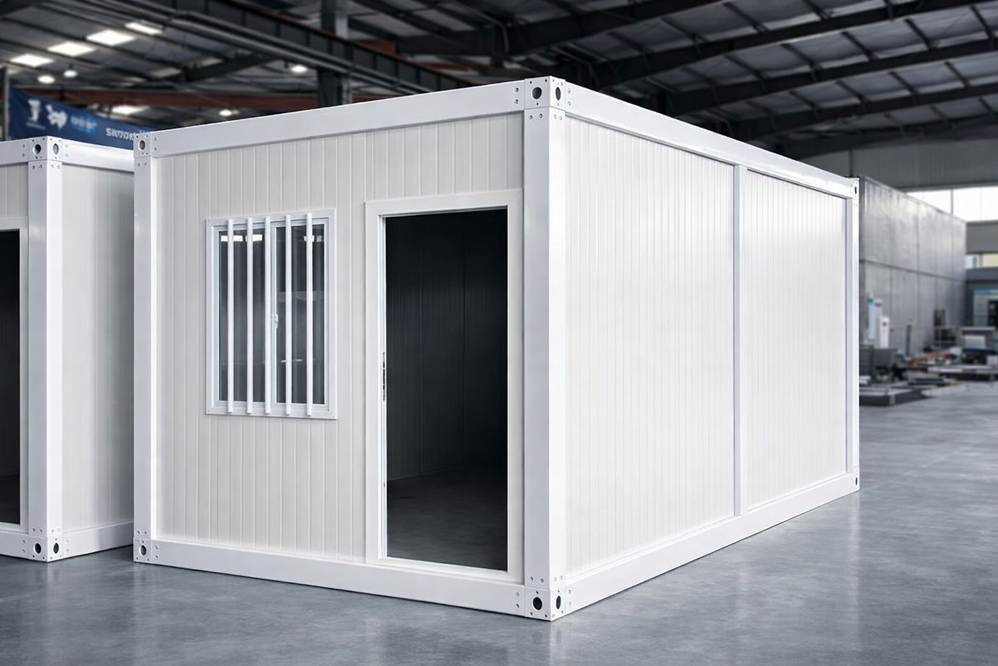
Typically, container tiny houses are constructed from a prefabricated steel-frame modular unit, either a repurposed or a newly designed unit matching the dimensions and structural layout principles of standard ISO shipping containers. The factory-made units are thoroughly equipped with insulation, windows, doors, electrical systems, as well as interior finishes. After the units are completed at the factory, they are transported to the site ready for a very quick installation. A steel frame offers excellent mechanical stability and a modular design enables multiple units to be joined together not only side by side but also one on top of another.
The prefab container houses of ZN House fall under this category, factory-built modular units that can be used as single standalone structures or combined into multi-room and multi-story setups for residential, commercial, and accommodation purposes.
Key Benefits
- Fast installation: The factory pre-assembly means units arrive ready to hook up on site. The complete installation of a single unit can normally be accomplished in days.
- Strong steel structure: The steel frame offers high load capacity and resistance to wind, seismic activity and rough weather conditions.
- Modern appearance: Container tiny houses are distinctly modern in aesthetic, with clean lines, large window openings and contemporary finish options. This is popular for both residential and commercial applications.
- Easy expansion: Modules can be joined side by side or stacked one on top of the other, so it is easy to scale from a single unit to a multi-room complex as needs change.
Popular Applications
- Vacation cabins and holiday retreats
- Airbnb and short-term rental properties
- Backyard studios and home offices
- Worker accommodation on remote job sites
- Emergency and transitional housing
- Retail kiosks and commercial pop-ups
Best For
- Cost-conscious buyers seeking durable, low-maintenance housing
- Quick housing and accommodation projects with tight deadlines
- Modular expansion needs where future growth is anticipated
Comparison of the 3 Types of Prefab Tiny Houses
The performance of each type against the most important decision-making criteria is summarized in the table below:
| Feature | Tiny House on Wheels | Modular Tiny House | Container Tiny House |
| Mobility | ✓ Excellent | ✗ No | Limited |
| Installation Speed | Fast | Medium | Fast |
| Permanent Living | Limited | ✓ Excellent | ✓ Excellent |
| Expansion | Limited | Good | ✓ Excellent |
| Durability | Medium | High | High |
| Cost | Low | Medium–High | Medium |
| Customization | Medium | High | High |
Which Prefab Tiny House Is Best for You?
The right choice really depends on what you want to use it for, your lifestyle, and long-term goals. Here’s a simple framework for you to decide:
If you want mobility → Choose a Tiny House on Wheels.
If the freedom to constantly change your location is your main priority, either for traveling, seasonal living or just to have your options open, a THOW will allow you the most flexibility. It is the cheapest way to get in and also the most suitable for people who love to move rather than to stay for a long time.)
If you want a permanent home → Choose a Modular Tiny House.
If you want to settle down, make a long-term residence, or make some equity in a property, a modular tiny house set on a permanent foundation is definitely the right choice. This is the strongest way to get a traditional mortgage and also meets the regular housing codes.
If you want fast deployment and flexibility → Choose a Container Tiny House.
When a project needs fast delivery, excellent structural quality, contemporary design, plus being able to grow later on, a container tiny house is probably the most flexible choice. It manages to combine fast, inexpensive, and modifiable features that no THOWs and modular houses together can completely accomplish.
Why Container Tiny Houses Are Becoming More Popular
Over the last ten years, container tiny houses have evolved from being a niche curiosity to becoming a generally accepted housing and hospitality solution. There are several practical reasons behind this change, and manufacturers like ZN House have improved the product to satisfy the needs of not only individual buyers but also large-scale B2B projects.
Faster Installation
ZN House prefab container units are completely manufactured and equipped in the factory before being shipped. The container units have their insulation, windows, doors, electrical conduits, and interior fixtures all completed before they leave the production facility. On-site implementation is largely reduced to foundation work, placement of the units, and connection of utilities. This method can shorten the project duration from several months to just a few weeks which is a serious advantage for commercial operators, resort developers, and accommodation providers who are on very strict schedules.
Lower Transportation Costs
Since container units are made to standard dimensions that fit perfectly with the world's logistics systems, it is quite easy to transport them by road, rail, or sea. This is a major advantage for international customers and for remote project sites where the main concern is cheap delivery. As an example, ZN House uses well-known global shipping routes and has finished projects located in Asia, Africa, Europe, the Americas, and Oceania.
Expandable Designs
Container tiny houses provide a pretty big advantage to the owners over both THOWs and quite a few modular houses - the ability to add new units bit by bit. The buyer can, for example, start with a single studio and then add the nearest or even the upper modules as their needs or money allow. ZN House plans each of its prefab container houses with splice connections so that the horizontal and vertical expansion won't be a complicated renovation but rather a simple process.
Durable Steel Structure
The steel frame, which is galvanized and painted, is at the core of the prefab container units of ZN House, Because of this ensuring a level of durability that THOW wood-framed and even some modular homes cannot reach. Steel is resistant to termites, rotting, and moisture damage, and it also holds up well in both humid coastal environments and extreme temperature variations. In other words, it lowers the lifetime maintenance costs of the house and extends the house's service life.
Suitable for a Wide Range of Applications
Container tiny houses are genuinely multi-purpose. The same core unit can be configured for:
- Residential use as a primary home, studio apartment, or ADU
- Airbnb and vacation rental operations requiring attractive, low-maintenance accommodation
- Vacation cabin developments in off-grid or remote locations
- Backyard offices and studio spaces
- Worker accommodation camps on construction or resource extraction sites
This application breadth makes container tiny houses an attractive proposition for buyers who may want to adapt or repurpose their structure in the future.
Frequently Asked Questions
What is the most affordable type of prefab tiny house?
When it comes to the initial expense, Tiny Houses on Wheels usually have the lowest price because they are smaller, don't have a permanent foundation, and are considered vehicles, not real estate. But if you consider costs over time, like maintenance, losing value and really not many financial institutions give loans for THOW, container tiny houses generally have the best value, mostly for people who are planning to stay in the house for 5 or more years.
Are container tiny houses cheaper than modular homes?
Overall, container tiny houses are usually medium-priced. The price range of shipping container tiny houses is usually medium, somewhere between the lower price of a basic Tiny House on Wheels and the higher price of a full modular home built on a permanent foundation. The construction by a factory employing steel frames and the standardized size of the units keep the per-square-foot costs quite reasonable, as the number of ways to construct such a unit is limited. Modular homes command a higher price because they meet the residential building codes and, because of this, are considered by most buyers to be better long-term real property investments.
Can I live permanently in a prefab tiny house?
The decision largely depends on the nature of the tiny house and the local rules. Most modular tiny houses that are installed on a permanent foundation and constructed as per residential codes are meant for permanent living and are typically not subjected to regulatory hurdles in many locations. In many areas, container tiny houses may also be considered permanent dwellings, although different cities and countries have A lot of different zoning rules. THOWs are the least favorable for permanent living as they are classified as vehicles. It is highly recommended to check with the local authorities before going ahead with a permanent-use tiny house project.
Which tiny house type is easiest to install?
Container tiny houses and THOWs provide the quickest and easiest installation methods. Containers are factory-built and fully equipped. Because of this, the only things needed are a concrete footing, lifting by crane or forklift and connection to utilities. THOWs, being road-legal in their design, can be installed in the right location within one day. Modular houses need a lot of groundwork besides multi-section assembly and several inspections. This way, the length of their installation process is longer, though it is still faster than conventional building.
Are prefab tiny houses environmentally friendly?
Prefab construction is usually more environmentally friendly than traditional site-built methods. Factory production drastically cuts material waste, and due to the high level of accuracy in the process, the problem of over-ordering materials is greatly reduced. Container tiny houses, which are built with steel frames, have a further environmental advantage because they need hardly any chemical treatments for pest control. A building's energy efficiency is largely dependent on the insulation system and glazing, and ZN House supplies insulation packages that help achieve energy performance standards for various climate conditions.
How long do prefab tiny houses last?
If you take good care of your modular home or container tiny house, it will last you anywhere between 30 and 50 years and sometimes even more. ZN House's steel-frame prefab container units are durable and sturdy, featuring galvanized structural components and weather-resistant exterior finishes. Since THOWs are mostly moved on roads, they have a relatively shorter lifespan. Besides, trailer-mounted construction also limits the durability of THOWs. Still, a unit that is well-crafted and maintained properly can last for 20 years or even more.
Please feel free to visit the Prefabricated Container House product page from ZN House if you are interested in learning more about prefab housing.
Conclusion
The trick to selecting the right prefab tiny house is to know what is important to you and to match it to the strengths of each type:
- Tiny House on Wheels → Maximum mobility and the lowest entry cost for those prioritizing a flexible, travel-oriented lifestyle.
- Modular Tiny House → Permanent residency, conventional financing, and long-term investment value for buyers ready to put down roots.
- Container Tiny House → Fast deployment, strong steel construction, modern aesthetics, and modular expandability for buyers who want both speed and long-term flexibility.
Container tiny houses have become the most flexible choice in this feature; they merge the fast setup of a THOW with the robustness and wide application of a modular home, at a fairly attractive price. When a project really needs to consider schedule, structural integrity, and expansion potential, this is a very attractive alternative.
Looking for a prefab tiny house solution? Contact the ZN House team today for floor plans, pricing, and customization options tailored to your project.
Similar Posts
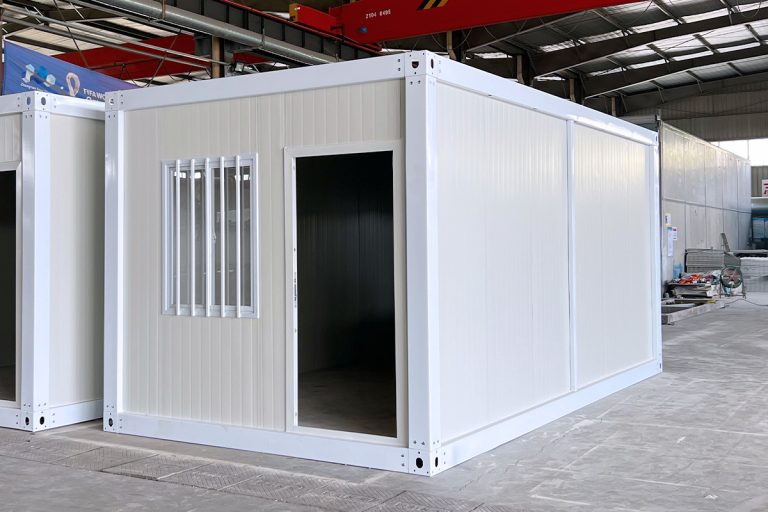
What Is a Detachable Container House? Complete Guide for Buyers
Introduction As construction companies, developers, and project contractors seek out faster, more adaptable, and cost-effective options...

How Much Do Portable Classrooms Cost
The cost for portable classroom has been found to be USD 50,000 to 300,000; a number...
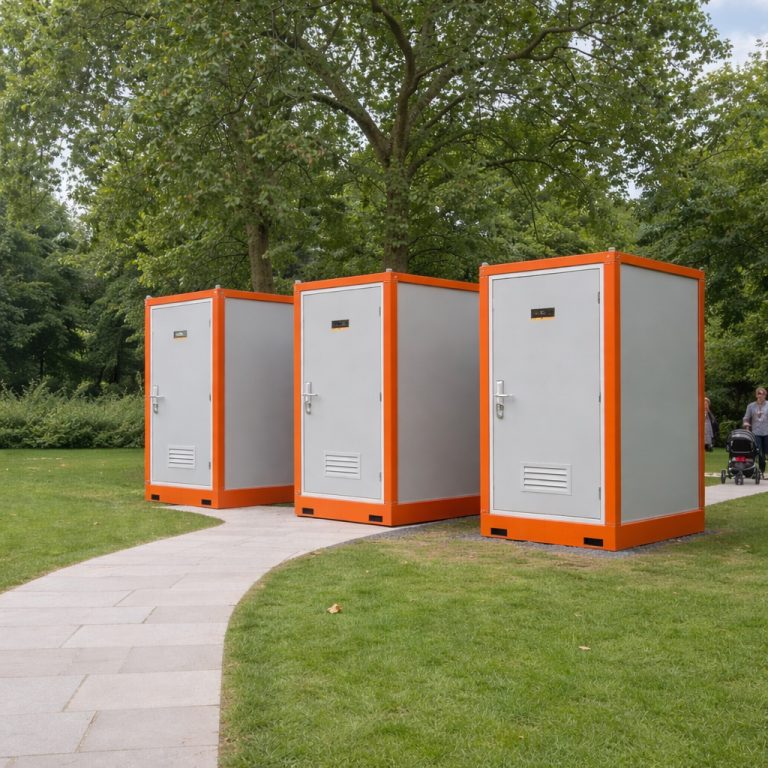
Why Is a Modular Container Toilet the Smarter Choice for Modern Sites?
Sanitation plays a fundamental role in the planning of any site. It is essential to have...
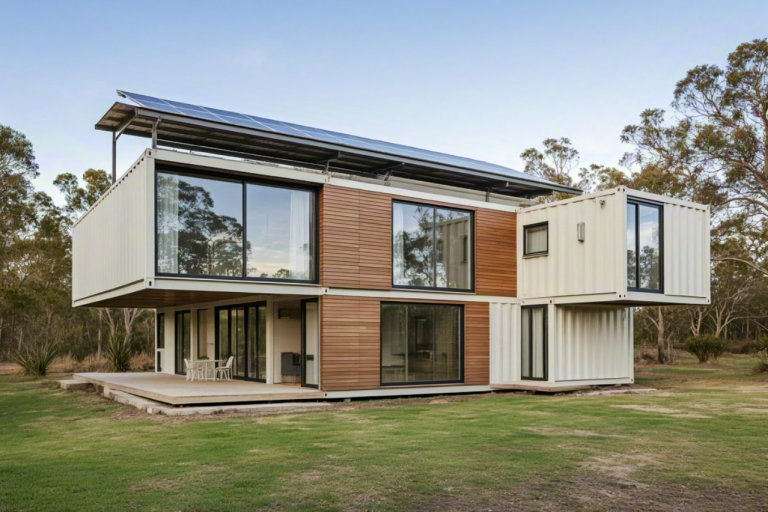
Container houses in Australia: Why it is Your Smart Choice
If you’re exploring housing options in Australia, you’ve likely heard about container houses – the modern,...
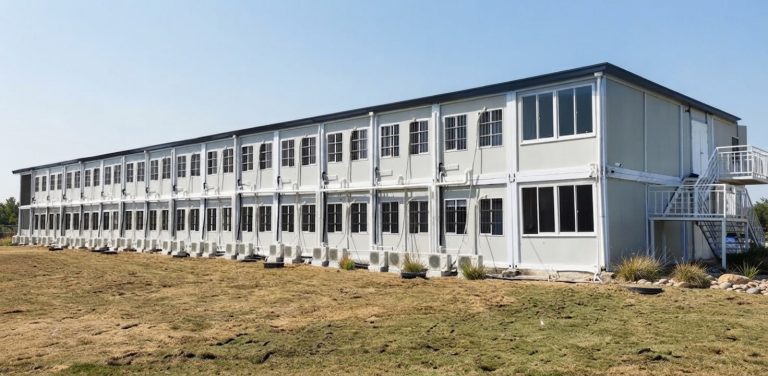
Is a Container Office the Smartest Workspace Solution for Your Business?
In prior times, establishing a workspace involved acquiring numerous permits, pouring concrete, and praying for a...
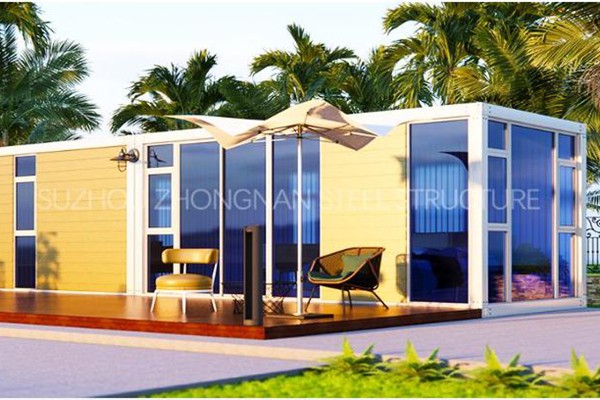
Modular Container House Solutions for Smarter Living
As urban density increases and housing costs continue to rise, a growing number of individuals and...


