



On Flat Pack House: Economy and Limitations of Modern Architecture
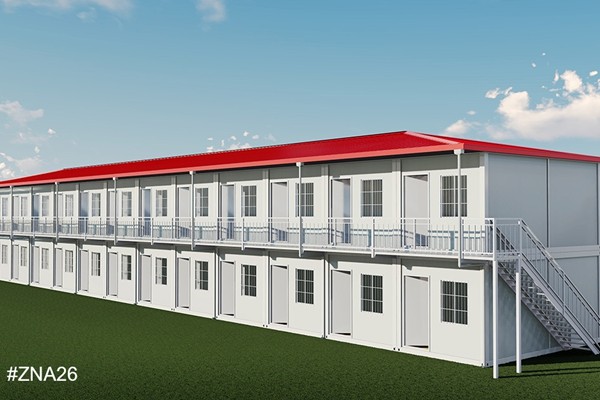
Flat Pack House, Also known as modular housing or prefabricated housing, it has gradually become a hot topic in the field of architecture in recent years. It has attracted more and more attention due to its high efficiency, economy, and environmental friendliness. However, while acknowledging its advantages, we must also acknowledge the limitations of Flat Pack House. This article aims to explore the advantages and disadvantages of Flat Pack House, and provide a brief outlook on its future development direction.
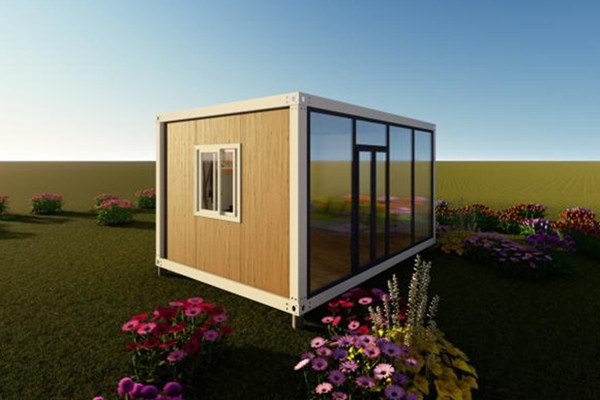
The core advantage of Flat Pack House lies in its economic viability
By prefabricating various modules of the house in the factory, the construction period can be significantly shortened and labor costs can be reduced. Compared to traditional construction methods, flat pack homes often have lower construction costs, especially suitable for large-scale, standardized residential projects. In addition, due to the precision of modular production, it can effectively reduce the waste of building materials, thereby further reducing costs.
Secondly, Flat Pack House has significant efficiency
After the module is prefabricated in the factory, it only needs to be transported to the site for assembly. This assembly line production method greatly improves construction efficiency and avoids complex on-site operations and long waiting times in traditional construction sites. In rapidly developing cities, flat pack container houses can effectively address housing needs and provide society with fast and convenient housing solutions.
Flat Pack House is also considered an environmentally friendly choice
Factory prefabrication can better control pollution emissions during the production process and reduce the generation of construction waste. Meanwhile, many flat pack modular buildings adopt renewable materials and energy-efficient designs, thereby reducing the building’s carbon footprint. In the context of sustainable development, Flat Pack House undoubtedly has significant environmental significance.
Flat Pack House is not perfect, and its limitations also deserve our attention
Firstly, the limitation of the design is one of its major weaknesses. Due to the limitations of modularity, the design of flat pack buildings is often relatively simple, making it difficult to meet personalized and complex design requirements. Although certain changes can be achieved by combining different modules, its design flexibility is still far from that of traditional architecture.
Secondly, the complexity of transportation and installation is also a challenge. The transportation of large modules requires professional equipment and planning, especially in areas with complex terrain or inconvenient transportation. The installation process also requires a professional team and technical support to ensure the structural safety and quality of the house. This undoubtedly increases the cost and difficulty of Flat Pack House.
Concerns about quality and durability still exist
Although modern technology can ensure the quality of modules, there are still doubts about the structural safety and durability of prefabricated houses. Especially in the face of natural disasters such as earthquakes and typhoons, further verification is needed to determine whether the disaster resistance capability of Flat Pack House can meet the standards of traditional buildings.
In summary, Flat Pack House, as a modern construction method, has the advantages of economy, efficiency, and environmental protection, but it also has disadvantages such as design limitations, complex transportation and installation, and quality concerns. In the future, with the continuous advancement of technology and innovation in design, Flat Pack House is expected to overcome these limitations and play a greater role in the field of architecture. For example, by adopting more advanced materials and technologies, the structural safety and durability of buildings can be improved; By introducing more flexible design concepts, people’s growing personalized needs can be met. We have reason to believe that Flat Pack House will play a more important role in the field of architecture in the future, contributing to building more livable and sustainable cities.
Flat Pack House FAQs
What is Flat Pack House?
Flat Pack House is a prefabricated building where all components (such as walls, roofs, frames) are transported in flat or modular modules after factory production, and quickly assembled on-site using bolts, buckles, or assembly systems. Similar to the concept of ‘DIY furniture’, but used for building houses.
What are the main advantages of Flat Pack House?
Low cost: Save 30% to 50% of costs compared to traditional buildings (reducing labor and on-site construction costs).
Convenient transportation: All components can be flattened and packaged, suitable for remote areas or logistics restricted areas.
Quick construction: No need for a professional construction team, assembly can be completed in a few days with just a few people.
Customizable: The layout, materials, and decoration style can be adjusted according to the needs.
What are the common flat pack house materials?
�� Structural framework: light steel, laminated wood or aluminum alloy (lightweight and durable).
�� Wall/roof: OSB board (oriented strand board), sandwich insulation board (such as EPS/rock wool), CLT (cross laminated wood).
��️ Connection method: bolted fixation, plug-in structure or prefabricated mortise and tenon design.
What application scenarios is Flat Pack House suitable for?
Residential: low-cost self built houses, vacation homes, rural residences.
Business: Temporary offices, school classrooms, medical clinics.
Emergency and public welfare: post disaster resettlement houses, refugee camps, mobile medical stations.
Environmental protection project: Off grid residential building (equipped with solar/rainwater recycling system).
What is the price and construction period of Flat Pack House?
Price range:
Basic model (30 square meters): approximately $10000 to $25000 (including basic decoration).
High end customization: $50000+(smart home, energy-saving design, etc.).
Construction time:
Factory prefabrication: 2-8 weeks (depending on design complexity).
On site assembly: 1-2 weeks (faster without foundation).
Similar Posts
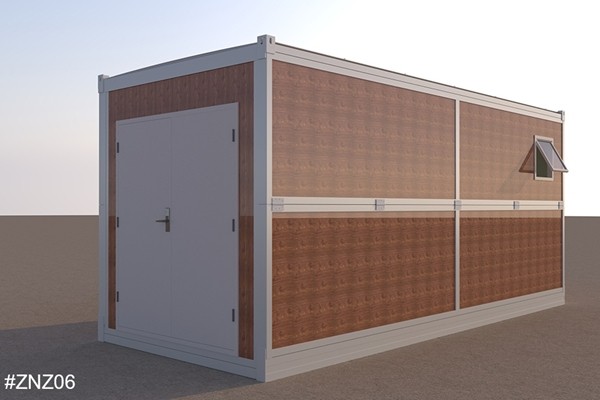
The Innovative World of Folding Container Houses
As the demand for flexible and efficient living spaces grows, folding container houses are emerging as…
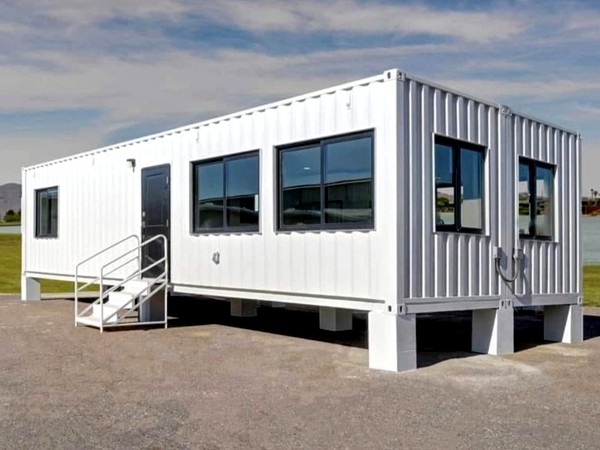
Financing Options for Shipping Container Houses for Sale
Dreaming of owning a unique shipping container house for sale or shipping container homes for sale? The…

Discover the Innovation of Shipping Container Homes
Transform your living experience with our innovative Shipping Container House solutions. Designed for versatility, efficiency, and affordability, our…

Flexible Modular Houses for Daily Life
Modular house solutions are becoming increasingly popular for people who want practical, flexible, and cost-effective living spaces….
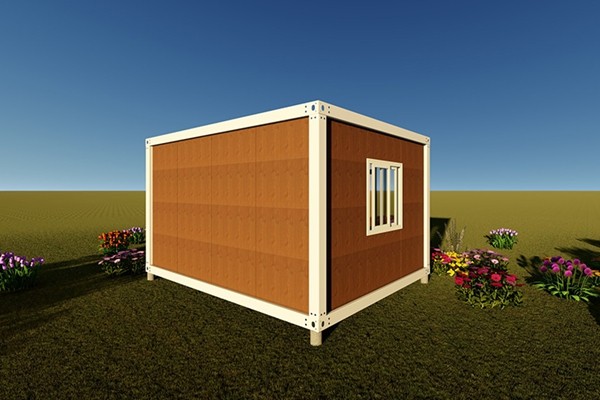
Sustainable Materials in Modern Flat Pack Building
The global construction sector faces mounting pressure to reduce its environmental footprint, driving unprecedented innovation in…
Assemble House Time Estimation Guide
In the dynamic realm of modern housing solutions, assemble house projects have gained significant traction due to their…


