



Prefab Container House: A New Choice for Efficiency, Sustainability, and Innovative Living
Prefab Container House, As an emerging form of architecture, it is increasingly receiving attention from the construction industry and consumers. With its unique advantages, it has shown great potential in solving housing problems, promoting sustainable development, and stimulating architectural innovation. This article will delve into the characteristics, advantages, and future development prospects of Prefab Container House in the field of architecture.

Prefab house, As the name suggests, it refers to a house that is pre designed and manufactured in a factory using standard or customized container units, and then transported to the site for assembly and installation. This construction method subverts the traditional construction mode, transferring most of the construction process to the factory, thereby significantly improving construction efficiency. Compared with traditional on-site construction, Prefab Container House can significantly shorten the construction period, reduce labor costs, and minimize environmental pollution on the construction site.
The advantage of Prefab Container House lies not only in its efficiency, but also in its contribution to sustainable development
The container itself is a recycled material, and transforming it into a house can effectively reduce the waste of waste resources, which is in line with the concept of circular economy. In addition, prefab homes typically use environmentally friendly materials and energy-saving technologies, such as energy-saving doors and windows, insulation materials, solar power generation systems, etc., to reduce energy consumption and carbon emissions of the house. Therefore, Prefab Container House can be seen as an environmentally friendly and sustainable living option.
Prefab Container House also provides ample space for architectural innovation
The modular nature of containers gives them strong flexibility, allowing them to be combined and modified according to different needs, creating houses with various styles and functions. Pre fabricated homes are capable of handling everything from simple individual residences to complex commercial buildings. In addition, the standardized size and ease of transportation of containers also make it easy to migrate and reassemble in different locations, providing efficient solutions for temporary buildings and post disaster reconstruction.
The development of Prefab Container House also faces some challenges
For example, people have certain concerns about the comfort and aesthetics of Prefab Container House, and it is necessary to enhance the living experience through technological innovation and design improvements. In addition, the transportation and installation costs of Prefab Container House, as well as the improvement of relevant regulations and policies, are also important factors that constrain its large-scale application.
Looking ahead to the future, with the advancement of technology and changes in people’s attitudes, shipping container prefab homes will play an increasingly important role in the field of architecture. By continuously innovating designs, optimizing processes, and reducing costs, Prefab Container House is expected to become an important force in solving urban housing problems, promoting sustainable development, and inspiring architectural innovation. It is not only an efficient and environmentally friendly living choice, but also represents a new way of thinking about future architecture.
In summary, Prefab Container House is becoming a promising architectural form with its advantages of efficiency, sustainability, and innovation. Although there are still some challenges at present, with the continuous development and improvement of technology, we have reason to believe that Prefab Container House will play an increasingly important role in the future construction field, providing people with more comfortable, environmentally friendly, and innovative living spaces.
Prefab Container House FAQs
What is a Prefab Container House?
Prefab Container House is a modular building converted from discarded or brand new shipping containers. Prefabricated in the factory (such as cutting, welding, insulation treatment), transported to the site for rapid assembly, suitable for residential or commercial use. Common types include 20 foot or 40 foot standard containers.
What are the core advantages of Prefab Container House?
Low cost: Save 30% to 50% of costs compared to traditional construction (especially in terms of building materials and labor).
Rapid construction: Factory prefabrication followed by on-site assembly can shorten the construction period to a few weeks.
Environmental Protection: Recycling old containers to reduce resource waste.
Flexible and movable: It can be relocated as a whole or stacked for expansion, suitable for temporary projects.
Durability: Steel structure for wind and earthquake resistance (requires professional reinforcement).
How does Prefab Container House solve the problem of thermal insulation?
Common solutions include:
Internal/external insulation layer: spray polyurethane foam, add rock wool or XPS board.
Double layered container: The hollow structure forms an air insulation layer.
Ventilation design: Install adjustable ventilation openings or small air conditioning systems.
What is the price of a standard Prefab Container House?
Price varies greatly due to configuration differences:
Basic version (single box, simple decoration): $10000~$20000.
High end customized version (multi box combination, whole house intelligent system): over $50000.
Additional costs: Additional budget is required for land permits, transportation, on-site foundation construction, etc.
What are the design possibilities for Prefab Container House?
Modular combination: horizontally/vertically spliced into villas, offices, hotels, etc.
Creative styling: inclined cutting, glass curtain wall, roof garden, etc.
Function extension: Install sustainable designs such as solar panels and rainwater harvesting systems.
Similar Posts
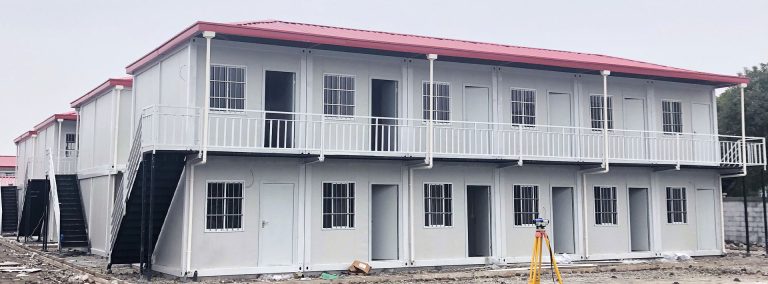
Container Home Companies Safety Records
As container homes gain popularity as a sustainable and innovative housing solution, the safety records of…
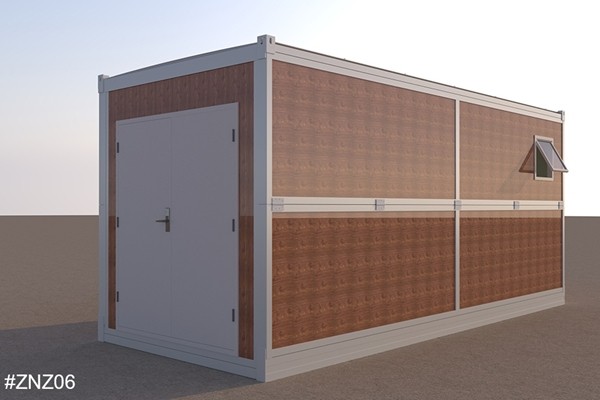
Prefab Homes for Sale: What to Look for Before You Buy
The demand for prefab homes for sale, manufactured homes for sale, and prebuilt container homes for sale is rising due to…

Expandable Modular House For Seasonal Cabin Use
Since 2005, ZN House has pioneered innovative living solutions with our mission: Building Mobile Homes for the…
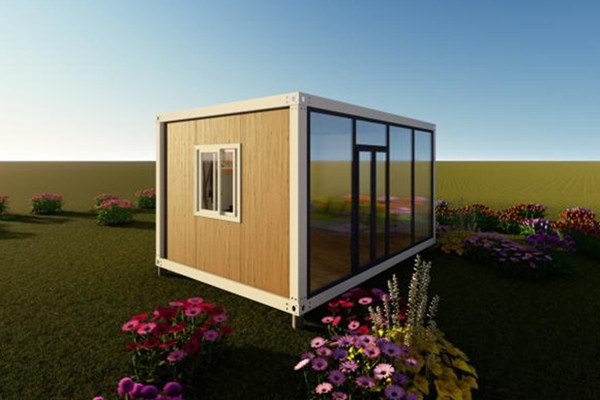
A Smart Choice for Modern Living
The housing industry has experienced a transformative shift, driven by innovation, efficiency, and the demand for…
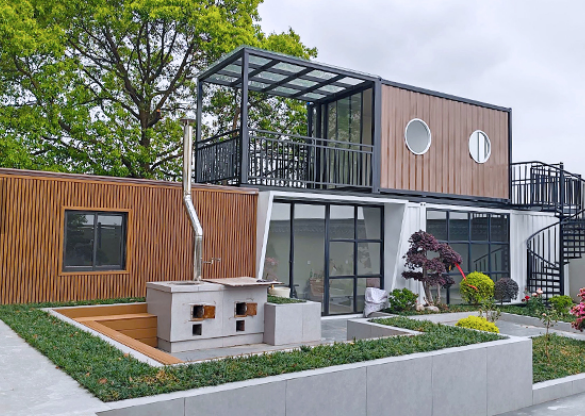
Prefab Container Living Made Practical
The prefab container house has become one of the most talked-about housing solutions in recent years. As…
High-Grade Factory Direct Fabricated Homes for Sale Wholesale
The construction industry is undergoing a transformation with the rise of Pre Fab Houses for Sale, offering…


