



Tiny Home Flat Pack: The Future of Compact and Efficient Living
As more people seek affordable, sustainable, and flexible housing solutions, the concept of tiny home flat pack has quickly gained traction. These homes represent a fusion of modern design and innovative construction methods, offering a smart alternative to traditional housing. Compact yet comfortable, tiny home flat pack units are designed to maximize space without sacrificing quality or style.
The beauty of a tiny home flat pack lies in its portability and ease of assembly. Unlike conventional homes, these dwellings are delivered as pre-fabricated components that can be quickly constructed on-site, minimizing labor and time. This makes them an ideal option for those who desire a minimalist lifestyle, a vacation retreat, or a secondary dwelling on their property. Their small footprint also means lower maintenance and utility costs, aligning perfectly with eco-conscious living.
Flat Pack Small Homes: Efficiency Meets Design Flexibility
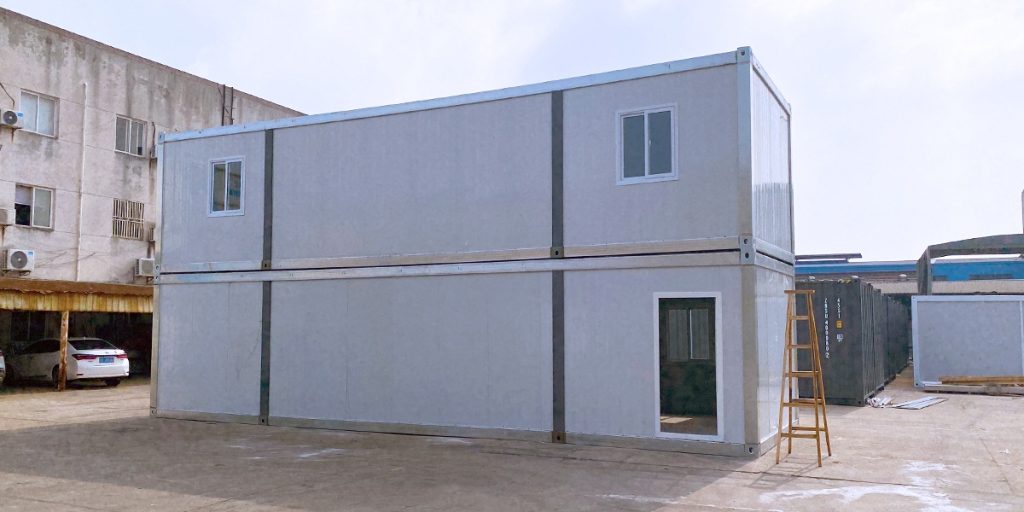
Flat pack small homes combine the advantages of modular construction with compact living principles. These homes are designed in a way that all structural and interior elements are pre-manufactured and packaged flat for easy transport. Once on site, assembly is straightforward and efficient, often requiring less than a week to complete.
What sets flat pack small homes apart is their customization potential. Though small in size, these homes can be tailored to fit a variety of lifestyles—from single professionals needing a cozy urban residence to small families looking for affordable housing solutions. The modularity also allows for expansion, where additional units can be added seamlessly to create larger living spaces as needed.
The structural integrity of flat pack small homes is ensured by using high-quality materials such as galvanized steel frames and insulated sandwich panels. This guarantees durability, insulation efficiency, and weather resistance, making them suitable for a wide range of climates and environments.
Flat Pack Prefab Homes: Revolutionizing the Housing Market
The rise of flat pack prefab homes is reshaping the housing market by offering a fast, affordable, and sustainable alternative to traditional building methods. These homes are manufactured in factories with precise quality control, reducing waste and improving construction timelines.
A defining characteristic of flat pack prefab homes is their modular design, which allows for flexible layouts and easy scalability. They are shipped in compact, flat packages and can be assembled on-site quickly, often within days. This speed of construction is highly beneficial for addressing housing shortages, disaster relief accommodations, or quick expansions of residential or commercial spaces.
In terms of sustainability, flat pack prefab homes frequently incorporate eco-friendly materials and energy-efficient technologies, helping homeowners reduce their carbon footprint and lower utility costs. Their ability to be disassembled and relocated also contributes to waste reduction and long-term resource efficiency.
Flat Pack Homes: A Modern Approach to Living Spaces
The concept of flat pack homes is transforming how people think about home ownership and construction. These homes offer a practical solution to the challenges of cost, time, and environmental impact associated with traditional building methods.
With flat pack homes, the entire construction process—from design to delivery—is streamlined. Each component is precisely manufactured and then shipped flat to minimize transport costs. Once on site, assembly is fast and requires fewer specialized laborers, reducing overall project expenses.
This method is especially suited for those looking to build in remote locations, where conventional construction would be costly and complicated. The flexibility in design means flat pack homes can fit a variety of settings, from urban infills to rural retreats.
Flat Pack Container House: Versatile, Durable, and Sustainable
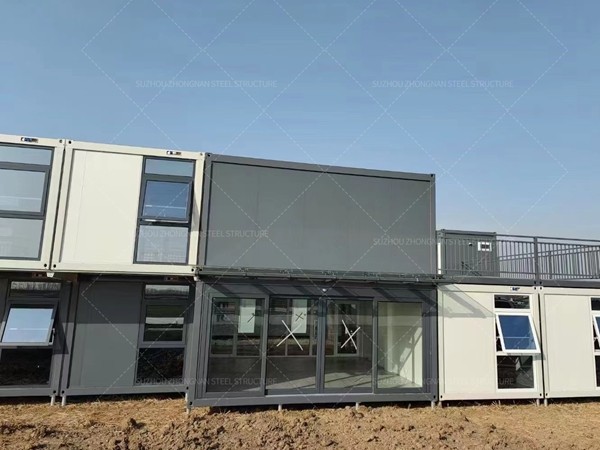
A flat pack container house takes the advantages of modular flat pack construction and combines it with the robust durability of shipping container structures. These homes use high-quality galvanized steel frameworks and insulated sandwich panels that provide excellent thermal performance and weather resistance.
The units typically come in standard 20ft sections, which can be used independently or combined horizontally and vertically to form larger, multi-story homes. The roof and floor sections arrive pre-finished, simplifying the assembly process and significantly reducing on-site labor.
The flexibility of the flat pack container house makes it an attractive solution for a variety of applications—from permanent residences to temporary housing, commercial spaces, and emergency shelters. Their modular nature means they can be customized, expanded, and even relocated with relative ease.
By using recycled materials and minimizing construction waste, flat pack container houses also align with sustainable building practices, making them a forward-thinking choice for environmentally conscious homeowners and developers.
Tiny home flat pack FAQs
What is the difference between a tiny home flat pack and a traditional tiny house?
A tiny home flat pack is delivered as pre-fabricated components that are designed for quick assembly on-site, often within days, whereas traditional tiny houses are usually built entirely on-site or on trailers, taking longer and potentially costing more. The flat pack method allows for better quality control and easier transportation.
How customizable are flat pack small homes?
Flat pack small homes offer a high level of customization. Homeowners can choose layouts, finishes, and even add modular units for expansion. Despite their size, these homes can be designed to meet various lifestyle needs and aesthetic preferences.
Are flat pack prefab homes energy efficient?
Yes, many flat pack prefab homes are built with energy efficiency in mind. They incorporate high-quality insulation materials and can be outfitted with energy-saving technologies like solar panels, LED lighting, and efficient HVAC systems, reducing long-term energy costs.
How long does it take to assemble a flat pack container house?
The assembly time for a flat pack container house depends on the complexity of the design, but simple units can often be assembled in a few days, while larger, multi-story configurations may take several weeks. Pre-finished roofs and floors speed up the process considerably.
Can flat pack homes be used in extreme climates?
Yes, flat pack homes and flat pack container houses can be designed to withstand extreme climates by using appropriate insulation materials such as rockwool or EPS panels and incorporating ventilation systems suited for the local environment. Their steel framework adds structural strength suitable for harsh weather conditions.
Similar Posts

The Modern Standard: Exploring Pre Manufactured Homes for Sale
When you search for pre manufactured homes for sale, you are looking at homes built entirely…
Current Market Trends in Flat Pack Small Homes
In the dynamic housing market, flat pack small homes have emerged as a revolutionary and popular choice. This…
Affordable Shipping Container Homes
Shipping container homes have become a revolutionary solution for those looking for affordable, sustainable, and creative…

Safety Standards in Crate Modular Homes Manufacturing
The global demand for efficient, durable, and rapidly deployable housing solutions has propelled the growth of…
Revolutionary Easy Assemble Houses – Built in Hours, Not Months!
Say goodbye to lengthy construction timelines with our game-changing easy assemble house solutions! These innovative quick assembly homes require no…
Foundation Options for a Modular Container House
The rise of prefabricated and sustainable construction has positioned modular units as a leading solution for…


