



Assemble House Material Preparation List
Embarking on the journey of building an assemble house can be an exciting endeavor, whether you’re considering the innovative approach of how to build container house or pondering how much to build a container home. As a wholesaler, Suzhou Zhongnan Steel Structure Co., Ltd. is here to guide you through the essential material preparation process. A well – planned material list is the cornerstone of a successful assemble house project, ensuring efficiency, cost – effectiveness, and a sturdy final structure. This comprehensive guide will detail the materials needed for various types of assemble houses, with a focus on container – based builds, and offer insights into cost considerations.
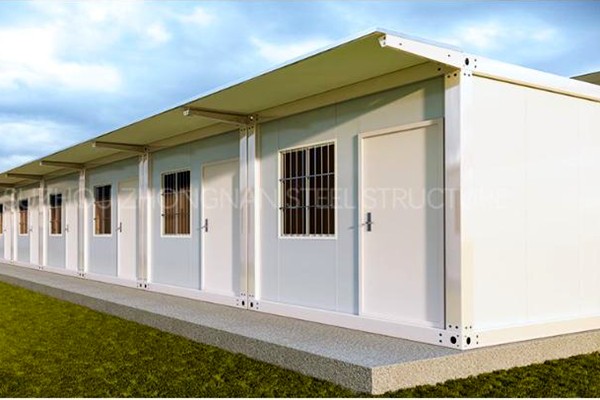
Assemble House Material Preparation List: Laying the Foundation for Success
The Significance of Material Preparation
- Project Efficiency: A detailed material preparation list for an assemble house streamlines the construction process. By having all the necessary materials on – hand, builders can avoid delays caused by missing items, reducing downtime and ensuring that the project progresses smoothly. This is especially crucial when following the steps of how to build container house, where precision and timely access to materials are key.
- Cost Control: Knowing exactly what materials are required helps in accurately estimating how much to build a container home. It prevents over – purchasing, which can lead to unnecessary expenses, and also avoids last – minute, costly purchases of missing items. Suzhou Zhongnan Steel Structure Co., Ltd. understands the importance of cost – effective material procurement and aims to assist customers in making informed decisions.
- Quality Assurance: Selecting the right materials is vital for the quality and durability of the assemble house. High – quality materials ensure that the structure can withstand various environmental conditions and the test of time. With a comprehensive material list, builders can source materials from reliable suppliers, like Suzhou Zhongnan Steel Structure Co., Ltd., to guarantee the integrity of the build.
Impact of Material Selection on the Assemble House
- Structural Integrity: The materials chosen for an assemble house, particularly in the case of container house construction, directly impact its structural integrity. Strong, durable materials for the frame, walls, and roof are essential to support the weight of the structure and withstand external forces such as wind and snow.
- Insulation and Energy Efficiency: Proper insulation materials play a significant role in the energy efficiency of the house. They help regulate indoor temperatures, reducing the need for excessive heating or cooling and ultimately lowering energy costs. This is an important consideration when budgeting for how much to build a container home, as energy – efficient materials may have a higher upfront cost but offer long – term savings.
- Aesthetic Appeal: Materials also contribute to the overall aesthetic of the assemble house. From the exterior cladding to the interior finishes, the right choices can transform a simple container structure into a stylish and inviting home.
Table: Importance of Material Preparation for Assemble Houses
| Aspect | Impact |
| Project Efficiency | Reduces construction delays and downtime |
| Cost Control | Helps in accurate cost estimation and prevents overspending |
| Quality Assurance | Ensures a durable and high – quality final structure |
| Structural Integrity | Supports the weight and withstands external forces |
| Insulation and Energy Efficiency | Regulates temperature and saves on energy costs |
| Aesthetic Appeal | Enhances the visual attractiveness of the house |
Essential Materials for Assemble House Construction
Structural Materials
- Containers (for Container Houses): When building a container house, the shipping containers themselves are the primary structural elements. Suzhou Zhongnan Steel Structure Co., Ltd. offers a variety of high – quality shipping containers in different sizes and conditions. New containers provide a clean slate with minimal wear, while used containers can be a more cost – effective option, provided they are inspected for structural integrity. The thickness of the container steel, usually around 1.6 – 2.0 mm, affects the strength and durability of the container house.
- Steel Framing: For non – container – based assemble houses or for additional support in container builds, steel framing is often used. Galvanized steel is a popular choice due to its corrosion resistance. The size and gauge of the steel beams and studs depend on the design and load – bearing requirements of the house. Larger spans may require heavier – duty steel members to ensure stability.
- Foundation Materials: A solid foundation is crucial for any assemble house. Concrete blocks, poured concrete slabs, or helical piers are common foundation options. The choice depends on factors such as soil conditions, local building codes, and the weight of the structure. For container houses, concrete slabs are often preferred as they provide a flat, stable surface for placing the containers.
Wall and Roof Materials
- Insulated Panels: Insulated panels are ideal for both walls and roofs in assemble houses. They offer excellent thermal insulation, reducing heat transfer and improving energy efficiency. Panels come in various materials, such as polyurethane (PU) and polystyrene (EPS), with different thicknesses to meet specific insulation requirements. These panels also provide a quick and easy installation process, speeding up the construction of the assemble house.
- Exterior Cladding: Exterior cladding materials not only protect the structure from the elements but also enhance its appearance. Options include metal siding, fiber – cement boards, wood panels, and vinyl siding. Metal siding is durable, low – maintenance, and suitable for a modern look, while wood panels can add a warm, rustic charm to the assemble house.
- Roofing Materials: For the roof, materials like metal roofing sheets, asphalt shingles, or rubber membranes can be used. Metal roofing is lightweight, long – lasting, and offers good resistance to weather conditions. Asphalt shingles are a more traditional and cost – effective option, while rubber membranes provide a seamless, waterproof solution, especially for flat or low – slope roofs in container houses.
Interior Finishing Materials
- Drywall or Plasterboard: Drywall is commonly used for interior walls in assemble houses. It provides a smooth surface for painting or wallpapering and is relatively easy to install. Different thicknesses of drywall are available, with thicker boards offering better soundproofing and durability.
- Flooring Materials: Flooring options range from laminate and vinyl planks, which are budget – friendly and easy to install, to hardwood, tile, and carpet for a more luxurious feel. In container houses, moisture – resistant flooring materials are often preferred due to the potential for condensation.
- Doors and Windows: High – quality doors and windows are essential for security, ventilation, and natural light. Options include aluminum – framed windows, vinyl windows, and solid – core or hollow – core doors. Energy – efficient windows with double – or triple – glazing can significantly improve the energy performance of the assemble house.
Material Preparation for How to Build Container House
Container – Specific Materials
- Container Modification Supplies: When converting shipping containers into houses, specific materials are needed for modifications. This includes tools and materials for cutting and welding the container walls and floors to create openings for doors, windows, and interior partitions. Welding rods, angle grinders, and metal cutting blades are essential items in this process.
- Sealing and Weatherproofing Materials: To ensure the container house is waterproof and airtight, sealing and weatherproofing materials are crucial. Silicone sealants, weatherstripping, and waterproof membranes are used to seal gaps around doors, windows, and any penetrations in the container. This helps prevent water leakage and air infiltration, maintaining a comfortable indoor environment.
- Insulation for Containers: Shipping containers can get very hot in summer and cold in winter without proper insulation. Spray – foam insulation, rigid foam boards, or fiberglass batts can be used to insulate the container walls, floors, and ceilings. Insulation not only regulates temperature but also reduces noise transmission, making the container house more comfortable.
Cost – Related Considerations in Container House Building
- Container Acquisition Costs: The cost of shipping containers is a significant factor in how much to build a container home. New containers are generally more expensive, while used containers can vary in price depending on their condition, size, and age. Suzhou Zhongnan Steel Structure Co., Ltd. offers a range of container options at competitive prices, helping customers find the best fit for their budget.
- Modification and Conversion Costs: The materials and labor required for modifying the containers add to the overall cost. Complex modifications, such as creating large open spaces or adding multiple levels, will increase expenses. By carefully planning the design and using cost – effective modification materials, customers can manage these costs effectively.
- Additional Material Costs: In addition to container – specific materials, other construction materials for the interior and exterior finishes also contribute to the total cost. Choosing more affordable yet quality materials for flooring, cladding, and insulation can help keep the project within budget while still achieving a satisfactory result.
Assemble House FAQS
What are the most cost – effective materials for an assemble house?
For an assemble house, several cost – effective materials can be considered. Used shipping containers are a great option for container house construction, as they are typically more affordable than new ones while still providing a sturdy structure. In terms of insulation, fiberglass batts are often less expensive compared to spray – foam insulation and can still offer decent thermal performance. For interior finishes, laminate flooring and vinyl planks are budget – friendly options that mimic the look of more expensive materials. Additionally, choosing simple, mass – produced exterior cladding materials like metal siding can help keep costs down without sacrificing durability. Suzhou Zhongnan Steel Structure Co., Ltd. can provide these cost – effective materials and offer advice on how to optimize your material choices for your assemble house project.
How do I determine the quantity of materials needed for my assemble house?
To determine the quantity of materials needed for your assemble house, start by creating a detailed floor plan and design. Measure the dimensions of the walls, floors, and roof accurately. For example, if you’re building a container house and using insulated panels for the walls, calculate the surface area of each wall section to determine the number of panels required. For flooring materials, measure the total floor area and add a small percentage (usually 5 – 10%) for waste and cuts. For structural materials like steel framing, refer to the engineering plans or consult with a professional to determine the appropriate lengths and quantities based on the load – bearing requirements. Suzhou Zhongnan Steel Structure Co., Ltd. can also assist with material quantity calculations, especially for products sourced from the company, ensuring you order the right amount for your assemble house project.
Can I use recycled materials in my assemble house construction?
Yes, you can use recycled materials in your assemble house construction. In fact, using recycled materials is not only environmentally friendly but can also be cost – effective. For example, recycled wood can be used for interior trim, shelving, or even as accent walls in a container house. Recycled metal can be repurposed for structural elements or decorative features. However, it’s important to ensure that recycled materials meet the necessary quality and safety standards. When using recycled materials, inspect them carefully for any damage, rot, or structural weaknesses. Suzhou Zhongnan Steel Structure Co., Ltd. can also provide guidance on how to incorporate recycled materials effectively into your assemble house design while maintaining the integrity and durability of the structure.
What materials should I prioritize for energy efficiency in my assemble house?
For energy efficiency in an assemble house, prioritize high – quality insulation materials. Insulated panels with a high R – value, such as polyurethane or phenolic foam panels, are excellent choices for walls, roofs, and floors as they significantly reduce heat transfer. Double – or triple – glazed windows with low – E coatings can prevent heat loss in winter and heat gain in summer, improving the energy performance of the house. Additionally, air – sealing materials like weatherstripping and sealants are crucial to prevent drafts. For heating and cooling systems, consider energy – efficient options such as mini – split heat pumps. By focusing on these materials and systems, you can build an energy – efficient assemble house, whether it’s a container house or another type of prefabricated structure, and reduce your long – term energy costs. Suzhou Zhongnan Steel Structure Co., Ltd. offers a range of energy – efficient materials to support your sustainable building goals.
How do I ensure the quality of materials for my assemble house?
To ensure the quality of materials for your assemble house, start by sourcing materials from reputable suppliers like Suzhou Zhongnan Steel Structure Co., Ltd. Check for product certifications and quality standards compliance, such as ISO certifications for steel products or energy – efficiency ratings for insulation materials. When the materials are delivered, inspect them thoroughly for any signs of damage, defects, or incorrect specifications. For example, check the thickness and uniformity of steel framing, the integrity of insulation panels, and the finish of exterior cladding. If possible, request samples of materials before making a large – scale purchase to assess their quality. By taking these steps and working with a reliable supplier, you can be confident in the quality of the materials used in your assemble house construction, whether you’re following the steps of how to build container house or constructing another type of prefabricated home.
A well – prepared material list is the key to a successful assemble house project, whether you’re exploring how to build container house or calculating how much to build a container home. By carefully considering the structural, insulation, and finishing materials required, and sourcing them from a trusted provider like Suzhou Zhongnan Steel Structure Co., Ltd., you can ensure efficiency, cost – effectiveness, and a high – quality final structure. Understanding the importance of each material and making informed choices based on your project’s needs and budget will lead to a rewarding and durable assemble house that meets your expectations.
Similar Posts

Flat Pack Container House Unique Design Challenges
At ZN House, our purpose is clear: Building Mobile Homes For The World. Founded in 2005…

Folding Container House Office Designs: Revolutionizing Workspaces with Ingenuity
The modern office landscape is shedding its static skin. As businesses embrace flexibility, remote work, and…
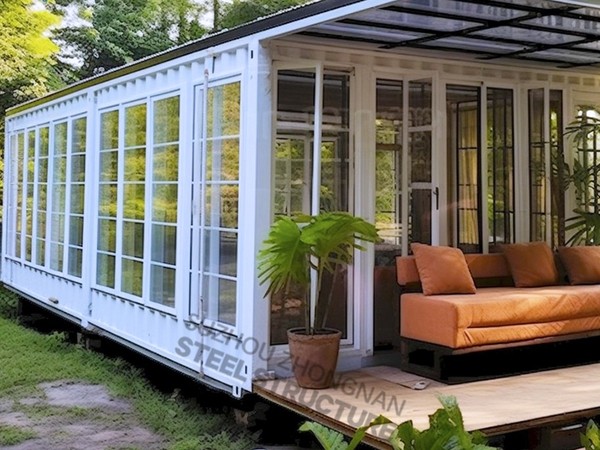
Explore the Benefits of Modular Container Houses
In today’s fast-paced world, the demand for versatile and cost-effective living solutions is on the rise….
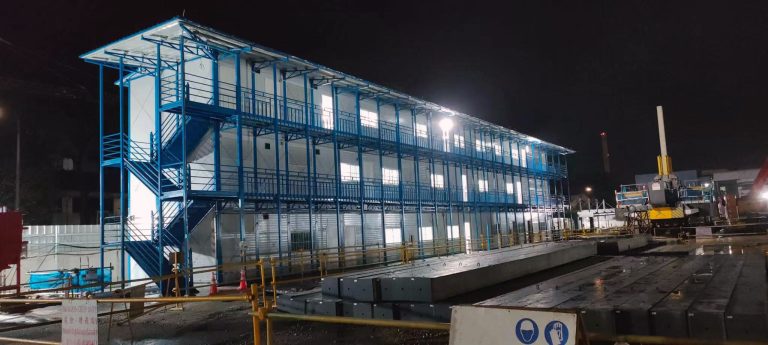
Reliable Container Homes Manufacturer Solutions
In recent years, the demand for affordable and flexible housing has grown rapidly worldwide. A container…
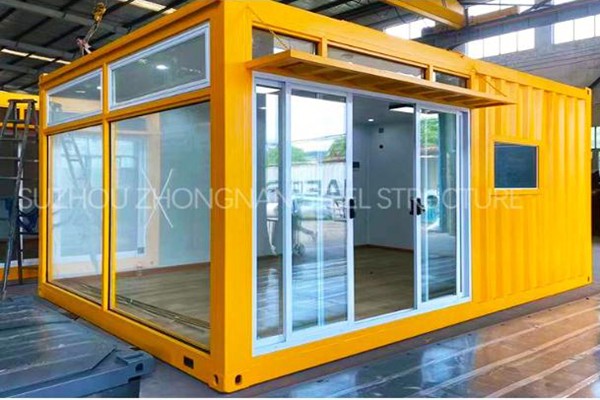
Shipping Container Houses: A Sustainable and Affordable Housing Solution
In today’s fast-paced world, many individuals and families are seeking alternative housing options that are affordable,…
Flat Pack House DIY Build Difficulty Levels
The global shift toward affordable, sustainable housing has propelled flat pack house systems into mainstream construction. These prefabricated…


