



Eco-Friendly Features In Modern Assemble Container Houses
In an era defined by climate urgency and resource consciousness, the quest for sustainable living solutions has never been more critical. Enter the innovative world of assemble container houses – a revolution in construction that seamlessly blends environmental responsibility with modern design and remarkable efficiency. At the forefront of this green building movement stands ZN House, a pioneer founded in 2005 in Suzhou. Driven by the purpose of “Building Mobile Homes For The World,” ZN House identified a significant gap in the market for high-quality, safe, and adaptable housing solutions. Starting with modular designs, the company has grown into a global force, exporting its meticulously engineered assemble house solutions to over 50 countries through a network of 30+ international agents. ZN House embodies a team-driven ethos, collaborating relentlessly to deliver container building solutions that prioritize both people and the planet. This article explores the compelling eco-friendly features that make modern easy assemble house options not just a practical choice, but a powerful statement for sustainable living.
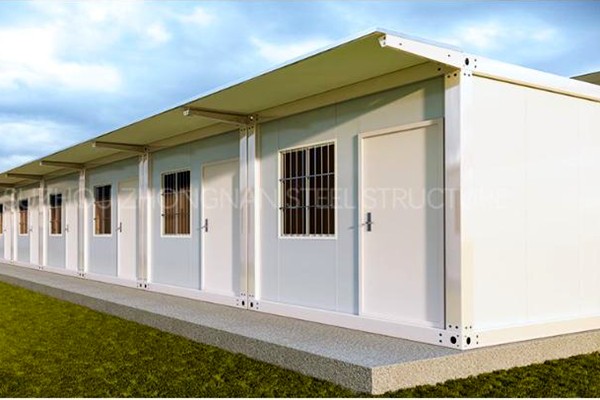
The Rise of the Modern Assemble Container House
The traditional construction industry is a notorious contributor to global carbon emissions, resource depletion, and landfill waste. Assemble container houses emerged as a radical counterpoint, transforming decommissioned shipping containers – robust steel structures originally designed for global transit – into the foundations for habitable spaces. This concept evolved beyond mere recycling into sophisticated, purpose-built modular units. Modern assemble house designs are no longer limited to utilitarian boxes; they represent a fusion of architectural creativity, engineering precision, and deep ecological awareness. Companies like ZN House, entering the market with a clear vision for quality and safety, have propelled this evolution. They recognized early that the inherent strengths of container-based construction – durability, modularity, and mobility – could be harnessed to create homes and buildings with a drastically reduced environmental footprint. The shift wasn’t just about reusing steel; it was about reimagining the entire lifecycle of a building, from sourcing materials to construction processes, energy consumption, and eventual decommissioning. The modern assemble container house is thus a symbol of adaptive reuse and intelligent design, turning an abundant industrial resource into the cornerstone of sustainable communities, disaster-resilient shelters, and energy-efficient commercial spaces worldwide. It represents a conscious move away from the linear “take-make-dispose” model towards a circular economy in the built environment.
Advantages of Choosing an Assemble House
Opting for an assemble house, particularly one based on container technology, offers a compelling array of benefits, with environmental stewardship being paramount. These advantages stem from core design principles and material choices:
Inherent Resource Efficiency & Waste Reduction: The fundamental structure repurposes existing steel (in the case of recycled containers) or utilizes efficiently manufactured new steel modules. This drastically cuts the demand for virgin resources like timber, concrete, and bricks, whose extraction and processing are energy-intensive and ecologically damaging. Modular construction in a controlled factory setting ensures precise cutting and assembly, minimizing on-site construction waste – a major issue in traditional building. Off-cuts and excess materials can be systematically recycled within the factory.
Energy Efficiency Integration: Modern assemble container houses are designed as thermal envelopes. High-performance insulation (like spray foam, rigid panels, or advanced mineral wool) is seamlessly integrated within the walls, roof, and floor during factory assembly. This creates a tight building envelope that drastically reduces heat loss in winter and heat gain in summer, leading to significantly lower energy demands for heating and cooling compared to many conventional buildings. This efficiency is further enhanced by strategic window placement and high-quality, double or triple-glazed units.
Reduced Construction Footprint: The “easy assemble house” principle shines here. Significant portions of the structure are built off-site. This translates to:
Less Site Disturbance: Shorter on-site construction times mean reduced disruption to local ecosystems, soil compaction, and habitat destruction.
Lower Emissions: Fewer truck deliveries of multiple raw materials and less on-site machinery operation (like concrete mixers) lead to substantially lower carbon emissions and air pollution during the building phase.
Water Conservation: Minimal water usage on-site compared to traditional methods involving concrete pouring, mortar mixing, and plastering.
Durability & Longevity: The robust steel structure of an assemble house provides exceptional resistance to extreme weather (wind, rain, snow), pests (termites, rodents), and fire. This inherent durability means a longer building lifespan with less frequent need for major repairs or replacements, conserving resources over the long term. Steel is also 100% recyclable at the end of its life, closing the loop.
Foundation Flexibility: Assemble container houses often require less invasive, lighter foundations than traditional brick-and-mortar buildings. Options like concrete piers, screw piles, or compacted gravel beds minimize excavation, soil removal, and concrete use, further reducing the environmental impact on the building site.
Here’s a summary of the key advantages driving the popularity of easy assemble house solutions:
| Advantage | Key Features | Environmental Benefit |
| Modular Design | Pre-fabricated components built off-site; standardized connections. | Minimizes on-site waste; enables efficient transport; simplifies future expansion/reuse. |
| Steel Structure | High-strength, durable frames (recycled or new steel); resistant to elements. | Long lifespan; recyclable; reduces need for virgin timber/concrete; pest/fire resistant. |
| Quick Assembly | Rapid on-site installation; minimal heavy machinery; reduced labor time. | Lowers construction emissions (transport, machinery); less site disturbance & noise pollution. |
| Durability | Engineered for harsh conditions; low maintenance requirements. | Reduced resource consumption for repairs; longer usable life; resilience to climate events. |
| Environmental Friendliness | High-performance insulation; integration of solar/wind; rainwater harvesting potential. | Significantly lowers operational energy use; promotes renewable energy; conserves water. |
How Easy Assemble Houses are Revolutionizing Sustainable Living
The “easy assemble house” concept is more than just a fast build; it’s a catalyst for widespread adoption of sustainable living practices. The inherent eco-friendly features of these structures empower individuals and communities to significantly reduce their environmental impact:
Renewable Energy Synergy: The modular, often flat-roofed design of assemble container houses is ideal for seamless integration with solar photovoltaic (PV) panels. ZN House and similar innovators design structures with this in mind, incorporating conduit pathways and structural reinforcements during the factory build. This allows homeowners to generate clean electricity, drastically reducing reliance on fossil fuels and lowering operational carbon footprints. Similarly, small-scale wind turbines can be incorporated into designs for suitable locations.
Water Conservation Systems: The compact nature and thoughtful design of assemble house units facilitate the integration of rainwater harvesting systems. Gutters and downspouts can channel rainwater into storage tanks for non-potable uses like irrigation or toilet flushing, reducing demand on municipal supplies or wells. Greywater recycling systems can also be more easily incorporated into the modular design, further conserving precious water resources.
Sustainable Material Choices: Beyond the core steel structure, the interior and exterior finishes of modern easy assemble house options prioritize eco-friendly materials. This includes:
Recycled Content: Countertops made from recycled glass or composite materials, insulation from recycled denim or cellulose, and flooring from reclaimed wood or recycled rubber.
Rapidly Renewable Resources: Bamboo flooring and cabinetry (a highly renewable grass), cork insulation and flooring, and linoleum (made from natural materials like linseed oil and wood flour).
Low-VOC Finishes: Paints, sealants, and adhesives with low or zero volatile organic compounds (VOCs) ensure healthier indoor air quality and reduce off-gassing pollution.
Passive Design Principles: Architects designing assemble container houses leverage passive solar heating and natural ventilation. Strategic window placement (maximizing south-facing glazing in the Northern Hemisphere) captures winter sun, while carefully designed overhangs provide summer shading. Cross-ventilation layouts promote natural cooling, reducing the need for energy-intensive air conditioning. The thermal mass of the steel structure, when properly insulated, also helps regulate internal temperatures.
Mobility & Adaptive Reuse: The fundamental portability of assemble house modules minimizes the environmental cost of relocation. If a homeowner needs to move, the entire house can often be transported, avoiding demolition waste and the resource consumption of building anew. At the end of its primary use, the steel structure is inherently valuable scrap, readily recycled into new steel products. Alternatively, individual modules can be easily repurposed for entirely different functions, extending their useful life indefinitely.
The versatility of the assemble container house platform allows it to serve diverse sustainable needs across multiple sectors:
| Application | Use Cases | Sustainability Impact |
| Residential Use | Primary homes, vacation cabins, backyard offices (ADUs), eco-villages. | Provides energy-efficient, healthy living spaces; reduces individual carbon footprint; uses sustainable materials. |
| Commercial Use | Pop-up shops, cafes, offices, clinics, classrooms, workspaces. | Enables low-impact business expansion; ideal for temporary or semi-permanent needs; reduces commercial construction waste. |
| Industrial Use | Site offices, equipment shelters, guard houses, portable labs, storage. | Durable, secure, and quickly deployable solutions for remote sites; minimizes permanent land disturbance. |
| Disaster Relief Use | Emergency housing, medical facilities, command centers, community hubs. | Provides rapid, dignified shelter after crises; reusable and relocatable; crucial for resilient community infrastructure. |
FAQs about Assemble Container Houses
We understand you may have questions about embracing the assemble container house lifestyle. Here are answers to some of the most common queries:
What are the key advantages of an assemble container house?
The primary advantages are multifaceted: Environmental Friendliness (reduced waste, recyclability, energy efficiency), Speed and Efficiency (significantly faster build time than traditional construction), Cost-Effectiveness (often lower overall costs, especially with reduced labor and site time), Exceptional Durability (steel structure resists pests, fire, and harsh weather), and Remarkable Design Flexibility. The modular nature allows for easy customization and future expansion, making assemble container houses incredibly adaptable to your evolving needs.
How quickly can an easy assemble house be installed?
The speed is a major benefit! While site preparation (foundation, utilities) takes time, the actual on-site assembly of a prefabricated easy assemble house is remarkably fast. Depending on the size and complexity of the design, core modules can often be positioned, connected, and made weather-tight within days or a few weeks. This is a fraction of the time required for traditional stick-built construction, minimizing disruption and allowing you to occupy your sustainable home much sooner. Factory production of the modules happens concurrently with site prep, optimizing the overall timeline.
Are assemble houses customizable for specific needs?
Absolutely! Customization is a core strength of modern assemble house solutions. Forget the image of a plain metal box. Reputable providers offer extensive options: Layout Design (open-plan, multi-room, multi-story configurations), Exterior Finishes (siding, cladding, roofing, colors), Interior Finishes (flooring, cabinetry, countertops, fixtures), Window and Door Styles & Placement, and crucially, Eco-Upgrades (solar panel readiness, enhanced insulation types, rainwater systems, sustainable material choices). This ensures your assemble container house perfectly reflects your aesthetic preferences and functional requirements while maximizing sustainability.
What makes easy assemble houses eco-friendly?
Easy assemble houses embody sustainability throughout their lifecycle: Material Use (Recycling existing containers or using efficiently produced new steel, incorporating recycled/renewable interior materials), Construction Process (Minimal on-site waste, reduced transportation emissions, less energy/water used on-site), Operational Efficiency (Superior insulation and tight envelopes drastically cut heating/cooling energy needs), Renewable Integration (Easy solar/wind installation), Water Conservation (Rainwater harvesting potential), and End-of-Life (Steel is 100% recyclable). This holistic approach delivers a significantly lower environmental footprint compared to conventional building.
Why choose an assemble container house over traditional building?
Choosing an assemble container house offers compelling benefits over traditional construction: Speed (Move in faster), Cost (Often more budget-friendly overall), Sustainability (Smaller ecological footprint, as detailed above), Strength & Safety (Robust steel structure), Flexibility (Easy to modify, expand, or relocate), and Innovation (Embrace cutting-edge, eco-conscious design). It represents a modern, efficient, and responsible approach to creating durable, comfortable, and unique living or working spaces tailored for the future.
Building Your Sustainable Future with ZN House
The modern assemble container house is far more than a trend; it’s a tangible solution to the pressing environmental challenges of our time. By embracing modular design, innovative materials, and efficient construction processes exemplified by the easy assemble house, we can dramatically reduce the ecological burden of the built environment. The inherent advantages – resource efficiency, energy savings, reduced waste, durability, and adaptability – make assemble house options a powerful choice for the environmentally conscious individual, family, or business.
ZN House, driven by its mission of “Building Mobile Homes For The World” since 2005, stands ready to partner with you on this journey. With years of global expertise, a commitment to quality and safety, and a deep understanding of sustainable design principles, ZN House transforms the concept of the assemble container house into your reality. Whether you seek a serene eco-home, a dynamic commercial space, a resilient industrial solution, or critical disaster relief shelter, the fusion of innovation and environmental responsibility is within reach. Explore the possibilities of an easy assemble house and take a definitive step towards a lighter footprint and a more sustainable future. Contact ZN House today to discover how your vision for green living can be built.
Similar Posts
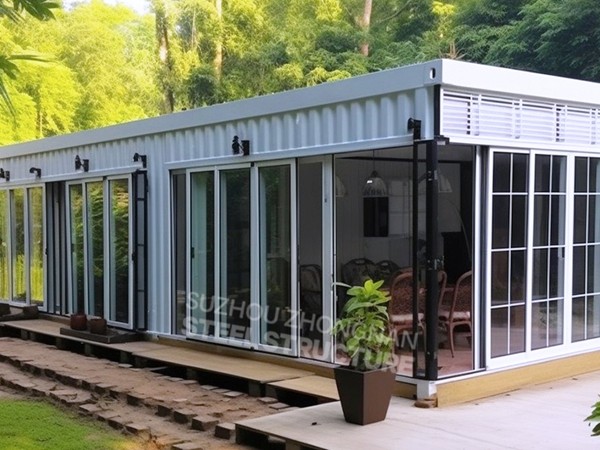
Easy Assemble House: Innovation and Challenges in Residential Modes
Easy Assemble House, As the name suggests, it refers to a house that is quickly built…
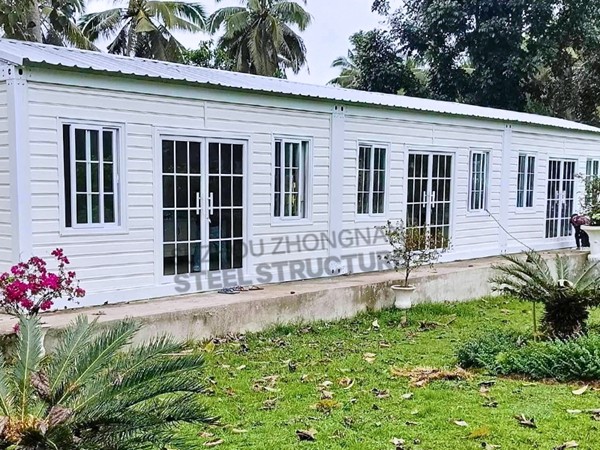
Modular Container House: Standardization, Sustainability, and the Potential for Future Living
Modular Container House, as an emerging form of architecture, is increasingly receiving attention from the construction…
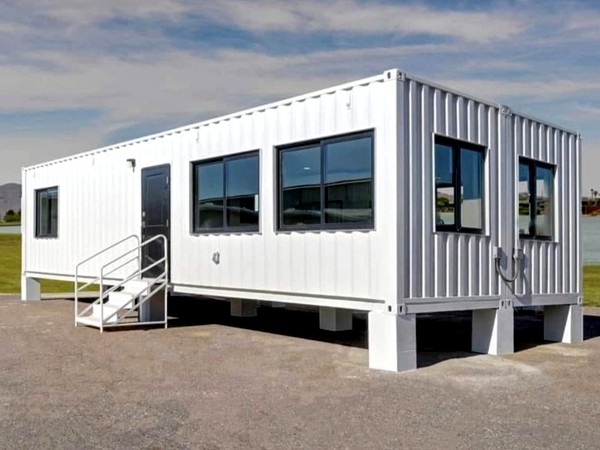
Custom Shipping Container Builders 3D Printing
In the ever-evolving landscape of construction, 3D printing technology has emerged as a game-changer, especially for…
Flat Pack Houses, Homes & Container Houses: Design Focus
The global construction industry is undergoing a radical transformation with the rising demand for efficient, sustainable,…

From Industrial to Lube: Transforming Shipping Container Buildings
The evolution of converted shipping containers into luxurious living spaces has redefined modern architecture. What began as simple…
Prefab vs Modular Homes: What’s the Difference
If you have been looking into modern housing, you definitely came across the words “prefab” and…


