



Best Container Dormitory Solutions for Construction Worker Housing
Introduction
The success or failure of construction projects can hinge on speed of execution, productivity of the workforce and control of costs. Among the most common issues faced by contractors today at active job sites is that there is insufficient worker accommodation; there simply isn't enough housing near construction project site locations, and the price of renting is on the rise along with an ever-increasing number of poor quality living conditions. Many contractors are also faced with extended schedules to construct permanent camps for workers.
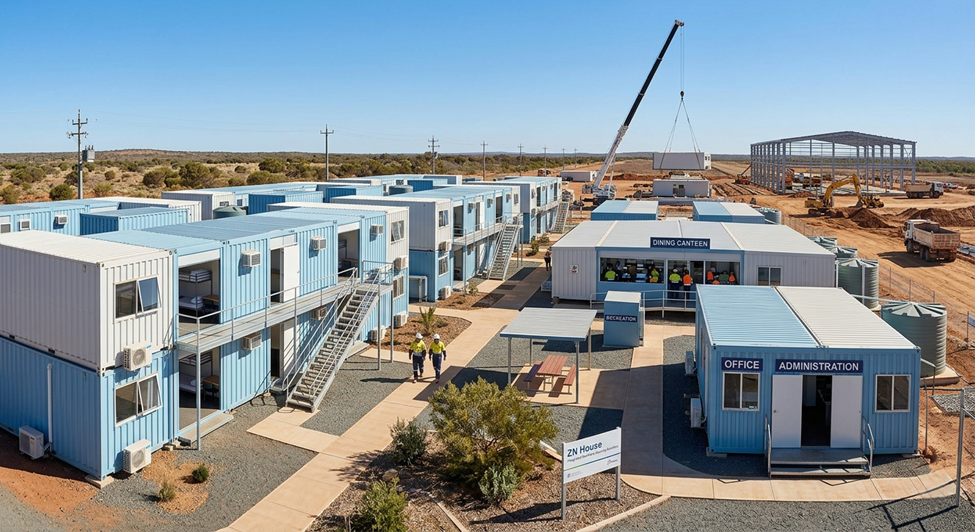
This problem becomes even more difficult as construction is taking place in remote areas, mining regions, and during the construction of infrastructure projects. In addition to the location of where construction is taking place, traditional construction worker housing typically involves extensive site preparations, lengthy schedule timelines, and high labor costs prior to a single worker being able to move into their accommodations. The result will usually lead to construction delays, budget constraints, and inefficient operations.
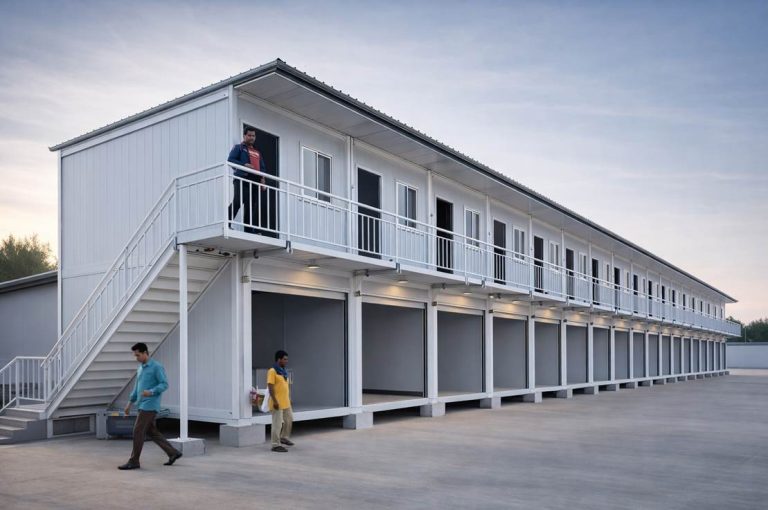
Because of the above-mentioned challenges, many developers, EPC contractors and project managers have begun utilizing container dormitory solutions as their preferred method for providing worker accommodations at construction sites. Container modules are manufactured for quick installation, comfortable living and scalable growth. Instead of developing an entirely new building, companies can have ready-to-install dormitories, bathhouses, offices and utility systems in a fraction of the time compared to traditional methods of construction.
ZN House manufactures project scale modular housing systems to enable clients to rapidly and efficiently address their workforce accommodation issues. Whether you are looking for 50-person camps or compounds with 1,000 or more employees, container dormitories provide a viable and affordable solution for your company's future.
What Are Container Dormitory Solutions for Construction Sites?
A container dormitory is a type of modular housing solution using pre-fabricated steel-framed units. These composed of containers can be transported, assembled, expanded, or moved with changing employment and/or project requirements.
Often considered to be more than just an individual dormitory room or container cabin; a genuine housing solution for workers includes:
- Dormitory units – sleeping rooms for workers, supervisors, or managers
- Bathroom modules – showers, toilets, laundry, and hygiene facilities
- Office modules – site administration, HR, meetings, security control
- Dining facilities – canteen, kitchen, storage, break rooms
- Utility infrastructure – power, water, drainage, HVAC, internet
This comprehensive method enables contractors to provide a fully functional living space where people work, instead of having individual temporary shelters located all over the place.
ZN House produces pre-fabricated building units consisting of metal frames, insulated walls, and electrical/plumbing systems so they can put together their products in a much shorter amount of time while guaranteeing a higher level of quality.
Why Choose Container Dormitories for Construction Worker Housing?
Fast Deployment
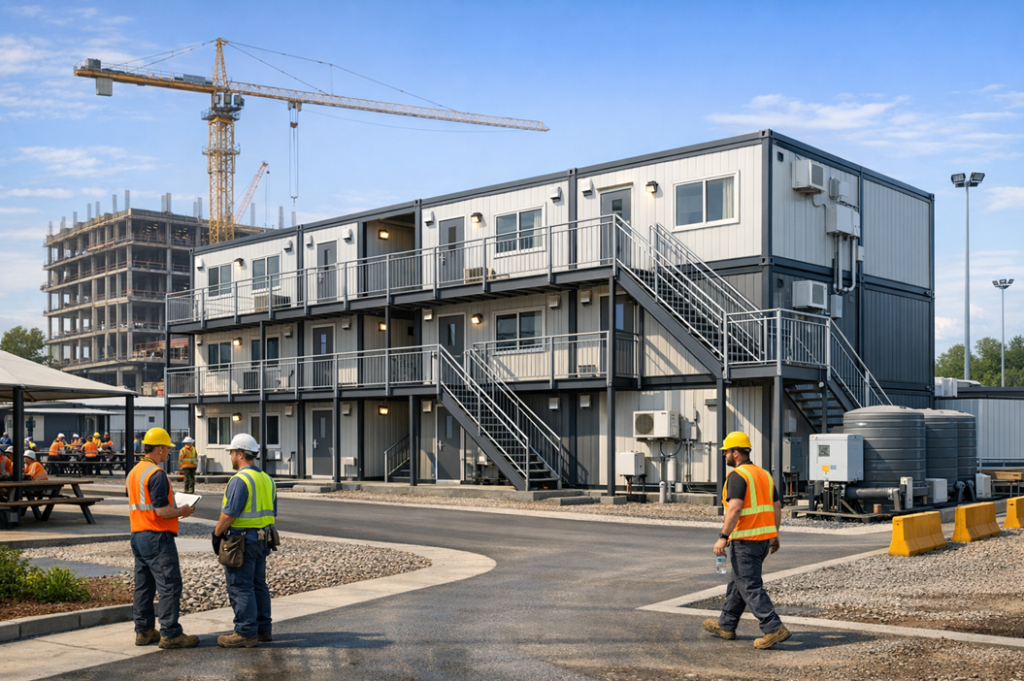
Most of the modules are made before they are delivered and most of the work that is done on site relates to installing foundations and other works to prepare a building to accept modules (i.e. to be raised, connected, and commissioned). As a result of this mechanization the completion of dormitory construction is greatly reduced in time.
Cost Efficiency
Many modular dormitory construction projects require less labor, produce less waste, and take less time than traditional masonry buildings do. The speed at which modular dormitories can be occupied also allows an earlier start date for revenue-generating operations than would otherwise be possible.
Scalability
Do you need more rooms next month? As the number of workers grows, more units can be added in stages.
Mobility
Instead of being left behind, units can be moved to the next site when the project is over.
Standardized Quality
Factory production makes sure that materials, finishes, and compliance are more consistent than they would be in temporary buildings that are built on the spot.
Better Worker Welfare
Comfort, morale, and productivity all go up when insulation, ventilation, sanitation, and organized layouts are done right.
Key Components of a Container Dormitory Camp
A planned system is what makes a container worker camp work. Most of the time, the core components are:
Sleeping Units: The camp's heart. There are different types of rooms available, such as private supervisor rooms and shared worker rooms with bunk beds, wardrobes, desks, and climate control.
Bathroom & Sanitation Blocks: There are dedicated modules for toilets, handwashing, showering, and laundry; they will help keep the space healthy and reduce overcrowding.
Dining / Kitchen Area: Safe meal prep areas and comfortable dining areas are both necessary for workers. With centralized kitchens and canteens, you can be more productive.
Office & Management Units: Site managers require places to conduct staff meetings, to develop operational plans, to store and access organizational records, and to see or record events taking place on the property.
Power & Water Systems: Electric distribution, water supply, waste disposal, generators, and Internet all need to be reliable utilities. Camps have all of these utilities and sometimes have more than one of each.
Welfare & Recreation Areas: Enhancing workforce wellbeing can be accomplished by providing long-term camps with amenities such as lounges, medical rooms, prayer rooms, or exercise areas.
Instead of just supplying stand-alone boxes, ZN House promotes the planning of integrated camps.
How Much Does a Container Dormitory Cost?
Costs will vary depending on the size of the container house, insulation level, region, finishes, utilities, and number of units required. Typical budgeting can range within the following examples and may not always apply to container homes.
| Cost Item | Typical Range |
| Standard dormitory unit | $3,500 – $12,000+ |
| Premium insulated unit | $8,000 – $18,000+ |
| Cost per worker bed space | $800 – $4,000+ |
| Bathroom module | $4,000 – $15,000+ |
| Shipping / logistics | Depends on destination |
What Impacts Price?
- Room occupancy (2-person vs 6-person)
- Wall panel thickness
- HVAC systems
- Plumbing requirements
- Fire safety compliance
- Multi-story layout
- Freight distance
- Local installation labor
Cost Advantage
When considering total project costs, construction time, and future usage, modular camp lodging types typically cost between 30% and 50% less than the traditional dormitory type. For an accurate price, you will need to request a custom quote taking into consideration the number of workers, location of the job site, and length of time for the job.
How to Design a Container Dormitory Layout for Construction Sites?
Good layout planning improves both efficiency and comfort.
2-Person Rooms
In terms of workers/functions, these design features benefit engineers, supervisors, and employees who have worked with you long term.
Advantages:
- Privacy
- Reduced Noise
- Improved Quality of Rest
4-Person Rooms
A balanced option for many mid-size projects.
Advantages:
- Efficient use of space
- Moderate privacy
- Lower cost per person
- A balanced option for many mid-size projects.
6-Person Rooms
Useful for short-term or high-density camps.
Advantages:
- Lowest cost per bed
- Maximum capacity
Design Considerations
Airflow: Ensure continuous air flow through the use of windows and exhaust fans, as well as HVAC systems.
Routing: Provide a clear path for movement and loading luggage with the necessary space at the emergency exits.
Comfort Levels: Provide insulation, natural daylight, durable flooring, and soundproofing when it's possible.
Safety Features: Fire-rated materials and smoke/heat detectors, fire extinguisher equipment, and clearly marked exit paths are required.
If possible, an experienced supplier will help to optimize occupancy levels without compromising the ability to live in the space.
Container Dormitories vs. Traditional Worker Housing
| Feature | Container Dormitory | Traditional Housing |
| Cost | Lower | Higher |
| Construction Time | Fast | Slow |
| Flexibility | High | Low |
| Mobility | Yes | No |
| Expansion | Easy | Difficult |
| Reuse Value | High | Low |
| Site Disruption | Minimal | Higher |
Summary
Traditional buildings may suit permanent developments, but for project-based housing, container dormitories usually provide better speed, flexibility, and return on investment.
Real-World Applications of Container Dormitories in Construction Projects
Remote Projects
Roads, bridges, pipelines, and energy developments occur in remote areas due to their lack of access to urban areas. Providing on-site accommodation will reduce commute time and enables full-time employment for those working at these sites.
Mining Sites
Mining camps require durable housing in harsh climates. Modular units can include dining halls, offices, clinics, and recreation areas.
Infrastructure Construction
Scalable workforce housing is often necessary for rail, airport, port, and industrial projects because they expand as phases continue.
Disaster Recovery & Emergency Housing
Modular housing provided by ZN House has been used previously all over the world under many different types of climate and project conditions.
Rapid deployable home units can be used to provide temporary shelter for disaster relief workers and displaced families from natural disasters.
Challenges and How to Solve Them
Insulation
Problem: Excessively hot summers and/or cold winters can lead to reduced comfort within our buildings.
Solution: Use PIR or rock wool insulated sandwich panels, designed with the right thickness (for the roof and walls).
Ventilation
Problem: Crowded rooms or offices create a feeling of stuffy conditions.
Solution: Install windows, extractor fans and HVAV systems.
Durability
Problem: Heavy usage and harsh environment subject an item to an increased amount of wear and tear.
Solution: Use galvanized steel frames; apply anti-corrosive coatings, use the most durable finishes available on the market.
Utilities
Problem: Access to utilities (electricity, water, sewage) may be limited due to being located in a remote area.
Solution: Use generators, water tanks, septic systems, and modular mechanical, electrical and plumbing designs.
Compliance
Problem: Local codes/regulations will vary; compliance can be a challenge when working with international customers.
Solution: Work with a supplier who has experience working with different countries’ regulations/standards.
How to Choose the Right Container Dormitory Solution?
Use this checklist before buying:
- Project Scale – How many total workers?
- Number of Workers per Room – Density targets?
- Duration of Use – 6 months or 10 years?
- Climatic Environment – Desert, tropical, cold region, coastal?
- Utility Access – Existing water and power?
- Transport Conditions – Easy road access or remote delivery?
- Compliance Needs – Fire, labor, safety, local code?
- Future Relocation Plans – Reuse on future projects?
The best supplier will help turn these requirements into a practical camp master plan.
FAQ – Container Dormitories for Construction Sites
How many workers can a container dormitory accommodate?
Container accommodation is determined primarily by the configuration of the container as well as its dimensions. Each individual unit can sleep between 2-8 people depending on the occupancy configuration, but a full camp could hold many hundreds/thousands of people.
Is a container dormitory suitable for long-term projects?
Yes. For long-term worker housing, choose higher insulation, better finishes, robust HVAC, and well-planned communal facilities.
What is the cost per person for container dormitory housing?
Per-cost per person can vary widely based upon how many beds are shared in a room or suite. It is therefore common to see shared rooms decrease the cost per bed, sometimes substantially.
Are container dormitories comfortable?
Yes, if design, insulation materials, a good amount of cross ventilation, clean amenities, correctly sized beds, appropriate room layouts all contribute to higher-quality container dormitory experiences.
Can container dormitories be relocated?
Yes. Mobility of container dormitory is one of the main benefits. Units can generally be unassembled or relocated to upcoming projects.
Conclusion
In response to the need for rapid, efficient, scalable, and cost-effective workforce housing in the modern construction industry, Container Dormitory Solutions have become the go-to solution for contractors, EPC firms, government purchasers, and industrial developers alike. ontainer dormitories provide faster installation, lower overall costs, ease of expansion, and reuse benefits compared to more traditional forms of housing. They can accommodate all types of work – from short-term projects to multi-year infrastructure projects; from mining camps to emergency response operations.
ZN House specializes in providing modular accommodation systems at the project level designed to meet the demands of real-world job-site operations.
Ready to Plan Your Worker Camp?
- Get a free dormitory layout design
- Request a quotation
- Contact our team for a custom solution
Similar Posts

How Rock Wool Insulation Impacts the Temperature of Container Mining Camps
Container rock wool insulation plays a vital role in container mining camps in stabilizing and keeping...
Demountable Buildings vs. Permanent Modular Construction: What's the Difference?
Demountable and permanent modular constructions are the same in the sense that they use prefab methods....
What Is Modular Construction?
Modular construction is basically a method of making homes or any other type of structures. The...
Benefits of Prefab Houses
Prefab houses come with all standard equipment and are designed to be simple yet cost-efficient solutions...

Revolutionary Modular Living Space Solutions
In today's architectural field, modular construction is transforming traditional building methods with its unique advantages. As...
Quickly Build 20FT Container House
A 20 feet container house is a very desirable type of housing that can be constructed...


