



Building Regulations for Shipping Container Buildings
In the realm of modern construction, shipping container buildings, including converted shipping containers and shipping container cabin, have gained significant traction due to their cost – effectiveness, durability, and sustainability. However, navigating the building regulations associated with these structures is crucial for ensuring compliance and safety. Suzhou Zhongnan Steel Structure Co., Ltd., a leading provider in the prefabricated construction industry, understands the importance of adhering to regulations and offers insights to help wholesalers guide their clients through the process.
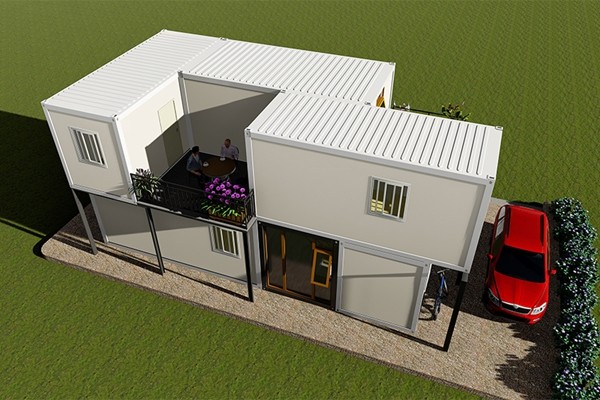
Zoning and Land Use Regulations for Shipping Container Buildings
- Different regions have specific zoning laws that dictate how land can be used and what types of structures are permitted. When planning to build shipping container buildings, it is essential to determine whether the intended location is zoned for the proposed use, such as residential, commercial, or industrial. For example, some areas may restrict converted shipping containers from being used as permanent residences in certain zones. Wholesalers should assist clients in researching local zoning maps and regulations to ensure that their projects are in compliance. Additionally, land use regulations may include requirements regarding setbacks from property lines, lot size, and the number of structures allowed on a single property. Understanding and adhering to these regulations from the outset helps avoid costly delays and legal issues down the line.
- In some cases, special permits or variances may be required for shipping container buildings. This could be due to the unique nature of the structures or if they deviate from traditional building standards. For instance, if a client wants to use a shipping container cabin as a vacation home in an area with strict building codes, they may need to apply for a variance to allow for the non – conventional construction. Suzhou Zhongnan Steel Structure Co., Ltd. can provide technical documentation and support to help clients make a strong case for obtaining the necessary approvals. Wholesalers should educate their clients on the application process for these permits, including the required documentation, fees, and review timelines.
- Some localities may have specific regulations regarding the appearance and aesthetics of shipping container buildings to maintain the visual harmony of the neighborhood. This can include requirements for painting the containers in certain colors, adding cladding or siding to disguise the container’s original appearance, or conforming to specific architectural styles. While these regulations may seem restrictive, they can enhance the marketability of the shipping container buildings and ensure acceptance by the community. Wholesalers can offer design suggestions and materials that meet these aesthetic requirements while still showcasing the unique features of converted shipping containers and shipping container cabin.
Structural and Safety Regulations for Converted Shipping Containers
- Converted shipping containers must meet strict structural requirements to ensure they can safely support the intended loads and withstand environmental forces. The steel frames of shipping containers are generally robust, but modifications such as cutting large openings for windows and doors can weaken the structure. Therefore, proper engineering and reinforcement are necessary. Suzhou Zhongnan Steel Structure Co., Ltd. employs experienced engineers who can assess the structural integrity of converted shipping containers and design appropriate reinforcement solutions. This may involve adding steel beams, braces, or plates to maintain stability. Wholesalers should emphasize the importance of professional engineering to their clients to avoid potential structural failures and ensure the safety of occupants.
- Safety regulations for converted shipping containers cover various aspects, including fire safety, electrical safety, and accessibility. Fire safety measures may include the installation of fire – resistant materials, proper insulation, and the provision of adequate fire exits. Electrical systems must be installed by licensed electricians and comply with local electrical codes to prevent electrical hazards. Additionally, converted shipping containers used as living spaces need to meet accessibility standards, such as providing wheelchair – accessible entrances and pathways if required. Wholesalers should work with reliable contractors and suppliers who are familiar with these safety regulations to ensure that all converted shipping containers meet the necessary standards.
- In areas prone to natural disasters such as earthquakes, hurricanes, or floods, additional structural and safety regulations may apply to converted shipping containers. For example, in earthquake – prone regions, containers may need to be anchored to the foundation to prevent movement during seismic activity. In flood – prone areas, the elevation of the containers above the flood level and the use of flood – resistant materials are crucial. Suzhou Zhongnan Steel Structure Co., Ltd. can provide guidance on how to adapt converted shipping containers to meet these specific disaster – related regulations, helping wholesalers offer products that are suitable for a wide range of geographical locations and environmental conditions.
Plumbing and Electrical Regulations for Shipping Container Cabin
- Plumbing regulations for shipping container cabin require proper design and installation of water supply, drainage, and waste disposal systems. These systems must be connected to the municipal water and sewer lines (if available) or designed for alternative water sources and septic systems. The pipes used in shipping container cabin should be of high – quality materials that are resistant to corrosion and freezing. Additionally, proper venting of the plumbing system is essential to prevent sewer gas from entering the living space. Wholesalers should recommend experienced plumbers who are knowledgeable about the unique challenges of plumbing in shipping container cabin, such as limited space and the need for compact fixtures.
- Electrical regulations govern the installation of electrical wiring, outlets, switches, and lighting fixtures in shipping container cabin. All electrical work must be performed by licensed electricians and comply with local electrical codes. This includes using the appropriate wire gauges, installing ground fault circuit interrupters (GFCIs) in wet areas, and ensuring proper grounding of the electrical system. In some cases, shipping container cabin may be off – grid, requiring the installation of alternative energy systems such as solar panels or wind turbines. Suzhou Zhongnan Steel Structure Co., Ltd. can provide information on electrical system design and integration for both on – grid and off – grid shipping container cabin, enabling wholesalers to offer comprehensive electrical solutions to their clients.
- Regular inspections of the plumbing and electrical systems in shipping container cabin are often required by building regulations to ensure continued compliance and safety. Wholesalers should inform their clients about the importance of these inspections and help them schedule regular maintenance to prevent potential problems. This can include checking for leaks in the plumbing system, testing the functionality of electrical outlets and switches, and maintaining the performance of alternative energy systems. By adhering to plumbing and electrical regulations and performing regular maintenance, shipping container cabin can provide reliable and safe living or working environments.
Shipping Container Buildings FAQS
What are the first steps to ensure compliance when building shipping container buildings?
- The first steps involve researching local zoning and land use regulations to determine if the intended location and use of the shipping container buildings are permitted. Then, consult with Suzhou Zhongnan Steel Structure Co., Ltd. or a professional engineer to assess the structural requirements and plan any necessary modifications to converted shipping containers. Finally, contact local building authorities to understand the permit application process and the specific regulations related to plumbing, electrical, and safety systems for shipping container buildings.
Can I make modifications to converted shipping containers without violating regulations?
- Modifications to converted shipping containers can be made, but they must be done in accordance with building regulations. This usually requires proper engineering design and reinforcement to maintain structural integrity. It is essential to obtain the necessary permits before making any significant modifications, such as cutting large openings or adding additional floors. Suzhou Zhongnan Steel Structure Co., Ltd. can assist in designing and implementing compliant modifications.
How do building regulations for shipping container cabin differ from traditional buildings?
- Building regulations for shipping container cabin may have some unique aspects due to the non – conventional nature of the structures. For example, there may be specific requirements regarding the adaptation of the container’s steel frame for residential use, the integration of utilities in a compact space, and the handling of potential thermal bridging issues. However, many fundamental regulations related to safety, such as fire safety and electrical safety, are similar to those for traditional buildings and must be strictly adhered to.
What happens if I build shipping container buildings without complying with regulations?
- Building shipping container buildings without complying with regulations can result in serious consequences. This may include fines, orders to halt construction, or even the requirement to demolish the non – compliant structure. Non – compliance can also pose safety risks to occupants and may lead to difficulties in obtaining insurance or selling the property in the future. It is crucial to ensure full compliance with all relevant building regulations from the beginning of the project.
Does Suzhou Zhongnan Steel Structure Co., Ltd. offer assistance with regulatory compliance for shipping container buildings?
- Yes, Suzhou Zhongnan Steel Structure Co., Ltd. offers extensive assistance with regulatory compliance for shipping container buildings. They provide regulatory expertise, technical documentation, and can offer guidance on working with local authorities. Their support helps wholesalers and their clients navigate the complex regulatory landscape and ensure that all shipping container buildings, converted shipping containers, and shipping container cabin projects are compliant and successful.
Similar Posts
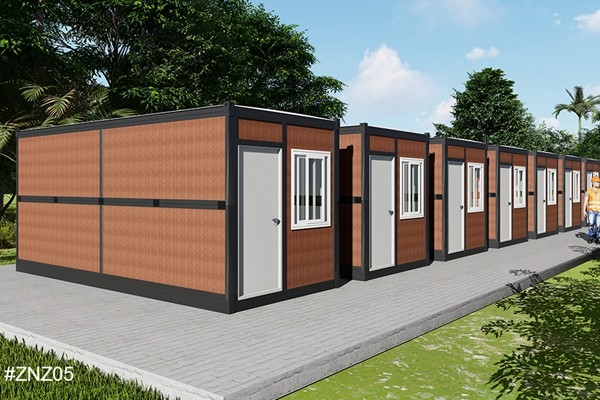
The Future of Flexible Living: Foldable Container Homes
The housing market is undergoing a shift, and foldable container houses are leading the charge in this…
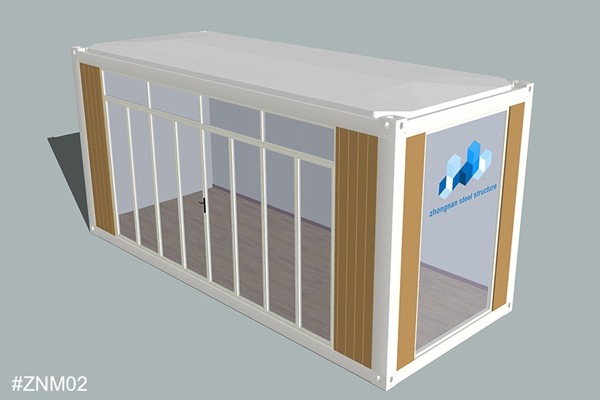
Easy Assemble House Perfect for Temporary or Emergency Housing
In the face of urgent housing needs during emergencies or for temporary projects, Suzhou Zhongnan Steel…

Shipping Container Fold Out Homes Modular Expansion System
In the global modular housing supply chain, wholesalers need a partner that blends innovative space-saving design,…
From Box to Home: How Quick Assembly Homes Are Solving Housing Crises
In an era where housing shortages and the need for rapid, sustainable solutions are becoming increasingly…
The Best Materials for Easy-to-Assemble House
Easy-to-assemble houses are revolutionizing modern living by offering cost-effective, sustainable, and quick housing solutions. Whether you…
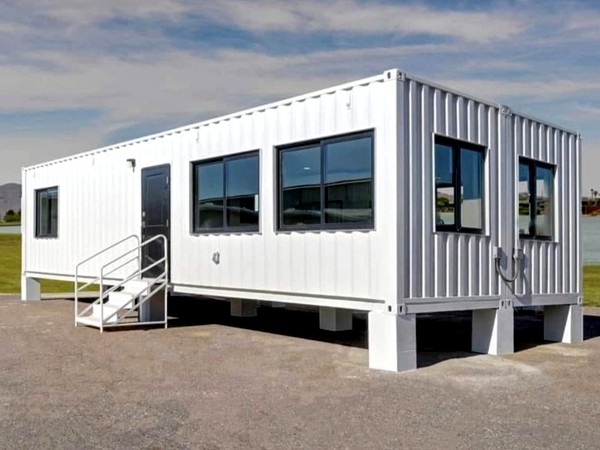
Soundproofing and Insulation in Modular Shipping Container Homes
The rise of modular shipping container homes has revolutionized urban and rural living by combining industrial aesthetics…


