



Building Smarter Cities with Prefab House Technology
The rapid growth of urban populations has intensified the demand for scalable, cost-effective housing solutions. Double wide manufactured homes for sale are emerging as a cornerstone of modern urban planning, offering spacious living areas at a fraction of the cost of traditional construction. These homes, constructed in factories and assembled on-site, drastically reduce build times and minimize waste. For cities grappling with overcrowding and rising property prices, double wide manufactured homes provide a lifeline—delivering quality housing that aligns with the budgets of middle-income families.
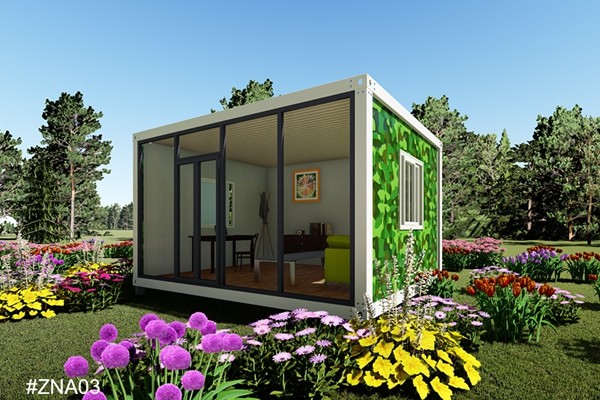
The modular design of affordable prefab homes allows for rapid deployment in high-density areas. Unlike conventional buildings, which require months of on-site labor, prefabricated units can be installed in weeks. This efficiency is critical for municipalities aiming to address homelessness or accommodate sudden population surges caused by migration or disasters. Additionally, the standardized production of prefab houses ensures consistent quality control, reducing risks associated with weather delays or contractor errors.
Beyond affordability, double wide manufactured homes are highly customizable. Buyers can choose layouts, finishes, and energy-efficient features tailored to their needs. This flexibility makes them ideal for diverse urban demographics, from young professionals seeking minimalist designs to retirees prioritizing accessibility. As cities prioritize inclusivity, affordable prefab homes are redefining what it means to live comfortably in urban environments.
Innovative Design and Sustainability in Prefab Container Houses
The rise of prefab container houses exemplifies how industrial materials can be repurposed for sustainable urban development. Shipping containers, once relegated to ports, are now transformed into stylish, durable homes through modular engineering. These structures are inherently resilient—built to withstand harsh conditions during transcontinental shipping—making them perfect for urban settings prone to extreme weather.
Prefab container houses also champion circular economy principles. By upcycling decommissioned containers, cities reduce construction waste and lower carbon footprints. The steel frames of these homes are 100% recyclable, and their compact design minimizes land use, preserving green spaces in densely populated areas. For eco-conscious urban planners, prefab container houses offer a dual benefit: addressing housing shortages while advancing sustainability goals.
Moreover, the adaptability of prefab houses extends to mixed-use developments. Stacked or clustered container units can create vertical neighborhoods with integrated retail spaces, coworking hubs, or community gardens. This multifunctional approach aligns with the “15-minute city” concept, where residents live, work, and socialize within a compact radius. By blending residential and commercial spaces, prefab container houses foster vibrant, self-sufficient communities.
Affordable Prefab Homes: Bridging the Gap Between Quality and Cost
The stigma surrounding prefabricated housing—often associated with flimsy structures—has been dismantled by advancements in affordable prefab homes. Modern engineering techniques, such as cross-laminated timber (CLT) and insulated concrete forms (ICF), ensure these homes rival traditional builds in durability and thermal performance. For instance, prefab houses with ICF walls can achieve 50% greater energy efficiency, slashing utility bills for urban dwellers.
Financial accessibility remains a key strength. Affordable prefab homes typically cost 20–30% less than site-built equivalents, thanks to streamlined manufacturing and bulk material purchasing. This affordability is amplified by government incentives in many regions, such as tax breaks or grants for energy-efficient prefab units. For first-time homeowners or low-income families, these savings make urban living attainable without compromising safety or comfort.
The speed of deployment further enhances their appeal. A prefab house can be completed in 3–6 months, compared to 12–18 months for conventional homes. This rapid turnaround is invaluable for cities recovering from crises, such as earthquakes or economic downturns, where timely housing solutions stabilize communities and stimulate local economies.
Integrating Prefab House Technology into Smart City Infrastructure
Smart cities thrive on interconnected systems, and prefab house technology is evolving to integrate seamlessly with IoT-enabled urban infrastructure. Imagine double wide manufactured homes equipped with solar panels, smart meters, and rainwater harvesting systems—all monitored via centralized energy grids. These features not only reduce residents’ environmental impact but also contribute to city-wide renewable energy targets.
Prefab container houses are also at the forefront of digital innovation. Built-in sensors can monitor air quality, temperature, and structural integrity in real time, alerting occupants and city managers to potential issues. In disaster-prone areas, this technology enhances resilience by enabling swift responses to floods or earthquakes. Furthermore, 5G-compatible prefab houses support remote work and telehealth services, aligning with the demands of a digitally driven society.
Urban planners are leveraging affordable prefab homes to create “pop-up” neighborhoods that adapt to shifting demographics. For example, modular student housing near universities can be disassembled and relocated as enrollment fluctuates. Similarly, temporary prefab container houses can serve as emergency shelters during crises before being repurposed into permanent residences. This agility ensures cities remain dynamic and responsive to future challenges.
FAQs: Building Smarter Cities with Prefab House Technology
Are double wide manufactured homes durable in urban climates?
Yes! Double wide manufactured homes are built to meet stringent federal housing codes, ensuring resilience against urban stressors like pollution, noise, and temperature fluctuations.
Can prefab container houses be expanded over time?
Absolutely. The modular design of prefab container houses allows homeowners to add units vertically or horizontally as their needs evolve.
How energy-efficient are affordable prefab homes?
Many affordable prefab homes achieve net-zero energy status through features like triple-pane windows, solar panels, and advanced insulation systems.
Do prefab houses require special foundations?
While some prefab houses use standard concrete foundations, others employ innovative pier systems that reduce soil disruption and costs.
Can I customize the interior of a prefab container house?
Yes—prefab container houses offer endless customization options, from open-concept layouts to smart home integrations tailored to urban lifestyles.
Ready to revolutionize your city’s housing landscape? Explore our premium range of double wide manufactured homes for sale, prefab container houses, and affordable prefab homes at https://znsshouse.com/ . Engineered for durability, sustainability, and smart living, our products empower cities to build faster, greener, and smarter. Contact us today to request a catalog or consult with our experts—your vision for a sustainable urban future starts here!
Similar Posts

Folding Container House Space Expansion Tech
In the ever – evolving landscape of modern construction and housing solutions, folding container house technologies have emerged…
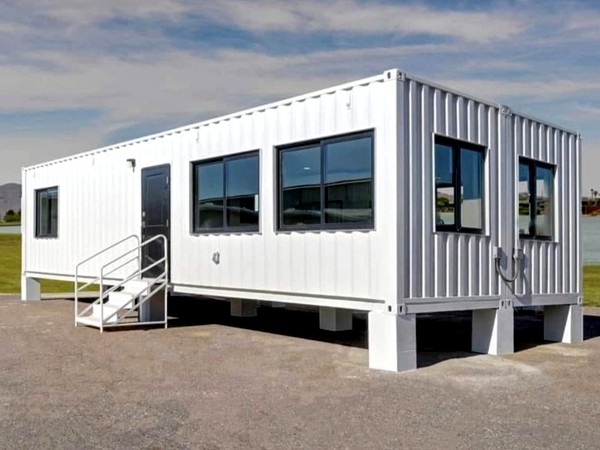
Sustainable Living with Shipping Container Homes
As the world continues to look for ways to make living spaces more sustainable and eco-friendly,…
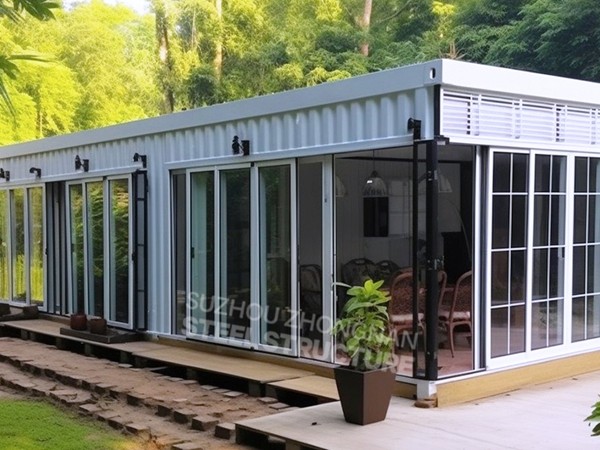
Easy Assemble House: Innovation and Challenges in Residential Modes
Easy Assemble House, As the name suggests, it refers to a house that is quickly built…
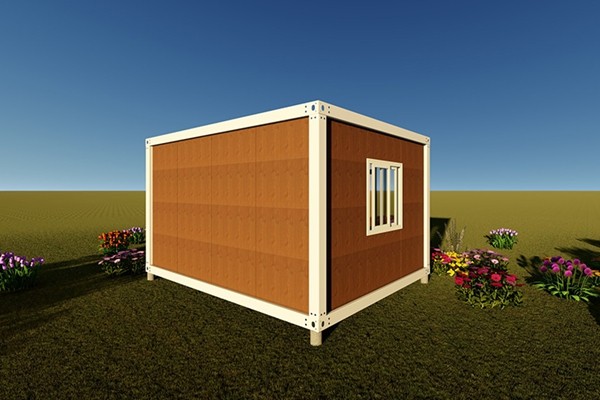
Convenience and Affordability of Flat Pack Homes
Transform your living experience with our innovative Flat Pack House solutions. Designed for efficiency, affordability, and ease of…

Large Shipping Container Homes: Spacious & Sustainable Living
The quest for innovative, eco-conscious housing has transformed retired steel giants into the foundation of modern…
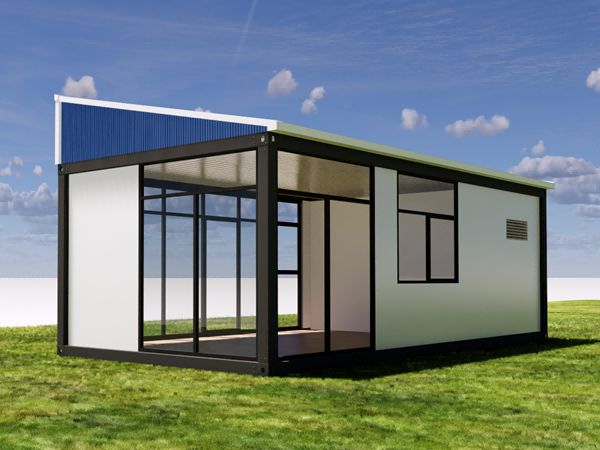
Cheap Prefabricated Houses Pre Built Tiny for Sale
In the current housing market, the pursuit of cost – effective yet quality housing has become…


