



Deploying Prefab Homes as Medical Clinics in Crisis Zones
In crisis zones—whether due to natural disasters, pandemics, or conflict—the need for rapid medical infrastructure is critical. New manufactured homes, particularly those designed as prefab container homes, are revolutionizing how healthcare services are delivered in these urgent scenarios. Unlike traditional brick-and-mortar clinics, these structures can be transported and assembled within days, providing immediate shelter and operational spaces for medical teams. The steel-framed design ensures durability, while modular components allow for scalability. For instance, multiple prefab container homes can be linked to create larger facilities, accommodating triage areas, patient wards, and even surgical units.
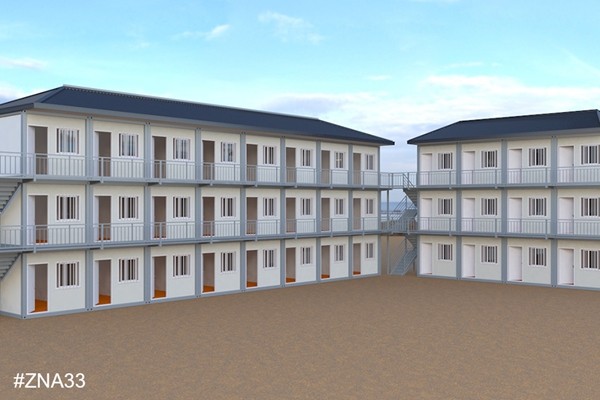
The adaptability of new manufactured homes also addresses the unpredictability of crisis environments. Their lightweight yet robust construction enables deployment in remote or disaster-stricken regions with limited infrastructure. Additionally, the use of sandwich panels—filled with fire-resistant rock wool or cost-effective EPS—ensures thermal insulation and safety. This combination of speed, flexibility, and resilience makes prefab container homes indispensable in saving lives during the golden hours of emergency response.
Structural Advantages of Steel-Framed Prefab Homes
At the core of custom manufactured homes lies their steel structure, which offers unparalleled strength-to-weight ratios. This framework supports the integration of walls and roofs made from sandwich panels, a feature that enhances both functionality and ease of assembly. The rock wool or EPS insulation within these panels not only regulates indoor temperatures but also provides acoustic privacy—a crucial factor in medical settings where patient confidentiality and comfort are paramount.
Moreover, steel structures in prefab container homes are inherently resistant to pests, mold, and corrosion, ensuring longevity even in harsh climates. These clinics can be disassembled, relocated, and reused, reducing waste and operational costs over time. For organizations working in crisis zones, the ability to repurpose custom manufactured homes for different missions—such as transitioning a post-disaster clinic into a long-term community health center—adds significant value. The structural integrity of these buildings also meets international safety standards, making them a reliable choice for NGOs and governments alike.
Tailoring Solutions with Custom Manufactured Homes
One of the standout features of custom manufactured homes is their ability to be tailored to specific medical needs. Unlike one-size-fits-all solutions, these structures can incorporate specialized layouts, such as isolation rooms for infectious disease control or reinforced zones for housing sensitive medical equipment. Electrical systems, plumbing, and ventilation can be pre-installed during manufacturing, minimizing on-site setup time. For example, clinics designed with affordable prefab homes technology often include solar panel compatibility, ensuring uninterrupted power supply in off-grid areas.
The customization extends to aesthetics and cultural sensitivity. Exterior finishes can be adapted to blend with local architecture, fostering community trust. Interior spaces can be configured to accommodate cultural practices, such as separate waiting areas for men and women in certain regions. By integrating these nuances, custom manufactured homes become more than temporary shelters—they transform into culturally competent healthcare hubs that respect the dignity of affected populations.
Cost-Effectiveness of Affordable Prefab Homes in Global Health Initiatives
Budget constraints are a recurring challenge in crisis response, but affordable prefab homes offer a financially viable alternative to conventional construction. The streamlined manufacturing process reduces labor and material costs, while bulk production further drives down expenses. For instance, a prefab container home clinic can cost up to 40% less than a permanent facility of similar size, freeing up resources for medical supplies and staffing.
The economic benefits of affordable prefab homes also apply to long-term deployments. Their modular design allows incremental expansion as funding becomes available, avoiding the need for large upfront investments. Additionally, the reduced construction timeline translates to earlier operational readiness, which is critical in curbing disease outbreaks or treating trauma cases swiftly. For humanitarian agencies operating on tight budgets, these homes represent a sustainable investment that maximizes impact per dollar spent.
FAQs about Prefab Container Homes
How long does it take to install a prefab container home clinic?
Most prefab container homes can be assembled within 3–7 days, depending on site preparation and complexity.
Are prefab container home clinics suitable for extreme weather conditions?
Yes. Steel structures with rock wool insulation withstand temperatures from -40°C to 120°C, making them ideal for diverse climates.
Can custom manufactured homes include medical-grade facilities?
Absolutely. Customizations like sterile rooms, oxygen pipelines, and UV sterilization systems can be integrated during manufacturing.
What is the lifespan of an affordable prefab home clinic?
With proper maintenance, these structures last 25–30 years, even with frequent relocations.
How do I transport prefab clinics to remote areas?
Units are designed for easy shipping via truck, ship, or helicopter. Flat-pack options reduce logistical challenges.
Our new manufactured homes and prefab container homes are engineered to meet the urgent demands of global health crises. With rapid deployment, unmatched durability, and customizable features, they empower organizations to deliver care where it’s needed most. Visit https://znsshouse.com/ today to explore our catalog of affordable prefab homes and custom manufactured homes—because every second counts in saving lives. Partner with us to build a healthier, more resilient world.
Similar Posts
Financing Options for Manufactured Homes
The demand for manufactured homes, including prefab container house and versatile prefab house models, has surged globally, driven…

Space Efficient Folding Container Home Solutions
Contemporary architecture embraces revolutionary container foldable house technology that maximizes spatial functionality. These innovative structures merge cutting-edge engineering…
Material Selection for Manufactured Homes
In the booming market of the construction industry, the selection of materials for prefab container house,…
Quick Assembly Homes in Modern Construction
The concept of quick assembly homes has revolutionized the construction industry by transforming standard shipping containers into…
Modern Architectural Designs in Prefab Cabins for Sale
In the dynamic realm of real estate, prefab cabins for sale are redefining the concept of cozy…

Fold Out Container House Architectural Versatility
Fold Out Container House Architectural Versatility has revolutionized adaptive architecture by enabling container homes to transform…


