



Discover Smart Living With a Prefab House
Efficient Construction for Modern Needs With Prefab Homes
In today’s fast-paced world, building quickly without compromising quality is more important than ever. That’s why more developers, governments, and homeowners are turning to the benefits of a prefab house. Designed off-site and assembled on location, prefab homes offer efficient construction, reduced waste, and affordable flexibility that traditional building methods simply can’t match.
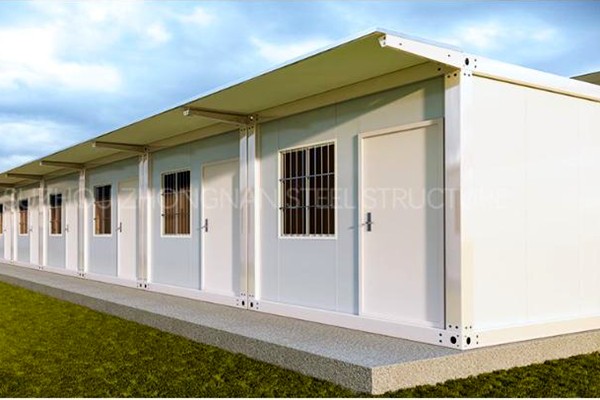
A prefab house is a building constructed from pre-manufactured components, usually steel frames and insulated sandwich panels. These components are fabricated in a controlled factory environment, ensuring consistent quality, faster production, and minimal material waste. Once delivered to the site, the house can be assembled quickly—making it ideal for time-sensitive projects.
Prefab homes are widely used in a range of settings including disaster relief housing, temporary offices, construction site dormitories, and even permanent family residences. Their ability to adapt to different environments while maintaining comfort and structural integrity is what makes them a smart choice in both urban and remote regions.
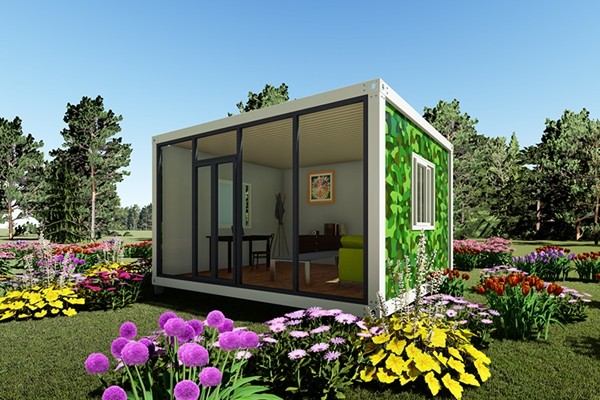
Why Manufactured Homes Are Gaining Popularity
In recent years, manufactured homes have evolved significantly in both design and application. These homes are not the simple mobile units of decades past. Instead, they are precision-built structures that meet modern housing standards, offering the same durability, comfort, and aesthetic appeal as conventional buildings.
A manufactured home is built almost entirely in a factory and then transported to its final location for assembly. This production method reduces construction time, lowers labor costs, and enhances quality control. Every component, from structural steel frames to insulation and wiring, is meticulously produced under rigorous standards.
One of the key reasons manufactured homes are gaining traction is their affordability. With housing prices on the rise in many parts of the world, these homes offer a cost-effective alternative that doesn’t sacrifice quality or livability. Additionally, because they are modular, they can be expanded or reconfigured easily, giving homeowners and developers more flexibility in space planning.
The Advantages of Pre Fabricated Homes in Urban Development
As cities continue to grow, the demand for quick and sustainable housing solutions is surging. Pre fabricated homes offer a solution that balances speed, quality, and sustainability—making them ideal for large-scale housing projects, emergency accommodation, or transitional shelters.
Unlike traditional builds that rely on on-site labor and unpredictable weather conditions, pre fabricated homes are assembled in controlled environments. This results in significantly faster project completion and more consistent construction quality. Once completed, the components are transported to the build site and connected with bolts, rivets, and other secure fastening systems.
These homes often feature energy-efficient materials like EPS (expanded polystyrene) or rock wool insulation, helping to reduce operational energy costs. The design is also highly customizable, allowing for variations in layout, cladding, roofing style, and finishes. From single-unit dwellings to multi-level modular buildings, pre fabricated homes are reshaping the future of residential construction.
Finding the Right Prefab House for Sale
Whether you’re looking to develop worker accommodations, temporary schools, or remote healthcare facilities, the right prefab house for sale can deliver both functionality and cost-efficiency. Leading manufacturers offer a variety of models tailored to specific use cases—ranging from compact living pods to spacious multi-room units.
When searching for a prefab house for sale, consider the structure’s frame material, insulation type, wind and snow load resistance, and ease of transportation. Most prefab models are made with lightweight yet sturdy steel structures, making them easy to ship in flat-packed form. This not only reduces logistics costs but also makes the installation process simple and fast.
A high-quality prefab house for sale typically comes with modular components that can be disassembled and reused or expanded later on. This makes them particularly appealing to construction firms or event organizers that require mobile yet durable infrastructure. In many cases, these units can be installed in less than a day with a small crew and minimal equipment.
Future-Proofing With Sustainable Prefab Homes
Sustainability has become a non-negotiable requirement in the construction industry. Prefab homes are leading the charge in eco-conscious building practices by minimizing waste, conserving energy, and utilizing recyclable materials. Their factory-based production process is optimized for efficiency, meaning less environmental disruption and more predictable resource use.
In terms of design, many prefab homes now incorporate features like solar panel integration, rainwater harvesting systems, and natural ventilation. The use of eco-friendly insulation materials further contributes to energy savings and indoor comfort. Even the ability to relocate or repurpose a prefab house adds to its sustainable appeal, reducing the need for demolishing and rebuilding.
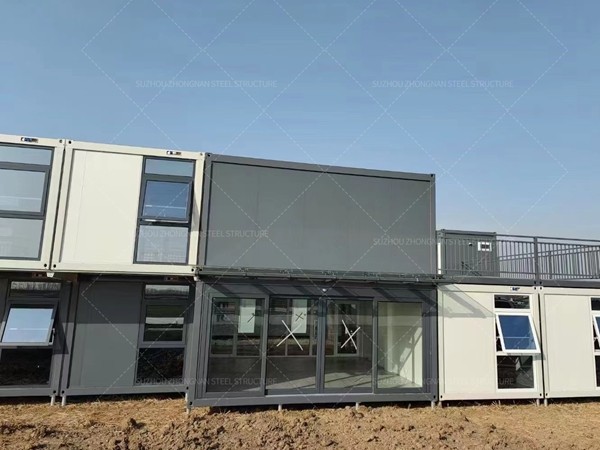
Architects and urban planners are also beginning to incorporate prefab homes into larger housing strategies. With the ability to stack units vertically or arrange them in clusters, developers can create entire residential communities at a fraction of the traditional cost and timeline. This makes prefab homes a powerful tool in addressing housing shortages and achieving long-term sustainability goals.
Prefab House FAQs
What is the difference between a prefab house and a traditional house?
A prefab house is built using pre-manufactured components such as steel frames and insulated panels, which are assembled on-site. In contrast, traditional houses are constructed entirely at the build location using raw materials. Prefab construction is faster, more cost-effective, and produces less waste than conventional methods.
Are manufactured homes suitable for long-term living?
Yes, modern manufactured homes are designed with high-quality materials and systems that ensure long-term durability and comfort. These homes comply with strict building codes and can include modern amenities like HVAC systems, energy-efficient insulation, and stylish finishes. They are often indistinguishable from site-built homes in terms of livability.
What makes pre fabricated homes a sustainable choice?
Pre fabricated homes are produced in factories where waste is minimized, energy use is controlled, and materials can be recycled more effectively. Many models use eco-friendly insulation and are designed to be energy efficient. Additionally, their modular nature allows for easy relocation and reuse, reducing the environmental footprint over time.
How long does it take to assemble a prefab house for sale on-site?
Depending on the model and the complexity of the design, a prefab house for sale can be assembled on-site in as little as one to three days. Most components are pre-cut and pre-fitted, making the assembly process straightforward. With a skilled crew and proper planning, installation is both quick and efficient.
What should I look for when choosing a prefab house supplier?
When selecting a supplier for your prefab house, consider their experience, customization options, material quality, and after-sales service. A reputable supplier should provide detailed specifications, structural testing certifications, and flexible design choices. Customer reviews and project case studies can also help ensure reliability and satisfaction.
Similar Posts
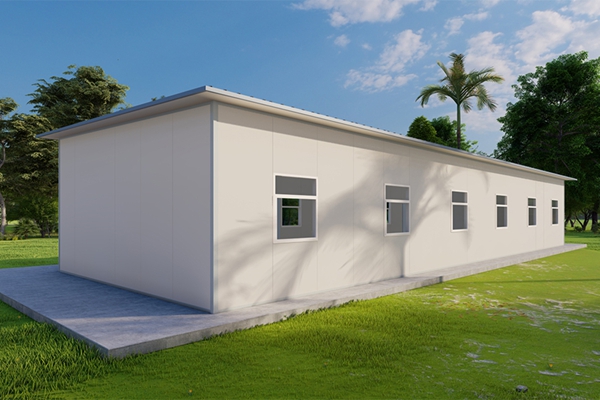
Fabricated Homes for Sale Size Options
In the ever – evolving real estate market, fabricated homes for sale have emerged as a popular and…
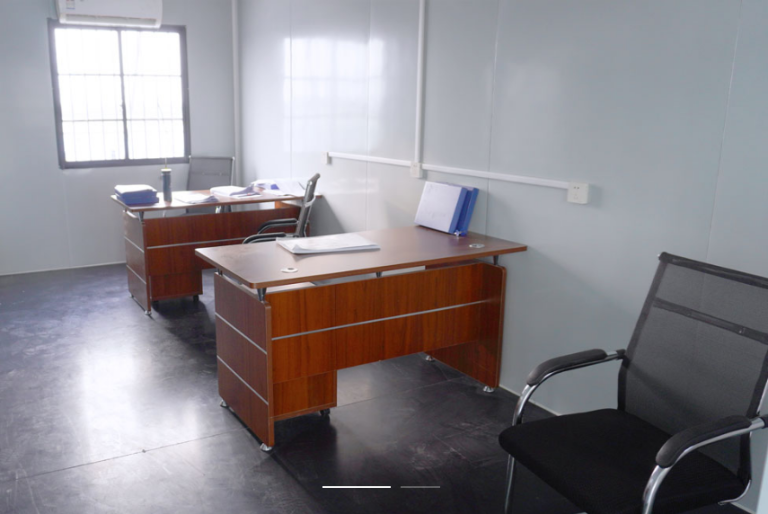
Container Office Solutions for Modern Workspaces
The idea of a Container Office has moved far beyond temporary sheds or basic site cabins. Today,…
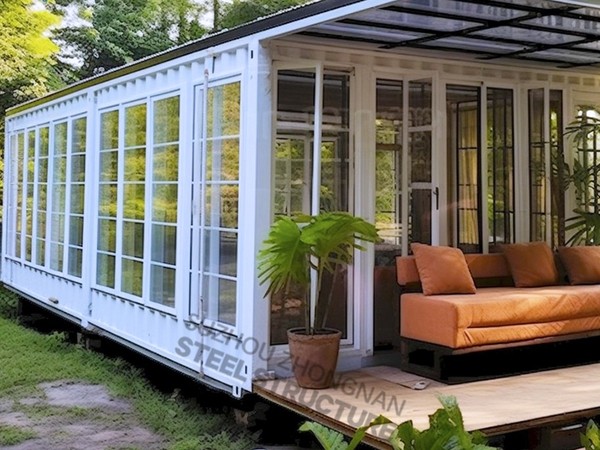
Easy Assemble Houses: The Future of Quick, Affordable Living
In today’s fast-paced world, easy assemble houses have become an attractive solution for those seeking quick, affordable,…

How a Collapsible Container House Can Save You Time and Money
In today’s fast-moving world, innovative housing solutions are revolutionizing the construction industry. Folding container house and collapsible container house options…
Lego-Style Living: Quick-Assembly Homes Are Revolutionizing Housing
Imagine a world where constructing a house is as simple as building with Lego blocks—efficient, versatile,…
Sustainable Living with Modular Container Homes
Sustainable living has become a global priority—and modular container house solutions are leading the way in eco-friendly…


