



Easy Assemble House: Innovation and Challenges in Residential Modes
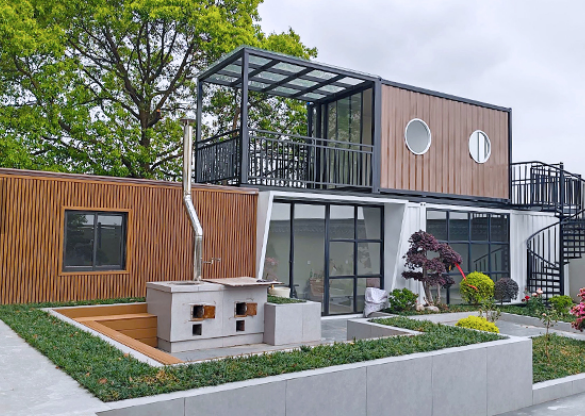
Easy Assemble House, As the name suggests, it refers to a house that is quickly built through standardized design, prefabricated components, and simple assembly methods. In recent years, with the advancement of construction technology and the increasing diversification of people’s demand for residential space, Easy Assemble House has gradually received attention and demonstrated significant advantages in certain fields, but it also faces many challenges.
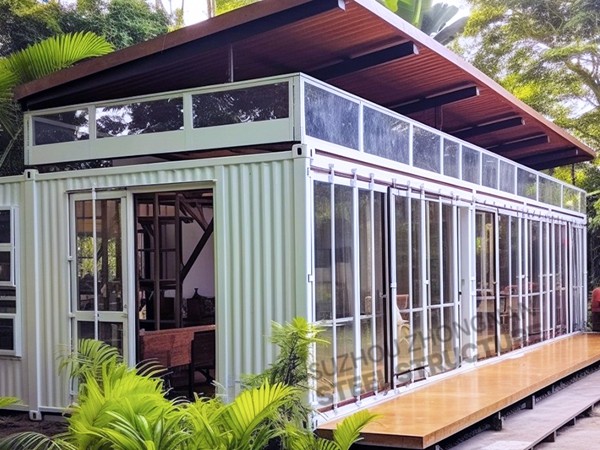
The advantage of Easy Assemble House lies in its high efficiency and convenience
The use of factory prefabricated components can significantly shorten the construction cycle, reduce labor costs, and minimize the generation of construction waste, in line with the concept of green environmental protection. Standardized design ensures the structural stability and safety of the house, while also facilitating large-scale production and reducing costs. In addition, the mobility of quick assembly homes also provides new options for those who require flexible living spaces, such as post disaster resettlement, temporary office spaces, tourist vacation villas, etc. This type of house has a certain degree of customization, and users can choose different modules to combine according to their own needs, thus meeting personalized living needs.
The development of Easy Assemble House also faces many challenges
Firstly, the public’s acceptance still needs to be improved. Traditional beliefs hold that brick and tile houses are the most stable and long-lasting, and there are doubts about the durability, wind and earthquake resistance, and comfort of quick to assemble homes. Therefore, it is necessary to strengthen publicity and promotion, eliminate doubts and enhance public trust through practical cases and technical explanations.
The industry standards and regulatory mechanisms for Easy Assemble House urgently need to be improved
At present, the standard system for assemble house is not yet sound, lacking unified quality control and safety regulations. This leads to uneven product quality in the market, posing potential risks to consumers. The government and industry associations should develop comprehensive standards as soon as possible to regulate market order and ensure product quality and safety.
Technological innovation still needs continuous breakthroughs
Although existing technology can already meet some of the needs, there is still room for improvement in material selection, structural design, energy conservation and environmental protection. For example, new materials that are lighter, more environmentally friendly, and more durable can be used to improve the insulation performance of the house and reduce energy consumption. Meanwhile, through intelligent technology, the assemble container house can be combined with smart home systems to enhance the comfort and convenience of living.
Land policies and planning restrictions have also constrained the development of Easy Assemble House
In some areas, the promotion of Easy Assemble House is limited due to tight land resources and planning constraints. The government needs to provide certain support in land policies and encourage the development of Easy Assemble House in specific areas, such as rural revitalization and the construction of characteristic towns.
In summary, Easy Assemble House, as a new type of residential model, has significant advantages and broad development prospects. However, in order for it to truly become popular, many challenges need to be overcome, including increasing public acceptance, improving industry standards, strengthening technological innovation, and adjusting land policies. Only through the joint efforts of the government, enterprises, and various sectors of society can Easy Assemble House meet the growing housing needs of people while promoting innovation and development in the construction industry.
Easy Assemble House FAQs
What is Easy Assemble House?
Easy Assemble House is a building designed with prefabricated modular components, which achieves rapid on-site assembly through standardized connection methods such as bolts, buckles, or plug-in structures. Common types include:
Light steel structure house
Prefabricated panel houses (such as EPS sandwich panels)
Folding mobile home
What are the core advantages of Easy Assemble House?
Quick setup: No need for traditional construction, a few person team can complete it in a few hours to days.
Low cost: reduces labor and building material waste, with a cost of about 30% to 60% of traditional buildings.
Flexible and movable: detachable for relocation or expansion, suitable for temporary needs.
Environmental protection and energy conservation: Renewable materials such as steel and recycled wood are often used, and some designs integrate solar energy systems.
What materials are mainly used in Easy Assemble House?
Structural framework: light steel, aluminum alloy or reinforced wood.
Wall and roof: sandwich panels (EPS rock wool), PVC panels or sustainable composite materials.
Connectors: high-strength bolts, buckles, or modular plug-in systems.
What are the suitable usage scenarios for Easy Assemble House?
Emergency housing: post disaster resettlement, temporary shelter for refugees.
Commercial use: construction site office, camping hut, pop-up store.
Family housing: low-cost housing in remote areas, backyard studios.
Tourist facilities: ecological hotels, RV campsites.
What is the price and lifespan of Easy Assemble House?
Basic model (20 ㎡ single room): Approximately $5000~$15000 (depending on materials and configuration).
High end customized products: over $30000 (including smart home, solar energy, etc.).
Service life: usually 10-30 years (steel can be longer after anti-corrosion treatment).
Similar Posts

The Modern Standard: Exploring Pre Manufactured Homes for Sale
When you search for pre manufactured homes for sale, you are looking at homes built entirely…
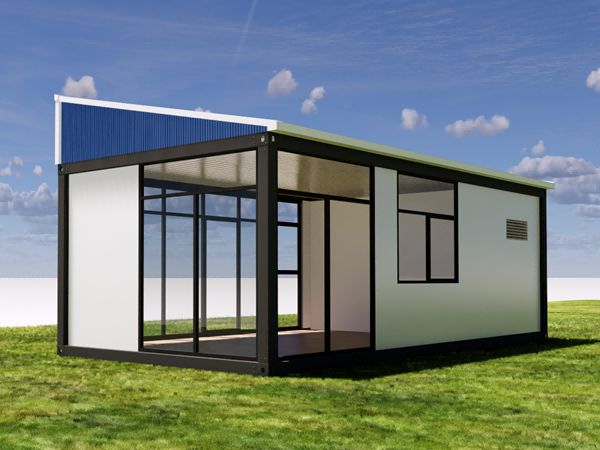
Minimalist Living, Maximized Style: The Container Tiny House for Sale
The container tiny house for sale represents the perfect fusion of the tiny house movement’s philosophy…

Flat Pack Container House Affordable Housing Solution
ZN House’s legacy is defined by delivering affordable solutions with impact: supplying 1,000+ flat pack container…
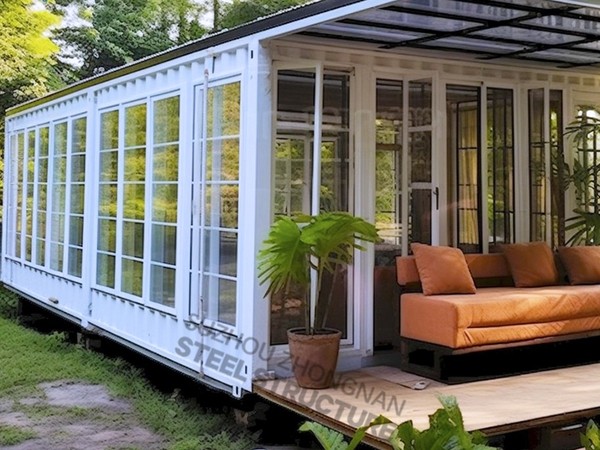
Easy Assemble Houses: The Future of Quick, Affordable Living
In today’s fast-paced world, easy assemble houses have become an attractive solution for those seeking quick, affordable,…
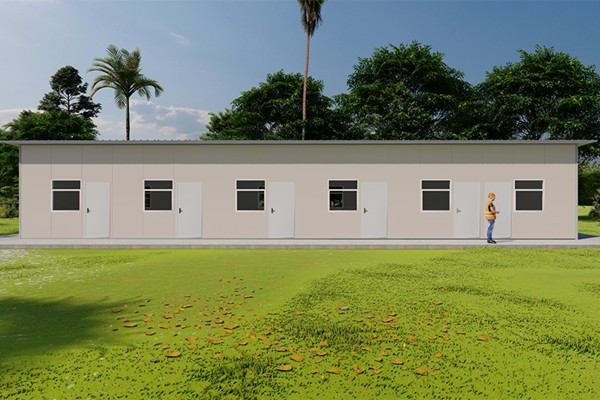
Maintain Prebuilt Cabin for Sale Easily Tips
The global demand for efficient, durable, and cost-effective housing solutions continues to surge. For nearly two…
Prefab Container Houses for Modern Living
Prefab container houses are changing the landscape of modern housing by offering highly practical, eco-friendly, and cost-efficient…


