



fabricated homes cost
Fabricated homes, often referred to as manufactured or modular homes, have surged in popularity over recent years due to their affordability, sustainability, and efficiency in construction. As the housing market continues to evolve, potential homeowners and investors alike are keen to understand the intricacies of fabricated home costs. Drawing from years of experience within the housing and construction industry, and bolstered by extensive expertise in the domain, this article delves into the essential aspects of fabricated home costs.
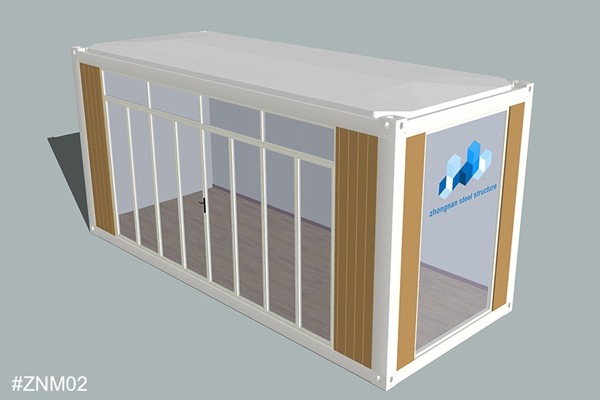
The cost of fabricated homes is influenced by a multitude of factors, each contributing to the overall price tag. One of the primary determinants is the size of the home. Larger homes, which offer more living space and typically more amenities, naturally command higher prices. However, the advantage of fabricated homes lies in their modular nature—the ability to incrementally add sections or modules, which offers scalability to suit varying budgetary needs.
Quality of materials plays a critical role in cost variance as well. Manufactured homes can be constructed using a spectrum of materials, ranging from basic to premium finishes. Opting for higher-end materials not only impacts the initial outlay but also affects long-term maintenance and energy efficiency. Home buyers must balance their immediate budget constraints with potential savings in utilities and maintenance, achieved through premium insulation or energy-efficient windows.
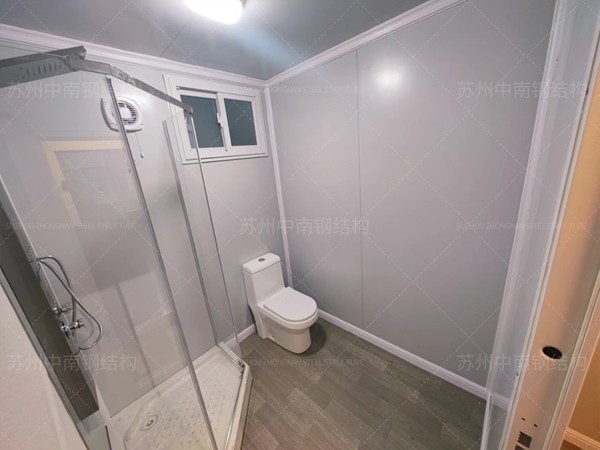
Location is another vital cost determinant. While fabricated homes are noted for their mobility, transportation and installation expenses can vary significantly based on the geographical location. Urban areas might incur higher costs due to stricter installation codes and permits, while remote areas could see increased transportation charges. Expert advice from local real estate professionals or manufacturers is invaluable in navigating these location-based cost nuances.fabricated homes cost
Customization is a perk associated with fabricated homes that traditional homes often lack. Buyers can personalize various aspects, from layout designs to fixtures and fittings, allowing their home to reflect personal taste and comfort. However, this customization comes at a price, with bespoke designs typically increasing the overall cost. By consulting with experienced designers and builders, one can optimize custom features to align with their financial capabilities without compromising quality.
Another key consideration is the long-term investment value of fabricated homes. Despite the lower initial costs compared to traditional constructions, manufactured homes have experienced an uphill battle in perception regarding their value appreciation. Yet, with advancements in construction technology and increased societal acceptance, these homes are gradually being recognized for their investment potential. Homeowners who invest in higher-quality units or customizations often find that their properties hold value better over time, especially in markets that are increasingly sympathetic to modern modular designs.
The environmental impact of home choices is gaining importance among new homeowners. Fabricated homes, inherently more resource-efficient due to their streamlined manufacturing process, present an appealing option for those conscious of their carbon footprint. Cost savings are realized not just at the point of purchase but through reduced waste and energy costs over the lifespan of the home. Guidance from environmental building experts ensures that one’s decisions not only have economic benefits but are also sustainably sound.
In conclusion, the cost of fabricated homes is a multifaceted topic, deeply intertwined with personal, financial, and location-specific factors. Drawing on authoritative insights and trustworthy data, prospective buyers must conduct thorough research, balancing desires for size, quality, customization, and sustainability with budgetary constraints. Collaboration with experts in manufactured housing and real estate will provide the leverage needed to make informed, economical, and secure investments in fabricated homes. This holistic approach ensures that new homeowners can enjoy the benefits of modern living without unforeseen financial strain, affirming the position of fabricated homes as not merely a budget-friendly option but a wise, forward-thinking choice in today’s real estate market.
Similar Posts

container house modular
The concept of modular container houses has revolutionized the construction industry, offering a sleek, modern, and…
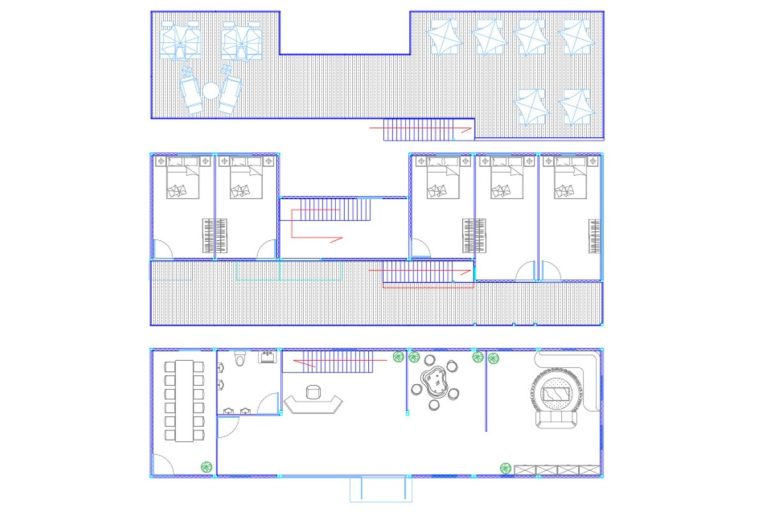
pre built portable homes
Pre-built portable homes have emerged as a revolution in the housing industry, offering an efficient alternative…
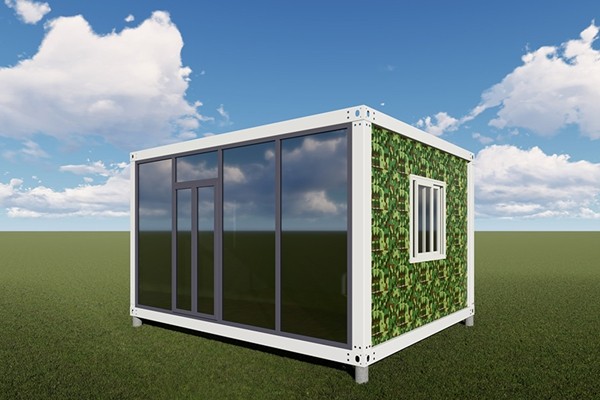
collapsible container house
Collapsible container houses are revolutionizing the way we think about sustainable and efficient living spaces. Drawing…
shipping container summer house
Discovering the Perfect Shipping Container Summer House Innovations and Insights The idea of transforming shipping containers…

prefabricated villa
Prefabricated villas are transforming the landscape of modern living with their blend of innovation, efficiency, and…
container home china price
With the growing global interest in sustainable living and innovative architecture, container homes have emerged as…


