



Flat Pack Buildings Suitable for Remote Locations
Remote locations offer a tranquil escape from the hustle and bustle of city life, but building a home there comes with its own set of challenges. This is where flat pack building shines! Whether it’s a cozy flat pack tiny house or a functional flat pack tiny homes complex, these structures are the perfect solution for those seeking a home away from the crowds. With their unique features and benefits, flat pack buildings can overcome the difficulties posed by remote areas, providing a comfortable and convenient living space.
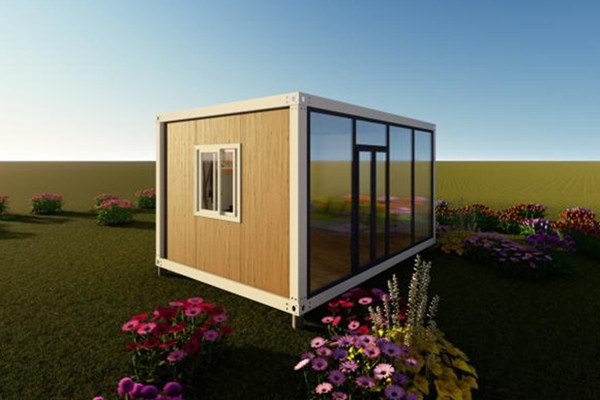
Easy Transportation of Flat Pack Building
One of the biggest advantages of flat pack building in remote locations is their easy transportation. Unlike traditional building materials that are bulky and difficult to move, flat pack structures are disassembled into manageable pieces for transit. A flat pack tiny house can be broken down into flat panels, pre – cut components, and labeled parts, which can then be loaded onto trucks, trailers, or even transported by smaller vehicles if needed. This makes it possible to reach remote areas with limited road access or narrow paths. Even in locations where heavy construction equipment can’t reach, the individual parts of a flat pack tiny homes setup can be carried in by hand or with the help of basic transportation means, ensuring that your dream home can be delivered to the most secluded spots.
Quick and Hassle – Free Assembly Flat Pack Building in Remote Areas
In remote locations, where access to skilled labor and construction resources might be scarce, the quick assembly of flat pack building is a game – changer. Flat pack tiny house models come with detailed instructions and pre – fabricated components that fit together like a puzzle. With basic tools and a little know – how, a small team or even an individual can assemble the structure in a relatively short time. This eliminates the need to hire a large construction crew and wait for them to complete the project over an extended period. For flat pack tiny homes, the modular design allows for step – by – step assembly, so you can start with the essential parts and gradually add more as time and resources permit, making the building process flexible and stress – free even in the most remote settings.
Flat Pack Building Adaptability to Harsh Remote Environments
Flat pack building is designed to withstand the harsh conditions often found in remote locations. Flat pack tiny house structures are made from durable materials that can resist extreme weather, such as strong winds, heavy rain, and snow. High – quality insulation in flat pack tiny homes helps maintain a comfortable indoor temperature, whether it’s scorching hot outside or freezing cold. Additionally, the modular nature of flat pack buildings allows for easy customization to adapt to the specific environment. For example, in areas prone to flooding, the building can be elevated on stilts during assembly. In regions with high UV exposure, special UV – resistant coatings can be applied to the exterior of the flat pack building, ensuring it remains in top condition for years to come.
Sustainable and Self – Sufficient Options in Flat Pack Building
Many flat pack building designs for remote locations come with sustainable and self – sufficient features, which are crucial in areas with limited access to utilities. Flat pack tiny house models can be equipped with solar panels for electricity generation, rainwater harvesting systems, and composting toilets. These features make it possible to live off – grid, reducing reliance on external energy sources and water supplies. In flat pack tiny homes, energy – efficient insulation and smart design can further minimize energy consumption. With these sustainable options, you can enjoy a comfortable life in a remote location while also reducing your environmental impact, making flat pack buildings an eco – friendly choice for those seeking a secluded lifestyle.
Flat Pack Building FAQS
Can I Customize the Design of a Flat Pack Tiny House for a Remote Location?
Yes! Most manufacturers of flat pack tiny house offer customization options. You can work with them to tailor the design to suit the specific needs of the remote location. This could include adding more insulation for cold climates, designing larger windows to take advantage of natural light in areas with long winters, or incorporating extra storage for supplies in places where shopping is limited. Whether it’s the layout, finishes, or special features, you have the flexibility to create a flat pack tiny house that fits your remote living dream.
How Long Does It Take to Assemble a Flat Pack Tiny Homes in a Remote Area?
The assembly time for flat pack tiny homes depends on the complexity of the design and the number of people involved. On average, a simple flat pack tiny homes unit can be assembled in a few days to a couple of weeks. However, in remote areas, factors like difficult terrain, limited access to tools, and weather conditions might slow down the process. But compared to traditional construction, which can take months or even years, the assembly of flat pack tiny homes is still significantly faster and more predictable.
Are Flat Pack Building Durable Enough for Remote Locations?
Absolutely! Flat pack building is built to be durable. The materials used, such as high – strength steel, weather – resistant wood, and robust composite materials, are selected to withstand the rigors of remote environments. Whether it’s facing strong winds, heavy snow, or extreme temperature fluctuations, a well – constructed flat pack tiny house or flat pack tiny homes can hold up well. Regular maintenance, like checking for any signs of wear and tear and performing necessary repairs, will further ensure the long – term durability of the building in a remote location.
Do I Need Special Skills to Assemble a Flat Pack Building in a Remote Area?
While some basic construction skills are helpful, you don’t need to be a professional builder to assemble a flat pack building. The components come with clear instructions, and many manufacturers offer support services, including online tutorials and phone consultations. For a flat pack tiny house, tasks like attaching panels, installing doors and windows, and fitting together modular units can be learned and accomplished by DIY enthusiasts. However, for more complex aspects like electrical and plumbing installations, it’s advisable to seek professional help, even in remote areas, to ensure safety and compliance with local codes.
Can I Expand a Flat Pack Tiny Homes in the Future if I Need More Space?
Yes, one of the great features of flat pack tiny homes is their expandability. The modular design allows you to add more units or components in the future. If you find that you need an extra bedroom, a larger living area, or a home office in your remote flat pack tiny homes, you can purchase additional flat pack modules and connect them to the existing structure. Just make sure to plan ahead and ensure that your initial assembly leaves room for future expansion, and also check local regulations regarding any building modifications in the remote location.
Similar Posts
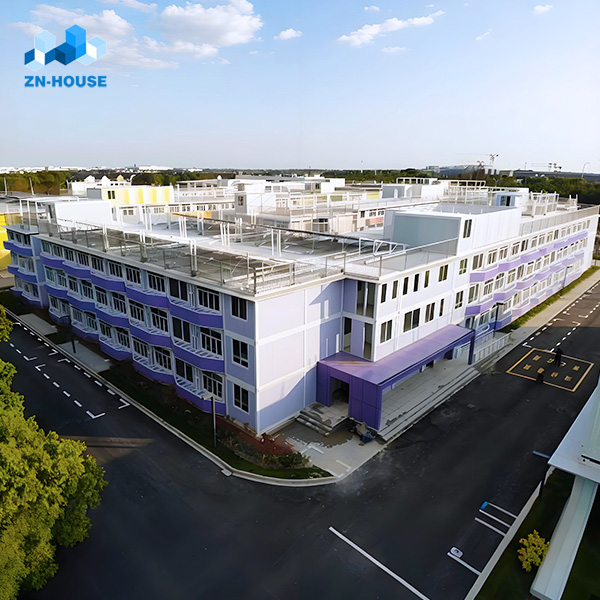
Flat pack homes for sale eco-friendly living solutions
Flat pack homes for sale eco-friendly living solutions represent a transformative approach to sustainable housing, addressing…
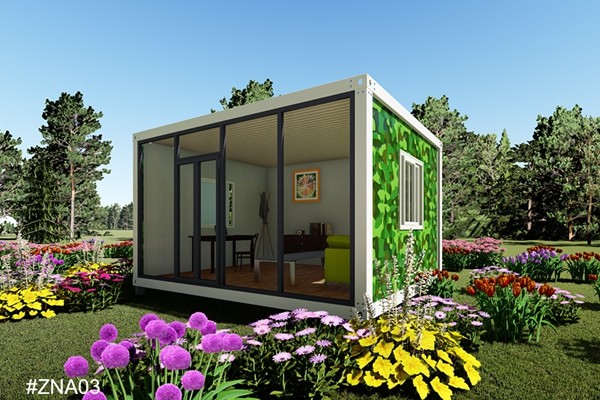
Discover the Convenience of Prefab Container House
Experience the future of home building with our innovative Prefab Container House solutions. Designed for efficiency, quality, and…

Folding Container House Structural Integrity Testing
The global demand for versatile, rapidly deployable, and robust housing solutions has surged, driven by needs…
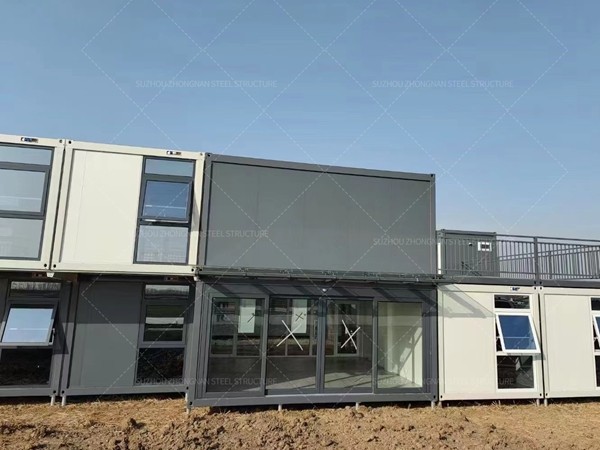
Sustainable Features in Modular Container Buildings
In the contemporary construction industry, modular shipping container homes, modular container buildings, and modular container house…
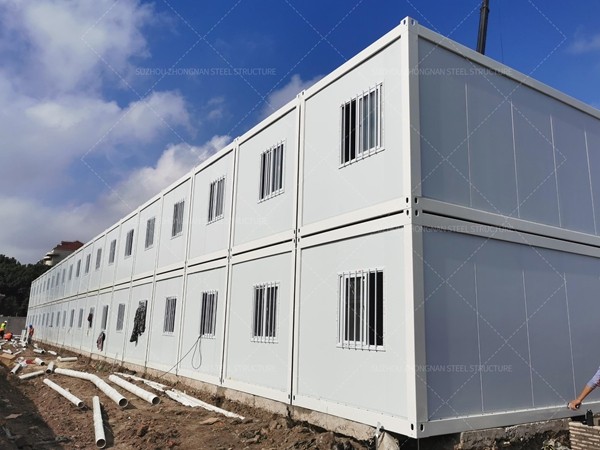
Tiny Home Flat Pack: The Future of Compact and Efficient Living
As more people seek affordable, sustainable, and flexible housing solutions, the concept of tiny home flat…
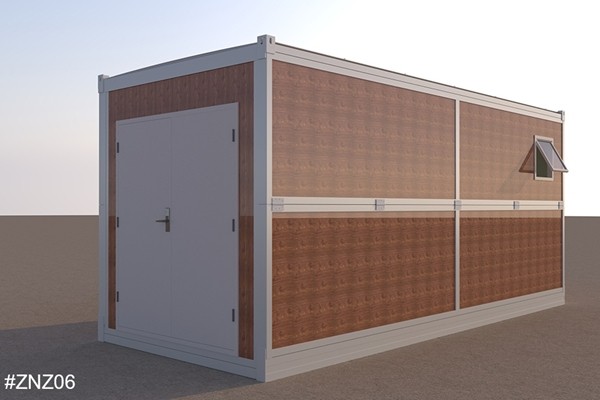
Prefab modular container house assembly process
The assembly efficiency and quality of prefab modular container houses are crucial factors for wholesale partners,…


