



Flat Pack Home Assembly Guide
The rising popularity of flat pack homes has revolutionized modern housing by offering affordable, customizable, and eco-friendly living solutions. Whether you’re building flat pack tiny homes for minimalist living or flat pack container homes for industrial-chic appeal, proper assembly is crucial for structural integrity and longevity. This comprehensive guide walks you through the entire process—from unboxing to final touches—ensuring your home is built safely and efficiently.
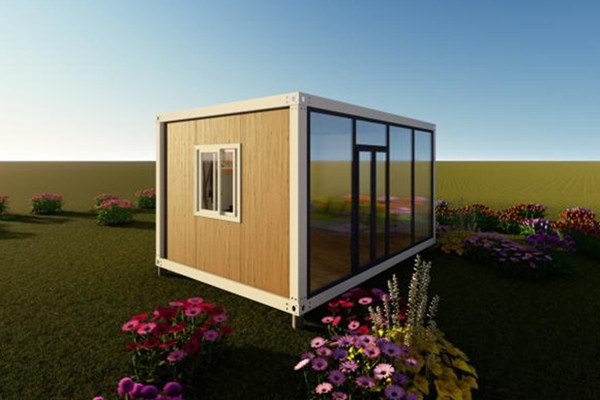
Preparing for Your Flat Pack Homes Assembly
Before diving into construction, thorough preparation ensures a smooth assembly process for your flat pack homes. Start by carefully reviewing the manufacturer’s instructions, which typically include detailed diagrams, a parts list, and step-by-step assembly guidelines. Organize all components in a clean, dry workspace to prevent damage or misplacement.
Site Preparation:
Foundation Requirements: Most flat pack homes need a solid foundation, such as concrete slabs, piers, or helical piles. Ensure the ground is level and properly compacted.
Utility Connections: Plan for water, electricity, and sewage hookups in advance.
Permits and Regulations: Check local building codes to ensure compliance, especially for flat pack container homes, which may have specific zoning restrictions.
Tools and Equipment:
Gather essential tools like:
Power drill and impact driver
Level and measuring tape
Rubber mallet (for adjusting panels)
Ladders or scaffolding
Safety gear (gloves, goggles, hard hat)
Proper preparation minimizes delays and ensures your flat pack tiny home or container variant is assembled correctly from the start.
Step-by-Step Assembly of Flat Pack Tiny Homes
Flat pack tiny homes are designed for efficiency, but their compact size requires precision during assembly. Follow these key steps:
Floor System Assembly
Lay out the floor panels on the foundation, ensuring proper alignment.
Secure the frame using provided bolts or screws.
Install insulation and subflooring if not pre-attached.
Wall Erection
Connect wall panels using interlocking systems or metal brackets.
Use a level to ensure vertical alignment before final fastening.
Temporary bracing may be needed to keep walls steady.
Roof Installation
Assemble trusses or roof panels according to instructions.
Lift and secure the roof structure, ensuring proper overhang for weather protection.
Seal all joints with weatherproof tape or silicone.
Doors and Windows
Fit pre-hung doors and window frames into designated openings.
Check for smooth operation and proper sealing.
Interior and Exterior Finishing
Install insulation, drywall, or plywood interior cladding.
Add exterior siding (metal, wood, or composite panels).
Well-assembled flat pack tiny homes maximize space while maintaining durability.
Special Considerations for Flat Pack Container Homes
Flat pack container homes require unique handling due to their steel structure and modular design. Follow these specialized steps:
Modification and Reinforcement
Cut openings for doors/windows using angle grinders or plasma cutters.
Reinforce walls with steel framing where large openings are made.
Insulation and Vapor Barrier
Spray foam or panel insulation is ideal for steel containers.
Install a vapor barrier to prevent condensation buildup.
Stacking and Joining Containers
Use crane services for multi-level flat pack container homes.
Weld or bolt containers together securely.
Seal gaps with waterproof membranes.
Rust Prevention
Sand and repaint exposed steel with rust-resistant coatings.
Regularly inspect for corrosion, especially in humid climates.
These measures ensure your flat pack container home remains structurally sound and energy-efficient.
Flat pack home:Common Mistakes to Avoid
Even with detailed instructions, errors can occur during flat pack home assembly. Avoid these pitfalls:
Skipping the Manua:
Never assume parts are interchangeable—follow the guide precisely.
Improper Foundation:
An uneven base causes alignment issues and structural stress.
Rushing the Process:
Take time to double-check measurements before securing panels.
Neglecting Weatherproofing:
Seal all joints to prevent leaks and drafts.
Underestimating Help Needed:
Some steps (like roof lifting) require multiple people.
Avoiding these mistakes ensures your flat pack tiny home or container variant is safe and long-lasting.
FAQs About Flat Pack Homes
How long does it take to assemble flat pack homes?
Most flat pack homes take 2-6 weeks for basic shell completion, depending on size and complexity.
Can one person build a flat pack tiny home alone?
While possible, having at least two people speeds up the process, especially for lifting walls and roofing.
Are flat pack container homes energy efficient?
Yes, with proper insulation, flat pack container homes can match traditional home efficiency.
Do flat pack homes lose value over time?
Well-maintained flat pack homes appreciate similarly to conventional houses, especially on owned land.
What’s the biggest advantage of flat pack homes?
They offer faster construction, lower costs, and customizable designs compared to traditional builds.
Flat pack homes, including flat pack tiny homes and flat pack container homes, provide an innovative path to affordable, sustainable homeownership. With careful planning and methodical assembly, you can create a durable, stylish living space tailored to your needs.
Ready to start your flat pack home journey? Explore high-quality kits today and take the first step toward a smarter, faster way to build your dream home!
Similar Posts
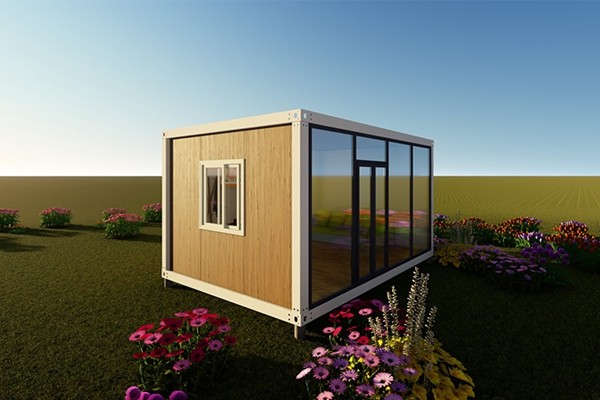
Time and Cost Savings with Prefabricated Flat Pack Homes
In today’s fast-paced world, the demand for affordable, efficient, and sustainable housing solutions is growing rapidly. Flat…
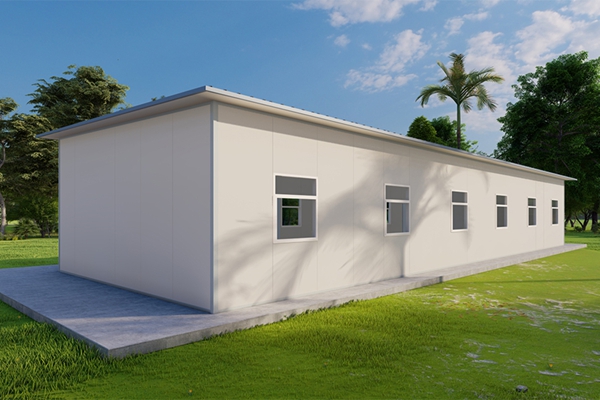
Financing Options for Manufactured Homes
The demand for manufactured homes, including prefab container house and versatile prefab house models, has surged globally, driven…
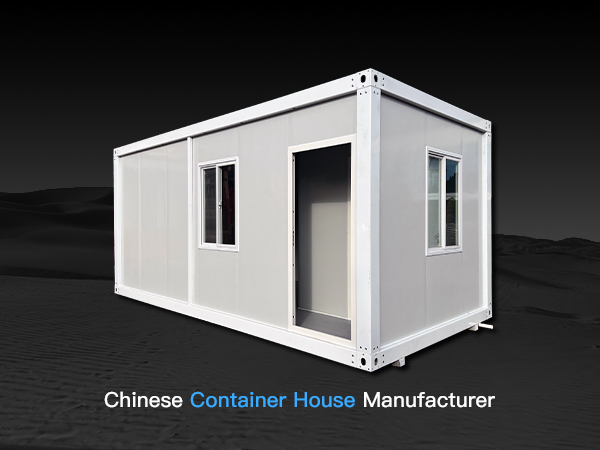
Affordable Container Homes for Modern Living
With the growing demand for affordable, eco-friendly, and innovative living spaces, container homes have become a top…

Minimalist Flat Pack Tiny Homes with Smart Storage
In the realm of modern architecture and sustainable living, flat pack building and flat pack tiny homes have…

Folding container house for disaster relief and shelters
In a fast-paced world where adaptability and cost-efficiency are essential, folding container house, fold out shipping container homes,…
Easy Assemble House: The Complete Buyer’s Guide
The demand for easy assemble house solutions is growing as more people seek fast, affordable, and high-quality housing….


