



How Prefab Flat Pack Homes Reduce Construction Waste
In the ever – evolving construction landscape, the push for sustainability has led to the rise of innovative building solutions. Prefab flat pack homes, encompassing flat pack modular homes and structures crafted from 20ft flat pack container, have emerged as frontrunners in minimizing construction waste. These homes not only redefine efficiency in building but also play a crucial role in reducing the environmental impact of the construction industry.
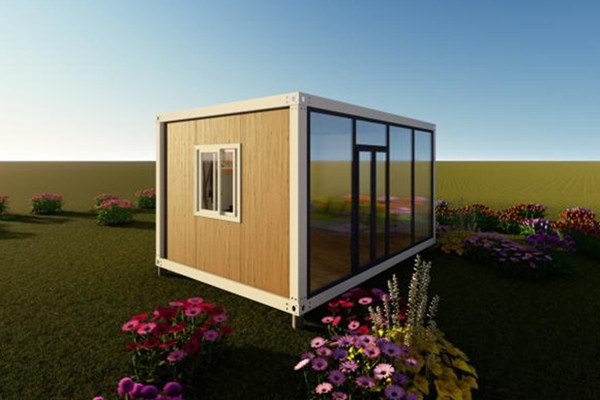
Precision – Driven Manufacturing in Prefab Flat Pack Homes
The manufacturing process of prefab flat pack homes is a testament to precision, which is key to waste reduction. In factories where flat pack modular homes are assembled, advanced computer – aided design (CAD) technology is employed. This technology allows for the meticulous planning of every component, ensuring that materials like steel sheets for 20ft flat pack container – based homes are cut with absolute accuracy. Gone are the days of guesswork and excessive material cutting on traditional construction sites. Each piece is tailored to fit perfectly, leaving behind minimal scraps. This precision not only streamlines the production process but also maximizes the utilization of materials, significantly reducing waste right from the start.
Prefab Flat Pack Homes Factory – Controlled Assembly Environment
The controlled environment of factories where prefab flat pack homes are built offers a major advantage in waste reduction. Unlike open – air construction sites, factories shield flat pack modular homes components from harsh weather conditions, accidental damage, and theft. When constructing a home from a 20ft flat pack container, the parts are stored and handled with care, minimizing the risk of components getting damaged and discarded. Moreover, factories implement strict quality control measures. Any defective parts are identified and corrected immediately, preventing them from becoming waste on the construction site. This factory – based assembly process ensures that only high – quality, usable components make their way to the final home, reducing overall waste generation.
Flat Pack Modular Homes Reusability and Recycling Potential
The reusability and recycling potential of prefab flat pack homes are remarkable. Flat pack modular homes are designed with modular components that can be disassembled and reused in other projects. If a homeowner decides to relocate or make significant changes to their home, the modules can be repurposed instead of being discarded. Similarly, 20ft flat pack container – based homes offer great recyclability. The steel used in containers is highly recyclable, and when the home reaches the end of its life cycle, the materials can be melted down and transformed into new products. This ability to reuse and recycle components ensures that prefab flat pack homes generate far less waste compared to traditional homes, making them a sustainable choice for the environment.
Flat Pack Modular Homes Smart Design and Resource Optimization
The smart design of prefab flat pack homes focuses on resource optimization, which inherently reduces waste. In flat pack modular homes, the design takes into account the efficient use of space, ensuring that every inch is utilized effectively. This eliminates the need for unnecessary construction and materials. For 20ft flat pack container – based homes, the design maximizes the potential of the container’s structure, minimizing the addition of excessive building materials. Smart design also includes the integration of multi – functional elements, such as built – in storage units that serve multiple purposes. By optimizing resources through intelligent design, prefab flat pack homes significantly cut down on waste generation throughout their life cycle.
Prefab Flat Pack Homes FAQS
Do Prefab Flat Pack Homes Cost More Because of Waste – Reduction Features?
Surprisingly, prefab flat pack homes don’t necessarily cost more due to their waste – reduction features. In fact, the precision – driven manufacturing and efficient processes in factory settings often lead to cost savings. By minimizing material waste, manufacturers can make better use of resources, reducing material costs. The quick on – site assembly of flat pack modular homes and 20ft flat pack container – based homes also cuts down on labor costs. Additionally, the long – term benefits of reduced waste, such as lower disposal fees and a more sustainable building process, can offset any initial costs. So, while these homes offer excellent waste – reduction advantages, they can still be a cost – effective option for many homeowners.
Can I Customize a Prefab Flat Pack Home and Still Reduce Waste?
Yes, you can! Many manufacturers of prefab flat pack homes offer customization options without sacrificing waste – reduction benefits. The modular nature of flat pack modular homes allows for easy integration of custom components. Even when customizing a home built from a 20ft flat pack container, the factory – based production process can still ensure precise cutting and efficient use of materials. The design teams work with homeowners to create personalized homes while adhering to sustainable practices. They use advanced software to plan the customization, ensuring that materials are used optimally and waste is kept to a minimum. So, you can have a unique home that also contributes to a greener environment.
How Much Construction Waste Can I Expect to Save with Prefab Flat Pack Homes?
On average, choosing prefab flat pack homes can lead to a significant reduction in construction waste. Compared to traditional homes, you can expect to save around 30% to 50% of construction waste. The precision in manufacturing flat pack modular homes, the controlled factory environment, and the efficient transportation and assembly of 20ft flat pack container – based homes all play a role in this reduction. Traditional construction often involves a lot of guesswork, on – site adjustments, and material damage, which contribute to higher waste levels. In contrast, prefab flat pack homes streamline the entire process, making waste reduction a built – in feature of the construction method.
Are There Any Challenges in Recycling Prefab Flat Pack Homes?
While prefab flat pack homes offer great recyclability, there are some challenges. For flat pack modular homes, the presence of composite materials or complex coatings on certain components can make recycling more difficult. In 20ft flat pack container – based homes, if the containers have been modified extensively with non – recyclable materials during the home – building process, it can pose a hurdle. Additionally, the lack of a widespread and efficient recycling infrastructure for construction materials in some areas can also be a challenge. However, as the demand for sustainable building practices grows, more research and development are going into overcoming these challenges, and solutions are constantly emerging.
Can I Reuse Components from a Prefab Flat Pack Home on My Own?
Yes, in many cases, you can reuse components from a prefab flat pack home on your own. The modular design of flat pack modular homes makes it relatively easy to disassemble and repurpose parts. For example, you could reuse the interior fixtures, doors, or windows in another project. With 20ft flat pack container – based homes, the container itself can be repurposed for storage or even transformed into a different structure. However, it’s important to ensure that you have the necessary skills and tools for safe disassembly. Also, make sure to check local regulations regarding the reuse of building components to ensure compliance. With the right approach, reusing components can be a great way to further reduce waste and give new life to materials from your prefab flat pack home.
Similar Posts
Discover the Benefits of Prefab Container Houses: Affordable, Versatile, and Eco-Friendly
In an era where housing needs are rapidly evolving, prefab container houses have emerged as a…
Explore the Benefits of Modular Container Houses
In today’s fast-paced world, the demand for versatile and cost-effective living solutions is on the rise….
Your Dream Shipping Container Tiny House
Are you ready to embrace a minimalist lifestyle while enjoying the modern comforts of a home?…

Modular Container Houses: Smart, Scalable Solutions for Modern Living
As cities grow denser and housing needs evolve, more people are turning to unconventional yet highly…
Eco-friendly Prefab Cottages for Sale with Solar Options
The global shift towards sustainable living has revolutionized the housing sector, driving demand for residences that…
From Cargo to Cozy: How Shipping Containers Houses Become Modern
The transformation of humble steel cargo containers into luxurious and functional living spaces is a remarkable…


